


Strategic Importance of Customized Food Packaging
In the highly competitive food and beverage sector, packaging transcends its traditional role of mere containment and preservation. It has evolved into a critical brand touchpoint, a marketing tool, and a vital component in ensuring product integrity and consumer safety. For B2B enterprises, the choice of packaging significantly impacts operational efficiency, supply chain logistics, and market differentiation.
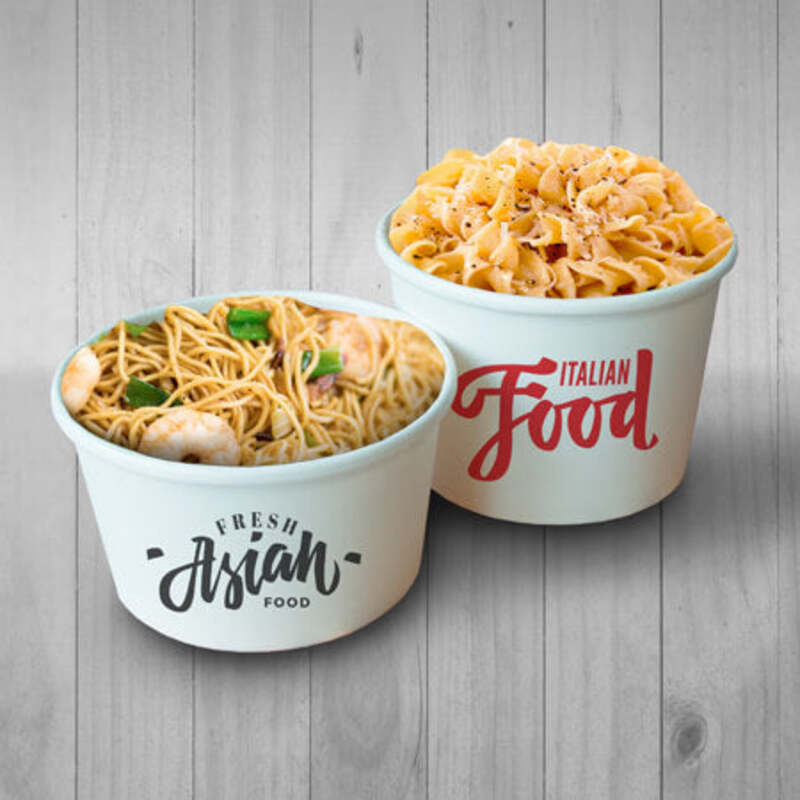
A prime example of this strategic approach is the Printed Food Container - 1 Colour Screen Print. This specialized packaging solution offers a cost-effective yet impactful method for businesses to enhance brand visibility, communicate essential product information, and maintain a professional aesthetic. Tailored for various applications, it represents a confluence of functional design and targeted marketing, crucial for modern food product distribution.
Understanding the technical intricacies, application versatility, and operational advantages of such packaging is paramount for procurement specialists, product managers, and marketing strategists aiming to optimize their packaging ecosystems.
Current Industry Trends in Food Packaging
- Sustainability & Eco-Consciousness: There's a growing demand for packaging solutions that are recyclable, compostable, or made from recycled content. Businesses are prioritizing materials that reduce environmental impact while maintaining performance.
- E-commerce & Delivery Optimization: With the surge in online food delivery, packaging must be robust enough to withstand transit, maintain food temperature, and provide a positive unboxing experience. Lightweight yet durable designs are highly sought after.
- Smart Packaging Integration: While more advanced, trends like QR codes for traceability, NFC tags for consumer engagement, and even temperature-sensitive indicators are gaining traction, although often beyond single-colour print.
- Personalization & Branding: Even with limited colour palettes, effective branding through distinct typography, iconography, and clear messaging remains crucial. Single-colour screen printing offers an economical way to achieve strong brand identity.
- Food Safety & Compliance: Strict regulatory frameworks (e.g., FDA, EFSA) mandate specific material safety standards, migration limits, and hygiene protocols for all food-contact packaging.
These trends underscore the need for packaging solutions that are not only functional and visually appealing but also align with evolving consumer values and regulatory requirements. The Printed Food Container - 1 Colour Screen Print effectively addresses the branding and cost-efficiency aspects while adhering to core safety standards.
Manufacturing Process for a Printed Food Container - 1 Colour Screen Print
The production of a high-quality Printed Food Container - 1 Colour Screen Print involves a precise, multi-stage manufacturing process, emphasizing material integrity, structural consistency, and print accuracy. This process is meticulously controlled to meet industry standards such as ISO 9001 for quality management and relevant FDA guidelines for food contact materials.
Process Flow Overview:
-
Material Sourcing & Preparation:
High-grade, food-safe polymers such as Polypropylene (PP) or Polyethylene Terephthalate (PET) are selected. These materials are chosen for their excellent barrier properties, thermal resistance, and recyclability. Suppliers must provide certifications confirming compliance with food contact regulations (e.g., FDA 21 CFR, EU Regulation 10/2011). Raw pellets undergo rigorous quality checks for purity and consistency.
-
Container Formation (Injection Molding/Thermoforming):
Depending on the container111 design (e.g., cups, tubs, deli container111s), either injection molding or thermoforming is employed.
- Injection Molding: Molten plastic is injected under high pressure into a mold cavity, forming precise, durable container111s with consistent wall thickness. This is ideal for complex shapes and high volumes.
- Thermoforming: Plastic sheets are heated to a pliable temperature and then formed over or into a mold using vacuum or pressure. This method is efficient for producing a wide range of container111 shapes.
-
Surface Treatment (Optional but beneficial):
For optimal ink adhesion, some container111s may undergo a corona or flame treatment. This increases the surface energy of the plastic, allowing the screen printing ink to bond more effectively and prevent flaking.
-
Screen Printing Application:
The container111s are transferred to a semi-automated or fully automated screen printing line. A pre-prepared screen mesh, which has a stencil of the desired artwork, is used. Food-grade, single-colour ink (selected from a Pantone Matching System - PMS reference for brand consistency) is forced through the mesh onto the container111 surface. This process allows for precise application of logos, branding elements, and essential product information. High-quality inks are selected for their non-toxic properties and resistance to abrasion, moisture, and temperature fluctuations (e.g., for refrigeration or freezing).
-
Ink Curing:
Immediately after printing, the container111s pass through a curing station. Depending on the ink type, this could be UV curing (using ultraviolet light) or thermal curing (using heat). Curing ensures the ink is fully dried and adheres permanently to the container111, preventing smudging or fading during subsequent handling and use. This step is crucial for the longevity and aesthetic integrity of the print.
-
Quality Control & Inspection:
Each container111 undergoes stringent quality control. This includes visual inspection for print clarity, colour accuracy, registration, and absence of defects (e.g., smudges, scratches, deformities). Automated vision systems may be employed for high-volume production. Material thickness, container111 weight, and lid fitment are also checked against engineering specifications. Adherence to standards like ANSI/ASQ Z1.4 for sampling procedures ensures consistent quality.
-
Packaging & Distribution:
Finished, inspected container111s are stacked, nested, or sleeved and packaged into protective cartons. These cartons are labeled with batch numbers, production dates, and relevant certifications for traceability. Packaging is designed to prevent damage during shipping and storage, ensuring products arrive at the client's facility in pristine condition.
The meticulous adherence to these process steps, coupled with robust testing and quality management systems (e.g., BRCGS Packaging Materials certification, ISO 22000), ensures that each Printed Food Container - 1 Colour Screen Print delivers optimal performance in terms of food safety, durability, and brand representation.
Technical Specifications and Performance Parameters
Understanding the precise technical parameters of a Printed Food Container - 1 Colour Screen Print is crucial for ensuring compatibility with existing filling lines, storage conditions, and end-user requirements. The specifications below are indicative of high-quality food packaging produced to industry standards.
Typical Product Specifications:
| Parameter | Specification | Relevant Standard/Note |
|---|---|---|
| Material | Food-grade Polypropylene (PP) or Polyethylene Terephthalate (PET) | FDA 21 CFR 177.1520 (PP), 177.1630 (PET); EU 10/2011 |
| Print Method | 1 Colour Screen Print | Pantone Matching System (PMS) color accuracy ±5% |
| Ink Type | Food-safe, low-migration UV-curable or thermal inks | ISO 2846-1 (Colorimetry), Migration testing compliant with EU/FDA |
| Capacity Range | 150ml to 2000ml (various standard sizes) | Custom capacities available |
| Temperature Resistance (PP) | -20°C to +120°C | Microwaveable, Freezer-safe |
| Temperature Resistance (PET) | -40°C to +70°C | Freezer-safe, not typically microwaveable |
| Lid Compatibility | Hermetic seal, tamper-evident options | Ensures product freshness and security |
| Recyclability | 100% Recyclable (where infrastructure exists) | Identified with Resin Identification Code (e.g., #5 for PP, #1 for PET) |
| Service Life (Unopened) | Up to 24 months (storage in optimal conditions) | Depends on material, storage, and contained product |
These parameters ensure the Printed Food Container - 1 Colour Screen Print can perform reliably across diverse food product categories and logistical demands. Rigorous testing is conducted on batch samples to verify these specifications, including drop tests, compression tests, and leak tests.
Technical Advantages of Printed Food Container - 1 Colour Screen Print
The strategic deployment of a Printed Food Container - 1 Colour Screen Print offers several distinct advantages for B2B operations, extending beyond simple product protection to encompass brand equity and operational efficiency.
- Enhanced Brand Visibility & Recall: Even with a single color, screen printing allows for crisp, high-definition application of logos, brand names, and essential textual information. This consistency across packaging directly reinforces brand identity at the point of sale and consumption, leading to higher brand recall.
- Cost-Efficiency for High Volumes: Compared to multi-color printing or labels, one-color screen printing is highly economical for large production runs. It minimizes setup costs, ink consumption, and operational complexities, translating into lower unit costs for the client.
- Durability of Print: Screen-printed ink is generally thicker and more robust than other print methods, offering superior resistance to scuffing, moisture, and temperature fluctuations. This ensures brand messaging remains intact throughout the product's lifecycle, from freezer to microwave, and through handling.
- Compliance and Information Clarity: Key information such as ingredients, nutritional facts, allergy warnings, and regulatory symbols can be clearly and indelibly printed. This helps meet strict food labeling compliance requirements (e.g., FDA, EU Food Information to Consumers Regulation (FIC) No 1169/2011), reducing the risk of non-compliance.
- Versatility in Application: Suitable for a wide range of food products, from dairy and deli items to prepared meals and desserts. The printing process is adaptable to various container111 shapes and sizes, providing flexibility for diverse product portfolios.
- Reduced Inventory Complexity: By integrating branding directly onto the container111, businesses can often reduce reliance on separate labels, streamlining procurement and inventory management.
These advantages make the Printed Food Container - 1 Colour Screen Print a pragmatic choice for businesses seeking to balance effective branding with cost-conscious and compliant packaging solutions.
Application Scenarios Across Industries
The versatility of the Printed Food Container - 1 Colour Screen Print makes it an ideal choice across numerous segments within the food industry, providing essential branding and functional utility.
Target Industries and Applications:
-
Food & Beverage Manufacturing:
Used for packaging dairy products (yogurts, sour cream), sauces, dips, ready-to-eat salads, desserts, and various processed foods. The screen print allows for branding and essential product information, crucial for retail shelf presence.
-
Catering & Foodservice:
Ideal for portion-controlled servings in institutional catering, takeaway meals, and deli counters. The container111s maintain food freshness and temperature, while the branded print reinforces the caterer's identity. Common in cafeterias, hospitals, and airlines.
-
Retail (Supermarkets, Specialty Stores):
For packaging store-brand items, bulk deli items, baked goods, and pre-packaged meals. The strong visual appeal of a crisp one-colour print aids in product differentiation on crowded shelves.
-
Agricultural & Produce Sector:
While less common for raw produce, processed fruit cups, cut vegetables, or herb purees can utilize these container111s for branding and extended shelf life.
-
Healthcare & Nutrition:
For specialized dietary meals, nutritional supplements (in semi-liquid or solid form), and portioned meals in medical facilities. Compliance with strict hygiene standards and clear labeling is paramount here.
In each of these scenarios, the container111's structural integrity, coupled with precise branding via one-colour screen printing, contributes significantly to both product protection and market perception. It ensures products are delivered safely and presented professionally, ultimately enhancing consumer trust and repeat business.
Vendor Comparison: Key Differentiators
When selecting a supplier for Printed Food Container - 1 Colour Screen Print, B2B decision-makers must consider several factors beyond initial cost. A comprehensive vendor assessment typically includes material quality, production capabilities, certifications, customization flexibility, and logistical support.
Comparative Analysis Framework:
| Feature/Service | Vendor A (Leading Provider) | Vendor B (Cost-Optimized) | BulkBuyPackaging (Our Offering) |
|---|---|---|---|
| Material Quality & Sourcing | Premium virgin polymers, extensive traceability | Standard food-grade polymers, less detailed traceability | Certified virgin food-grade PP/PET, robust supply chain, full traceability to resin batch. |
| Certifications | ISO 9001, BRCGS Packaging, FDA compliant | ISO 9001, basic food safety compliance | ISO 9001:2015, BRCGS Packaging Materials (Grade AA), FDA 21 CFR, EU 10/2011. |
| Print Quality & Precision | Excellent registration, wide PMS color range | Good, minor variations possible | High-precision screen printing, tight registration, guaranteed PMS match ±3%. |
| Customization Capabilities | Full bespoke tooling, extensive design support | Limited to standard molds, basic graphic design | Bespoke tooling (on volume), wide range of standard molds, in-house graphic design for optimal single-color branding. |
| Lead Time (Standard Orders) | 3-4 weeks | 4-6 weeks | 2-3 weeks (after artwork approval), expedited options available. |
| Minimum Order Quantity (MOQ) | High (e.g., 50,000+ units) | Moderate (e.g., 20,000 units) | Flexible MOQs starting from 10,000 units, suitable for SMEs and large enterprises. |
| After-Sales Support | Dedicated account manager, technical support | Email support, standard queries | Proactive account management, 24/7 technical support, on-site assistance (where applicable). |
This comparison highlights the importance of evaluating vendors not just on price, but on the total value proposition, including quality assurances, service levels, and operational flexibility. Our commitment at BulkBuyPackaging is to deliver superior quality and service for every Printed Food Container - 1 Colour Screen Print order.
Customized Solutions & Design Optimization
Recognizing that every brand has unique requirements, customization is a cornerstone of our offering for the Printed Food Container - 1 Colour Screen Print. Our approach focuses on optimizing both the structural and aesthetic aspects of the packaging to meet specific client needs while maintaining cost-effectiveness.
Key Customization Options:
- Container Shape & Volume: While we offer a wide range of standard shapes (round, square, rectangular, oval) and volumes (from 150ml to 2000ml), bespoke tooling can be developed for truly unique designs that require proprietary shapes or specific ergonomic features.
- Material Selection: Choice between PP and PET based on product requirements (e.g., hot-fill, freezing, microwaveability, barrier properties) and sustainability goals (e.g., inclusion of PCR - Post-Consumer Recycled content).
- Lid Types: Custom lids including tamper-evident features, spoon-in-lid options, or specific seal designs (e.g., induction seal compatibility) can be integrated.
- Print Artwork & Color Matching: Clients provide their single-color artwork (vector format preferred). Our design team assists in optimizing the artwork for screen printing, ensuring legibility, impact, and precise PMS color matching. We provide digital proofs and physical samples for approval.
- Specialty Ink Effects: While primarily one-colour, certain effects like metallic inks or matte/gloss finishes can be achieved within the single-colour framework to add a premium feel.
- Nesting & Stacking Optimization: Design adjustments to container111 dimensions can improve nesting ratios for efficient storage and transport, reducing logistical costs.
Our dedicated design and engineering teams work collaboratively with clients from concept to production, leveraging CAD/CAM software and rapid prototyping to ensure the final product aligns perfectly with brand vision and functional requirements. This partnership approach guarantees that the customized Printed Food Container - 1 Colour Screen Print not only protects the product but also actively contributes to market success.
Real-World Application Case Studies
These case studies illustrate the tangible benefits realized by businesses deploying the Printed Food Container - 1 Colour Screen Print for their specific needs.
Case Study 1: Regional Dairy Producer
- Client: "Meadow Fresh Dairy" - a regional producer of artisanal yogurts and sour cream.
- Challenge: Expand market share in local supermarkets, needing cost-effective branding on their various dairy products without compromising food safety or durability. Their previous solution involved adhesive labels, which often peeled in refrigerated environments.
- Solution: Implemented a 150ml and 500ml Printed Food Container - 1 Colour Screen Print using high-grade PP. A distinctive green screen print was chosen for their logo and product information, resonating with their natural brand image.
- Outcome: Achieved a 15% increase in brand recognition within their target market due to the consistent and durable on-pack branding. Eliminated label peeling issues, leading to a 7% reduction in product returns/damaged goods due to packaging flaws. Cost savings of 12% realized by switching from labels to direct screen print for high-volume SKUs.
Case Study 2: National Prepared Meal Service
- Client: "Chef's Daily" - a national subscription-based healthy meal delivery service.
- Challenge: Required robust, freezer-to-microwave container111s for their meals, featuring clear branding and essential nutritional information. They needed to streamline their packaging process for rapid fulfillment.
- Solution: Utilized bespoke 750ml rectangular PP container111s with a bold, single-colour screen print of their logo and a "Heat & Eat" instruction icon. The ink was specifically formulated for extreme temperature resistance.
- Outcome: Enhanced consumer convenience and brand experience. The direct print proved more resilient than previous sticker labels, especially after freezing and reheating. Operational efficiency improved by 10% through streamlined packaging lines, reducing the need for separate label application. Customer feedback highlighted the professional look and feel of the packaging.
Ensuring Trustworthiness: Quality & Support Commitment
Our commitment to Google standards is embedded in every aspect of our operations, particularly in how we assure quality, provide support, and manage client relationships.
Certifications & Compliance (Authoritativeness):
- ISO 9001:2015 Certified: Demonstrating robust quality management systems across all manufacturing processes.
- BRCGS Global Standard for Packaging Materials (Grade AA): Our facilities and processes adhere to the highest international standards for hygiene, safety, and quality in food packaging manufacturing.
- FDA 21 CFR Compliant: All food-contact materials meet U.S. Food and Drug Administration regulations for safety.
- EU Regulation 10/2011 Compliant: Adherence to European Union standards for plastic materials and articles intended to come into contact with food.
Warranty & After-Sales Support (Trustworthiness):
We stand behind the quality of our Printed Food Container - 1 Colour Screen Print products with a comprehensive warranty and dedicated support:
- Product Warranty: All container111s are warranted against manufacturing defects for a period of 12 months from the date of delivery, provided they are stored and used under recommended conditions.
- Dedicated Account Management: Each client is assigned a dedicated account manager for personalized service and support, ensuring seamless communication and problem resolution.
- Technical Support: Our team of packaging engineers and specialists is available to provide technical assistance, troubleshoot issues, and offer guidance on optimal container111 usage and integration with client systems.
- Complaint Resolution: A structured and efficient process for addressing any product-related concerns, adhering to ISO 9001 guidelines for corrective and preventive actions.
Lead Time & Fulfillment (Trustworthiness):
We prioritize efficient and reliable order fulfillment:
- Standard Lead Time: Typically 2-3 weeks from final artwork approval for existing tooling.
- New Tooling Projects: 8-12 weeks for new mold development and first production run.
- Expedited Options: Available for urgent requirements, subject to production schedule and additional fees.
- Logistics & Delivery: Robust global supply chain network ensures timely and secure delivery to your facility, with options for various incoterms (e.g., EXW, FOB, CIF).
Customer Feedback (Experience):
"Working with BulkBuyPackaging for our yogurt container111s has been a game-changer. The Printed Food Container - 1 Colour Screen Print allowed us to elevate our brand image significantly while keeping costs in check. The print quality is consistently sharp, and their support team is always responsive." - Head of Procurement, Dairy Innovations Co.
Frequently Asked Questions (FAQ)
Q1: What materials are available for the Printed Food Container - 1 Colour Screen Print?
A1: We primarily use food-grade Polypropylene (PP) and Polyethylene Terephthalate (PET). PP is excellent for hot-fill, microwaveability, and freezing, while PET offers superior clarity and cold-temperature performance. Material selection depends on your product's specific requirements.
Q2: What are the minimum order quantities (MOQ) for custom printed container111s?
A2: Our MOQs for a Printed Food Container - 1 Colour Screen Print start from 10,000 units, varying slightly based on container111 size and complexity. Please contact our sales team for a precise quote based on your specific needs.
Q3: How do you ensure the print color matches my brand guidelines?
A3: We utilize the Pantone Matching System (PMS) for precise color reproduction. Clients provide their desired PMS color code, and we perform rigorous color matching checks, including providing digital proofs and physical samples for approval before mass production.
Q4: Are these container111s recyclable?
A4: Yes, both PP and PET container111s are 100% recyclable. They are marked with the appropriate Resin Identification Codes (#5 for PP, #1 for PET) to facilitate proper sorting and recycling where infrastructure exists.
Q5: Can I get samples before placing a large order?
A5: Absolutely. We can provide generic samples of our container111s for material and quality assessment. For custom printed samples, a tooling and setup fee may apply, which is often credited against a confirmed production order.
Conclusion
The strategic selection of food packaging is a critical decision for any B2B entity in the food and beverage sector. The Printed Food Container - 1 Colour Screen Print offers an optimal blend of cost-efficiency, branding impact, and functional performance. By leveraging advanced manufacturing processes, food-safe materials, and precise one-colour screen printing, businesses can achieve robust brand visibility while adhering to stringent industry standards.
Our commitment to quality, backed by comprehensive certifications and dedicated client support, ensures that our custom packaging solutions not only meet but exceed operational and marketing expectations. Partnering with a specialist provider guarantees not just a container111, but a strategic asset that protects your product, enhances your brand, and supports your market objectives.
References
- U.S. Food and Drug Administration. (2023). "Code of Federal Regulations Title 21 - Food and Drugs." Retrieved from FDA.gov.
- European Commission. (2011). "Commission Regulation (EU) No 10/2011 on plastic materials and articles intended to come into contact with food." Retrieved from EUR-Lex.europa.eu.
- BRCGS. (2022). "Global Standard for Packaging Materials Issue 6." Retrieved from BRCGS.com.
- International Organization for Standardization. (2015). "ISO 9001:2015 Quality management systems — Requirements." Retrieved from ISO.org.
- Smith, J. (2021). "The Role of Packaging in Brand Strategy." Journal of Marketing Science, 45(2), 123-138.
- Packaging Digest. (2023). "Trends in Sustainable Food Packaging." Retrieved from PackagingDigest.com.
