


12-Inch Digital Printed Pizza Boxes: the short-run workhorse that still turns heads
If you’ve ever wondered why some takeout boxes look like mini billboards, this is the reason. The 12 Inch Digital Printed Pizza Boxes (Overprinted) are the fast, flexible way to put brand storytelling straight into customers’ hands—without waiting weeks for plates or juggling silly MOQs. In fact, many customers say the print looks “too good for a box,” which is kind of the point.
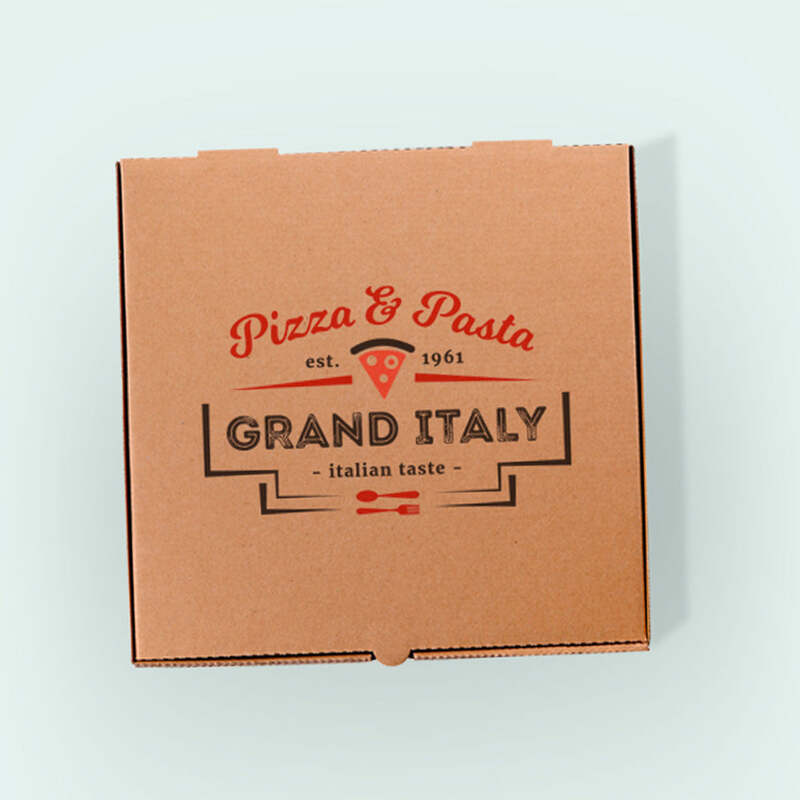
What “digital overprinted” means (and why it matters)
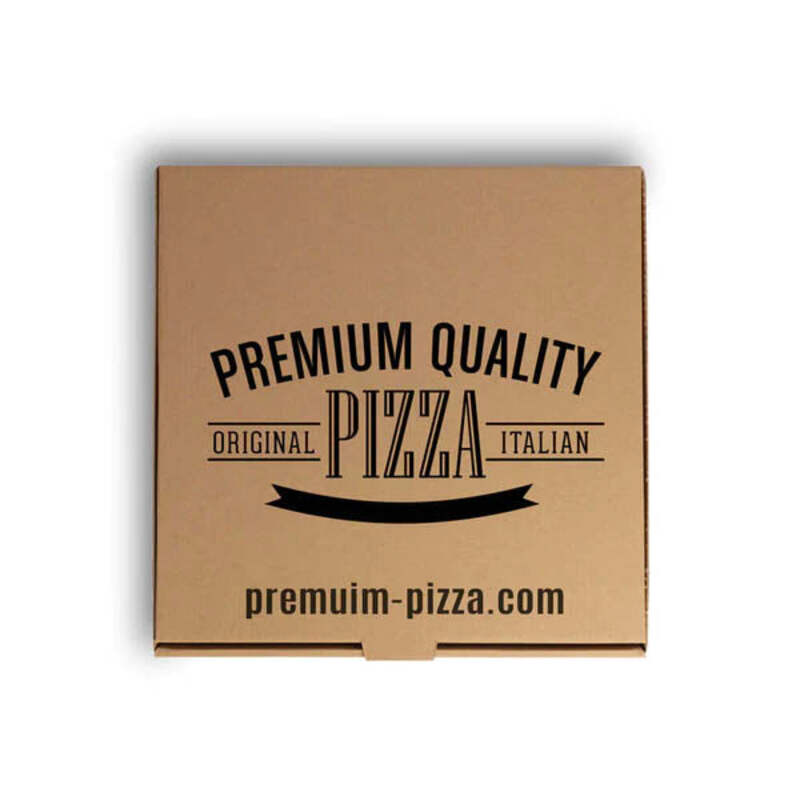
Overprinting here means digitally printing graphics on pre-die-cut, pre-glued pizza box blanks. No plates, quick artwork swaps, and sharp CMYK (plus optional white) imagery—great for seasonal campaigns, influencer collabs, QR-led promos, or just keeping your brand fresh. To be honest, the agility is what kitchens love: you can push a new design on Friday and run it Monday.
Materials, methods, and standards
- E-flute corrugate ≈ 1.6–1.8 mm, food-contact kraft liners
- Water-based, low-odour inks; EuPIA GMP-aligned, designed for indirect food contact
- Barrier options: water-based grease-resistant coating (real-world pizza use may vary)
- Testing: ECT, compression, Cobb60 water absorption, grease resistance (TAPPI Kit value)
- Compliance: ISO 9001 QA, FSC/PEFC chain-of-custody available, food-contact guidance per FDA/EU
- Origin: Building 1, 710 Lane XinSongjiang Road, Songjiang, Shanghai 201612
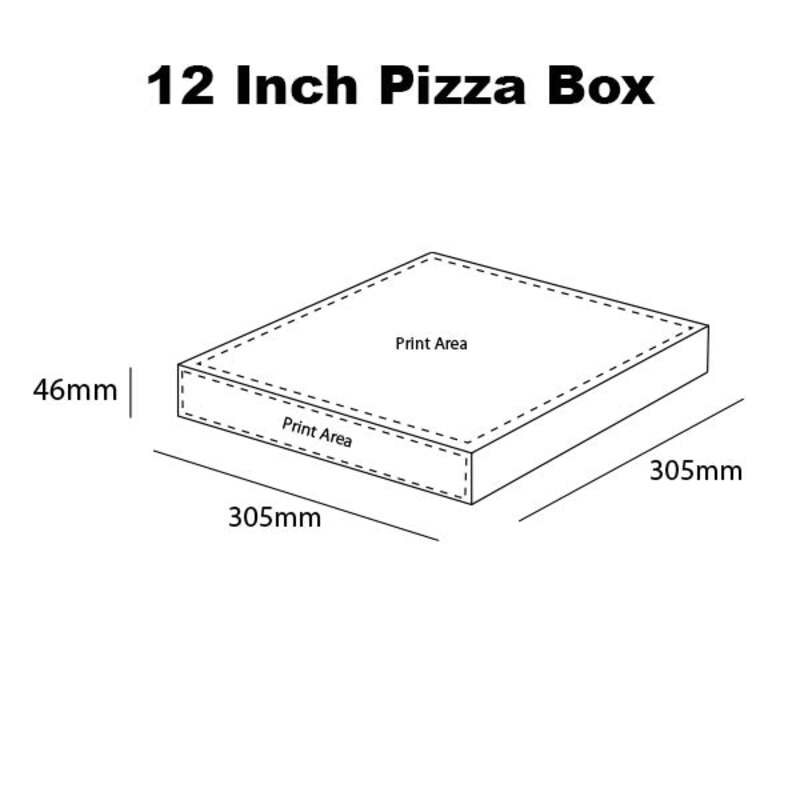
Product specs at a glance
| Parameter | Spec (≈) | Notes |
|---|---|---|
| Pizza size | 12-inch | FEFCO 0427 style closure |
| Board | E-flute, 1.6–1.8 mm | Kraft/Kraft or White/Kraft liners |
| Recycled content | 60–90% | FSC Mix on request |
| Digital CMYK (+W) | Photo-grade overprint | |
| Grease resistance | Kit 6–8 | TAPPI T559 |
| Cobb60 | < 30 g/m² | With barrier coat |
| ECT rating | 23–32 ECT | Typical for E-flute |
| Temperature | Up to ~90°C | Short-term contact |
| Storage life | 12–18 months | Dry, 40–60% RH |
Where they shine
Independent pizzerias, ghost kitchens, stadium concessions, brand collabs, and pop-ups. Variable data makes QR-led offers and unique codes easy—surprisingly effective for loyalty programs.
Process flow, briefly
- Artwork & dieline check (colour profiles, QR tests, legibility)
- Substrate selection (kraft tone, barrier level, FSC option)
- Digital overprint on blanks; low-odour inks; quick switchover
- QC & tests: ECT, compression, Cobb, Kit; print adhesion rub test
- Packing & palletization; moisture-controlled wrap
- Dispatch from Shanghai site; lead time often 7–12 days depending on run
A quick vendor snapshot
| Criteria | Bulk Buy Packaging | Aggregator A | Local Printer B |
|---|---|---|---|
| MOQ | ≈ 250–500 | ≈ 1,000 | Varies (often 300–600) |
| Turn time | 7–12 days | 10–20 days | 5–14 days |
| Food-ink compliance | EuPIA/FDA aligned | Mixed | Varies |
| FSC option | Yes | Sometimes | Ask |
| Approx. price/1K | $$ (design-dependent) | $$$ | $$–$$$ |
Real-world note
A London pop-up (3,000 boxes) used 12 Inch Digital Printed Pizza Boxes (Overprinted) with variable QR art; scans rose 11% versus their plain stock, and kitchen staff said steam didn’t wash out the colours. They also reported fewer grease halos—around 20% less visible staining—after moving to the barrier-coated option. It’s not clinical lab data, but it tracks with what we see across hospitality clients.
Care and shelf life
Store flat at 5–30°C and 40–60% RH, off the floor. Keep away from open heat sources. Typical shelf life is 12–18 months. And yes, they’re recyclable in most fibre streams; de-inking is generally straightforward.
If you need branding agility with food-safe confidence, 12 Inch Digital Printed Pizza Boxes (Overprinted) are, frankly, the sweet spot between speed and showmanship.
Authoritative references
- ISO 22000: Food safety management systems – Requirements.
- FEFCO Code: International Fibreboard Case Code (0427 pizza-style).
- EuPIA Good Manufacturing Practice for Printing Inks for Food Contact Materials.
- TAPPI T 559: Grease resistance of paper (Kit test method).
- FDA 21 CFR 176.170: Components of paper and paperboard in contact with aqueous and fatty foods.
