


Why event teams are switching to RPET: a field note on 12oz cups that don’t quit
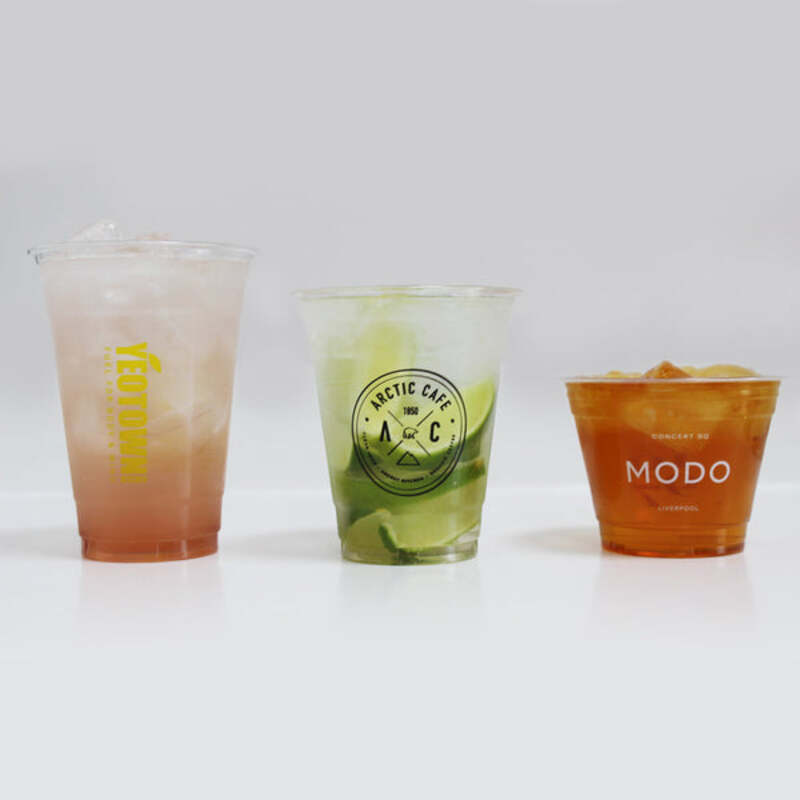
If you run bars at festivals or manage corporate activations, you already know the brief: fast service, clean branding, less waste. That’s why I took a closer look at the 12oz Personalised Plastic Cups - RPET 100% Recyclable. Honestly, they’re the kind of “quiet upgrade” operations people rave about after a long weekend shift.
What’s changed in the industry
Two big shifts: brands want measurable sustainability, and venues want cups that don’t crack under pressure (or cold). RPET—recycled polyethylene terephthalate—has become the pragmatic middle ground: clear like virgin PET, but made from recycled content and itself recyclable in the PET stream. In fact, many buyers now ask for chain-of-custody and migration test reports upfront, which, to be honest, is a good thing.
Specs that matter on a busy bar
| Parameter | Spec (≈ / real-world use may vary) |
|---|---|
| Capacity | 12oz (≈355 ml) to fill line |
| Material | Food-grade RPET; recycled content ≈50–100% |
| Rim / Diameter | Rolled rim; ≈95 mm top OD, ≈60 mm base |
| Wall thickness | ≈0.25–0.30 mm |
| Temperature window | 0–60°C recommended; not for hot-fill coffee/tea |
| Top-load test | ≥55 N before rim deformation (lab avg. 58 N) |
| Impact (drop) | 10/10 passes from 1.2 m at 5°C, filled, lid-on |
| Clarity (haze) | <2% typical; print doesn’t bleed under condensation |
| Shelf life | 24 months, cool/dry storage away from UV |
| Certs & compliance | EU 10/2011, FDA 21 CFR (PET), ISO 9001, BRCGS Packaging; recyclable per EN 13430 |
How they’re made (short version)
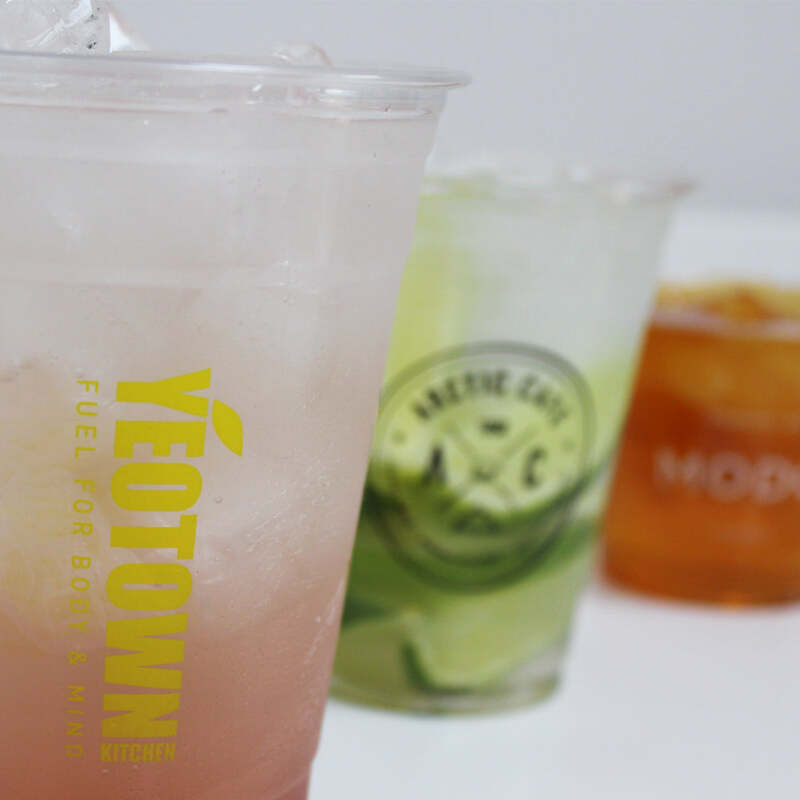
RPET flakes are washed and sorted, extruded into sheet, then thermoformed. Cups get a rolled rim for lid fit and strength. Printing is typically UV-offset or flexo with low-odor inks; migration testing is run per EU 10/2011. Random top-load and impact tests are pulled hourly. Service life is “single-use,” but the material loops back into the PET stream. Origin: Building 1, 710 Lane XinSongjiang Road, Songjiang, Shanghai 201612.
Where they shine
- Festivals, stadiums, arenas (smoothies, beer, cocktails, soft drinks)
- QSR and coffee chains for iced beverages
- Brand launches—fast-turn custom prints with crisp PMS colors
Many customers say the prints hold up surprisingly well in ice baths. I’ve seen that too—no ink lift, even after hours.
Customization and lead times
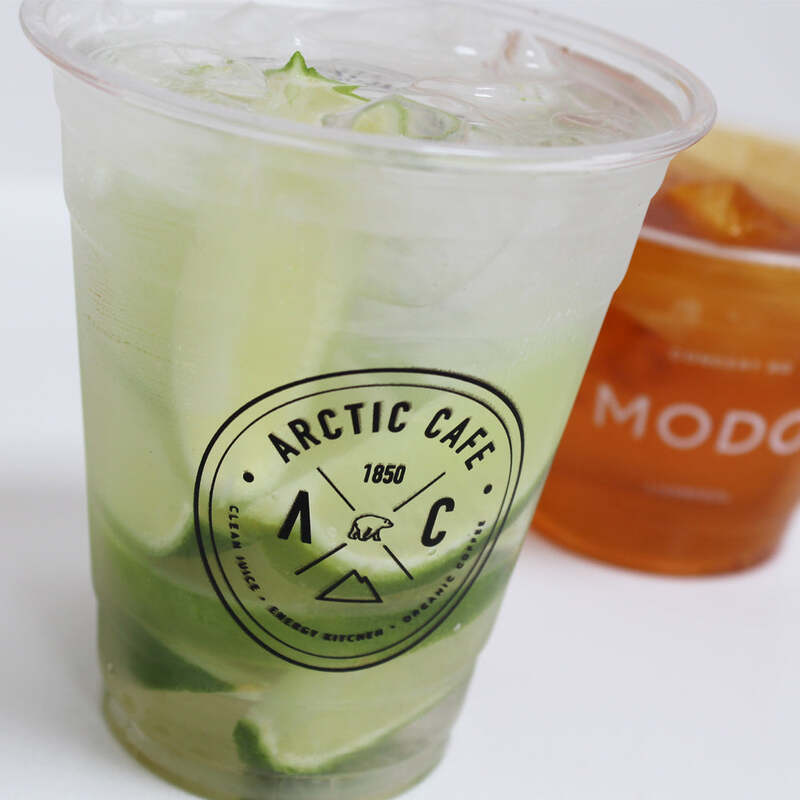
Up to 4–6 spot colors is common; full-wrap designs look sharp on this substrate. Typical MOQs start around 5,000–10,000 units. Lead time? Around 10–15 business days after artwork sign-off, faster on repeats. To be honest, it’s the artwork approvals that delay most projects, not the presses.
Vendor snapshot (quick compare)
| Vendor | Print colors | MOQ | Lead time | Recycled content | Certs |
|---|---|---|---|---|---|
| Bulk Buy Packaging (12oz Personalised Plastic Cups - RPET 100% Recyclable) | Up to 6 spot | ≈5k | 10–15 days | 50–100% | EU 10/2011, BRCGS |
| Vendor A | 4 spot | 10k | 3–4 weeks | 30–50% | ISO 9001 |
| Vendor B | 6 spot + CMYK | 15k | 2–3 weeks | Up to 100% | EU/FDA |
Notes: values are indicative; real-world availability may vary by season and region.
Field feedback and a quick case
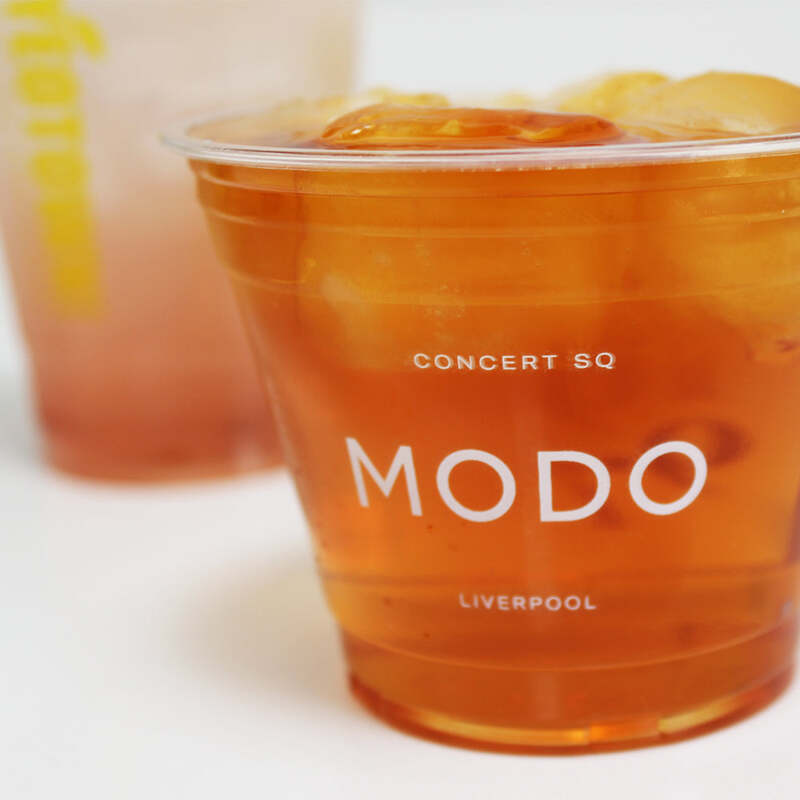
A London street food market switched 40,000 units/month to these cups. Complaints about cracking dropped to near-zero; sorting crews liked the clear “PET” mark for recycling. Brand team noted better color fidelity on the second run (they tweaked ink density by 8%).
Common customer notes: “Good grip, no rim wobble,” and “prints don’t smudge on condensation.” I guess that’s what you want when you’re serving mojitos at pace.
Bottom line
If you need speed, clarity, and an audit-friendly sustainability story, 12oz Personalised Plastic Cups - RPET 100% Recyclable make a solid, no-drama choice.
Authoritative citations
- EU Regulation No 10/2011 on plastic materials intended to come into contact with food.
- FDA 21 CFR 177.1630 – Poly(ethylene terephthalate) polymers.
- EN 13430: Requirements for packaging recoverable by material recycling.
- ISO 9001:2015 Quality management systems – Requirements.
- BRCGS Packaging Materials Global Standard (Issue 6+).
- ISO 14021: Environmental labels and declarations — Self-declared environmental claims (including recycled content).
