How does a brand differentiate itself in a saturated takeaway market where the product tastes similar across competitors? The answer often lies in the tactile experience of the packaging. For businesses in the paper products manufacturing sector, custom food packaging bags are not merely containers but are strategic touchpoints that communicate brand value, quality, and environmental commitment before the customer even tastes the food.
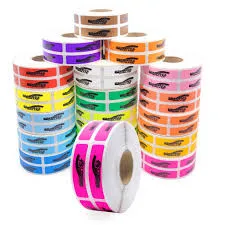
The shift toward personalized packaging is driven by the rise of street food vendors, boutique cafes, and e-commerce food stores that require high-visibility branding to capture attention in digital and physical spaces. When integrated with a broader ecosystem of supplies—including custom printed stickers, kraft paper, and specialized containers—these bags create a cohesive brand identity that fosters customer loyalty and increases the perceived value of the offering.
Navigating the procurement of these materials requires a balance between aesthetic appeal, food safety compliance, and cost-efficiency. This guide analyzes the technical requirements and strategic advantages of implementing custom food packaging bags to help business owners optimize their brand presence while maintaining sustainable operational standards.


Food-grade paper packaging is engineered to provide a hygienic barrier between the product and the external environment while maintaining the structural integrity of the food. Unlike standard paper, these materials are often treated or selected for their ability to resist grease, moisture, and heat, ensuring that the packaging does not degrade or contaminate the food items it holds.
The manufacturing process involves the selection of FSC-approved fibers and the application of food-safe inks, such as CMYK 4-colour prints, which are odourless and non-toxic. This ensures that the branding on the bag does not interfere with the sensory experience of the food, a critical requirement for high-end cafes and restaurants where quality control is paramount.
The effectiveness of custom food packaging bags depends on several technical variables. Material weight (GSM) determines the bag's strength and capacity, preventing tears when carrying heavier items. Furthermore, the choice between matte or gloss finishes impacts not only the visual appeal but also the tactile grip and moisture resistance of the surface.
The most critical performance indicator is the synergy between the paper's porosity and the ink's adhesion. High-resolution printing must be paired with materials that prevent ink bleed, ensuring that logos remain sharp and brand colors remain consistent across thousands of units.
Additionally, the sealing method—whether heat-sealed or glued—must be robust enough to withstand the weight of the contents and the temperature fluctuations common in takeaway delivery. For frozen treats or hot snacks, the packaging must maintain its shape without becoming soggy or brittle.
When comparing different packaging options, businesses must evaluate the trade-off between cost and brand impact. High-resolution full-color printing increases visibility but requires a more precise manufacturing process. In contrast, single-color prints on kraft paper offer a "natural" look that appeals to eco-conscious consumers while reducing production costs.
The following data represents the relative impact of different packaging attributes on consumer brand perception, highlighting how visual presentation often outweighs basic utility in the decision-making process for boutique food services.
Custom packaging delivers the most value in high-traffic commercial environments. For street food vendors and mobile caterers, a branded bag acts as a walking billboard, extending the marketing reach beyond the physical stall. In these scenarios, bold colors and high-contrast logos are essential to ensure the brand is recognizable from a distance.
Conversely, in boutique gift shops or high-end bakeries, the focus shifts toward a minimalist aesthetic. Here, custom food packaging bags often use matte finishes and subtle embossing to convey luxury and exclusivity. The packaging becomes part of the product experience, encouraging customers to share photos on social media, which provides organic, user-generated marketing.
Sustainability is no longer an optional feature but a core requirement in the paper products manufacturing industry. The transition toward 100% recyclable and FSC-approved materials is driven by both regulatory pressure and consumer demand. Biodegradable options are increasingly replacing plastic-lined papers to ensure that packaging can be composted or recycled without leaving harmful residues.
Modern design trends are also moving toward "functional minimalism," where the packaging design reduces ink usage without sacrificing brand recognition. This approach not only lowers the environmental footprint but also creates a clean, contemporary look that aligns with modern health-conscious and eco-friendly food trends.
Future developments are likely to include smarter materials that can indicate food freshness or temperature, further integrating technology into the traditional paper bag format to enhance food safety and reduce waste in the supply chain.
Many small businesses struggle with high minimum order quantities (MOQs) and the complexity of artwork preparation. The gap between a creative vision and a printable file often leads to production delays or errors in color reproduction. To solve this, partnering with suppliers who offer free PDF proofs and professional design assistance is critical.
Another common challenge is the lead time for custom orders. Standard production cycles can be long, which is problematic for seasonal promotions. Implementing a structured ordering calendar and maintaining a baseline stock of generic bags that can be personalized with custom stickers is a practical hybrid solution for managing inventory.
Lastly, ensuring consistency across different product lines—such as matching the color of a paper bag to a printed cup—requires a supplier with integrated manufacturing capabilities. Using CMYK standardized printing helps maintain brand uniformity across the entire packaging suite.
| Requirement | Eco-Friendly Option | Premium Option | Budget Option |
|---|---|---|---|
| Material | Recycled Kraft | Coated Art Paper | Standard Paper |
| Print Style | Single Color | Full CMYK | Simple Logo |
| Finish | Natural Matte | Soft Touch/Gloss | Uncoated |
| Lead Time | Moderate | Longer | Short |
| Brand Value | Sustainability | Luxury/Exclusivity | Utility/Value |
| Best For | Organic Cafes | High-end Boutiques | Fast Food Stalls |
Food-safe packaging is characterized by the use of non-toxic, odourless inks and dyes that do not migrate into the food. It must be manufactured from materials that are approved for direct food contact and comply with safety standards, ensuring that no harmful chemicals leach into the product during storage or transport.
Yes, provided the material is selected correctly. Paper bags are generally excellent for dry hot and cold foods. However, for items with high moisture or grease content, a grease-resistant lining is recommended to prevent the bag from softening, which ensures the packaging remains durable regardless of the food temperature.
CMYK printing allows for a full spectrum of colors, enabling the reproduction of complex logos and high-resolution images. This is essential for brands that have specific corporate color palettes, as it ensures the printed output matches the digital brand identity with high precision across large batches.
The best practice is to provide artwork in vector formats such as AI or PDF. This ensures that the logo can be scaled to any size without losing resolution. If you lack design software, many suppliers offer design services where you provide a logo and they create the professional layout for your approval via a PDF proof.
FSC (Forest Stewardship Council) certification ensures that the paper is sourced from responsibly managed forests that provide environmental, social, and economic benefits. Using FSC-approved paper reduces the risk of deforestation and promotes biodiversity, allowing brands to legitimately claim a commitment to sustainable sourcing.
A standard lead time is typically around 15 working days from the moment the artwork is approved. This period covers the plate making, printing, drying, and quality control processes. To avoid delays, it is recommended to approve proofs quickly and order in larger quantities to cover peak business seasons.
Custom food packaging bags serve as a vital bridge between a product's quality and the customer's perception of the brand. By focusing on material durability, food safety, and high-resolution design, businesses can transform a simple utility into a powerful marketing tool. The integration of sustainable materials and precise printing not only meets regulatory demands but also aligns the brand with the values of the modern, eco-conscious consumer.
For entrepreneurs looking to scale their presence, selecting a partner who understands the nuances of the paper products manufacturing industry is key. Whether you are updating your current branding or launching a new venture, exploring high-quality, customizable options at https://www.bulkbuypackaging.com can help you achieve a professional look that drives growth and customer loyalty.