


Logo-forward sustainability: why branded wooden forks are having a moment
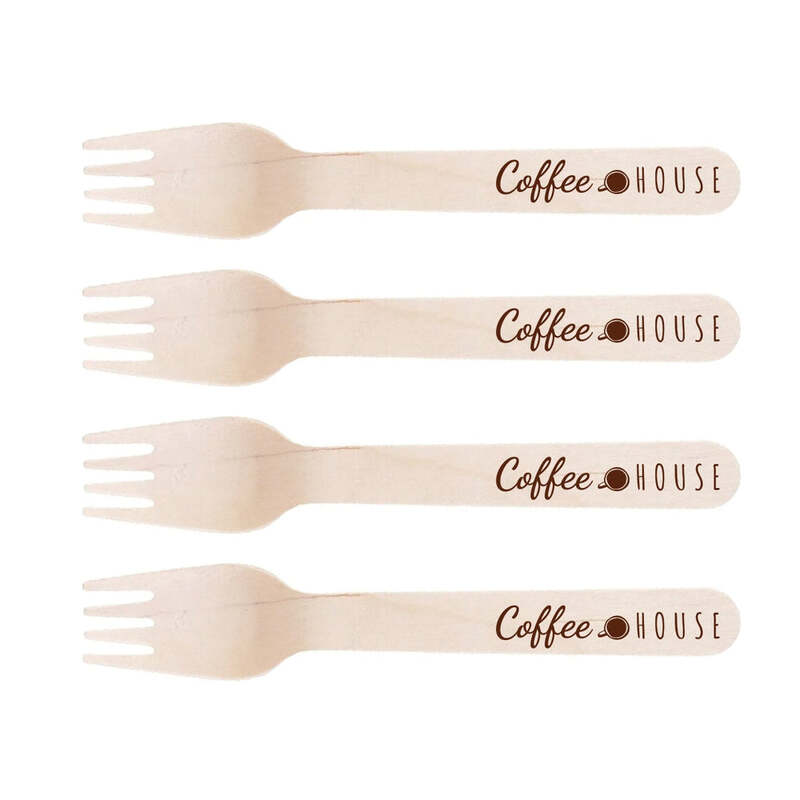
I’ve watched a lot of packaging trends come and go, but Branded cutlery - disposable wooden forks have quietly become a staple. In fact, they’re the rare crossover: eco-first yet unmistakably on-brand. Restaurants tell me they like the feel and the look—clean, slightly tactile, and surprisingly premium for something you use once. And to be honest, the shift away from plastic isn’t just ethical; it’s practical branding.
What’s driving the switch
Regulatory pressure (hello, single-use plastics restrictions), customer expectations, and the rise of brandable natural materials—those three forces are reshaping front-of-house. Many customers say a subtle laser-etched logo on Branded cutlery - disposable wooden forks gets snapped for social, which is free reach. And operators like that wood plays nicely with everything from poke bowls to street food.
Materials and process flow (the insider version)
Origin: Building 1, 710 Lane XinSongjiang Road, Songjiang, Shanghai 201612. Typically birch or poplar from FSC-managed forests; moisture content kept around 8–12% for dimensional stability. Below is the simplified run:
- Sourcing & kiln-drying: FSC/PEFC-certified veneer, dried to spec.
- Die-cutting & forming: fork profile stamped; tines precision-cut.
- Sanding & deburring: multi-pass sanding to reduce splinters.
- Branding: laser engraving (crisp, no inks) or food-contact ink print (soy/vegetable-based, low-migration).
- QA & testing: splinter count, migration tests, tensile/flex checks.
- Packing & sealing: wrapped in paper or bulk in cartons, humidity-controlled.
Product specifications (typical)
| Length | ≈160 mm (options: 140/160/180 mm) |
| Thickness | ≈1.6–1.8 mm |
| Wood species | Birch or poplar, FSC/PEFC sourced |
| Branding methods | Laser engraving; 1–2 color food-contact printing (PMS ≈ match) |
| Heat tolerance | Up to ≈90°C hot foods; real-world use may vary |
| Compostability | Industrial compostability pathway; wood is biodegradable |
| Shelf life | ≈24 months in dry storage (RH 40–60%) |
Testing, compliance, and real numbers
- Food-contact compliance: EU Framework Regulation EC 1935/2004; facility-level ISO 22000 or HACCP systems where applicable.
- Migration & heavy metals: inks screened to EN 71-3; low-migration formulations.
- Splinter and surface smoothness: AQL sampling; typical splinter defects
- Compostability: aligns with EN 13432 principles; biodegradation per ISO 14855 benchmarks (wood naturally passes aerobic breakdown).
Quick note: wood is, well, wood. It can vary slightly by grain and tone. That’s part of the charm, if you ask me.
Where these forks shine
Usage scenarios include QSR launches, corporate catering, food trucks, festivals, airline meal service, and gelato/ice-cream pop-ups. One café group told me their guests “noticed the laser logo immediately,” and customer surveys suggested higher perceived quality at takeaway. Surprisingly, even simple one-color prints carry far.
Vendor snapshot (what to look for)
| Vendor | MOQ | Lead time | Branding | Certifications |
|---|---|---|---|---|
| Bulk Buy Packaging | ≈5,000–10,000 | ≈2–4 weeks after artwork | Laser; 1–2 color print | FSC, ISO 22000 (facility), EU food-contact |
| Generic importer | ≈20,000+ | 4–8 weeks | Limited print, no laser | Varies; check docs closely |
| Local print shop | ≈1,000–5,000 | 1–2 weeks | Ink print only | Often FSC; verify food inks |
Customization tips that save headaches
- Artwork: vector AI/PDF/SVG; stroke widths ≥0.2 mm for laser clarity.
- Print: 1–2 spot colors, PMS ≈ matched; avoid full floods (ink taste risk).
- Placement: handle print reads best; tine area is high-wear.
- Packing: paper wrap for premium sets; bulk for high-volume QSR.
If you’re aligning sustainability reports, specifying FSC and documenting food-contact compliance for Branded cutlery - disposable wooden forks makes procurement audits smoother.
Final take
Wooden forks aren’t a fad—they’re a functional brand canvas with a lighter footprint. Actually, when the tactile experience matches your brand voice, people notice. And remember: good sanding and verified inks matter as much as the logo.
- Regulation (EU) 2019/904 on single-use plastics.
- EC 1935/2004 on materials intended to come into contact with food.
- FSC Principles and Criteria for Forest Stewardship, Forest Stewardship Council.
- ISO 22000:2018 Food safety management systems.
- EN 13432:2000 Requirements for packaging recoverable through composting and biodegradation; ISO 14855 biodegradability testing.
