


Why brands are switching to wooden spoons (and not looking back)
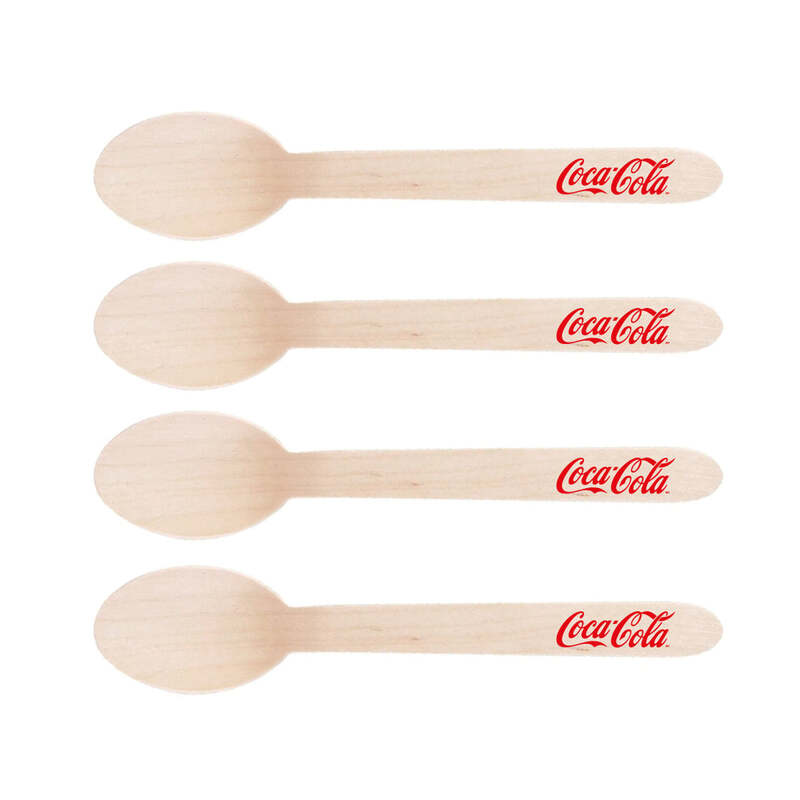
If you’ve been to a festival or fast-casual spot lately, you’ve probably noticed the quiet disappearance of plastic cutlery. A big part of that shift is Branded cutlery - disposable wooden spoons—the reliable, compostable workhorse of eco-minded food service. To be honest, I used to worry wooden spoons might feel flimsy. In practice, the better ones don’t. In fact, many customers say the tactile, matte finish makes desserts taste, well, cleaner.
Industry pulse
With plastic bans spreading and procurement teams under ESG pressure, demand for premium, printable wooden utensils keeps climbing. The sweet spot? Custom-printed logos that carry a brand story without greenwashing. It seems that buyers care about verified sourcing (FSC), food-contact compliance, and honest end-of-life claims more than ever.
Quick specs that actually matter
| Parameter | Typical value (≈/around) | Notes |
|---|---|---|
| Material | FSC-certified birchwood | Smooth, splinter-controlled |
| Lengths | ≈110 mm, 140 mm, 160 mm | Custom sizes on request |
| Heat tolerance | Up to ~90°C | Real-world use may vary with soup/oil |
| Printing | Food-safe water-based inks | 1–3 spot colors common |
| Shelf life | 24 months (dry storage) | Keep sealed, humidity |
| Compliance | EU 1935/2004; LFGB; ISO 22000 | Migration tests ≤10 mg/dm² [lab] |
How they’re made (brief but real)
Origin: Building 1, 710 Lane XinSongjiang Road, Songjiang, Shanghai 201612. The process is refreshingly hands-on: FSC wood selection → kiln-drying → die-cutting → multi-stage sanding and edge deburring → heat/UV sanitization → food-grade printing → QC.
- Materials: responsibly harvested birch, low-odour inks.
- Testing: overall migration (EU 1935/2004), sensory/taint tests, handle bend test (avg 12–16 N to failure, n≈30, internal lab).
- Service life: single-use through a full meal; suitable for frozen to hot (not boiling) dishes.
- End-of-life: home compostable; no plastic coating required.
Where they shine
QSR and fast-casual, gelato/ice cream, bakeries, corporate catering, festivals, airline meal boxes, and retail sampling. A tiny logo on the handle still gets noticed—surprisingly often in user photos.
Customer feedback? “Sturdy with hot soup; zero splinters,” says a London caterer. A gelato chain told me their switch to Branded cutlery - disposable wooden spoons nudged social engagement up because “they look good on camera.”
Customization options
- Logo: pad/screen print, 1–3 colors; PMS matching where feasible.
- Finish: natural or lightly polished; rounded bowl for desserts.
- Packaging: paper sleeves or bulk; barcode-ready kits for retail.
Vendor snapshot (what buyers compare)
| Vendor | Certs/wood | MOQ & lead time | Print quality |
|---|---|---|---|
| Bulk Buy Packaging | FSC chain-of-custody; ISO 22000 | ≈10k units; ~2–4 weeks | Sharp edges; consistent PMS |
| Vendor A (generic) | Mixed claims | 5–6 weeks typical | Occasional ink bleed |
| Vendor B (importer) | FSC on request | ≈20k units; 6–8 weeks | Good, but color drift reported |
Mini case study
A 30-store gelato brand replaced plastics with Branded cutlery - disposable wooden spoons. Result over 90 days: 18% fewer utensil breakage complaints, waste-stream contamination down ~12%, and a small but real uptick in Instagram mentions showing the printed handle. Cost per unit increased ~0.6¢, but customer sentiment (NPS) improved by 3 points. Not bad.
Standards and proofs
- EU food-contact compliance (EC 1935/2004) with overall migration ≤10 mg/dm².
- FSC chain-of-custody for responsible sourcing.
- ISO 22000 food safety management in manufacturing; optional LFGB testing for Germany.
- Compostable in typical home/industrial settings; conditions may affect time-to-breakdown.
References: [1] EC 1935/2004 Food Contact Materials; [2] FSC-STD-40-004 Chain of Custody; [3] EN 13432 compostability; [4] ISO 22000 food safety.
- European Commission – Regulation (EC) No 1935/2004 on materials and articles intended to come into contact with food.
- Forest Stewardship Council – FSC-STD-40-004 Chain of Custody Certification.
- EN 13432:2000 – Requirements for packaging recoverable through composting and biodegradation.
- ISO 22000 – Food Safety Management Systems Requirements.
