


Custom Printed Greaseproof Sheets: the small detail QSR brands obsess over now
If you’ve ever wondered why some burgers photograph better than others, here’s a not-so-secret ingredient: burger wrapper printing. I’ve toured plants that make the stuff—one of them in Songjiang, Shanghai (Building 1, 710 Lane XinSongjiang Road)—and, to be honest, the mix of food-safety science and brand theater is fascinating.
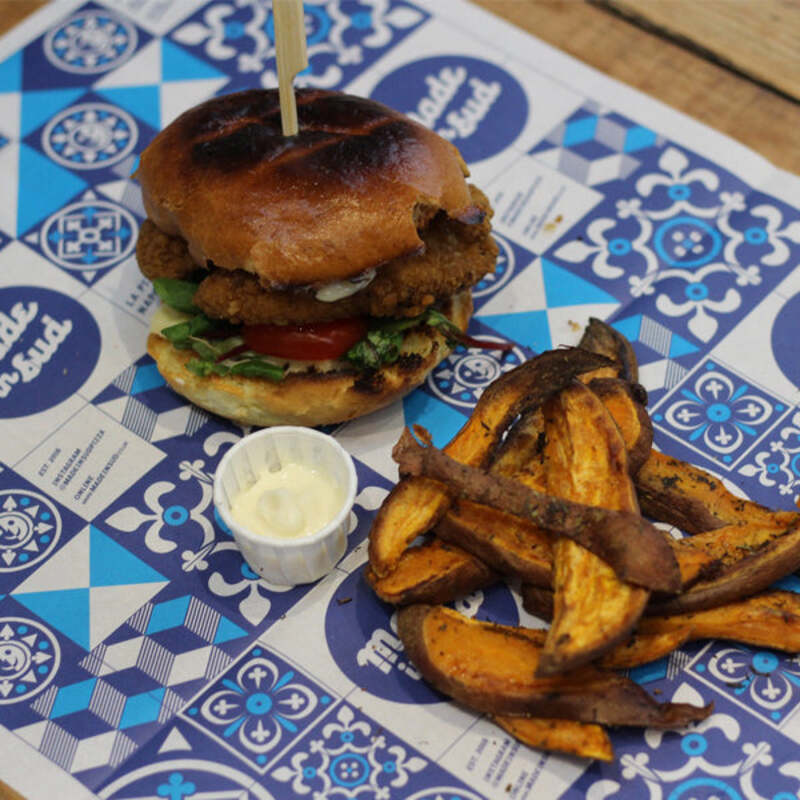
What’s trending right now
- Short runs with fast turnarounds for limited-time offers and seasonal menus.
- Sustainability claims that hold up under scrutiny—FSC sourcing, water-based inks, and food-contact compliance.
- Sharper color control for social-first branding; Pantone matching is no longer “nice to have.”
Bulk Buy Packaging’s Express Custom Printed Greaseproof Sheets (335 x 250mm) sit right in the sweet spot for burger chains, cafes, and food trucks. Actually, many customers say the format doubles nicely as basket liners or deli sheets—handy when service gets hectic.
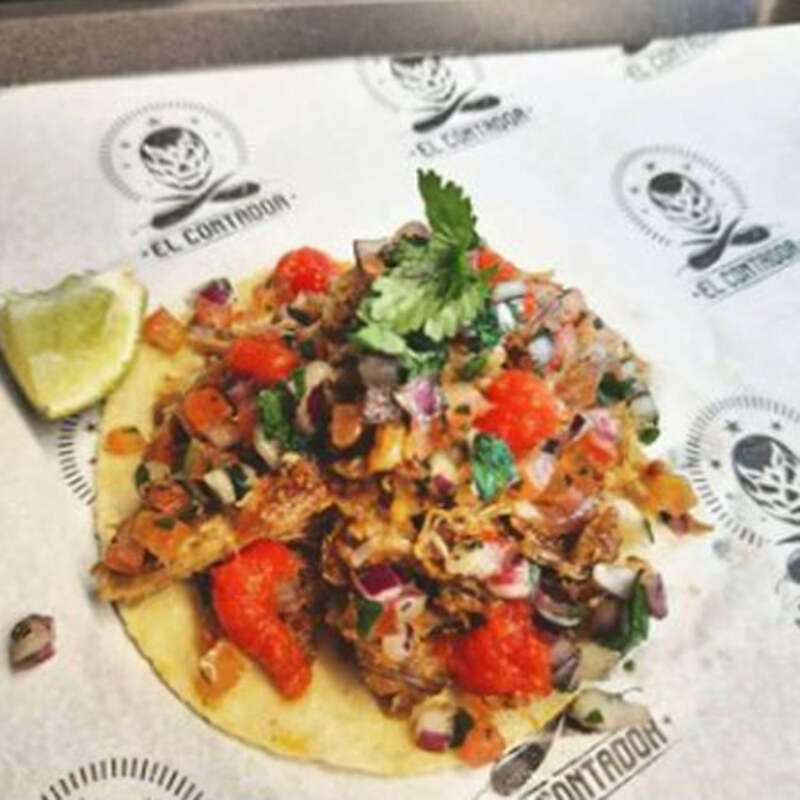
Product snapshot (specs that matter)
| Product | Custom Printed Greaseproof Sheets – 335 x 250mm |
| Material | Greaseproof paper, ≈30–40 gsm (real-world use may vary) |
| Printing | Flexographic, up to 4 colors; water-based, low-odor inks |
| Compliance | FDA 21 CFR 176.170, EU 1935/2004, ISO 22000-managed facility (typical) |
| Grease resistance | Kit test (TAPPI T559) target ≈ 6–9 |
| Shelf life | ≈18–24 months unopened; store cool/dry |
| Origin | Songjiang, Shanghai 201612 |
How the process works (quick flow)
- Brief & dieline: confirm 335 x 250mm layout and bleed.
- Prepress: Pantone targets, trap, overprint checks; proof sign-off.
- Plate making: HD flexo plates for clean type on thin stock.
- Printing & curing: low-MOSH/MOAH inks; tight web tension.
- QC & testing: Kit test, Cobb60 (water) often ≤30 g/m², migration screening.
- Cut, count, pack: food-safe wrap, carton label traceability.
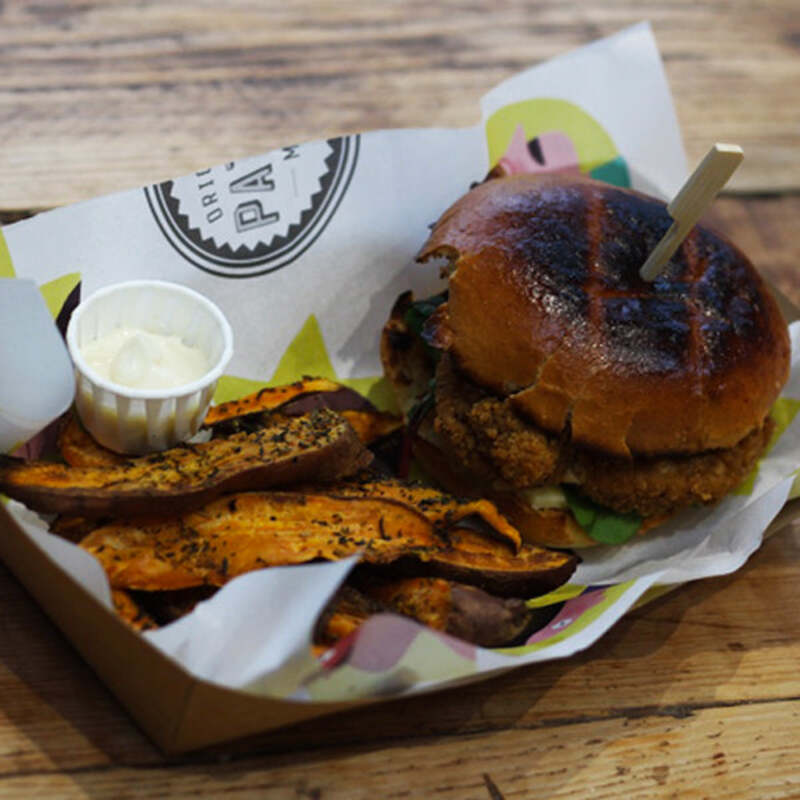
Where these sheets shine
- Smash burgers, fried chicken sandwiches, breakfast muffins. - Liner for baskets and to-go clamshells. - Bakery items that “weep” oil. With burger wrapper printing, you keep grease from telegraphing through and still get crisp logos in photos. Surprisingly, it helps with perceived quality; people instinctively trust clean packaging.
Vendor comparison (quick reality check)
| Vendor | MOQ | Lead time | Colors | Certs (typical) | Notes |
|---|---|---|---|---|---|
| Bulk Buy Packaging | ≈5k–10k | Express, often 10–15 days | Up to 4 | FDA/EU, ISO 22000 | Balanced price, steady QC |
| Local Digital Shop | ≈1k–3k | 3–7 days | 1–2 | Varies | Great for pilots, higher unit cost |
| Overseas OEM Aggregator | ≥20k | 20–35 days | Up to 6 | Claims vary | Lowest unit price; watch comms/QC |
Field notes and mini case studies
A Brisbane burger bar switched to burger wrapper printing with a bolder 1-color logo. Instagram saves went up (their words) and they reported fewer complaints about soggy liners. In another trial, a regional chain logged Kit values of 7–8 on incoming QC and saw ≈12% fewer “grease show-through” incidents during peak service. Not lab-perfect, but in real kitchens, that’s meaningful.
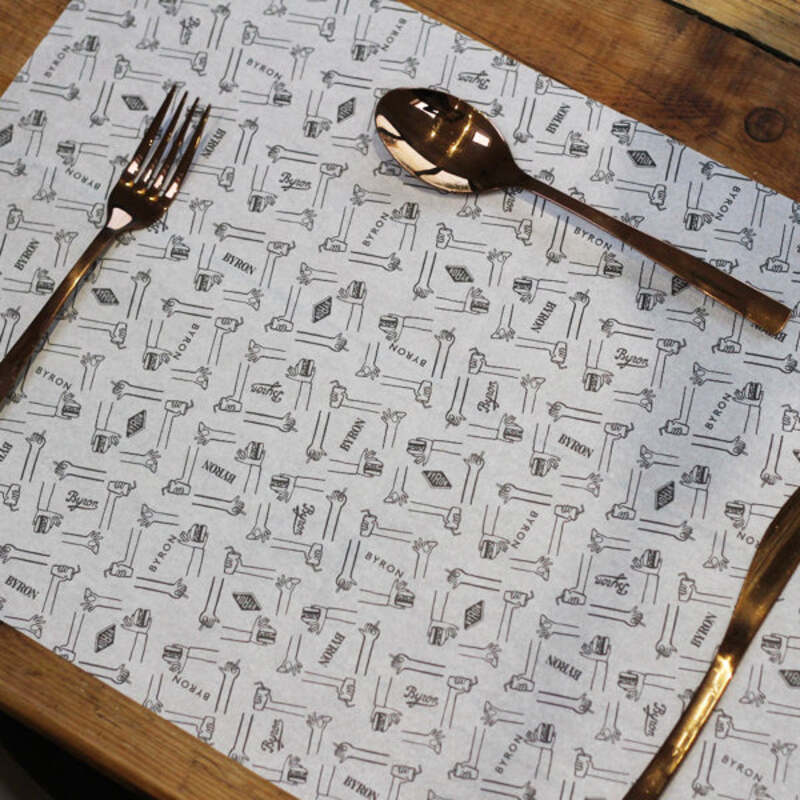
Compliance, testing, and what to ask your supplier
- Food contact: FDA 21 CFR 176.170 and EU 1935/2004 declarations.
- Grease resistance: TAPPI T559 Kit test values on each lot.
- Hygiene: ISO 22000 or HACCP; migration screening for fatty foods.
- Paper sourcing: FSC chain-of-custody on request.
Final tip: keep artwork high-contrast. On thin greaseproof, fine tints can look shy once the wrapper hits heat and oil. With burger wrapper printing, simple usually wins.
References: [1] FDA 21 CFR 176.170. [2] Regulation (EC) No 1935/2004. [3] TAPPI T559 (Kit Test). [4] ISO 22000:2018. [5] FSC-STD-40-004.
