


Food Packaging Printing Companies: A Comprehensive Guide
In today's competitive food industry, attractive and functional packaging is paramount. Choosing the right food packaging printing companies is crucial for brand recognition, product protection, and compliance with regulatory standards. This article will explore the key factors to consider when selecting a printing partner, covering materials, techniques, and industry best practices. We’ll guide you through making an informed decision to ensure your product stands out on the shelf and maintains its quality throughout the supply chain.
Understanding Your Food Packaging Needs
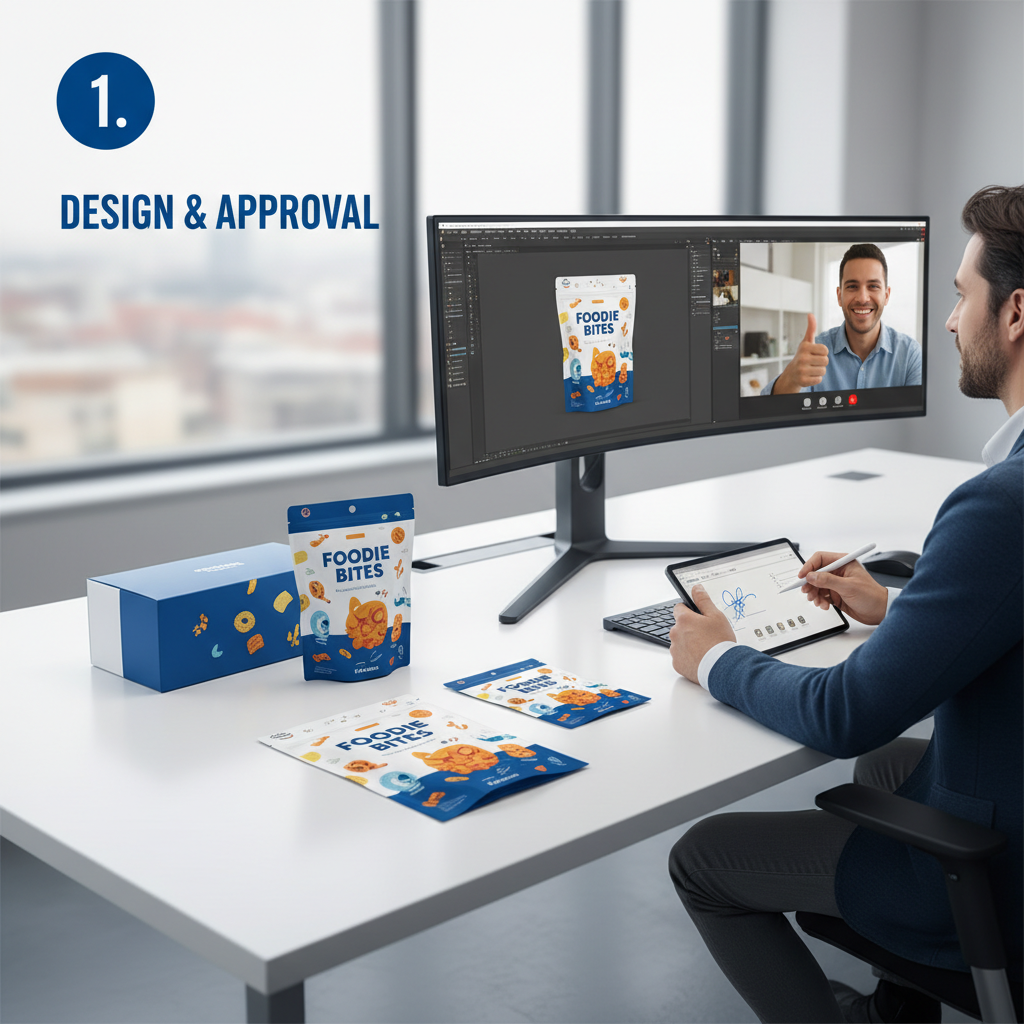
Before contacting potential food packaging printing companies, it’s vital to clearly define your requirements. Consider the type of food product, its shelf life, shipping conditions, and target audience. The packaging material must protect against moisture, oxygen, light, and physical damage. Furthermore, regulatory compliance (e.g., FDA regulations) is non-negotiable. Think about branding elements, including color schemes, logos, and product information. A well-defined brief will streamline the selection process and ensure you receive accurate quotes.
Key Considerations: Defining your needs upfront will save time and money. Think about product protection, regulatory compliance, and branding objectives.
Common Food Packaging Materials & Printing Techniques
Several materials are commonly used for food packaging, each with its own strengths and weaknesses. These include plastics (PET, HDPE, PP), paperboard, aluminum foil, and flexible films. The choice depends on the product's characteristics and desired shelf life. Printing techniques include flexography, rotogravure, digital printing, and offset printing. Flexography is cost-effective for large runs, while digital printing is ideal for short runs and personalized packaging. Bulk Buy Packaging offers expertise in various materials and printing methods to suit your specific needs.
Material & Printing Technique Overview:
• PET: Excellent clarity and barrier properties, commonly used for bottles and containers.
• HDPE: Durable and chemical-resistant, often used for milk jugs and detergent bottles.
• Flexography: Cost-effective for high-volume printing on various substrates.
• Digital Printing: Ideal for short runs, personalization, and quick turnaround times.
Key Factors When Choosing Food Packaging Printing Companies
Selecting the right partner requires careful evaluation. Consider their experience in the food industry, their quality control processes, their ability to meet your deadlines, and their pricing structure. Look for companies that are certified by relevant organizations (e.g., SQF, BRC). Ask for samples of their work and check their references. Reputable food packaging printing companies will prioritize food safety and offer solutions tailored to your specific needs.
Sustainability in Food Packaging Printing
Consumers are increasingly demanding sustainable packaging solutions. Consider food packaging printing companies that offer eco-friendly materials, such as recycled paperboard, biodegradable plastics, and compostable films. Explore options for reducing waste and minimizing your environmental footprint. Utilizing soy-based inks and water-based coatings are also environmentally responsible choices. Sustainable packaging demonstrates your commitment to environmental stewardship and appeals to eco-conscious consumers.
Conclusion: Partnering for Packaging Success
Choosing the right food packaging printing companies is a critical decision. By carefully considering your needs, evaluating potential partners, and prioritizing quality, sustainability, and regulatory compliance, you can ensure your product packaging protects your product, enhances your brand, and resonates with your target audience. Don’t hesitate to request quotes, samples, and references before making a final decision.
Frequently Asked Questions (FAQs)
What types of printing methods are best for flexible food packaging?
Flexography is the most common method due to its cost-effectiveness and ability to print on a wide range of flexible materials. Rotogravure offers higher quality for larger runs, while digital printing is ideal for short runs and variable data. The best choice depends on the volume, material, and desired print quality. Factors like the need for vibrant colors, fine details, or specialized inks also influence the decision.
How can I ensure my packaging meets food safety regulations?
Partner with a food packaging printing company that is certified by reputable organizations like SQF or BRC. They should use FDA-compliant materials and inks, and have robust quality control processes in place to prevent contamination. Always request documentation verifying compliance and ask about their procedures for handling food-grade materials.
What is the typical turnaround time for custom food packaging?
Turnaround time varies depending on the complexity of the project, the printing method, and the volume. Generally, expect a turnaround of 2-4 weeks for custom packaging. Digital printing offers faster turnaround times for short runs. It's crucial to discuss your deadlines with the printing company upfront to ensure they can meet your needs.
What file formats are preferred for submitting artwork?
Most food packaging printing companies prefer vector-based files such as Adobe Illustrator (.ai) or PDF/X-1a. Vector files ensure scalability and high-quality printing. Raster images (like JPEG or PNG) may be accepted, but they may result in lower resolution. Always check with your printing partner for their specific artwork requirements.
