


Choosing the Right Garbage Bags: A Comprehensive Guide
Selecting the appropriate garbage bags is crucial for efficient waste management, hygiene, and environmental responsibility. From residential use to industrial applications, the right bag can make a significant difference in how effectively you handle waste. This article will explore the different types of garbage bags available, their uses, materials, and considerations for choosing the best option for your needs. We’ll help you navigate the options to find the perfect solution for your waste disposal requirements.
Types of Garbage Bags: A Breakdown
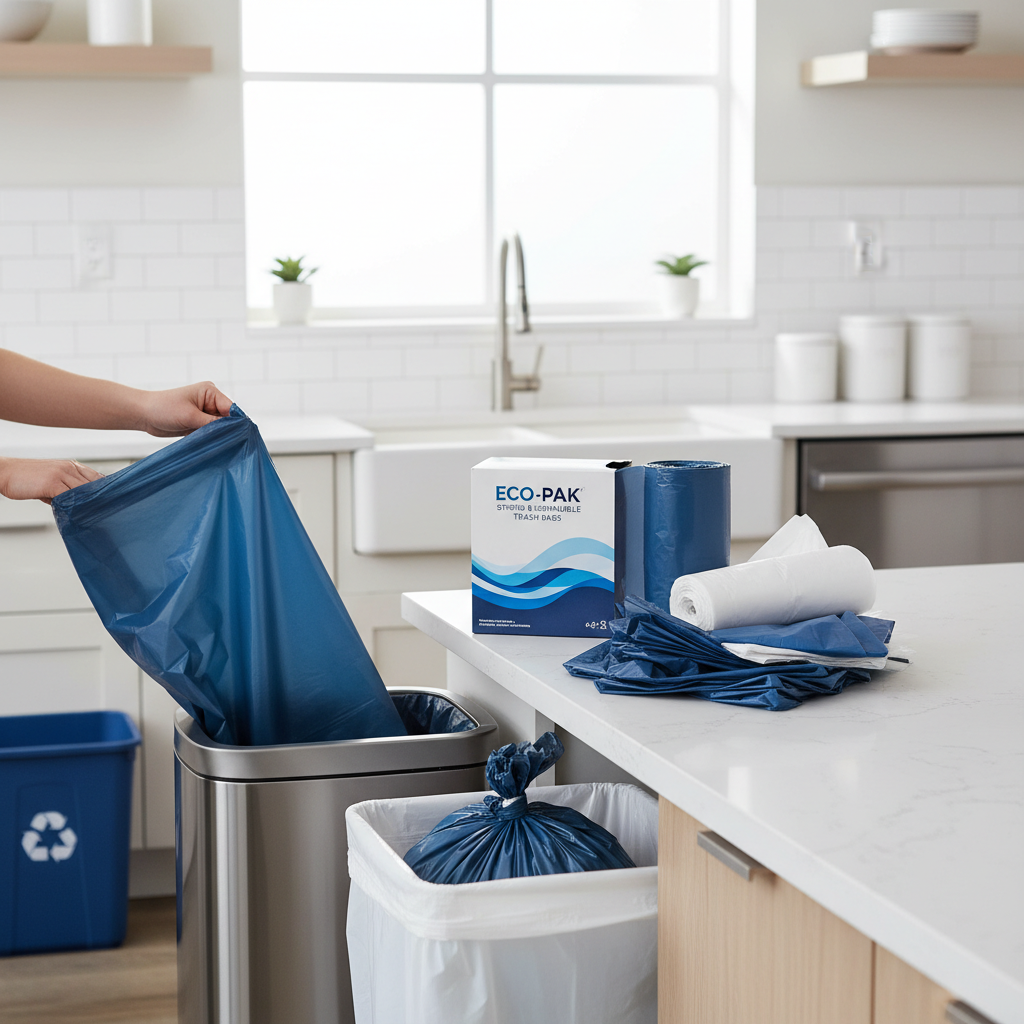
The market offers a diverse range of garbage bags, each designed for specific purposes. Common types include: Trash Can Liners, shaped to fit standard trash cans for easy removal; Drawstring Bags, convenient for tying up and carrying waste; Compactor Bags, extra-strong for use with trash compactors; and Biodegradable/Compostable Bags, environmentally friendly alternatives. The choice depends on the volume and type of waste, the frequency of disposal, and environmental concerns. Understanding these distinctions is the first step in finding the ideal garbage bag.
Key Highlights: Choosing the right type of garbage bag ensures efficient waste disposal, reduces mess, and aligns with your environmental goals.
Material Matters: Comparing Garbage Bag Materials
Garbage bags are made from various materials, each with different strengths and weaknesses. Polyethylene (PE) is the most common, offering good strength and affordability. Linear Low-Density Polyethylene (LLDPE) is stronger and more puncture-resistant than standard PE. Biodegradable plastics (PLA, PBAT) offer a more sustainable option, breaking down over time, though composting conditions are required. The material affects the bag's strength, flexibility, and environmental impact. When choosing, consider the weight and type of waste you'll be containing.
Material Comparison:
• Polyethylene (PE): Affordable, versatile, good strength.
• LLDPE: Higher puncture resistance, stronger.
• Biodegradable Plastics: Eco-friendly, require specific composting conditions.
Choosing the Right Size and Mil for Your Needs
Selecting the correct size and ‘mil’ (thickness) is critical. Bags are typically measured in gallons (e.g., 13-gallon, 30-gallon, 55-gallon). The ‘mil’ indicates thickness; higher mils mean stronger bags. A garbage bag with a lower mil is sufficient for dry, lightweight waste, while heavier or wet waste requires a higher mil. Using the wrong size leads to spills and inconvenience, while insufficient thickness results in tears and leaks. Consider your trash can size and the typical contents when making your selection.
Environmental Considerations: Biodegradable and Compostable Garbage Bags
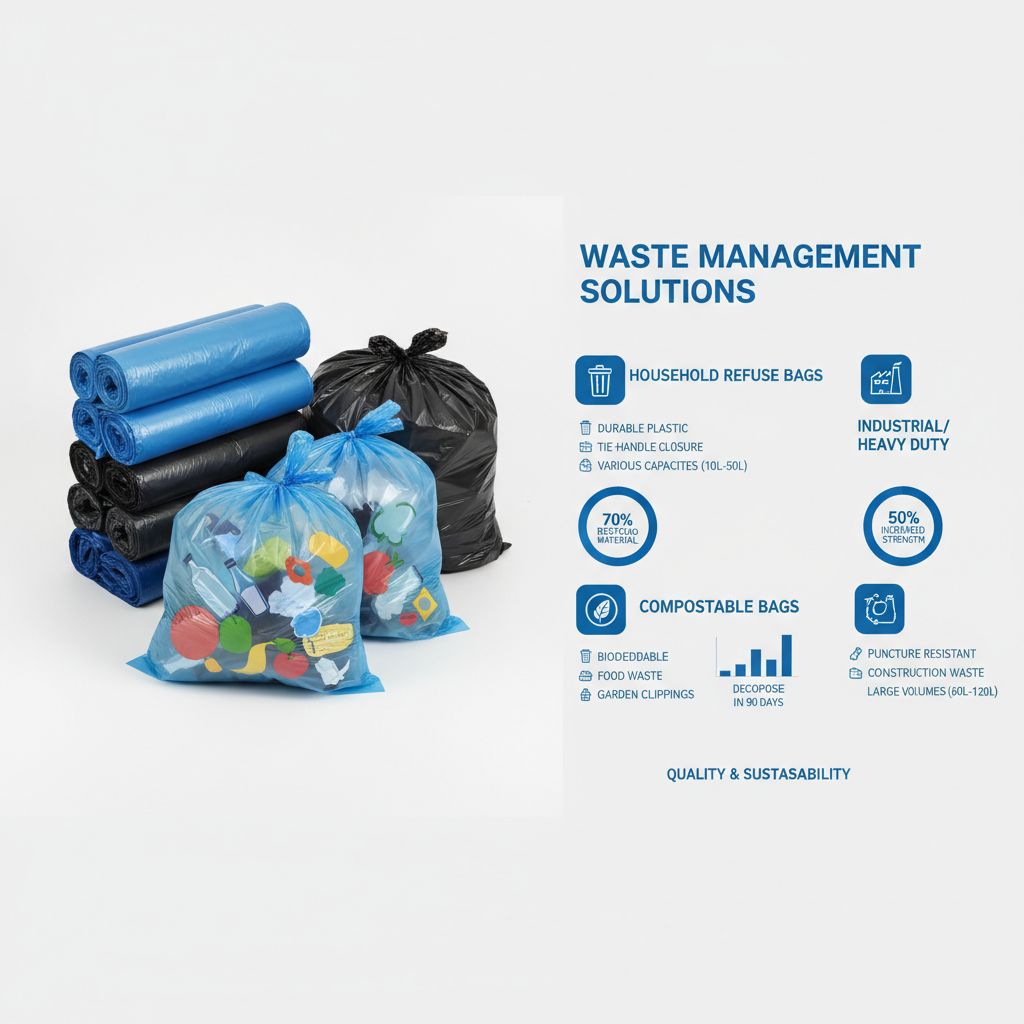
As environmental awareness grows, choosing eco-friendly garbage bags is becoming increasingly important. Biodegradable bags break down over time, while compostable bags require specific composting facilities to decompose effectively. These options reduce reliance on traditional plastics and minimize landfill waste. However, it's essential to understand the differences and ensure proper disposal methods are followed. Bulk Buy Packaging offers a selection of sustainable options to help you reduce your environmental footprint.
Where to Buy High-Quality Garbage Bags
Choosing a reliable supplier is essential for consistently obtaining high-quality garbage bags. Bulk Buy Packaging offers a wide range of garbage bags to suit various needs, with competitive pricing and fast shipping. We provide detailed product information and excellent customer service to help you make the right choice. Investing in quality bags saves you money in the long run by reducing leaks and tears.
Conclusion: Choosing the Right Garbage Bags for Your Needs
Selecting the right garbage bags is a simple yet impactful step toward efficient waste management and environmental responsibility. By considering factors like type, material, size, and environmental impact, you can find the perfect solution for your specific requirements. Bulk Buy Packaging provides a diverse selection to meet all your needs.
Frequently Asked Questions (FAQs)
What’s the difference between biodegradable and compostable garbage bags?
Biodegradable bags break down naturally over time, but this process can take years and requires specific environmental conditions. Compostable bags are designed to break down in a composting facility within a specific timeframe (usually 90-180 days) and require higher temperatures and microbial activity. Look for certifications like ASTM D6400 to ensure a bag is truly compostable. While both offer environmental benefits, compostable bags are generally more effective when disposed of correctly.
How can I determine the right mil thickness for my needs?
Consider the type of waste you'll be disposing of. For lightweight, dry waste like paper and plastic packaging, a lower mil (0.7-1.0) is usually sufficient. For heavier, wet waste like food scraps or yard waste, opt for a higher mil (1.5-2.0) to prevent tears and leaks. If you're using a trash compactor, always use compactor bags specifically designed for that purpose, which are typically thicker and more durable.
Are colored garbage bags stronger than clear ones?
Color itself doesn’t necessarily indicate strength. However, colored bags are often made with a slightly higher concentration of pigments which can add a minimal amount of reinforcement. The mil thickness is the primary indicator of a bag's strength. Always check the mil specification rather than relying on color alone.
What should I do with used garbage bags?
Traditional plastic garbage bags should be disposed of in the regular trash. Biodegradable and compostable bags should be disposed of according to local guidelines. Compostable bags require a commercial composting facility to break down properly. Check with your local waste management authority for specific instructions on handling different types of garbage bags.
