


Food Packaging and Printing: Ensuring Quality and Safety
In the competitive world of food and beverage, food packaging and printing plays a crucial role beyond simply containing the product. It’s a vital component of brand identity, consumer appeal, and, most importantly, food safety. Effective packaging preserves freshness, extends shelf life, provides essential product information, and builds trust with consumers. This article delves into the essential aspects of food packaging and printing, exploring materials, printing techniques, regulatory requirements, and current trends. Choosing the right packaging solutions can significantly impact your product's success.
Understanding Food Packaging Materials
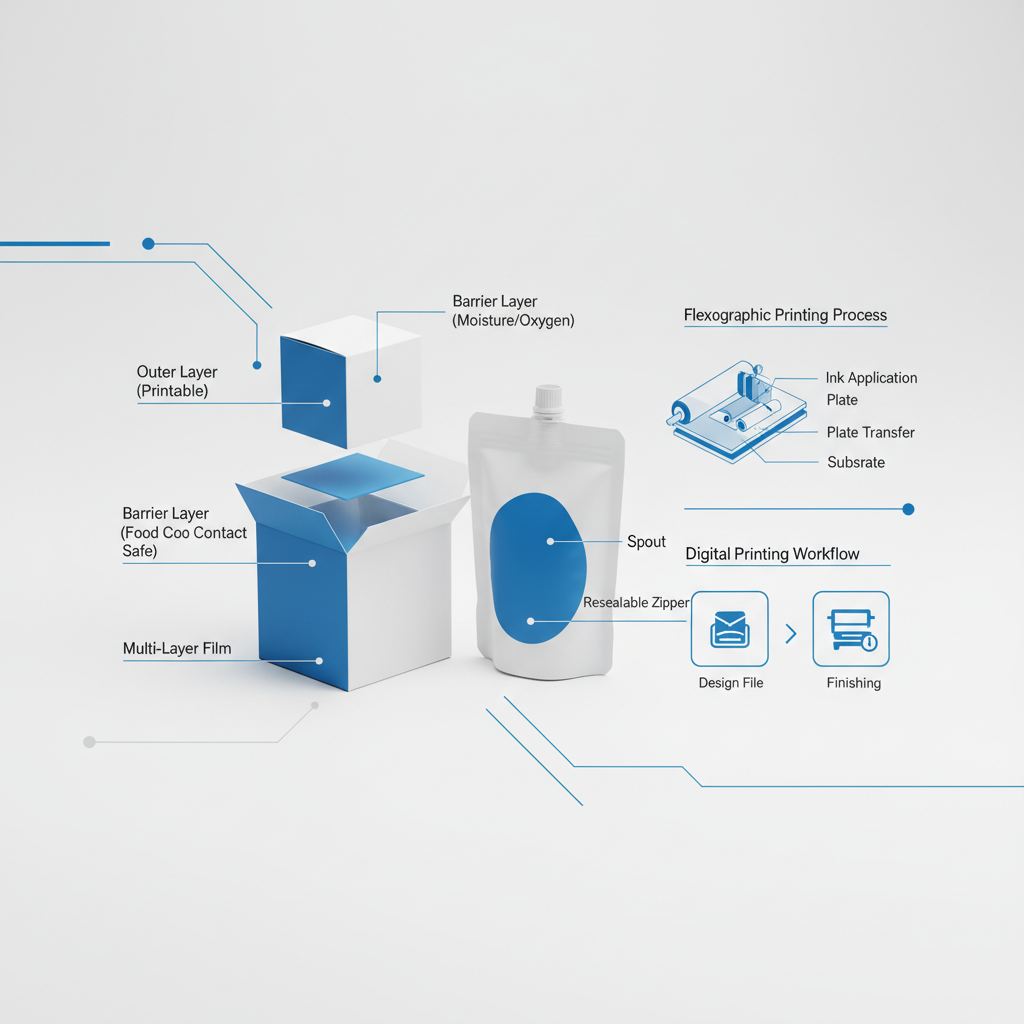
A wide range of materials are used in food packaging, each offering unique advantages and disadvantages. Common options include plastics (PET, HDPE, PP), paperboard, glass, aluminum, and biodegradable materials. The choice of material depends on factors like the type of food, shelf life requirements, cost, and environmental considerations. Plastics are versatile and lightweight, paperboard is sustainable and recyclable, glass provides excellent barrier properties, and aluminum offers high durability. Increasingly, biodegradable and compostable materials are gaining popularity as brands seek eco-friendly solutions. Bulk Buy Packaging offers a diverse range of these materials to suit various needs.
Key Considerations: The optimal packaging material balances protection, cost, sustainability, and compliance with food safety regulations.
Common Food Printing Techniques
Printing on food packaging is essential for branding, providing nutritional information, and displaying barcodes. Several techniques are commonly employed, including flexography, offset lithography, rotogravure, and digital printing. Flexography is cost-effective for large print runs, offset lithography offers high image quality, rotogravure is ideal for complex designs, and digital printing enables short runs and customization. The choice of technique depends on the substrate, print volume, design complexity, and budget.
Printing Technique Benefits:
• Flexography: Cost-effective for large volumes
• Offset Lithography: High image quality
• Rotogravure: Complex designs, durability
• Digital Printing: Short runs, customization
Food Packaging Regulations and Compliance
Food packaging is subject to strict regulations to ensure safety and prevent contamination. In the US, the Food and Drug Administration (FDA) sets standards for materials that come into contact with food. These regulations cover aspects like migration limits for chemicals, good manufacturing practices (GMP), and labeling requirements. Compliance with these regulations is crucial to avoid penalties and protect consumers. Packaging materials must be approved for their intended use, and proper labeling must provide accurate information about ingredients, nutritional content, and allergen warnings.
The Future of Food Packaging and Printing
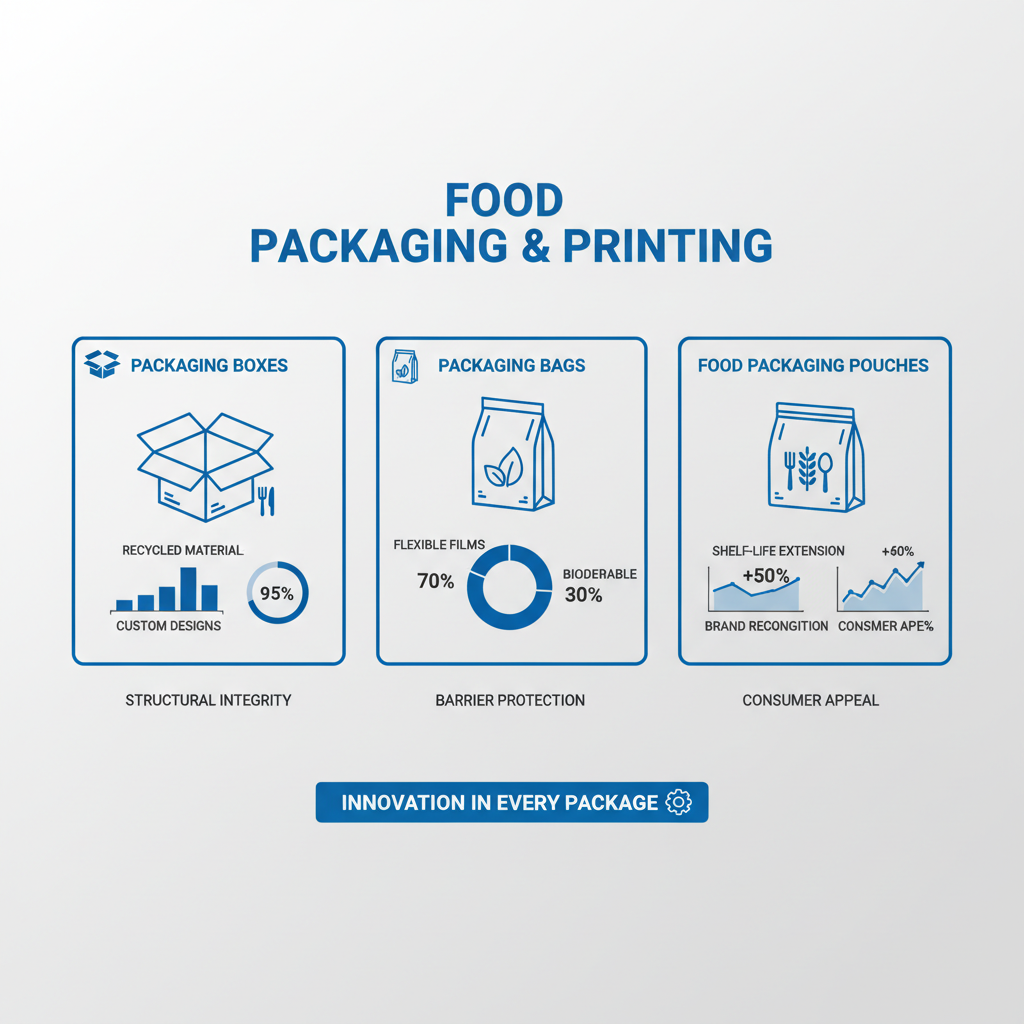
The food packaging industry is constantly evolving, driven by consumer demand for sustainability, convenience, and safety. Key trends include the development of biodegradable and compostable materials, the use of active and intelligent packaging (which can monitor freshness and indicate tampering), and the adoption of digital printing for personalized packaging. Reducing plastic waste is a major focus, leading to innovations in alternative materials and recycling technologies.
Selecting the Right Food Packaging Partner
Choosing a reliable and experienced packaging partner is essential for success. Look for a company that offers a wide range of materials and printing options, adheres to strict quality control standards, and provides excellent customer service. Bulk Buy Packaging is committed to providing innovative and sustainable packaging solutions to meet the unique needs of our clients.
Conclusion: Packaging for Success
Investing in high-quality food packaging and printing is not just about aesthetics; it's about protecting your product, building your brand, and ensuring consumer safety. By carefully considering materials, printing techniques, and regulatory requirements, you can create packaging that enhances your product's appeal and drives sales.
Frequently Asked Questions (FAQs)
What are the benefits of using sustainable food packaging?
Sustainable food packaging offers numerous benefits, including reduced environmental impact, improved brand image, and potential cost savings through reduced waste and efficient resource utilization. Consumers are increasingly seeking eco-friendly products, and sustainable packaging can be a significant differentiator. Materials like compostable plastics and recycled paperboard minimize landfill waste and reduce carbon emissions. Furthermore, using sustainable packaging can align your brand with environmentally conscious values, appealing to a growing segment of the market.
How does printing affect the shelf life of food products?
The type of ink and printing process can impact the shelf life of food products. Certain inks can act as barriers against oxygen and moisture, helping to preserve freshness. Conversely, improper ink selection or printing techniques can compromise barrier properties. It's crucial to use food-grade inks that are approved for direct food contact and to ensure proper adhesion to the packaging material. Furthermore, the printing process should not damage the packaging material or create pathways for contaminants to enter.
What is active packaging, and how does it work?
Active packaging incorporates components that interact with the food or the packaging environment to extend shelf life or enhance food safety. Examples include oxygen absorbers to remove oxygen, moisture absorbers to control humidity, and antimicrobial agents to inhibit microbial growth. These technologies help to maintain food quality, reduce spoilage, and prevent the formation of harmful toxins. Active packaging is often used for perishable foods like meat, poultry, and fresh produce. Bulk Buy Packaging can provide information on active packaging solutions.
What are the key considerations when choosing packaging for liquids?
When packaging liquids, barrier properties, leak-proof seals, and compatibility with the liquid are paramount. Materials like glass, certain plastics (e.g., PET, HDPE), and aluminum foil laminates are commonly used. The packaging must prevent permeation of the liquid, maintain its quality, and withstand the pressures associated with filling, shipping, and handling. Furthermore, the closure system must be secure to prevent leaks and spills. Choosing the right material and closure is crucial for ensuring product integrity and consumer satisfaction.
