


Understanding Food Wrapping Paper: A Comprehensive Guide
Choosing the right food wrapping paper is critical for maintaining freshness, preventing contamination, and enhancing the presentation of your food products. From bakeries to catering services, and even for home use, selecting the appropriate paper requires understanding the different types, materials, and applications available. This guide will explore the key factors to consider when purchasing food wrapping paper, ensuring you make the best choice for your needs. We'll cover everything from grease resistance to barrier properties and sustainable options.
Types of Food Wrapping Paper
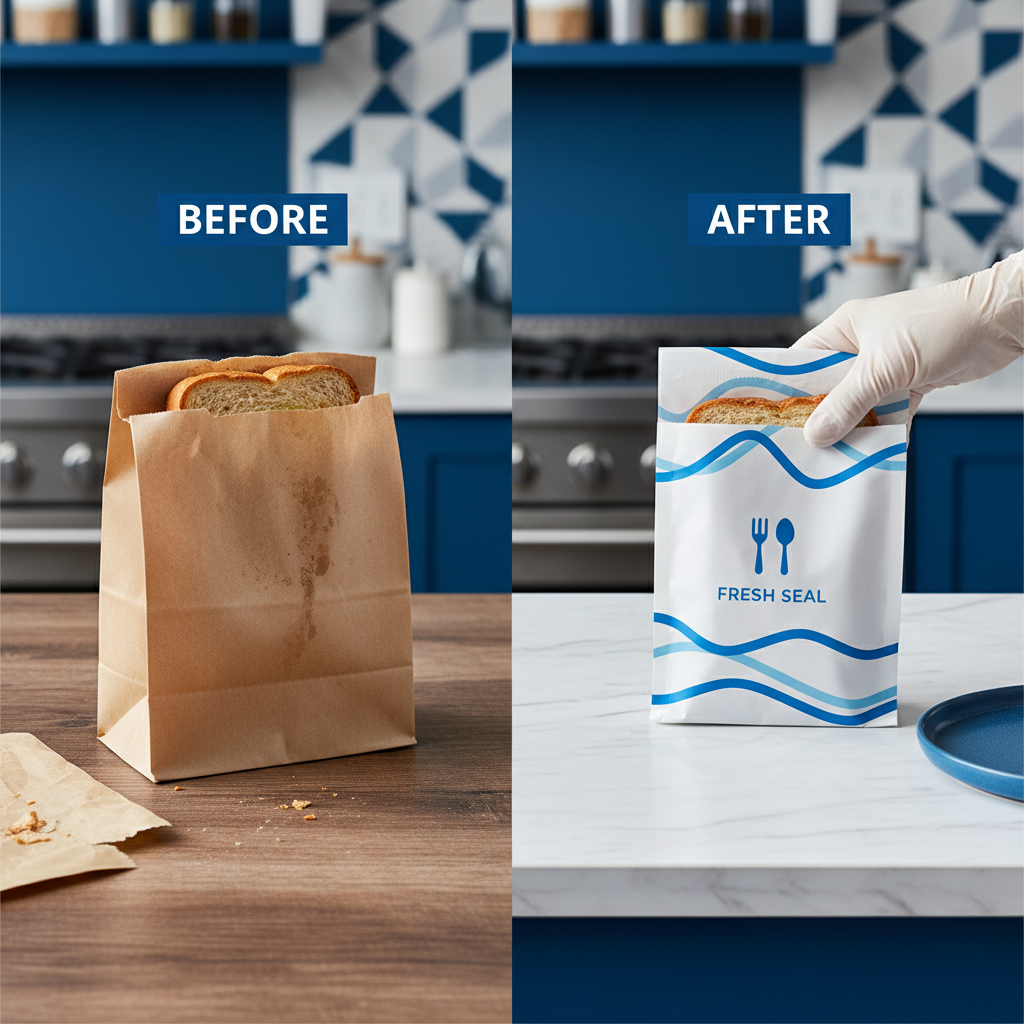
Food wrapping paper isn't a one-size-fits-all solution. Several types cater to specific needs. Waxed paper, for instance, provides a grease-resistant barrier ideal for wrapping sandwiches or pastries. Glassine paper, known for its translucency, is often used for candies and baked goods where visibility is desired. Parchment paper, commonly used in baking, offers excellent non-stick properties and heat resistance. Finally, greaseproof paper is a crucial choice for containing oily or fatty foods. Understanding the unique properties of each type is key to optimizing food preservation and presentation. At Bulk Buy Packaging, we offer a wide variety of these specialized papers.
Key Takeaway: Selecting the right type of food wrapping paper depends on the specific food item and its properties, such as oil content and desired presentation.
Grease Resistance: A Critical Factor
One of the most important considerations when choosing food wrapping paper is its grease resistance. Foods high in oil or fat can quickly penetrate standard paper, leading to messy leaks and compromised product quality. Greaseproof paper is specifically treated to create a barrier against oils and fats. The level of grease resistance is often measured using a Kitchell Grease Resistance Test, with higher numbers indicating greater protection. Investing in high-quality greaseproof paper is essential for maintaining the appearance and integrity of your food products, especially for items like fried foods, pastries, and sandwiches.
Understanding Grease Resistance Levels:
• Kitchell Resistance: Indicates the paper’s ability to resist penetration from oils.
• Higher Number = Better Protection: Choose papers with higher Kitchell values for greasy foods.
• Different Grades Available: Options range from light grease resistance to full greaseproof.
Food Grade Wrapping Paper vs. Standard Paper
It's vital to differentiate between food grade wrapping paper and standard paper. Food grade paper undergoes rigorous testing to ensure it’s safe for direct contact with food. It's manufactured using food-safe inks and adhesives, free from harmful chemicals. Standard paper, on the other hand, may contain substances that could leach into the food, posing a health risk. Always prioritize food grade paper when wrapping anything intended for consumption. Bulk Buy Packaging guarantees all our food wrapping papers meet stringent food safety standards.
Sustainable Food Wrapping Paper Options
With growing environmental concerns, choosing sustainable food wrapping paper is increasingly important. Recycled paper, made from post-consumer waste, reduces landfill waste and minimizes deforestation. Compostable paper, designed to break down naturally, offers an eco-friendly alternative. Look for certifications like FSC (Forest Stewardship Council) to ensure the paper comes from responsibly managed forests. At Bulk Buy Packaging, we are committed to offering a growing range of sustainable packaging solutions.
Product Specifications & Common Sizes
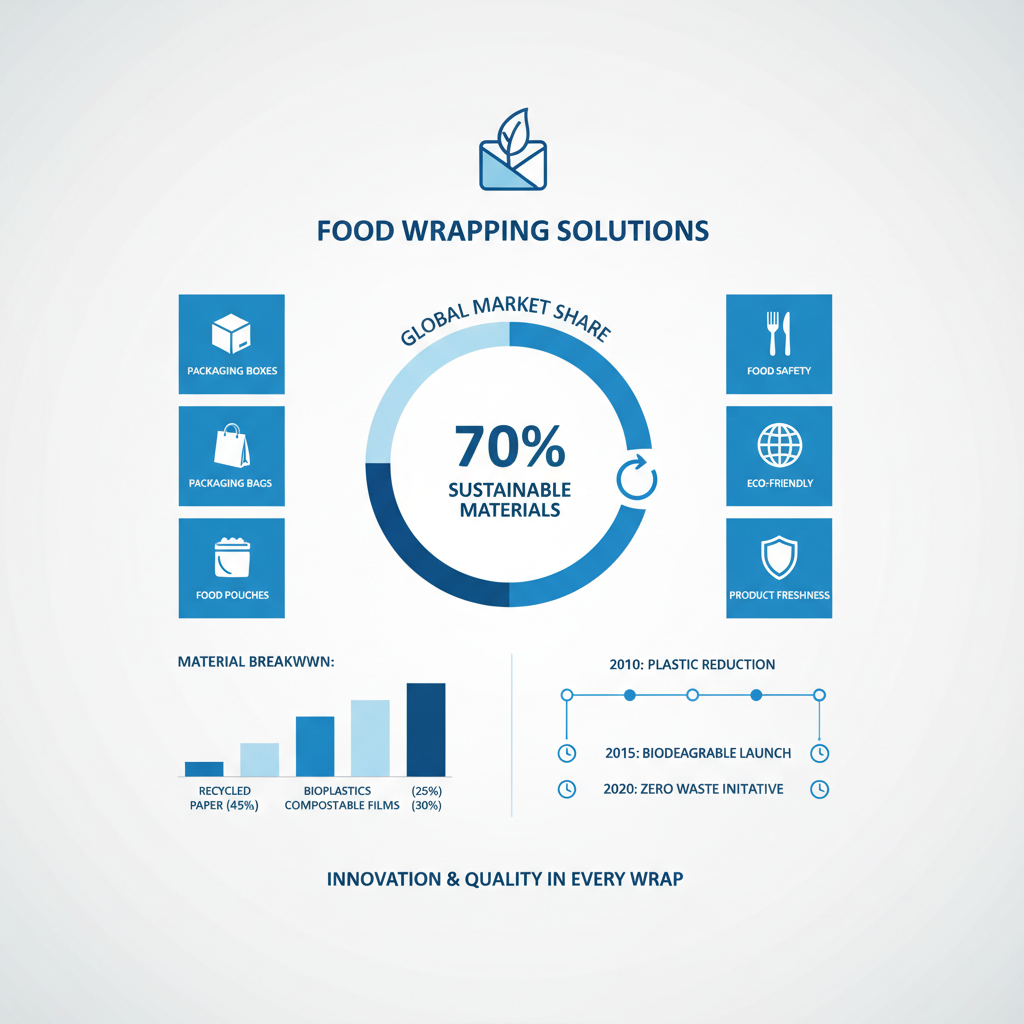
Understanding the specifications and available sizes is key to ordering the right paper for your business. Here's a quick overview:
Conclusion: Choosing the Right Food Wrapping Paper for Your Needs
Selecting the right food wrapping paper is a crucial step in maintaining product quality, ensuring food safety, and promoting sustainability. By understanding the different types, properties, and specifications available, you can make informed decisions that benefit your business and your customers. Explore our wide selection at Bulk Buy Packaging today!
Frequently Asked Questions (FAQs)
What is the difference between waxed paper and parchment paper?
Waxed paper is coated with paraffin wax, providing a moisture barrier and some grease resistance. It's ideal for wrapping sandwiches or cookies. Parchment paper, on the other hand, is made by passing paper through a hot silicone coating, making it non-stick and heat-resistant. It’s best for baking and lining baking sheets. While both offer barriers, parchment paper excels at preventing sticking, and waxed paper is more cost-effective for general wrapping purposes.
Is greaseproof paper the same as waxed paper?
No, while both offer grease resistance, they differ in their construction and level of protection. Greaseproof paper is specifically manufactured with a tighter weave and often treated to resist grease penetration. Waxed paper is coated with wax, which provides a barrier but can melt under high heat. Greaseproof paper is generally more durable and provides a higher level of protection against oils and fats.
Can I compost food wrapping paper?
It depends on the type of paper and your composting system. Uncoated, plain paper is generally compostable. However, waxed paper, parchment paper (with silicone coating), and paper with printed designs may not be suitable for home composting. Look for certified compostable options, which are designed to break down in commercial composting facilities. Always check the packaging for specific instructions.
Where can I buy food wrapping paper in bulk?
You can purchase food wrapping paper in bulk from packaging suppliers like Bulk Buy Packaging. We offer a wide range of options, competitive pricing, and fast shipping. Buying in bulk is a cost-effective solution for businesses with high packaging needs.
