


Food Packaging Companies: A Comprehensive Guide
The food industry relies heavily on effective and safe food packaging companies to preserve quality, extend shelf life, and ensure product safety. Selecting the right packaging supplier is critical for success, impacting everything from brand perception to regulatory compliance. This article will explore the key considerations when choosing a food packaging company, the types of packaging available, and emerging trends in the industry. We’ll delve into what makes a good partner and how to navigate the complexities of food packaging regulations.
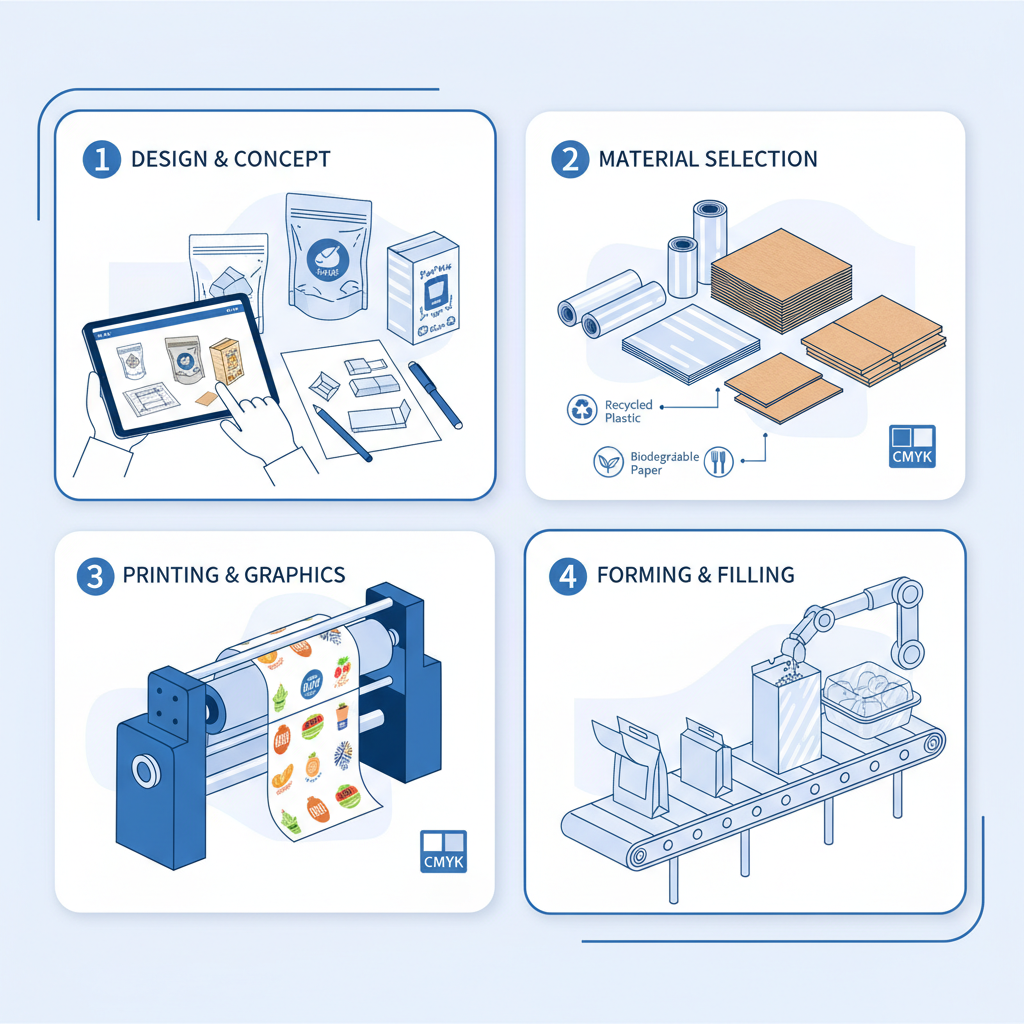
Key Considerations When Choosing Food Packaging Companies
Choosing the right food packaging company requires careful evaluation. Factors beyond just price point are essential. First, consider their material expertise. Do they specialize in plastics, paperboard, or sustainable alternatives? Second, assess their ability to meet your specific volume needs, from small-batch artisanal products to large-scale production runs. Third, verify their adherence to stringent food safety standards like FDA and USDA regulations. Finally, look for companies offering customization options to enhance your branding and product differentiation. A strong partner will be responsive, collaborative, and committed to delivering high-quality packaging solutions.
Key Highlights: Prioritize companies with a proven track record of food safety compliance, material expertise, scalability, and customization capabilities.
Types of Food Packaging Materials & Their Applications
A variety of materials are used in food packaging, each with its own strengths and weaknesses. Plastics, such as PET, HDPE, and polypropylene, offer excellent barrier properties and are cost-effective. Paperboard is a sustainable option often used for boxes and cartons. Metal, like aluminum, is ideal for canned goods and provides long-term preservation. Glass is another durable and recyclable choice. The selection depends on the food product’s characteristics – moisture content, fragility, and shelf life requirements – as well as the desired aesthetic presentation. Bulk Buy Packaging offers a wide range of these solutions.
Material Comparison:
• Plastics: Cost-effective, excellent barrier properties, versatile.
• Paperboard: Sustainable, renewable, good for dry goods.
• Metal: Durable, long-term preservation, ideal for canning.
• Glass: Recyclable, inert, premium feel.
Food Packaging Companies: Comparing Key Features
When evaluating food packaging companies, comparing key features is crucial. Consider factors like minimum order quantities (MOQs), lead times, customization options, and sustainability initiatives. Some companies specialize in specific packaging types, while others offer a more comprehensive range. Assessing their quality control procedures and certifications (e.g., ISO 9001, HACCP) is also essential to ensure product safety and consistency.
Emerging Trends in Food Packaging
The food packaging industry is undergoing rapid evolution. Sustainability is a major driver, with increasing demand for biodegradable, compostable, and recyclable materials. Active packaging, which interacts with the food to extend shelf life and maintain freshness, is gaining traction. Smart packaging incorporating QR codes, RFID tags, and sensors provides traceability and real-time monitoring of food quality. These innovations address consumer concerns about food waste and safety, and leading food packaging companies are at the forefront of these advancements.
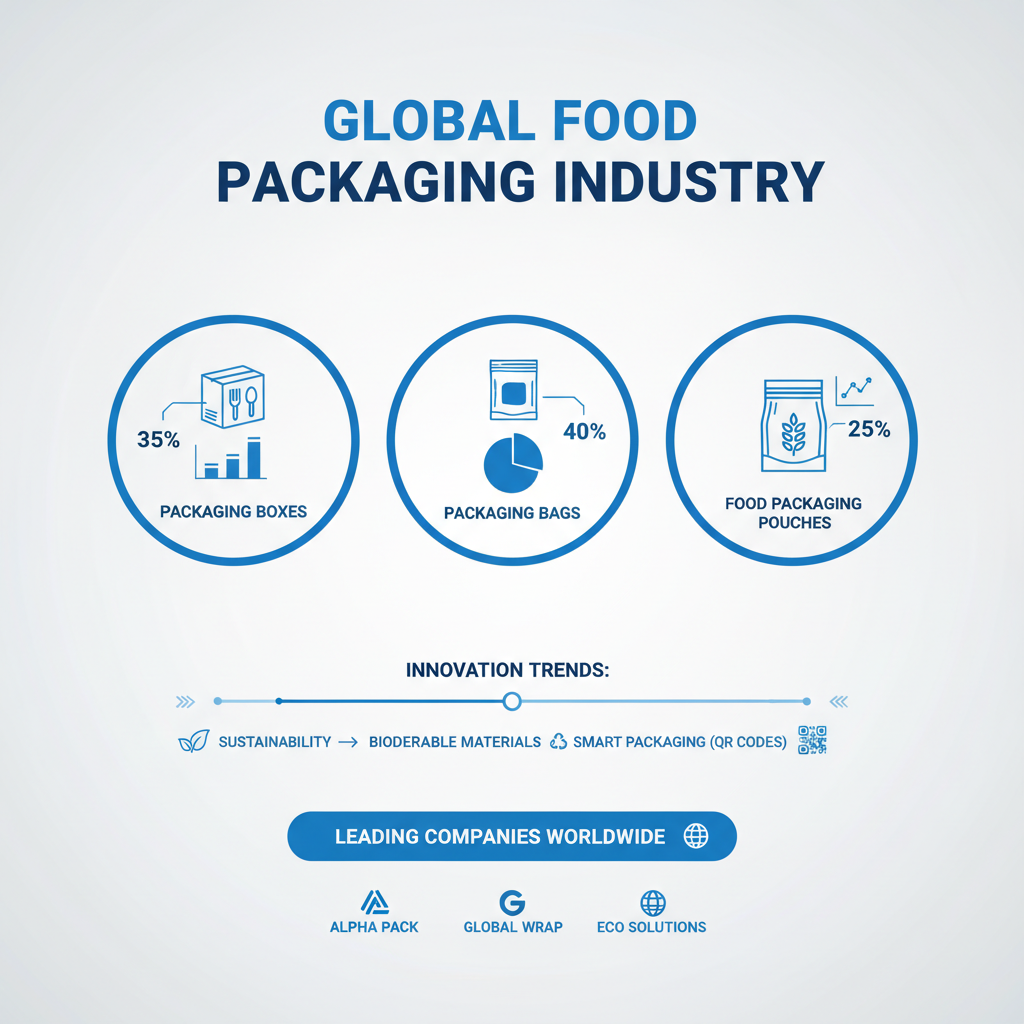
Navigating Food Packaging Regulations
Food packaging is subject to strict regulations to ensure safety and prevent contamination. In the United States, the Food and Drug Administration (FDA) sets standards for materials that come into contact with food. These regulations cover everything from permitted substances to labeling requirements. Additionally, companies must comply with USDA guidelines for meat and poultry packaging. Working with a knowledgeable food packaging company can simplify this process and ensure compliance.
Conclusion: Partnering for Packaging Success
Selecting the right food packaging company is a critical decision for any food business. By carefully evaluating their expertise, capabilities, and commitment to safety and sustainability, you can ensure your products are protected, preserved, and presented effectively. A strong partnership will contribute to your brand’s success and customer satisfaction.
Frequently Asked Questions (FAQs)
What certifications should I look for in a food packaging company?
When selecting a food packaging company, prioritize certifications like ISO 9001 (quality management), HACCP (hazard analysis and critical control points), and FDA registration. These certifications demonstrate a commitment to quality, safety, and regulatory compliance. Look for companies that can provide documentation of their adherence to these standards. Certifications are essential for ensuring your packaging meets the required food safety regulations and protects your brand reputation.
What are the benefits of sustainable food packaging?
Sustainable food packaging offers numerous benefits, including reduced environmental impact, enhanced brand image, and alignment with growing consumer demand for eco-friendly products. Utilizing materials like recycled plastics, compostable films, and plant-based alternatives reduces waste, conserves resources, and minimizes carbon footprint. Sustainable packaging can also attract environmentally conscious consumers and differentiate your brand in a competitive market.
How can I ensure my food packaging meets FDA regulations?
To ensure compliance with FDA regulations, work with a food packaging company that understands and adheres to these guidelines. Verify that the materials used are FDA-approved for food contact and that the packaging meets labeling requirements. Request documentation and testing reports to demonstrate compliance. Regularly review FDA updates and changes to regulations to maintain ongoing compliance.
What is the role of barrier properties in food packaging?
Barrier properties are crucial in food packaging as they protect the food from external factors like oxygen, moisture, light, and odors. These properties help maintain food quality, prevent spoilage, and extend shelf life. Different packaging materials offer varying levels of barrier protection. Selecting the appropriate material with the right barrier properties is essential for ensuring food safety and preserving product freshness.
