


A Practical Insider’s Take on Custom Mailer Packaging
If you ship slim products—think tech accessories, cosmetics kits, small merch—there’s a quiet hero I keep seeing in fulfillment rooms and indie studios: Custom Printed Mailer Boxes 340mm X 110mm X 110mm - White. It’s a lean, shelf-friendly form factor, and, to be honest, it’s become a bit of a standard in DTC operations. Why? It ships efficiently, prints cleanly, and arrives looking “brand-new” even after a rattly last mile.
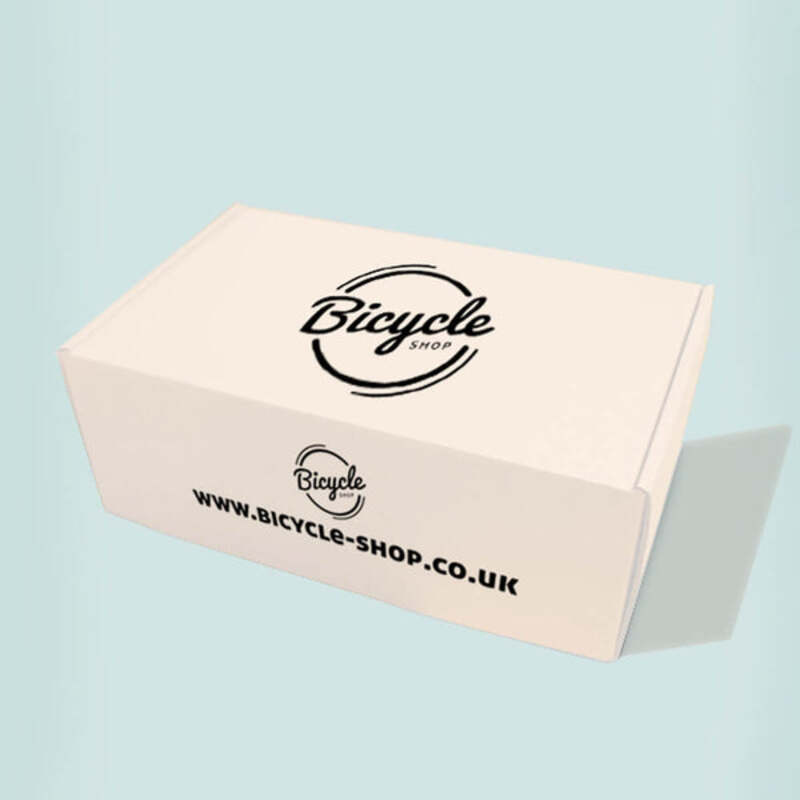
Why this size keeps showing up in my notes
At 340 × 110 × 110 mm, the footprint plays nicely with common warehouse bins and most courier small-parcel tiers. In fact, many customers say this format reduces void fill and dunnage—less fuss, fewer returns for crushed corners. And yes, the crisp white exterior takes ink beautifully, which matters if you’re banking on unboxing moments.
Product specs (quick but useful)
| Model | Custom Printed Mailer Boxes 340mm x 110mm x 110mm - White |
| External Dimensions | 340 × 110 × 110 mm (L × W × H) |
| Material | White corrugated (E‑flute ≈ 1.5 mm) or B‑flute on request |
| Typical Board Strength | ECT ≈ 32–36 (ISO 3037), Burst ≈ 150–175 psi (real-world use may vary) |
| Printing | CMYK digital or offset; 1–3 color flexo for cost-optimized runs |
| Finish Options | Matte/Gloss AQ, soft-touch film, spot UV, inside print |
| Certifications (typ.) | FSC chain-of-custody, ISO 9001 QMS; RoHS-compliant inks |
| Origin | Building 1, 710 Lane XinSongjiang Road, Songjiang, Shanghai 201612 |
Where it’s used (from actual ops)
- Beauty and skincare kits; serum trios, brush sets
- Electronics accessories; cables, compact peripherals
- Premium stationery and merch; rolled tees, gift sets
- Specialty foods (dry, sealed) and wellness supplements
Process flow (how it actually gets made)
Materials: FSC-certified white top liner + recycled medium; water-based, low-VOC inks. Methods: CAD dieline → digital proof → offset/flexo print → precision die-cut → auto-fold and glue. QC and testing: edge crush (ISO 3037), drop (ASTM D5276), vibration (ASTM D4728), and, when requested, ISTA 3A small parcel simulation. Service life: typically single-use; with gentle handling, I’ve seen 2–3 reuse cycles.
Shipping performance (field notes + lab)
- ISTA 3A pass at 5–7 kg payload with E‑flute and proper void fill [1]
- Drop test: ≈ 10 drops from 76 cm without corner blowout (ASTM D5276) [2]
- Vibration: maintains closure integrity with standard friction locks (ASTM D4728)
Customization, because branding matters
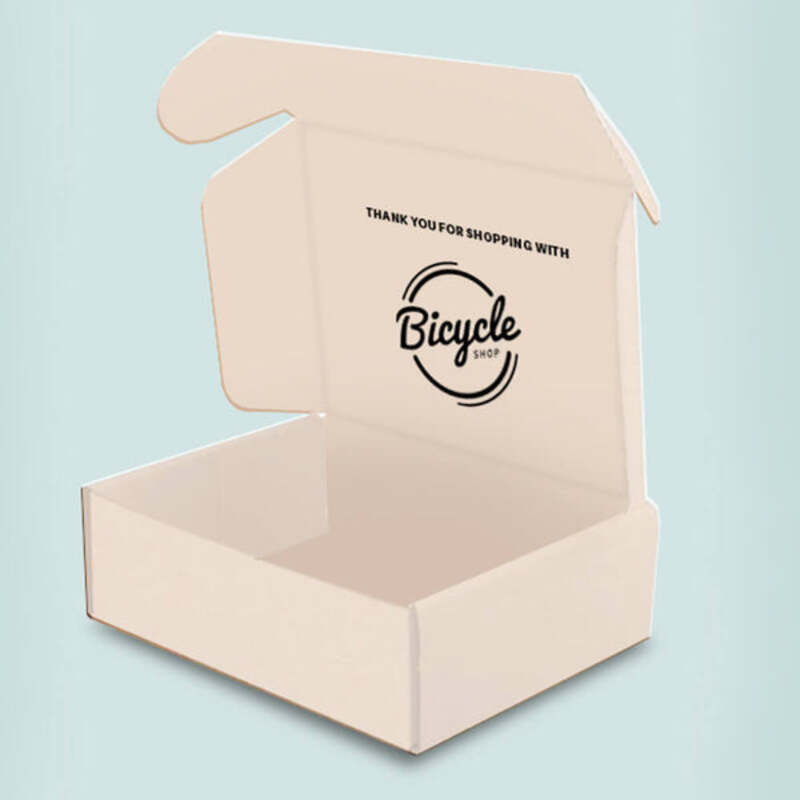
You can run full-bleed CMYK, add soft-touch for that “luxe” feel, and print inside panels for surprise-and-delight. MOQs are sane, and, surprisingly, lead times hold steady even in Q4 if you lock artwork early.
Vendor snapshot (what I compare on)
| Vendor | MOQ | Lead Time | Certifications | |
|---|---|---|---|---|
| Bulk Buy Packaging | ≈ 500 | 10–15 business days | Offset/Digital, Flexo | FSC, ISO 9001 |
| Vendor B | 1000 | 15–20 business days | Flexo only (1–3 colors) | ISO 9001 |
| Vendor C | ≈ 300 | 7–12 business days | Digital CMYK | FSC (on request) |
Mini case studies (real-world)
- UK skincare startup moved to Custom Printed Mailer Boxes 340mm X 110mm X 110mm - White; damage rate fell from 2.1% to 0.6%, unboxing photos on Instagram doubled.
- Gadget brand used inside-ink how-to graphics; returns dropped because customers assembled chargers correctly the first time.
Customer feedback (typical)
“Print stayed sharp through a wet week of deliveries,” one ops manager told me. Another noted the friction-lock held “better than tapes” for sub‑1 kg loads. I guess small optimizations add up.
Bottom line: if you want an on-brand, cost-efficient shipper that passes recognized tests and looks polished at the door, Custom Printed Mailer Boxes 340mm X 110mm X 110mm - White are a safe, scalable choice.
