


Flyers and Leaflets: A Comprehensive Guide for Effective Marketing
In today’s competitive market, reaching your target audience efficiently and affordably is crucial. Flyers and leaflets remain a powerful marketing tool, offering a tangible way to connect with potential customers. This article will delve into the benefits, design considerations, printing options, and distribution strategies for successful flyer and leaflet campaigns. We'll explore how to maximize your ROI with these cost-effective marketing materials.
The Enduring Power of Flyers and Leaflets
Despite the rise of digital marketing, flyers and leaflets continue to be effective. They offer several advantages: they’re cost-effective, particularly for local marketing; they allow for targeted distribution; and they provide a physical reminder of your brand. A well-designed flyer can immediately grab attention, convey key information quickly, and drive action. They are also particularly useful for reaching demographics less active online. Unlike digital ads that can be easily ignored or blocked, a physical flyer delivered directly to a potential customer demands attention.
Key Highlights: Cost-effective, targeted distribution, physical reminder of your brand, effective for reaching specific demographics.
Designing Effective Flyers and Leaflets
The design of your flyer or leaflet is critical. Focus on a clear and concise message. Use high-quality images and compelling headlines. Employ a strong call to action – tell people what you want them to do. Maintain a clean layout, avoiding clutter. Consider using color psychology to evoke the desired emotions. For example, blue often conveys trust, while red can create a sense of urgency. Ensure your contact information is prominently displayed. Professional design often yields better results, so consider utilizing graphic design services, or templates from Bulk Buy Packaging.
Design Best Practices:
• Clear and concise messaging
• High-quality images
• Compelling headlines
• Strong call to action
Flyers vs. Leaflets: Understanding the Difference
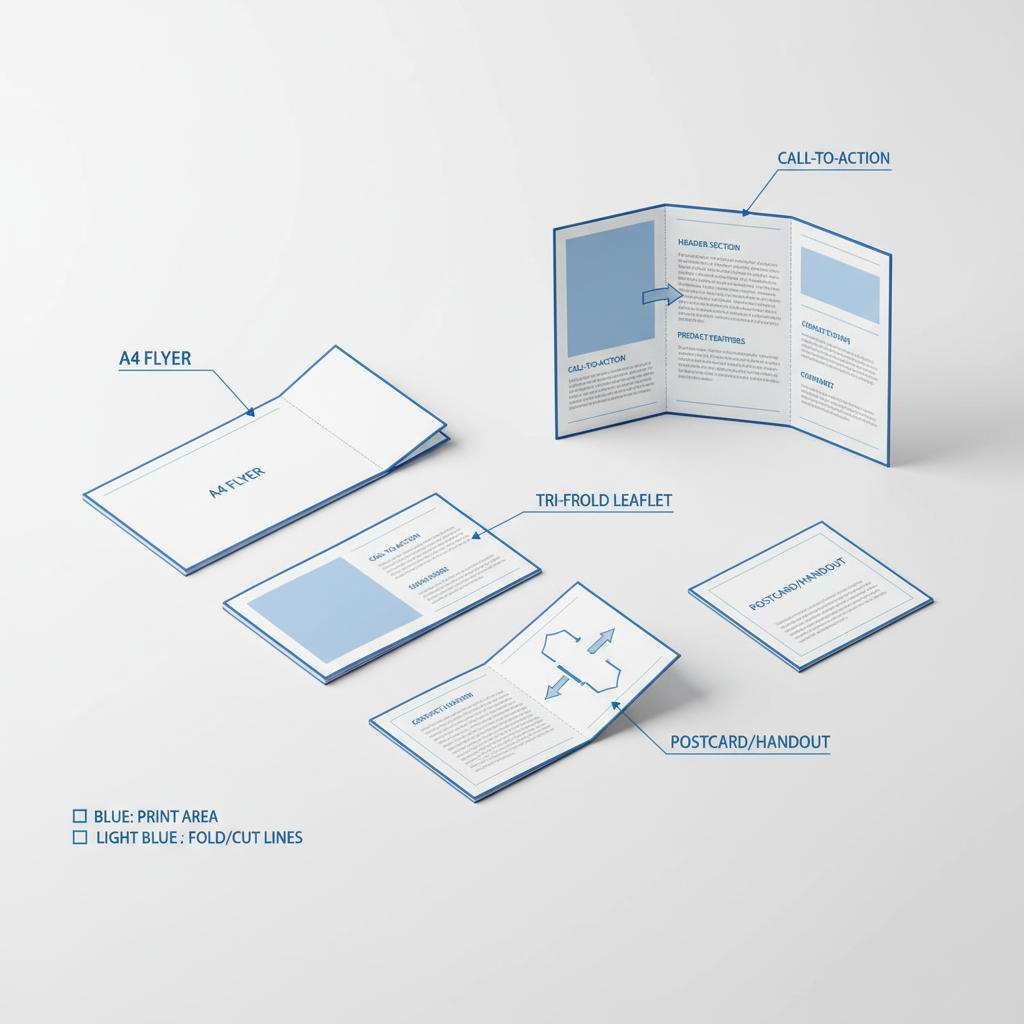
While often used interchangeably, flyers and leaflets have subtle differences. Flyers are typically single-sheet documents, ideal for promoting events or special offers. Leaflets, on the other hand, are usually folded, allowing for more information. Choosing between a flyer and a leaflet depends on the complexity of your message and the amount of information you need to convey. For a quick announcement, a flyer is sufficient. For detailed product information or a multi-page brochure, a leaflet is more appropriate. Consider the overall impression you want to create.
Printing and Distribution Strategies
Choosing the right printing option is crucial. Consider paper stock, finish (glossy or matte), and quantity. Bulk printing, such as those offered by Bulk Buy Packaging, can significantly reduce per-unit costs. Distribution methods include direct mail, street handouts, inserting flyers into newspapers, and leaving them in strategic locations (with permission, of course!). Targeted distribution is key – focus on areas where your ideal customers are likely to be found. You can also track the success of your campaign using unique QR codes or promotional codes.
Measuring the Success of Your Flyer/Leaflet Campaign
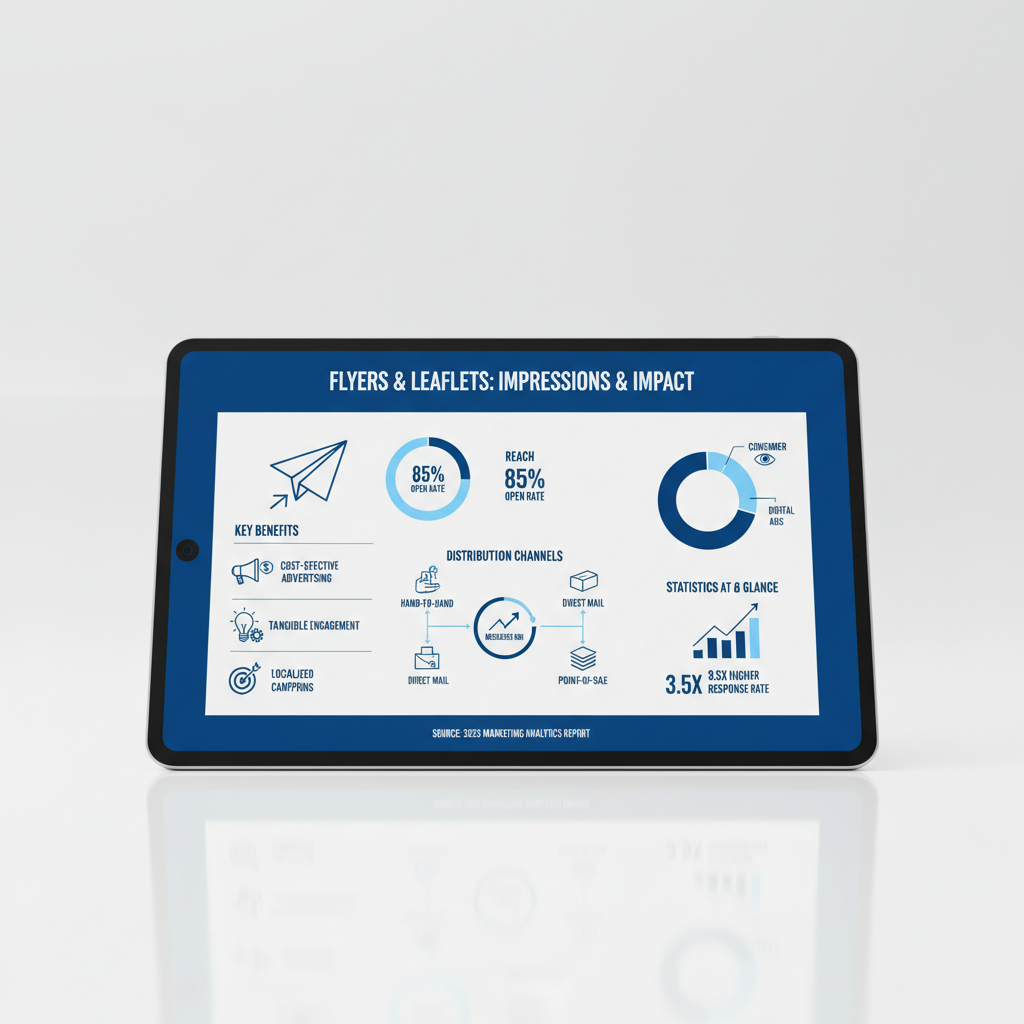
Tracking the effectiveness of your flyer/leaflet campaign is vital for future improvements. Include a unique phone number, website landing page, or QR code on your materials to track responses. Monitor website traffic, sales increases, and customer inquiries after distribution. Gathering this data will allow you to refine your strategy, optimize your designs, and maximize your return on investment. Consider A/B testing different designs or distribution methods to determine what works best for your target audience.
Conclusion: Maximizing Your Marketing Impact with Flyers and Leaflets
Flyers and leaflets remain a potent marketing tool when executed effectively. By focusing on compelling design, targeted distribution, and careful tracking, you can maximize your ROI and reach a wider audience. Bulk Buy Packaging offers a wide range of printing options to suit your needs. Don't underestimate the power of a well-crafted physical marketing piece!
Frequently Asked Questions (FAQs)
What paper stock is best for flyers and leaflets?
The best paper stock depends on your budget and desired aesthetic. For a professional look and feel, a heavier weight paper (100lb or higher) is recommended. Coated paper (glossy or matte) provides better color vibrancy and durability. Glossy paper is ideal for flyers with lots of images, while matte paper offers a more sophisticated, less reflective appearance. Uncoated paper is more affordable but may not reproduce colors as accurately. Consider your target audience and the overall message you want to convey when selecting the paper stock.
What size should my flyers and leaflets be?
Common flyer and leaflet sizes include A6 (105 x 148mm), A5 (148 x 210mm), and A4 (210 x 297mm). A6 is a popular choice for concise promotional messages, while A5 allows for more information. A4 is suitable for detailed brochures or leaflets with multiple panels. Consider the amount of content you need to include and the visual impact you want to create when choosing a size. Also, consider how the size will affect printing and distribution costs.
How can I ensure my flyers don’t end up in the trash?
To avoid your flyers ending up in the trash, focus on creating a compelling and relevant message. Offer a valuable incentive, such as a discount, coupon, or exclusive offer. Target your distribution to reach the right audience. Ensure the design is visually appealing and easy to read. Avoid clutter and prioritize clarity. Consider the timing of your distribution – send flyers when people are most likely to be receptive to your message.
What's the difference between a gloss and matte finish?
A gloss finish gives your flyers a shiny, vibrant look. Colors pop and images appear sharper, making it great for showcasing visually appealing products. However, gloss can also reflect light, making it harder to read in certain conditions. A matte finish provides a softer, more sophisticated look. It’s less reflective and easier on the eyes, making it ideal for text-heavy materials. Matte finishes can also feel more premium and tactile.
