


Choosing the Right Foam Trays for Your Business
In today’s competitive market, effective packaging is crucial for protecting products during transit and enhancing their presentation. Foam trays offer a versatile and cost-effective solution for a wide range of industries. From food service to electronics, understanding the different types of foam trays and their applications can significantly improve your packaging efficiency and customer satisfaction. We will explore the benefits, types, and applications of foam trays, helping you make informed decisions for your business. Investing in the right foam trays ensures product safety and professional presentation.
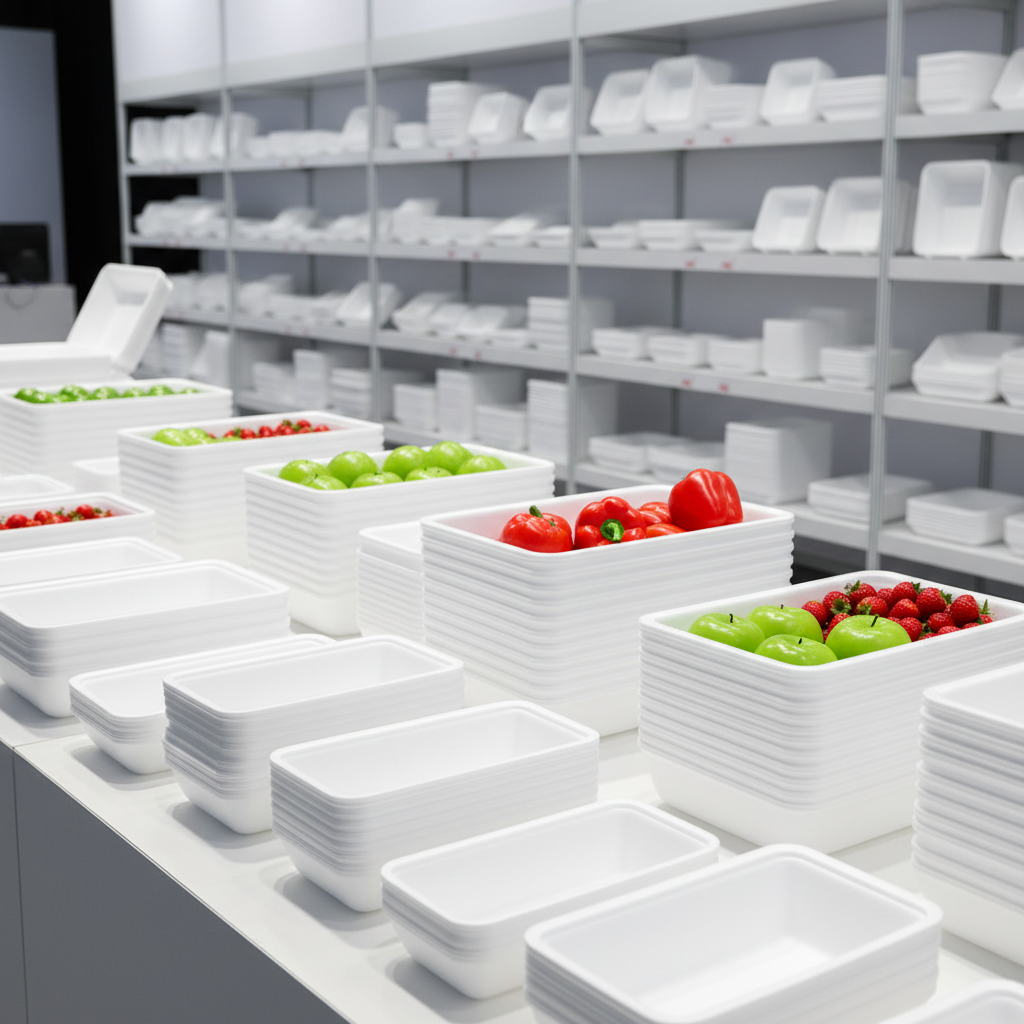
Why Choose Foam Trays? The Benefits Explained
Foam trays provide superior cushioning, protecting delicate items from damage during shipping and handling. They are lightweight, reducing shipping costs, and are available in a variety of shapes, sizes, and densities to accommodate diverse product needs. Beyond protection, foam trays enhance product presentation, creating a professional and appealing unboxing experience. Furthermore, many foam trays are recyclable, aligning with sustainability initiatives. They are highly customizable, allowing for branding and specific product cradles. Utilizing foam trays is an excellent method for optimizing packaging needs.
Key Highlights: Superior cushioning, lightweight design, customizable options, and recyclable materials offer a comprehensive packaging solution.
Types of Foam Trays: A Comprehensive Overview
There are several types of foam trays available, each suited to different applications. Polystyrene foam is cost-effective and widely used for food packaging. Polyethylene foam offers greater durability and cushioning, ideal for protecting electronics and fragile items. Polyurethane foam provides exceptional shock absorption and is often used for high-value products. Finally, biodegradable foam trays are an eco-friendly option, made from plant-based materials. Choosing the correct foam type depends on the product weight, fragility, and shipping conditions. Bulk Buy Packaging offers a variety of foam solutions to meet diverse needs.
Foam Type Benefits:
• Polystyrene: Cost-effective, lightweight
• Polyethylene: Durable, excellent cushioning
• Polyurethane: Superior shock absorption
• Biodegradable: Eco-friendly, sustainable
Foam Trays for Different Industries: Applications
Foam trays are used across a broad spectrum of industries. The food service industry utilizes them for meat, poultry, produce, and prepared meals, ensuring freshness and presentation. Electronics manufacturers rely on foam trays to protect sensitive components during shipping. Medical device companies employ them for sterile packaging of instruments. Cosmetics and personal care brands use them to showcase products and prevent breakage. The versatility of foam trays makes them a valuable asset for numerous businesses. Explore foam tray solutions designed for specific industry needs.
Comparing Foam Tray Costs: A Data-Driven Approach
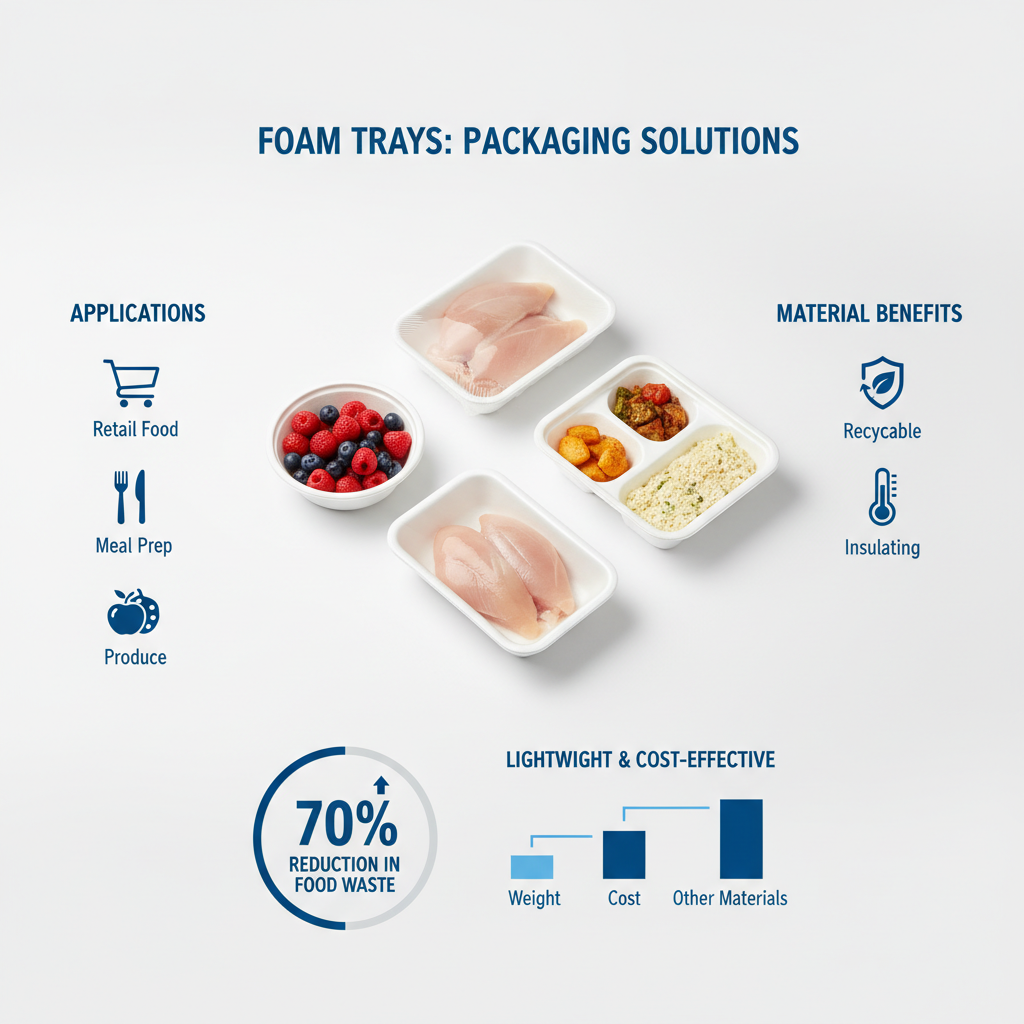
The cost of foam trays varies based on material, density, size, and quantity. Polystyrene trays are generally the most affordable, while biodegradable options tend to be more expensive. Polyethylene and polyurethane fall in the mid-range. Bulk purchasing significantly reduces per-unit costs. Considering the long-term benefits of product protection and reduced damage claims, investing in quality foam trays often outweighs the initial expense. Below is a comparative price range (estimated):
Conclusion: Investing in Optimal Product Protection
Choosing the right foam trays is a strategic investment that protects your products, enhances your brand image, and improves customer satisfaction. By carefully considering your specific needs and budget, you can find the perfect foam solution for your business. Don't compromise on quality – choose the right foam trays and secure your products for a successful journey.
Frequently Asked Questions (FAQs)
What is the environmental impact of foam trays?
Traditional polystyrene foam trays are not readily biodegradable and can contribute to landfill waste. However, biodegradable foam trays made from plant-based materials offer a more sustainable alternative. Recycling programs for polystyrene foam are also becoming increasingly available. Choosing recyclable or biodegradable options demonstrates a commitment to environmental responsibility. Bulk Buy Packaging offers eco-friendly foam tray options.
Can foam trays be customized with my company logo?
Yes, many foam tray manufacturers offer customization options, including printing your company logo or other branding elements directly onto the trays. This enhances brand recognition and creates a professional presentation. Customization options may vary depending on the foam type and quantity ordered. Contact Bulk Buy Packaging to discuss your custom branding needs.
What density of foam is best for protecting fragile items?
For protecting highly fragile items, a higher density foam is recommended. Higher density foam provides greater cushioning and shock absorption. Polyurethane foam is often the best choice for exceptionally delicate items. The appropriate density will also depend on the weight of the item and the anticipated shipping conditions. Our packaging experts can help you determine the optimal foam density for your specific products.
Are foam trays suitable for food contact?
Yes, certain foam trays are specifically designed and approved for food contact. These trays are made from food-grade materials and meet safety regulations. It's crucial to ensure that any foam tray used for food packaging is labeled as food-safe. Bulk Buy Packaging offers a range of food-safe foam tray options.
