


Optimizing Frozen Food Packaging for International Markets
In today’s globalized food industry, efficient and reliable frozen food packaging is paramount. Not only does it ensure product quality and safety throughout the supply chain, but it also plays a crucial role in attracting consumers in diverse international markets. This article dives deep into the factors influencing effective frozen food packaging for cross-border trade, covering material selection, regulatory compliance, cost optimization, and sustainable practices. Choosing the right packaging can significantly impact shelf life, transport costs, and ultimately, your bottom line. We'll explore how to navigate these challenges and unlock new opportunities in the global frozen food market.
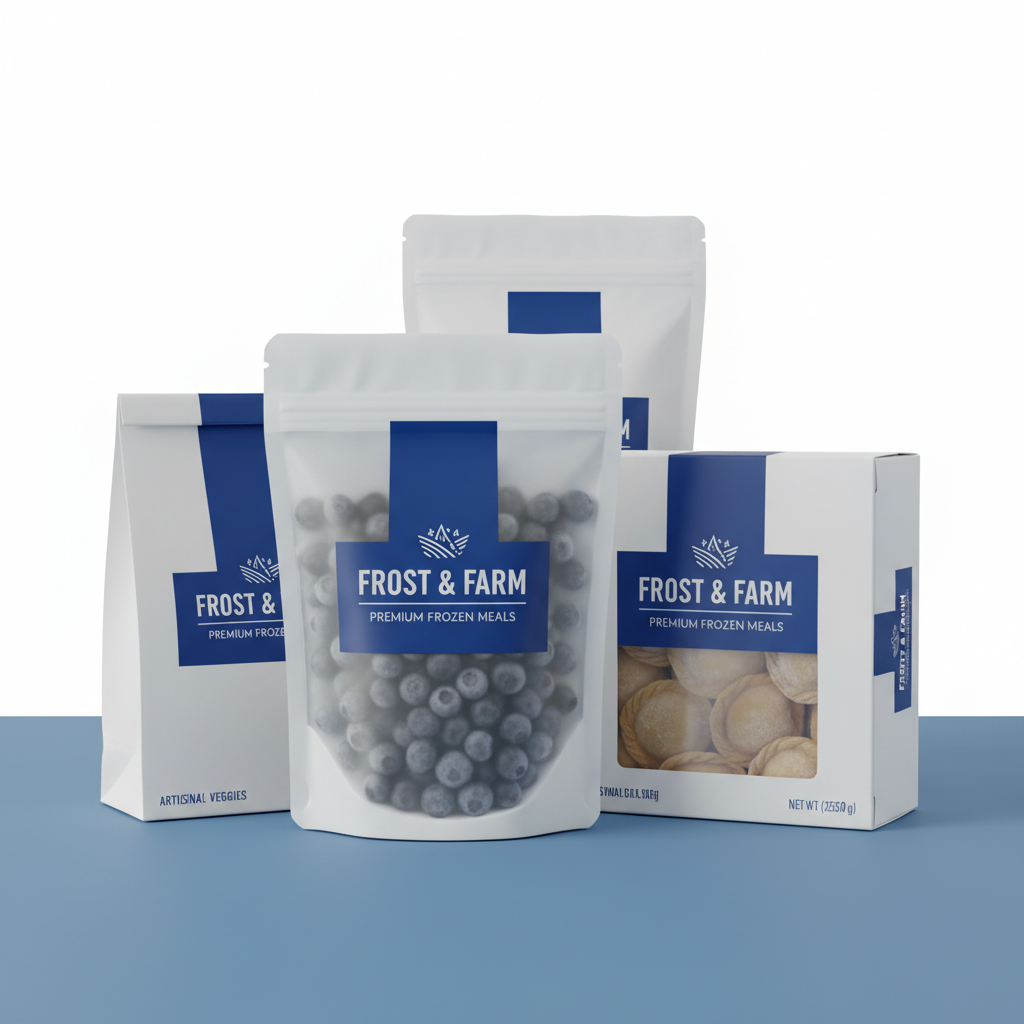
Understanding the Challenges of International Frozen Food Packaging
Exporting frozen foods introduces unique packaging hurdles beyond domestic requirements. Temperature fluctuations during transit, longer shipping times, and varying humidity levels demand robust packaging solutions. Furthermore, different countries have distinct labeling regulations, language requirements, and import standards. Packaging materials must withstand these conditions while maintaining food safety and integrity. The selection process isn’t simply about cost; it's about minimizing spoilage, adhering to international regulations, and presenting a professional image to global consumers. It's crucial to consider the entire supply chain, from production to consumer delivery, when making packaging decisions.
Key Considerations: Temperature control, compliance with international food safety standards, labeling accuracy in multiple languages, and resistance to physical damage during transport.
Material Selection for Optimal Frozen Food Preservation
Choosing the right packaging material is fundamental. Common options include polyethylene (PE), polypropylene (PP), polyethylene terephthalate (PET), and multilayer laminates. Each material offers distinct advantages and disadvantages concerning cost, barrier properties (oxygen, moisture, light), and recyclability. Multilayer laminates, combining different materials, often provide the best overall performance for frozen food, offering superior barrier protection and structural integrity. Consider the specific requirements of your product – is a high oxygen barrier crucial? Is moisture resistance paramount? The chosen material should align with these needs and comply with food contact regulations in your target markets. For instance, European regulations differ from those in the US or Asia.
Material Comparison:
• PE: Cost-effective, good moisture barrier, limited oxygen barrier.
• PP: High temperature resistance, good chemical resistance, moderate barrier properties.
• PET: Excellent clarity, good strength, moderate barrier properties.
• Multilayer Laminates: Superior barrier properties, customizable, typically more expensive.
Regulatory Compliance for Frozen Food Packaging Across Borders
Navigating international food packaging regulations can be complex. The FDA in the United States, EFSA in Europe, and equivalent agencies in other countries have specific requirements for materials used in food contact, labeling, and traceability. Ensuring compliance is non-negotiable to avoid import delays, fines, or product recalls. This includes proper declaration of materials, allergen labeling in the required languages, and adherence to weight and volume regulations. Working with a packaging supplier experienced in international trade is crucial to ensure your packaging meets all necessary requirements for your target markets. Consider certifications like ISO 22000 to demonstrate your commitment to food safety.
Cost Optimization Strategies in Frozen Food Packaging
Packaging costs can significantly impact profitability. Optimizing packaging design, minimizing material waste, and leveraging economies of scale are essential. Consider lightweighting materials without compromising protection, optimizing palletization for efficient transportation, and exploring reusable or recyclable options. Negotiating favorable terms with packaging suppliers and streamlining the packaging process can also yield substantial cost savings. Conducting a thorough cost-benefit analysis of different packaging options is crucial to identify the most economical solution without sacrificing quality or compliance.
Sustainable Packaging Solutions for a Greener Future
Consumers are increasingly demanding sustainable packaging. Exploring recyclable, biodegradable, or compostable materials demonstrates environmental responsibility and enhances brand image. While transitioning to sustainable options may require upfront investment, it can yield long-term benefits, including access to new markets and improved customer loyalty. Consider options like bio-based plastics, recycled content, and minimized packaging layers. Partnering with packaging suppliers committed to sustainability is key to achieving your environmental goals. Bulk Buy Packaging provides a variety of sustainable options to meet these evolving demands.
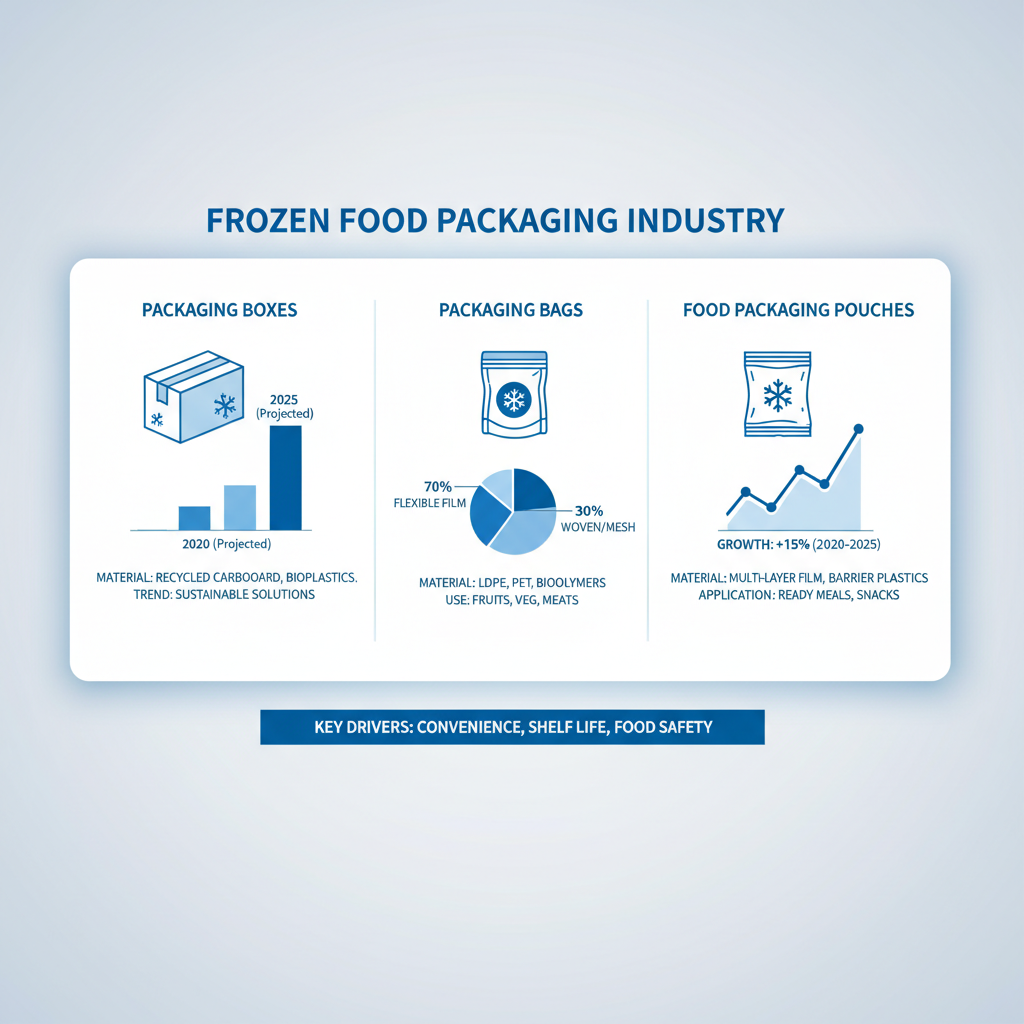
Conclusion: Packaging as a Strategic Asset
Effective frozen food packaging isn’t just about containment; it's a strategic asset that impacts product quality, cost efficiency, regulatory compliance, and brand perception. By carefully considering material selection, navigating international regulations, optimizing costs, and embracing sustainability, you can unlock new opportunities in the global frozen food market. Investing in the right packaging solutions is an investment in your long-term success.
Frequently Asked Questions (FAQs)
What is the role of modified atmosphere packaging (MAP) in frozen food preservation?
Modified Atmosphere Packaging (MAP) involves altering the gas composition within the package to extend shelf life and maintain product quality. For frozen foods, MAP typically involves reducing oxygen levels and increasing nitrogen or carbon dioxide. This inhibits oxidation, slows down microbial growth, and preserves the color, flavor, and texture of the product. MAP is particularly effective for meats, seafood, and prepared meals, allowing for longer storage times and reduced food waste. It's crucial to select a packaging material with appropriate barrier properties to maintain the modified atmosphere.
How do I ensure my packaging meets EU food contact regulations?
Ensuring compliance with EU food contact regulations (EC No 1935/2004) requires verifying that all packaging materials are made from substances approved for food contact and that they do not migrate harmful levels of chemicals into the food. Materials must meet specific migration limits (SMLs) and be accompanied by a Declaration of Compliance (DoC) from the supplier. The DoC should detail the materials used, their composition, and compliance with relevant EU legislation. It’s crucial to work with a reputable packaging supplier who understands EU regulations and can provide the necessary documentation.
What are the benefits of using recyclable packaging for frozen foods?
Using recyclable packaging offers several benefits, including reduced landfill waste, conservation of natural resources, and improved brand image. Consumers increasingly favor brands that demonstrate environmental responsibility. However, recyclability of frozen food packaging can be challenging due to the presence of multilayer laminates. Mono-material structures, such as PE or PP, are more easily recyclable. Collaboration with recycling facilities and participation in packaging recycling programs are essential to maximize the recyclability of your packaging.
What are the key considerations when designing packaging for frozen seafood?
Frozen seafood requires packaging that provides a high oxygen barrier to prevent oxidation and freezer burn, excellent moisture barrier to prevent ice crystal formation, and resistance to low temperatures. Materials like multilayer laminates with EVOH or metallized PET are commonly used. Proper sealing is critical to maintain the integrity of the package and prevent contamination. Additionally, consider the specific type of seafood – delicate fillets may require cushioning to prevent damage during handling and transportation.
