


The growing demand for branded and functional paper used for wrapping food has transformed the packaging industry, with paper used for food packaging now offering both protection and marketing opportunities. Custom printed paper packaging for food products combines food safety requirements with brand visibility, creating innovative solutions for bakeries, restaurants, and food retailers. These specialized materials must balance print quality with essential food-grade properties to ensure product freshness while effectively communicating brand messages.
Custom Printing on Paper Used for Wrapping Food
Key considerations for printing on paper used for wrapping food:
• Food-safe ink formulations that meet FDA/EU regulations
• Print durability during food handling and transportation
• Colorfastness when exposed to moisture or oils
• Compatibility with different food types and textures
• Custom sizing options for various product shapes
• Variable data printing for promotions or nutritional info
• Special finishes like spot UV or embossing on safe areas
|
Specification |
Details |
|
Paper Type |
White, 40gsm |
|
Quantity |
1000 sheets |
|
Colours |
1 Colour - Black or any other Pantone colour |
|
Shipping |
Available worldwide; shipping fees not included in the price. Submit your order first, and our freight team will provide multiple freight options. |
|
Lead Time |
30–35 Working Days / 10–15 Working Days |
|
Price |
$37.00 |
|
Sample Option |
Order a free sample pack |
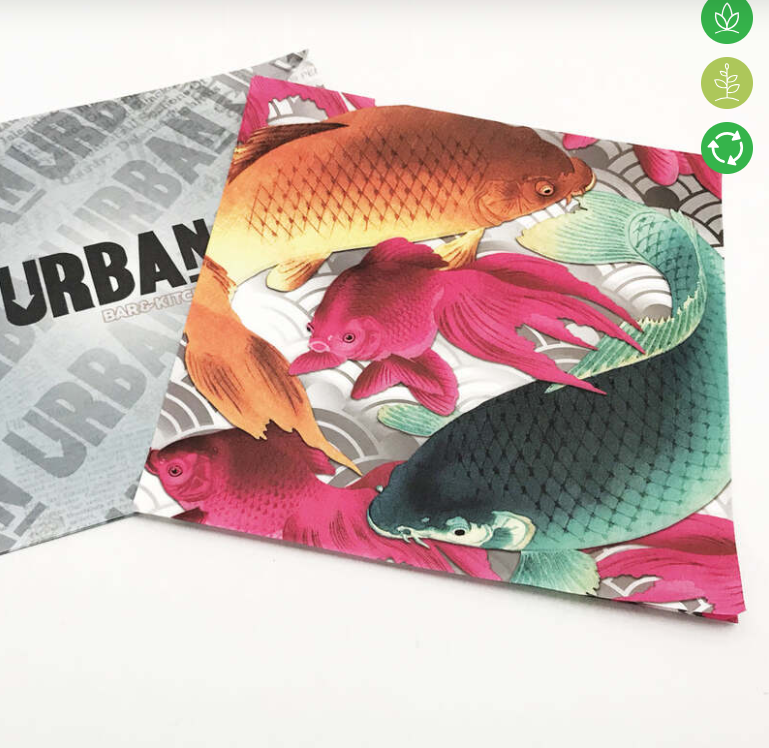
Safety Standards for Paper Used for Food Packaging
Critical requirements for paper used for food packaging:
• FDA 21 CFR and EU 1935/2004 compliance certifications
• Migration testing for inks and coatings
• Grease and moisture resistance levels
• Thermal stability for hot food applications
• Absence of harmful bleaching agents
• Recyclable and compostable options
• Barrier properties for specific food types
Innovations in Paper Packaging for Food Products
Emerging trends in paper packaging for food products:
• Smart packaging with QR codes for traceability
• Antimicrobial treated papers for extended freshness
• Edible ink printing technologies
• Plant-based barrier coatings as plastic alternatives
• Hybrid materials combining paper with biopolymers
• Weight-reduced but performance-enhanced papers
• Custom die-cut shapes for unique product presentations
Printing techniques for food-grade papers
Optimal methods for paper used for wrapping food:
• Flexographic printing for large volume orders
• Digital printing for short runs and customization
• Offset printing for high-resolution brand graphics
• Water-based ink systems ensuring food safety
• Cold foil applications for metallic accents
• Laser scoring for easy-open features
• Specialty coatings that maintain print integrity
Design considerations for food packaging
Effective paper packaging for food products design:
• Brand consistency across packaging formats
• Legibility of essential food information
• Visual appeal that enhances product perception
• Structural design for optimal food protection
• Color psychology in food presentation
• Sustainable design elements
• Practicality for end-user handling
Paper Used for Food Packaging FAQs
Q: What’s the difference between paper used for wrapping food and paper used for food packaging?
A: Paper used for wrapping food is designed for direct contact with food, prioritizing grease resistance, cleanliness, and flexibility (e.g., wrapping sandwiches or pastries). It’s often lightweight and may have minimal coatings. Paper used for food packaging is broader, encompassing materials for boxes, bags, or liners that hold or protect food during storage/transport. It may be thicker, sturdier, or include barriers (like wax) for durability, though not always in direct contact with food.
Q: Are all types of paper packaging for food products recyclable?
A: No, not all paper packaging for food products is recyclable. Plain, uncoated paper is typically recyclable, but those with non-paper coatings (e.g., plastic or wax layers for moisture resistance) may complicate recycling. Compostable options (like plant-based coated paper) are recyclable in industrial compost facilities but not always in standard curbside programs. Check for recycling symbols or supplier guidelines to confirm—look for certifications like FSC or compostability labels.
Q: What safety standards must paper used for wrapping food comply with?
A: Paper used for wrapping food must meet strict food contact standards, such as FDA regulations in the U.S. or EU 10/2011 in Europe. These standards restrict harmful substances (e.g., heavy metals, residual chemicals) and ensure no toxic compounds migrate into food, even when in contact with moisture, heat, or grease. Reputable suppliers provide compliance certificates verifying their paper is free from contaminants and safe for direct consumption contact.
Q: How does the thickness of paper used for food packaging affect its performance?
A: Thickness (measured in gsm) impacts durability and functionality. Lighter paper used for food packaging (30–50gsm) works for wrapping or lightweight bags (e.g., for cookies). Heavier paper (60–100gsm) is better for boxes or rigid packaging, offering structural support to protect fragile foods (e.g., fruits, pastries) during transport. Thicker paper also holds prints better, resists tearing, and provides better moisture/grease barriers when coated.
Q: Can paper packaging for food products be customized with branding, and what options are available?
A: Yes, paper packaging for food products offers extensive customization. Options include custom sizes, shapes, and prints (logos, colors, or messages) using food-safe inks. Coating choices (matte, gloss, or UV) enhance branding visibility, while finishes like embossing or die-cutting add texture. Sustainable brands may opt for recycled materials with eco-friendly inks. Suppliers often support Pantone color matching and variable data printing for personalized touches, aligning packaging with brand identity.
