


The safety standards governing paper used in food packaging are critical for protecting consumer health while maintaining product quality. Specialized paper for pizza packaging requires unique certifications, while recycled paper food packaging must meet stringent purity requirements. These regulations ensure that all paper-based food contact materials prevent contamination and maintain food safety throughout the supply chain.
Safety Standards for Paper Used in Food Packaging
Key regulations for paper used in food packaging include:
• FDA 21 CFR compliance for direct food contact
• EU Regulation 1935/2004/EC requirements
• Migration limits for heavy metals and other contaminants
• Prohibited substance lists for paper manufacturing
• Required barrier properties for different food types
• Testing protocols for extractables and leachables
• Certification processes for global market access
|
Specification |
Details |
|
Paper Type |
White, 40gsm |
|
Quantity |
2000 sheets |
|
Colours |
1 Colour - Black or any other Pantone colour |
|
Shipping |
Available worldwide; shipping fees not included in the price. Submit your order first, and our freight team will provide multiple freight options. |
|
Lead Time |
30–35 Working Days / 10–15 Working Days |
|
Price |
$37.00 |
|
Sample Option |
Order a free sample pack |
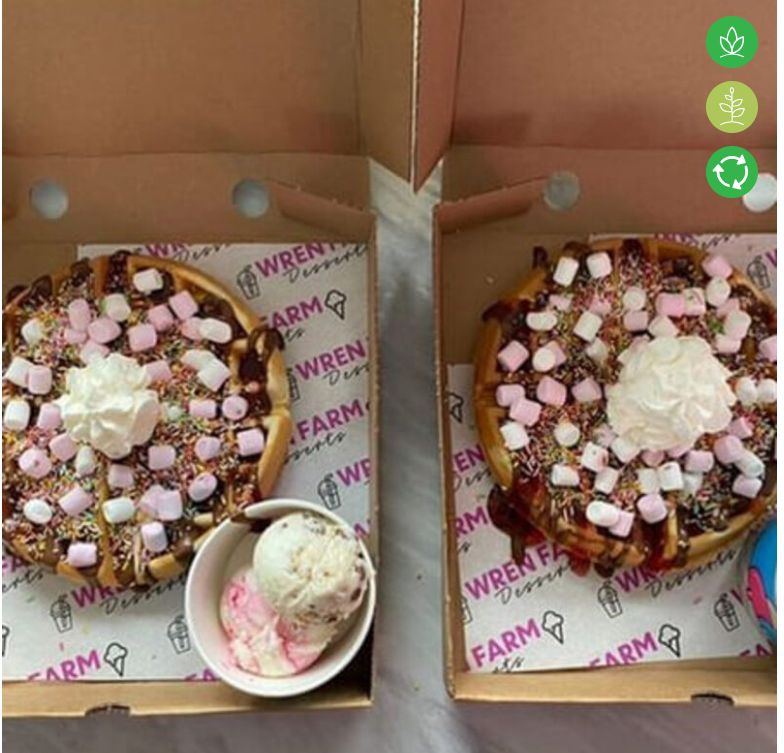
Special Requirements for Paper for Pizza
Paper for pizza packaging faces unique safety challenges:
• Grease resistance testing under high temperatures
• Structural integrity requirements during transport
• Ventilation standards to prevent moisture buildup
• Direct cheese contact safety certifications
• Printed surface ink migration limits
• Microwave safety testing for reheating
• Stacking strength for delivery operations
Certifications for Recycled Paper Food Packaging
Recycled paper food packaging must meet additional standards:
• FDA compliance for post-consumer recycled content
• Deinking process chemical residue limits
• Prohibited source materials for recycled pulp
• Microbial contamination prevention measures
• Optical brightener restrictions
• Heavy metal content thresholds
• Food-grade processing facility requirements
Testing methods and compliance
Verification processes for food-safe papers include:
• Migration testing simulating food contact conditions
• Accelerated aging tests for long-term safety
• Sensory evaluation to detect odor transfer
• Grease resistance testing for oily foods
• Extractables analysis using food simulants
• Microscopic examination for fiber contamination
• Chemical analysis for restricted substances
Global regulatory variations
International differences in paper used in food packaging rules:
• EU vs. FDA approach to recycled content
• Varying limits on bleaching agents
• Country-specific ink regulations
• Different testing methodologies
• Alternative certification bodies
• Unique labeling requirements
• Disparate enforcement practices
Paper for Pizza FAQs
Q: What makes paper for pizza different from other types of paper used in food packaging?
A: Paper for pizza is specially engineered to withstand high temperatures, heavy grease, and moisture from hot pizza. It often includes greaseproof coatings or dense fiber structures to prevent oil bleed-through and maintain structural integrity when holding warm, cheesy toppings. In contrast, other paper used in food packaging (e.g., for dry snacks or cold foods) may prioritize lightweight design or recyclability over heat and grease resistance.
Q: Is recycled paper food packaging suitable for holding hot pizza?
A: Yes, recycled paper food packaging can be suitable for hot pizza if it’s treated with food-safe coatings (like plant-based wax or silicone) to enhance heat and grease resistance. However, uncoated recycled paper may absorb moisture or grease more easily, leading to sogginess. Look for recycled pizza paper certified for high-temperature use (up to 180°C/356°F) and tested for food safety to ensure it meets regulatory standards.
Q: What safety standards must paper used in food packaging (including pizza paper) comply with?
A: Paper used in food packaging must meet strict safety standards, such as FDA regulations in the U.S. or EU 10/2011 in Europe, which restrict harmful substances like heavy metals or chemical migrants. For pizza paper, additional standards may apply for heat resistance and greaseproof coatings to ensure no toxic compounds leach into food when exposed to warmth or oil. Reputable suppliers provide compliance certificates verifying these standards.
Q: How does the thickness of paper for pizza affect its performance?
A: Thickness (measured in gsm) directly impacts paper for pizza performance. Lighter paper (e.g., 30–40gsm) works for thin-crust pizzas or liners but may tear under heavy toppings. Heavier paper (50–80gsm) offers better durability, resisting tearing and grease soak-through, making it ideal for thick-crust or loaded pizzas. Thicker paper also holds its shape better during delivery, preventing sagging or collapse.
Q: Can recycled paper food packaging be customized with branding, like logos or designs?
A: Yes, recycled paper food packaging (including pizza paper) can be customized with branding using food-safe, water-based inks. Customization options include logos, slogans, or seasonal designs, which help reinforce brand identity. However, recycled paper may have a slightly textured surface, so designs should avoid overly intricate details that could appear blurry. Suppliers often offer Pantone color matching to ensure brand consistency while maintaining eco-friendly credentials.
