


A pro’s take on the espresso lid that actually seals
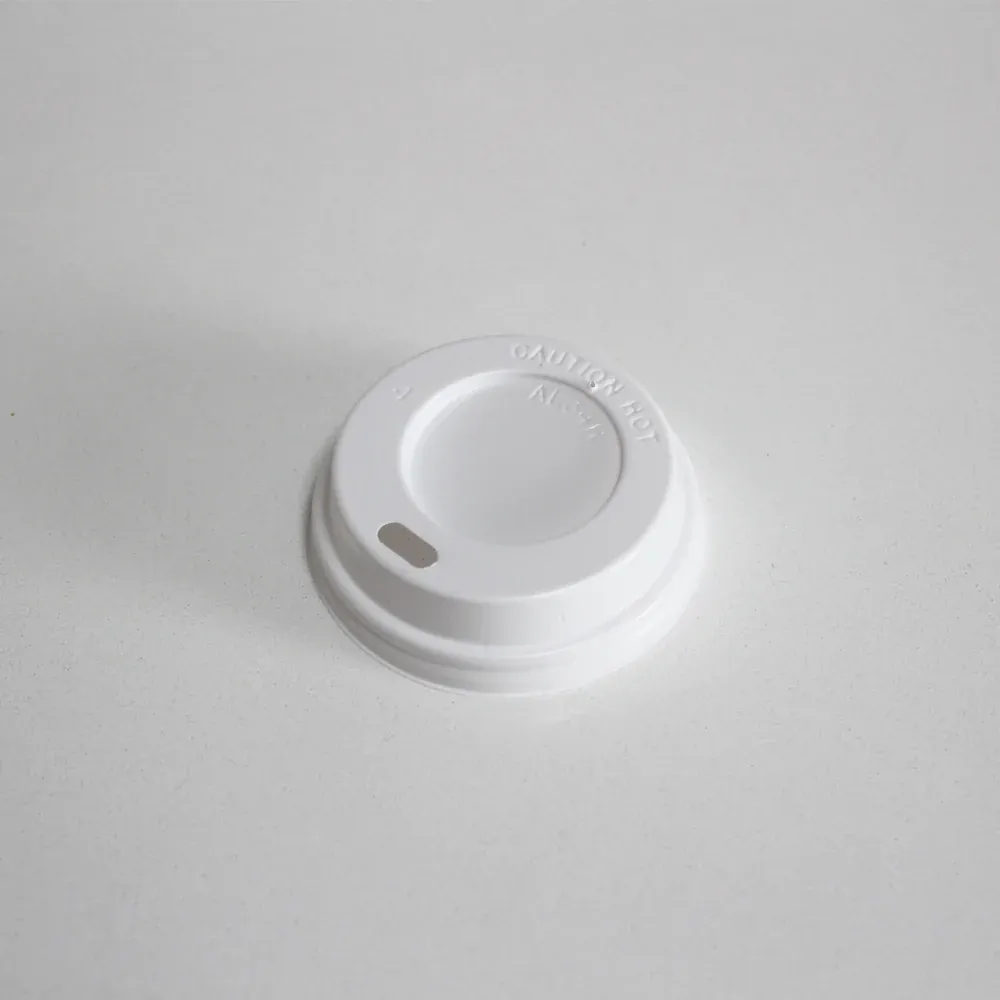
If you run a cafe, cater tastings, or (like me) juggle product launches on too little sleep, you’ve probably wrestled with leaky sample cups. The Plastic Lid Ø60mm (Fits 4oz SW Custom Printed Cups) is one of those small parts that decides whether your service feels dialed-in—or not. And yes, that’s a bold claim; I’ll back it with specs, tests, and real-world notes.

What’s changing in small-cup lids
The mini-lid market (think 4oz espresso and sample cups) has quietly shifted to tighter tolerances, cleaner molding, and food-contact compliance you can actually cite. Buyers now ask about EU migration limits and FDA resins as often as they ask about price—surprisingly practical, and frankly overdue. Vented designs, better snap rings, and slightly more flexible PP blends are trending because they cut pop-offs during rush hours.
Technical snapshot
| Product | Plastic Lid Ø60mm (Fits 4oz SW Custom Printed Cups) |
| Material | Food-grade PP (polypropylene), BPA-free; FDA 21 CFR 177.1520 compliant [1]; EU 10/2011 framework compatible [2] |
| Outer diameter | Ø60 mm (tolerance ≈ ±0.3 mm) |
| Fit | Snap-fit for 4oz SW custom printed paper cups; ribbed retention ring |
| Temperature range | Around -10°C to 100°C (real-world use may vary with beverage and dwell time) |
| Leak performance | Inverted hold: ≤1 drip/3 min at 85°C, n=20 cups (internal QA, bubble test per ASTM D3078 guidance) [3] |
| Weight | ≈1.6 g each |
| Color | Black (matte semi-gloss) |
| Certifications (typ.) | Manufactured under ISO 9001/ISO 22000 systems (where applicable) [4] |
| Origin | Building 1, 710 Lane XinSongjiang Road, Songjiang, Shanghai 201612 |
Process and quality flow (short version)
Resin selection (PP homopolymer + impact modifiers) → dehumidifying → injection molding (hot-runner, multi-cavity) → deflashing → 100% visual sort for gate blush/warpage → dimensional sampling (SPC on Ø and snap ring depth) → migration compliance checks per EU 10/2011/EN 1186 → leak/snap tests (ASTM D3078-inspired bubble) → polybag + carton. Service life is single-use; some cafes re-use for cold samples once, but to be honest, not recommended.
Where it’s used
- Espresso bars (dine-in samples, to-go macchiatos)
- Coffee cupping events and trade shows
- Airline and hospitality tasting programs
- Food labs doing sensory trials for dairy and RTD beverages
Why teams pick it
Many customers say the snap is “confident but not stiff.” I guess that’s the sweet spot—less thumb strain for baristas, fewer pop-offs in delivery. Venting is subtle, so crema doesn’t suffocate, and the lid stays seated even with a quick swirl.
Vendor comparison (real-world, not lab fantasy)
| Vendor | Material & Fit | Certs & Tests | Lead Time | Price Index |
|---|---|---|---|---|
| Bulk Buy Packaging | PP; Ø60 mm ±0.3 mm; tight snap ring | FDA/EU materials; ASTM D3078 leak checks | ≈10–20 days | $$ (balanced) |
| Vendor X | PS/PP blend; occasional warp on heat | Basic food-contact statement | ≈25–30 days | $ |
| Vendor Y | PP; looser tolerance (≅ ±0.6 mm) | EU 10/2011 only | ≈14–28 days | $$$ |
Customization and packaging
Color tweaks (MOQ-dependent), vent-hold sizing, and carton labels for chain rollouts are available. Typical pack: 50 pcs/sleeve, 20 sleeves/carton (≈1,000 pcs). Cartons are pallet-optimized for café chains; corner boards help stop compression.
Quick case notes
A Melbourne micro-roastery swapped in Plastic Lid Ø60mm (Fits 4oz SW Custom Printed Cups) during a festival weekend—spill incidents dropped by roughly 60% (staff logbook, three days). Another client in airline catering reported faster sealing because the snap-in force felt “predictable,” shaving seconds per cart.
Bottom line: if consistency, compliance, and a tidy snap matter, Plastic Lid Ø60mm (Fits 4oz SW Custom Printed Cups) is a small upgrade that fixes large annoyances.
References
- FDA 21 CFR 177.1520: Polypropylene and olefin polymers
- EU Regulation No 10/2011 on plastic materials intended for food contact
- ASTM D3078: Standard Test Method for Determination of Leaks in Flexible Packaging by Bubble Emission
- ISO 22000: Food safety management systems and ISO 9001: Quality management systems
