


Regional Analysis
The Paper Packaging Landscape in Uganda
Analyzing the intersection of urban growth, food culture, and sustainable packaging requirements.
Uganda's food and beverage industry is experiencing significant expansion, particularly within urban centers like Kampala. The rise of "street-to-home" delivery and the proliferation of mobile catering services have surged the demand for reliable, disposable food containers. Historically, the market relied heavily on low-cost plastic or generic paper imports, but there is a noticeable shift toward professionalized packaging that can withstand the humid tropical climate while maintaining food safety and presentation standards.
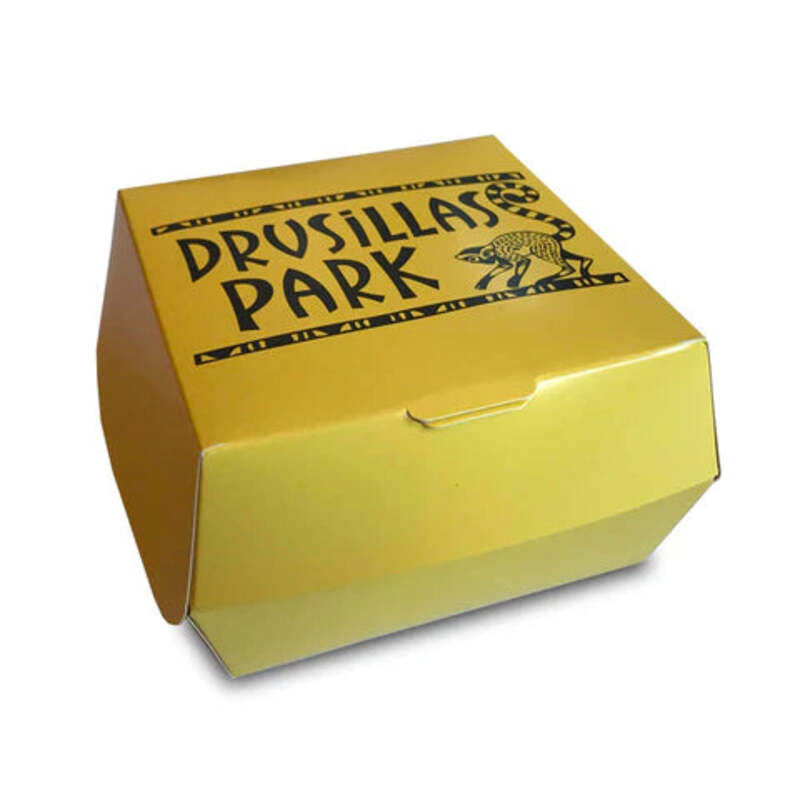
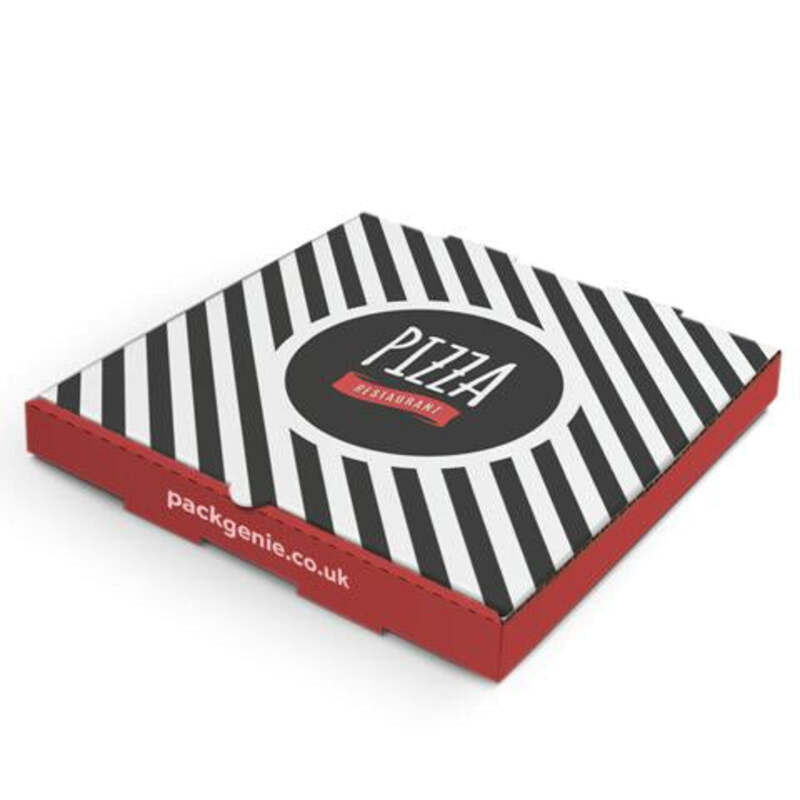
Current market trends are heavily influenced by a dual drive toward sustainability and brand differentiation. As local consumers become more environmentally conscious, there is an increasing preference for biodegradable materials over traditional polymers. Simultaneously, the growth of specialty cafes and boutique bakeries has created a niche for high-aesthetic packaging. Businesses are moving away from plain white boxes toward custom-printed designs that tell a brand story, utilizing packaging as a primary marketing tool to capture attention in competitive urban markets.
Despite the growth, constraints remain in the form of fragmented supply chains and high costs for small-batch customization. The opportunity lies in bridging the gap between large-scale manufacturing and the needs of SMEs. By providing access to a marketplace of manufacturers, businesses can now obtain professional-grade supplies without the prohibitive costs of traditional sourcing. The outlook for the Ugandan market is positive, with a projected increase in the adoption of specialized papers for cooking and grease-resistant solutions for the fast-food sector.
Industry Journey
Evolution of Paper Packaging Standards
Tracing the shift from basic utility to strategic branding and environmental responsibility.
Early Adoption
Utility Focus
Packaging was primarily used for basic containment. Materials were generic, with little focus on branding or specialized properties like grease resistance, serving only as a transport vessel.
Recent Development
Brand Awareness
Businesses began integrating logos and colors into their packaging. The introduction of customized boxes helped differentiate local brands, although accessibility remained limited to larger enterprises.
Current Phase
Sustainable Optimization
The focus has shifted to "Eco-Branding," where sustainability is a core part of the value proposition. High-performance, biodegradable materials now combine functionality with environmental ethics.
Material Sophistication
The transition from simple paper to engineered substrates that offer specific barriers against moisture and oil, significantly extending the shelf-life of takeout foods.
Democratization of Design
Digital printing and marketplace sourcing have made it possible for a small local cafe to access the same quality of packaging as a global franchise.
Circular Economy Integration
An increasing movement toward fully compostable packaging cycles, reducing the burden on local waste management systems in expanding cities.
Future Outlook
Emerging Directions in Paper Packaging
Key shifts redefining how food and retail products are protected and presented.
Sustainable Substrates
The move toward agricultural waste-based papers. By using non-wood fibers, companies reduce deforestation impact while maintaining the strength needed for food containers.
Smart Packaging Integration
Incorporating QR codes and interactive elements on custom boxes to link customers to digital menus, loyalty programs, and sustainability stories.
Modular Design Systems
Developing interchangeable packaging components that allow businesses to use one base box for multiple products, reducing inventory complexity and cost.
High-Barrier Bio-Coatings
Replacing plastic linings with aqueous-based bio-coatings that provide equivalent grease and water resistance while remaining fully home-compostable.
The convergence of these trends indicates a move toward "Functional Aesthetics." It is no longer enough for a box to simply look good; it must actively solve operational problems—such as preventing leakage in delivery—while signaling the brand's commitment to the planet. This is particularly relevant in the Ugandan context, where urban delivery logistics often involve varied terrain and humidity, requiring packaging that is both robust and breathable.
Furthermore, the shift toward a marketplace model for sourcing allows for rapid iteration. Businesses can test new packaging designs in smaller quantities before committing to large runs, reducing the financial risk of innovation. This agility is enabling a new wave of entrepreneurial food ventures to launch with a professional image from day one, accelerating the overall modernization of the local food service economy.
Practical Application
Real-World Packaging Use Cases in Uganda
How specialized paper products solve specific operational challenges across different business models.
01
Kampala Street Food Vendor utilizing Greaseproof Bags
In the high-traffic areas of Kampala, a vendor selling fried snacks faces the problem of oil soaking through standard paper, creating a mess for the customer. By switching to high-barrier greaseproof bags, the vendor eliminates leaks and improves the customer's eating experience. This simple material upgrade reduces cleaning time and enhances the perceived quality of the food, allowing the vendor to compete more effectively with established cafes.
02
Artisanal Bakery using Custom Cupcake Boxes
A boutique bakery specializing in luxury desserts needs to transport fragile cupcakes across the city. Standard containers often allow the cakes to slide and ruin the frosting. By implementing custom-fit cupcake boxes with secure inserts, the bakery ensures that every product arrives in pristine condition. This professional presentation justifies a premium price point and encourages social media sharing, driving organic growth through visual appeal.
03
E-commerce Boutique implementing Box Packaging Tape
A growing online fashion store in Uganda struggles with packages opening during transit due to low-quality adhesives. By upgrading to high-tack box packaging tape, they ensure that shipments remain sealed and secure regardless of the delivery distance. This reduces the rate of damaged or tampered goods, lowering the cost of returns and increasing customer trust in their logistics process.
04
Professional Catering Service using Baking Cooking Paper
A catering company handling large events faces inefficiency and food waste due to sticking in industrial ovens. By adopting premium baking cooking paper, they create a non-stick barrier that ensures consistent results and speeds up the cleanup process. This operational efficiency allows the team to handle more orders simultaneously without compromising on quality, directly increasing their daily throughput.
05
Quick-Service Restaurant adopting Eco-friendly Food Containers
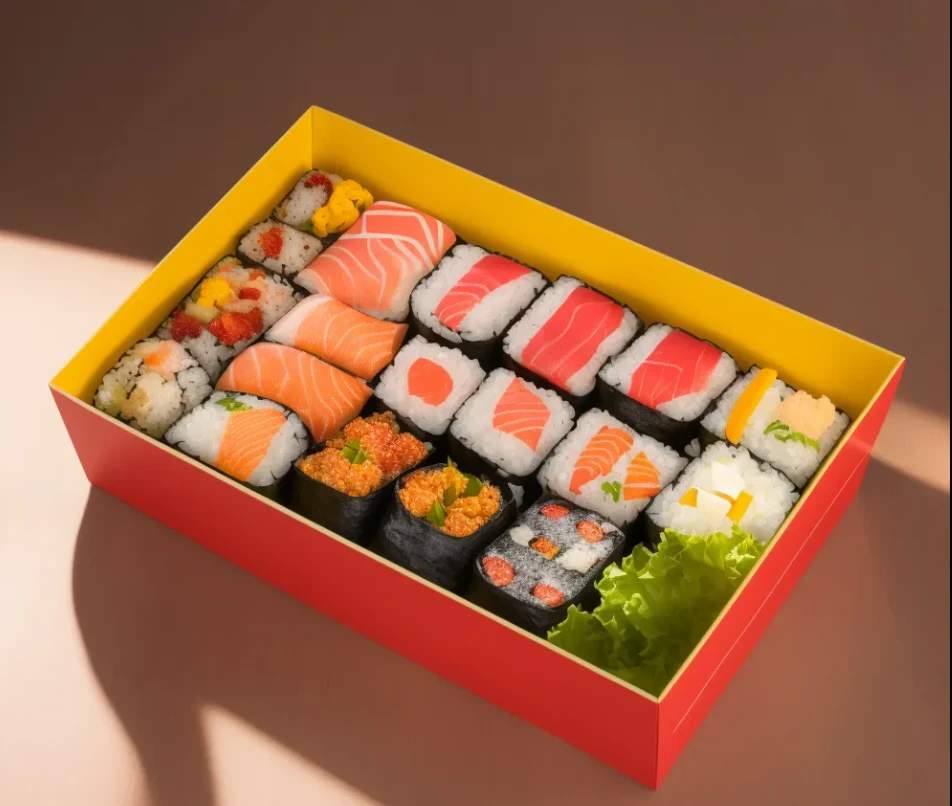
A fast-food chain aiming to reduce its plastic footprint transitions to biodegradable food containers. Facing the challenge of maintaining structural rigidity for hot, heavy meals, they choose reinforced paperboard solutions. The result is a significant reduction in plastic waste and a positive brand association with environmental stewardship, attracting a younger, more eco-conscious demographic of diners.
Industry Perspectives
Representative Deployment Scenarios
Insights into how professional packaging transforms operational outcomes for typical operators.
Implementing customized branded packaging has allowed a typical small-scale cafe to transition from a local hidden gem to a recognized urban brand. The ability to order professional boxes in smaller quantities removes the barrier to entry for high-end visual marketing, directly impacting foot traffic and customer loyalty.
For high-volume food vendors, the shift to specialized greaseproof materials is a game-changer for operational hygiene. Reducing leaks not only improves the customer experience but significantly lowers the cost of packaging waste and cleaning, proving that material quality is a direct driver of profitability.
The adoption of biodegradable food containers helps businesses align with emerging environmental regulations in East Africa. Moving away from plastics while maintaining a sturdy structure for delivery ensures that the brand remains compliant and attractive to modern, eco-conscious consumers.
Our Identity
Cangzhou Yunan Chemical Product Sales Co., Ltd.
Dedicated to empowering businesses through sustainable and high-quality packaging solutions.
Founding
Establishing the Vision
Born from a genuine understanding of the struggles faced by growing businesses, we set out to create a branded packaging supplier that offers tailored solutions for evolving needs, filling a gap in the market for accessible, high-quality supplies.
Expansion
Custom Packaging Marketplace
We evolved into a comprehensive Custom Printed Packaging Marketplace, providing competitively priced and eco-friendly options to a wide array of clients, from high street coffee shops to e-commerce stores and mobile caterers.
Mission
Commitment to Sustainability
Our mission is to be the biggest fans of our clients. We actively seek out multiple manufacturers to secure sustainable, high-quality food packaging at competitive prices, saving our customers time and money while protecting the environment.
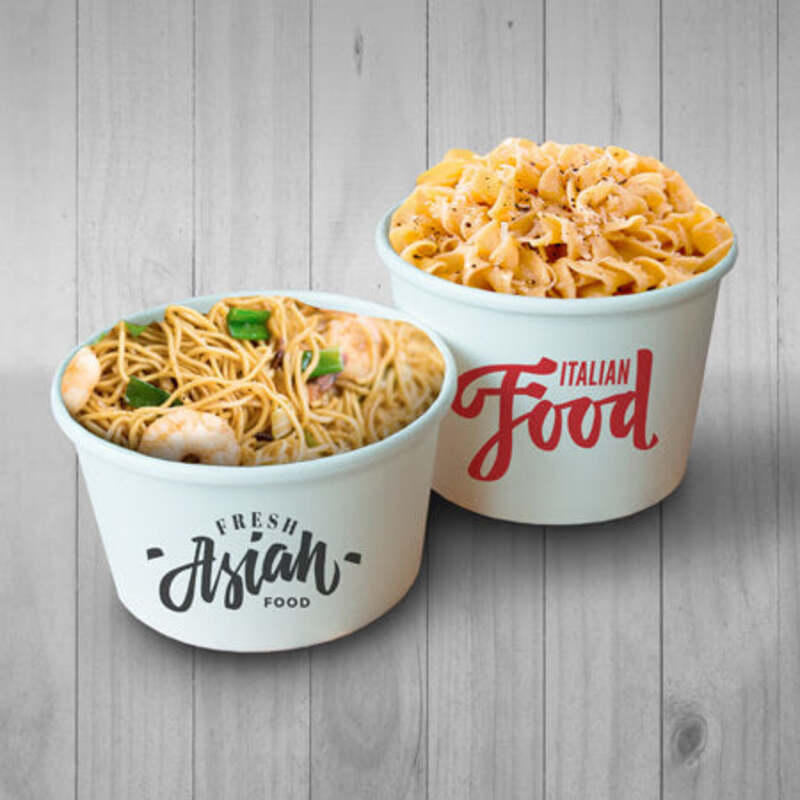
Printed Food Container - 1 Colour Screen Print
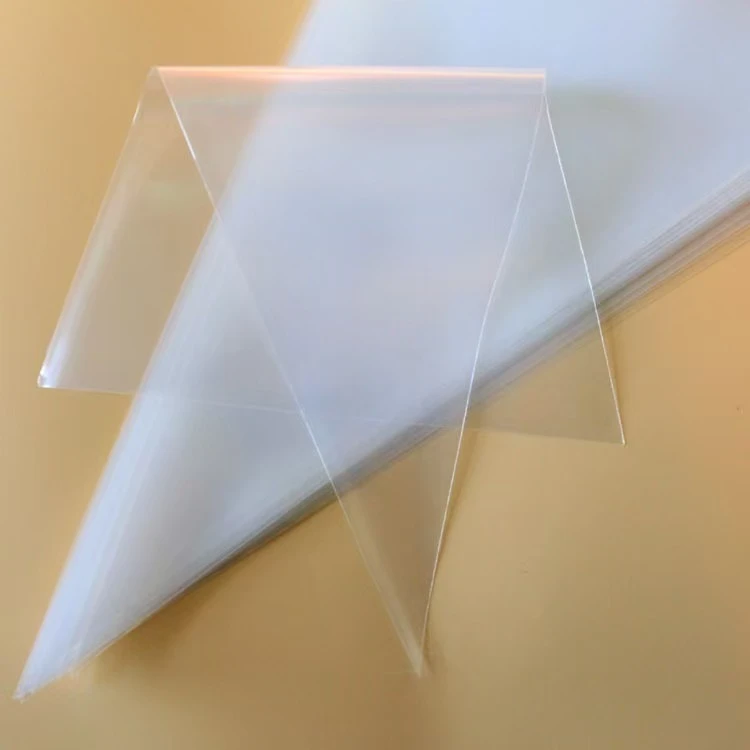
Piping Bags
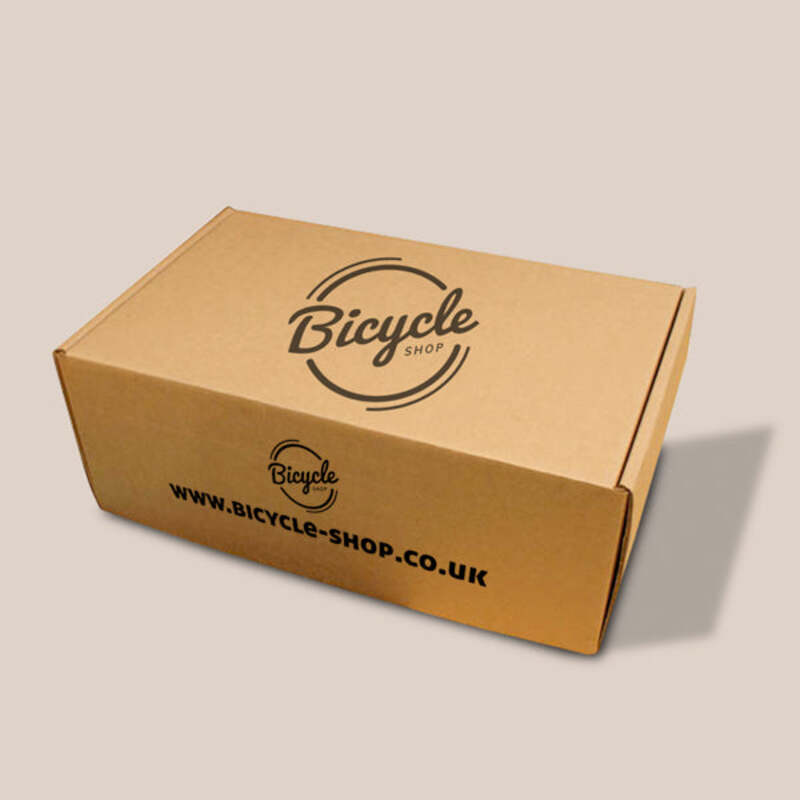
Custom Mailer Boxes 347mm x 242mm x 19mm - Brown
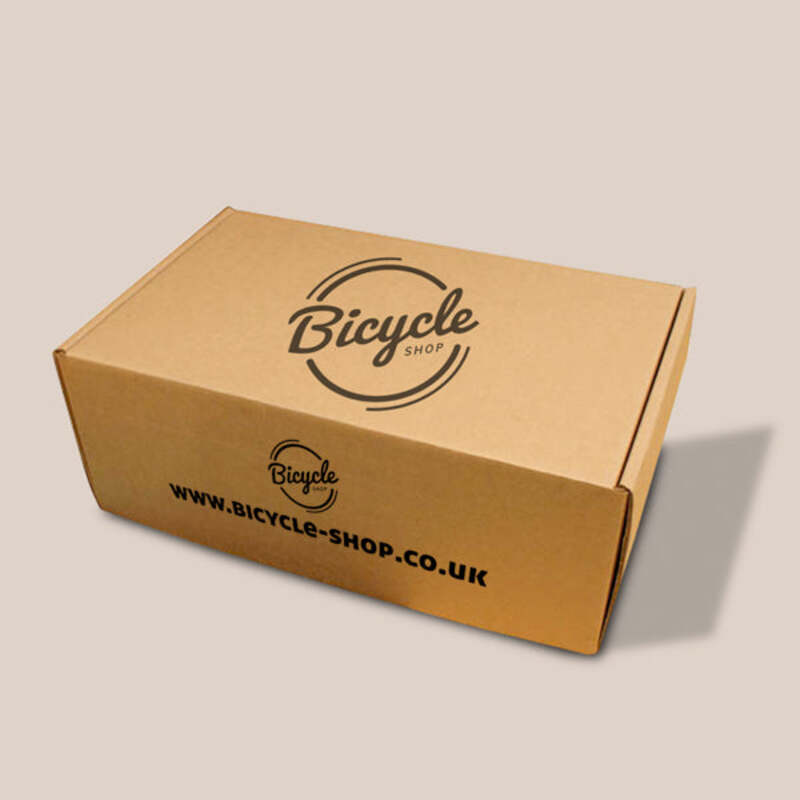
Customised Mailer Boxes 180mm x 120mm x 30mm - Brown
Common Inquiries
Packaging & Sourcing FAQ
Detailed answers to help you make informed decisions about your packaging requirements.
What makes greaseproof bags different from standard paper bags?
Greaseproof bags are treated with a specialized coating or manufactured using a denser paper structure that prevents oils and fats from penetrating the material. Unlike standard paper, which absorbs grease and becomes translucent and weak, greaseproof options maintain their structural integrity and cleanliness, making them essential for fried foods and pastries in fast-paced urban environments.
How can I get custom branding for my cupcake boxes if I have a small business?
We operate as a marketplace that connects you with various manufacturers who specialize in different production scales. This allows us to offer custom printing and branding options for smaller orders that would typically be rejected by large factories. You can choose your design, and we coordinate the production to ensure you receive high-quality, branded packaging without needing to order tens of thousands of units upfront.
Are your food containers truly biodegradable and suitable for the Ugandan climate?
Yes, we source containers made from sustainable plant-based fibers and biodegradable coatings. These materials are specifically selected to remain stable under the high humidity and temperature conditions typical of Uganda, ensuring they don't degrade prematurely while in use, but break down efficiently once disposed of in composting environments.
What is the best way to select the right baking cooking paper for professional use?
For professional use, you should evaluate three factors: temperature rating, non-stick properties, and thickness. Our baking cooking paper is designed for high-heat stability and maximum release, preventing food from sticking even without excessive greasing. We recommend matching the paper weight to your specific oven type and the duration of the cooking process to avoid burning or tearing.
How does using professional box packaging tape impact e-commerce shipping costs?
While high-quality tape may have a slightly higher unit cost, it significantly reduces overall shipping costs by minimizing product loss and returns caused by package failure. Secure sealing prevents theft and accidental opening during transit, which is critical for the diverse logistics networks in Uganda. Investing in professional tape protects the product and reduces the need for expensive replacement shipments.
What is the first step to start ordering custom packaging for my business?
The first step is to define your product requirements—such as size, material (e.g., greaseproof or biodegradable), and branding needs. Once you have these details, you can reach out to us via our contact page. We will then analyze your needs and match you with the most suitable manufacturer from our marketplace to provide a competitive quote and a sample for your approval.
Get Started Today
Ready to Elevate Your Brand with Professional Packaging in Uganda?
Whether you are a small cafe in Kampala or a growing e-commerce store, the right packaging is the silent ambassador of your brand. From greaseproof bags to custom boxes, we provide the materials and the marketplace access you need to scale efficiently and sustainably. Let us help you find the perfect balance between cost, quality, and environmental responsibility.
Discuss Your Requirements