


Introduction to Stretch Wrap Technology
In the demanding landscape of modern logistics and supply chain management, the efficient and secure unitization of goods is paramount. At the core of this critical process lies Stretch Wrap – a highly elastic plastic film used to bind items on a pallet for shipment or storage. Its primary function is to provide load stability, protect products from dust, moisture, and tampering, and enhance operational efficiency. This versatile material, primarily manufactured from linear low-density polyethylene (LLDPE), has become indispensable across a multitude of industries, evolving significantly over the years to meet increasingly stringent performance and sustainability requirements. Understanding its technical specifications, manufacturing intricacies, and diverse applications is key for B2B decision-makers seeking to optimize their packaging strategies and ensure product integrity throughout the supply chain.
The ability of Stretch Wrap to tightly secure various load configurations, from uniform boxes to irregularly shaped items, makes it a cornerstone of modern warehousing and transportation. Its unique properties, including high elasticity, excellent cling, and resistance to punctures, contribute directly to reduced transit damage and improved safety during handling. As businesses continue to globalize and supply chains become more complex, the role of advanced stretch film solutions in achieving operational excellence and cost-effectiveness only grows more pronounced.
Industry Trends and Innovations in Stretch Wrap
The global packaging industry is undergoing rapid transformation, driven by demands for sustainability, efficiency, and enhanced performance. For Stretch Wrap, several key trends are shaping its evolution:
- Sustainability & Circular Economy: There's a significant push towards films with reduced material consumption (source reduction), higher recycled content (PCR – Post-Consumer Recycled, PIR – Post-Industrial Recycled), and improved recyclability. Manufacturers are developing thinner, stronger films that provide the same or better load containment with less plastic. For instance, advanced films can achieve 200-300% pre-stretch with gauges as low as 8-10 microns, compared to older films requiring 20-25 microns.
- Automation and Smart Packaging: The rise of automated warehousing and packaging lines necessitates consistent, high-performance stretch films that can withstand the rigors of high-speed machine application. Innovations include films optimized for robotic systems and those incorporating RFID or QR codes for tracking and inventory management.
- Enhanced Performance & Specialization: Beyond basic load containment, films are being engineered for specific challenges. This includes UV-stabilized films for outdoor storage, anti-corrosion films for sensitive metals, vented films for breathability (e.g., fresh produce), and films with enhanced puncture and tear resistance for demanding loads.
- Cost Optimization Through Down-Gauging: Businesses are continually seeking ways to reduce operational costs. Down-gauging, or using thinner films without compromising performance, is a major trend. This reduces material costs per pallet wrapped and also decreases freight costs for transporting the film itself. Industry data shows that optimizing film gauge can lead to material savings of 15-30% without sacrificing load integrity.
- Data-Driven Selection: The use of advanced analytics and testing to precisely match film properties to load types and application machinery is becoming more prevalent. This ensures optimal performance and prevents over-packaging or under-packaging.
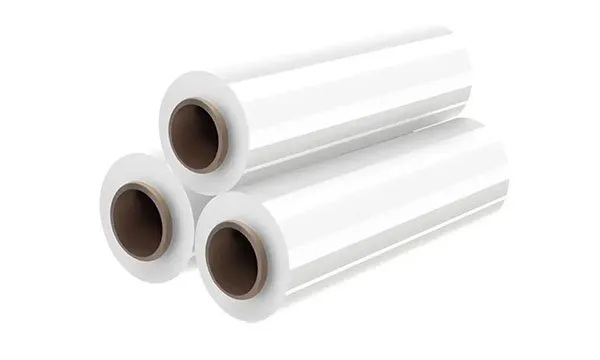
These trends underscore a move towards more intelligent, efficient, and environmentally responsible packaging solutions, with Stretch Wrap remaining a cornerstone but continuously adapting through technological advancement.
The Manufacturing Process of Stretch Wrap
The production of Stretch Wrap is a sophisticated process, primarily employing extrusion techniques to transform polymer resins into high-performance film. The choice of manufacturing method significantly impacts the film's final properties and suitability for various applications.
Product Materials:
The predominant material used is Linear Low-Density Polyethylene (LLDPE). LLDPE offers an excellent balance of properties crucial for stretch film, including high tensile strength, puncture resistance, and good cling. Specialty additives are incorporated to enhance specific characteristics:
- Cling Agents: Polyisobutylene (PIB) or metallocene resins ensure the film adheres to itself.
- UV Stabilizers: Hindered Amine Light Stabilizers (HALS) protect loads exposed to sunlight, preventing degradation of both the film and the wrapped product.
- Colorants: For identification, security, or privacy (e.g., opaque films).
- Anti-static Agents: To prevent static build-up, especially in electronics packaging.
- Corrosion Inhibitors: Volatile Corrosion Inhibitors (VCI) can be integrated for protective packaging of metal components.
Manufacturing Processes (Extrusion):
Two primary extrusion methods are employed:
- Cast Extrusion:
- Process: Molten LLDPE resin is extruded through a flat die onto a chilled roller (casting roll). As the film cools rapidly, it solidifies into a thin, consistent sheet. This method often produces multiple layers (co-extrusion) for optimized properties.
- Characteristics: Known for high clarity, quiet unwind, excellent cling (often one-sided), and consistent thickness. It typically has a lower tear resistance but good puncture resistance and high pre-stretch capabilities (up to 300%+).
- Advantages: High production rates, excellent optical properties, consistent quality.
- Blown Extrusion:
- Process: Molten LLDPE is extruded through an annular (circular) die, forming a tube. Air is blown into the center of the tube, expanding it into a bubble, which is then cooled by air rings and flattened into a two-layer film.
- Characteristics: Offers superior tear resistance, higher cling on both sides, better memory (ability to return to original shape), and greater load retention. It typically has lower clarity and can be noisier during unwind. Pre-stretch capabilities range from 150-250%.
- Advantages: Enhanced strength, memory, and superior load retention for challenging loads.
Testing Standards:
Quality assurance is paramount, with films tested against rigorous industry standards:
- ASTM D882: Tensile Properties of Thin Plastic Sheeting.
- ASTM D1922: Propagation Tear Resistance of Plastic Film and Thin Sheeting by Pendulum Method.
- ASTM D1709: Impact Resistance of Plastic Film by the Free-Falling Dart Method (Puncture Resistance).
- ISO 527: Plastics — Determination of tensile properties.
- ISO 6383: Plastics — Film and sheeting — Determination of tear resistance.
Service Life and Target Industries:
The service life of Stretch Wrap is primarily determined by its application environment and film composition. Standard films offer sufficient protection for typical transit durations, while UV-stabilized versions can extend protection for several months in outdoor storage. Target industries include:
- Petrochemical: Securing drums, bags, and bulk container111s of chemicals and resins.
- Metallurgy: Protecting metal coils, sheets, and components from corrosion and physical damage.
- Water Supply & Drainage: Packaging pipes, fittings, and infrastructure components.
- Food & Beverage: Palletizing cases, bottles, and cans for hygiene and stability.
- Construction: Securing bricks, tiles, lumber, and bagged materials.
- Pharmaceuticals: Ensuring clean, stable, and tamper-evident packaging for medical supplies.
Demonstrated Advantages in Typical Application Scenarios:
- Energy Saving: Optimized Stretch Wrap systems, particularly those utilizing high-performance machine films, can significantly reduce the amount of film required per pallet. This "down-gauging" not only saves material costs but also reduces the energy footprint associated with film production and transportation. Modern pre-stretch carriages on wrapping machines can achieve ratios of 250-300%, meaning 1 foot of film is stretched to 2.5 to 3 feet, dramatically cutting consumption.
- Corrosion Resistance: For industries like metallurgy and automotive, films impregnated with Volatile Corrosion Inhibitors (VCI) provide a protective barrier against rust and oxidation. These VCI molecules create a microscopic layer on metal surfaces, effectively safeguarding components during storage and transit without requiring messy oils or coatings.
- Load Stability and Damage Reduction: Proper application of Stretch Wrap creates a cohesive unit load, preventing individual items from shifting, toppling, or being damaged by external elements. This directly translates to reduced product loss, fewer re-shipments, and improved customer satisfaction.
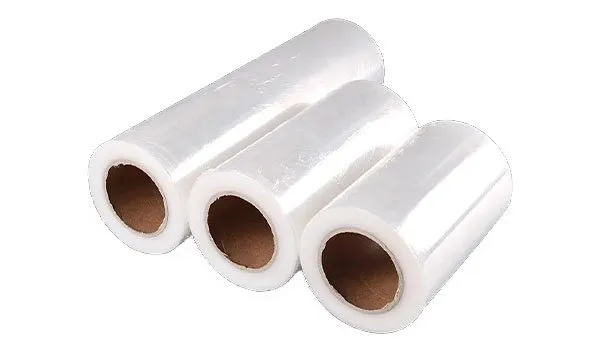
Technical Specifications and Parameters
Selecting the correct Stretch Wrap requires a detailed understanding of its technical parameters. These specifications dictate the film's performance, suitability for various loads, and cost-efficiency.
Key Performance Parameters:
- Gauge (Thickness): Measured in microns (µm) or mil. Thicker films generally offer more strength and puncture resistance, but advancements allow thinner films to achieve similar performance through improved material science. Common gauges range from 8µm (30 gauge) for light loads to 30µm (120 gauge) for heavy, irregular loads.
- Pre-Stretch Percentage: The extent to which a film can be stretched before application, typically expressed as a percentage. High pre-stretch films (e.g., 200-300%) significantly reduce material usage and cost per pallet.
- Tensile Strength: The maximum stress a film can withstand before breaking, measured in psi or MPa. Critical for load containment.
- Puncture Resistance: The film's ability to resist being pierced by sharp corners or protrusions on a load. Measured using ASTM D1709 (dart drop).
- Tear Resistance: The film's ability to resist the propagation of a tear once initiated. Measured using ASTM D1922. Blown films typically excel here.
- Cling: The adhesive property of the film that allows it to stick to itself, ensuring layers bond together for a secure wrap.
- Clarity: The transparency of the film, important for product identification via scanning or visual inspection.
- Roll Width and Length: Standard widths for machine film are typically 20-30 inches (50-76 cm), with lengths ranging from 5,000 to 10,000+ feet. Hand films are narrower (12-18 inches) and shorter (1000-2000 feet).
Stretch Wrap Product Specifications Table:
| Parameter | Standard Hand Wrap (Cast) | High-Performance Machine Wrap (Cast) | Heavy-Duty Blown Machine Wrap |
|---|---|---|---|
| Material | LLDPE (Cast) | Metallocene LLDPE (Cast) | LLDPE (Blown) |
| Gauge (Microns / Mil) | 20-23 µm / 80-90 ga | 12-17 µm / 47-67 ga | 18-25 µm / 70-100 ga |
| Pre-Stretch % (Typical) | 0-100% | 250-300%+ | 150-250% |
| Tensile Strength (MPa) | 15-20 | 25-35 | 20-30 |
| Puncture Resistance (Dart Drop, g) | 200-300 | 400-600 | 500-800+ |
| Tear Resistance (g/mil) | 100-150 | 150-250 | 300-500+ |
| Clarity | High | Very High | Medium-Low |
| Unwind Noise | Quiet | Very Quiet | Loud |
Understanding these parameters allows businesses to select a Stretch Wrap solution that precisely matches their load requirements, machinery capabilities, and budget, ensuring optimal load securement with minimal material waste.
Application Scenarios and Practical Uses
The versatility of Stretch Wrap makes it indispensable across a vast array of industrial and commercial applications. Its primary utility lies in unitizing and protecting goods for transit and storage.
- Pallet Unitization: This is the most common application, where film is wrapped around goods stacked on a pallet to create a single, stable, and secure unit. This prevents items from shifting, falling, or separating during handling, transportation, and storage. It is critical for industries handling bulk goods like beverages, packaged foods, consumer electronics, and construction materials.
- Bundle Wrapping: Smaller items or groups of products can be bundled together using stretch film. This consolidates multiple units into a single package, reducing the need for cartons or other secondary packaging and simplifying inventory management. Examples include lumber, pipes, or magazines.
- Protection from Environmental Factors: The film provides an effective barrier against dust, dirt, and moisture, which is crucial for sensitive goods, outdoor storage, or long-distance shipping. UV-stabilized films further extend this protection for products stored outdoors for extended periods, such as agricultural products or building materials.
- Security and Tamper Evidence: An intact stretch film layer indicates that the contents have not been tampered with. Opaque or colored films can also obscure contents, deterring theft and providing privacy for valuable or sensitive shipments.
- Inventory Management: Colored or printed stretch films can be used for coding and identification, streamlining inventory processes and facilitating easier segregation of goods in warehouses or during transit.
- Load Containment for Irregular Shapes: Unlike strapping or traditional cartons, Stretch Wrap conforms to the shape of the load, making it ideal for securing items with uneven surfaces or varying dimensions, such as machinery parts or mixed freight.
Specific industry examples showcase the breadth of its utility:
- Automotive: Securing engine blocks, transmission assemblies, or stacks of tires on pallets, often with specialized VCI film for corrosion protection.
- Electronics: Protecting sensitive components from dust and static, often with anti-static film.
- Agriculture: Wrapping hay bales (silage film) to preserve feed quality, or palletizing bagged fertilizers for weather protection.
- Retail Distribution: Ensuring a stable and presentable palletized load for direct store delivery.
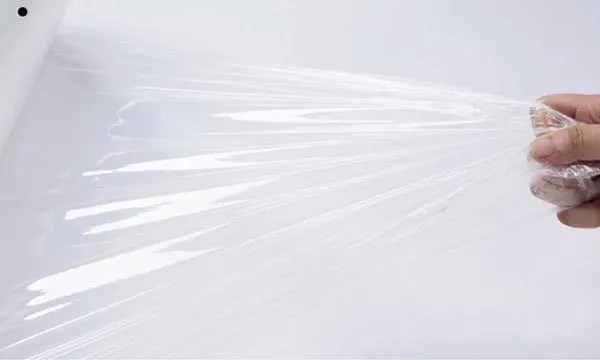
Technical Advantages and Benefits
The strategic implementation of high-quality Stretch Wrap provides a multitude of technical and operational advantages for businesses:
- Superior Load Stability: Engineered films, especially those with high pre-stretch capabilities and excellent memory, apply consistent and high-performance containment force to unitize loads effectively. This minimizes shifting during acceleration, deceleration, and vibration, significantly reducing the risk of product damage in transit (often by 50% or more compared to un-wrapped or poorly wrapped loads).
- Enhanced Product Protection: Beyond physical containment, Stretch Wrap offers an all-encompassing barrier against external contaminants. It shields products from dust, dirt, moisture, and UV radiation (with specialized films). This is crucial for maintaining product quality, especially for food, pharmaceuticals, and sensitive electronics.
- Cost-Effectiveness through Material Optimization: Modern high-performance films allow for significant down-gauging without compromising strength. By utilizing films with 250%+ pre-stretch, businesses can wrap more pallets per roll, leading to substantial reductions in material costs (up to 30-50% in some cases, according to packaging audits) and fewer roll changes, boosting operational efficiency.
- Improved Operational Efficiency: Automated Stretch Wrap machines, coupled with optimized film, can wrap pallets far more quickly and consistently than manual methods, reducing labor costs and increasing throughput. Furthermore, load stability reduces repacking needs and prevents costly line stoppages.
- Reduced Waste and Environmental Impact: Down-gauging directly translates to less plastic waste entering the landfill. Innovations in films containing PCR content further contribute to circular economy principles, aligning with corporate sustainability goals and regulatory compliance.
- Versatility Across Load Types: Its elastic nature allows Stretch Wrap to effectively secure diverse load configurations, from uniform cartons to mixed and irregular shapes, offering a flexible packaging solution for varied inventory.
These advantages collectively contribute to a more resilient, cost-efficient, and sustainable supply chain, making the selection of the right Stretch Wrap a strategic business decision.
Vendor Comparison: Types of Stretch Wrap
When evaluating Stretch Wrap solutions, businesses often face a choice between various types, each offering distinct advantages for specific applications. A comprehensive vendor (or product type) comparison focuses on critical performance characteristics to ensure the optimal film is selected for cost, protection, and operational efficiency.
Product Comparison Table: Key Stretch Wrap Types
| Feature / Film Type | Hand Stretch Wrap | Standard Machine Stretch Wrap | High-Performance (Thin Gauge) Machine Wrap | Specialty Films (e.g., Vented, UV, Opaque) |
|---|---|---|---|---|
| Application Method | Manual via dispenser | Semi-automatic or Automatic Pallet Wrapper | Advanced Automatic Pallet Wrapper with high pre-stretch | Manual or Machine (depending on specific film) |
| Typical Gauge Range | 70-120 gauge (18-30µm) | 60-90 gauge (15-23µm) | 40-60 gauge (10-15µm) | Variable, depends on additive/purpose |
| Max Pre-Stretch | ~100% (operator dependent) | 150-250% | 250-350% | Variable, often moderate |
| Cost per Pallet Wrapped | Highest (due to material usage, labor) | Moderate | Lowest (due to down-gauging) | Higher than standard due to additives |
| Load Stability | Variable (operator dependent) | Good, consistent | Excellent, highly consistent | Good, with added specific protection |
| Ideal Use Case | Low volume, irregular pallets, backup for machine failure | Moderate volume, standard loads, general warehousing | High volume, demanding loads, cost optimization initiatives | Specific product protection (e.g., perishables, outdoor storage, valuable goods) |
Choosing the right Stretch Wrap type is a balance between initial film cost, labor cost, machine investment (if applicable), and the level of protection required. High-performance machine films, despite a potentially higher per-roll cost, often yield the lowest cost per pallet due to their superior pre-stretch capabilities and reduced material consumption, making them a wise investment for high-volume operations seeking efficiency and sustainability.
Customized Solutions for Specific Needs
Recognizing that no two packaging challenges are identical, specialized providers offer extensive customization options for Stretch Wrap. This bespoke approach ensures that the film perfectly aligns with unique product requirements, logistical constraints, and brand objectives.
Areas of Customization:
- Film Properties & Formulations:
- Gauge & Strength: Custom gauges to meet specific load weights, puncture risks, or to maximize down-gauging potential.
- Pre-Stretch Performance: Films engineered for specific machine capabilities, optimizing the pre-stretch ratio to reduce material consumption.
- Cling & Tack: Adjustable cling levels, including one-sided cling for applications where pallets should not stick together during storage.
- Stiffness & Memory: Tailored for different load profiles, ensuring robust containment for unstable or heavy loads.
- Additives for Enhanced Functionality:
- UV Stabilization: Formulations for prolonged outdoor exposure (e.g., 6, 9, or 12 months UV protection).
- VCI (Volatile Corrosion Inhibitor): Integrated for sensitive metal components requiring anti-corrosion protection.
- Anti-Static: For packaging electronics or in environments with static electricity concerns.
- Vented Films: Perforated films for products requiring air circulation (e.g., hot products, perishables) or quick cooling.
- Dimensions & Formats: Custom roll widths, lengths, and core sizes to fit specialized wrapping equipment or unique product dimensions.
- Color & Printing:
- Opaque & Tinted Films: For privacy, security, or brand color matching.
- Branded Printing: Adding logos, handling instructions, or QR codes for branding and logistics integration.
The Customization Process:
A typical customization journey involves:
- Needs Assessment: Detailed analysis of product characteristics, load stability requirements, environmental exposure, handling methods, and existing machinery.
- Film Engineering: Formulation of the ideal polymer blend and extrusion parameters to achieve desired properties.
- Prototyping & Testing: Production of sample films for rigorous testing in the client's actual application environment, often with on-site evaluations to validate performance (e.g., ASTM D4169 for shipping tests).
- Optimization & Scalable Production: Fine-tuning the solution based on test results, followed by efficient large-scale manufacturing and consistent quality control.
This tailored approach ensures that businesses receive a Stretch Wrap solution that is not merely off-the-shelf but precisely engineered for peak performance, maximum cost-efficiency, and alignment with specific operational and sustainability objectives.
Application Case Studies
Real-world application case studies demonstrate the tangible benefits of optimized Stretch Wrap solutions:
Case Study 1: Global Beverage Distributor
- Challenge: A large beverage distributor faced significant product damage (2-3% of shipments) due to unstable pallet loads of bottled and canned goods. Their existing 80-gauge (20µm) conventional machine film was not providing sufficient containment force, leading to shifting and toppling during long-haul transportation. Labor costs were also high due to frequent re-wraps.
- Solution: Implemented a high-performance 50-gauge (12.5µm) metallocene LLDPE Stretch Wrap designed for 300% pre-stretch. This advanced film offered superior tensile strength and memory. Concurrently, their older pallet wrappers were upgraded to machines capable of consistently achieving higher pre-stretch levels.
- Results:
- Damage Reduction: Product damage decreased by over 80% (from 2-3% to less than 0.5%), saving hundreds of thousands of dollars annually in claims and replacement costs.
- Material Cost Savings: Despite the higher per-roll cost, the significant down-gauging and increased pre-stretch resulted in a 35% reduction in film consumption per pallet, yielding annual material savings of approximately $150,000.
- Operational Efficiency: Fewer re-wraps and faster machine cycles led to a 20% increase in pallet throughput and reduced labor overtime.
- Sustainability: The reduction in plastic usage aligned with the company's corporate sustainability initiatives.
Case Study 2: Industrial Valve Manufacturer
- Challenge: An industrial valve manufacturer shipped heavy, irregularly shaped metal valves globally. These components were susceptible to surface corrosion during ocean transit, and sharp edges often punctured the standard Stretch Wrap, exposing them to the elements.
- Solution: Switched to a multi-layered, blown Stretch Wrap film with enhanced puncture and tear resistance (90 gauge / 23µm). This film was custom-formulated with Volatile Corrosion Inhibitors (VCI) to provide active anti-corrosion protection.
- Results:
- Zero Corrosion Claims: After implementing VCI Stretch Wrap, the manufacturer reported zero corrosion-related damage claims over a 12-month period, a significant improvement from previous issues.
- Reduced Puncture Incidents: The enhanced puncture resistance of the blown film minimized film breaches, maintaining the integrity of the VCI environment and physical protection.
- Improved Customer Satisfaction: Customers received products in pristine condition, enhancing the manufacturer's reputation for quality.
These case studies illustrate that investing in the right Stretch Wrap technology and its application can lead to significant cost savings, improved product integrity, and enhanced operational efficiency, underscoring its role as a strategic component in modern supply chains.
Frequently Asked Questions (FAQ) about Stretch Wrap
- Q1: What is the primary difference between cast and blown Stretch Wrap?
- A: Cast film is produced by extruding molten resin onto a chilled roll, resulting in high clarity, quiet unwind, and consistent thickness, often with excellent one-sided cling. Blown film is produced by extruding resin through a circular die, expanding it into a bubble, then flattening it. Blown film offers superior puncture and tear resistance, greater memory, and typically has a noisier unwind and lower clarity. The choice depends on the specific load requirements and desired film characteristics.
- Q2: How does pre-stretch work and why is it important?
- A: Pre-stretch refers to the percentage a film is stretched before it is applied to a load by a machine. A machine with a 200% pre-stretch system, for instance, stretches one foot of film to three feet. This mechanical stretching dramatically increases the film's yield, meaning less film is used per pallet, leading to significant material cost savings and reduced environmental impact, while also enhancing load containment force.
- Q3: Can Stretch Wrap be recycled?
- A: Yes, most LLDPE Stretch Wrap is recyclable. It typically falls under plastic resin code #4 (LDPE/LLDPE). However, recycling infrastructure varies by region, and it often requires separation from other plastics. Many industrial users collect used stretch film for specialized recycling programs. Advancements include films with PCR (Post-Consumer Recycled) content to further support circular economy initiatives.
- Q4: What is the optimal containment force for a pallet load?
- A: The optimal containment force is highly dependent on the load type, weight, and transportation conditions. Generally, lighter, more stable loads require less force (e.g., 8-12 lbs), while heavy, unstable, or fragile loads require higher force (e.g., 15-25 lbs). Specialized load containment testing, often involving simulated transit vibrations, is recommended to determine the precise requirements for your specific products to meet standards like ASTM D4169.
- Q5: How do I choose between hand wrap and machine wrap?
- A: Hand wrap is ideal for low-volume operations (typically less than 15 pallets per day), irregular loads, or as a backup for machine wrappers. It requires manual application and offers limited pre-stretch. Machine wrap, used with pallet wrapping machines, is suitable for higher volumes and provides consistent, optimized load containment with significant pre-stretch, leading to material savings and improved efficiency. The choice is primarily driven by volume, labor cost considerations, and required load consistency.
Lead Time, Warranty, and Customer Support
Reliability in supply and robust support are critical for B2B operations when sourcing essential materials like Stretch Wrap.
Lead Time & Fulfillment Details:
Standard, in-stock Stretch Wrap products typically have lead times of 1-3 business days for processing and shipment, depending on order size and delivery location. For customized film solutions, the lead time will vary based on the complexity of the formulation, production schedule, and testing requirements. Initial orders for custom films usually involve a 4-6 week lead time for design, prototyping, and initial production run, with repeat orders normalizing to 1-2 weeks. We maintain strategically located distribution centers and robust inventory management systems to ensure consistent supply and minimize disruptions.
Warranty Commitments:
All our Stretch Wrap products are backed by a comprehensive warranty, guaranteeing they meet specified technical parameters and are free from manufacturing defects. This includes adherence to stated gauge, width, length, pre-stretch, tensile strength, and puncture resistance properties as per ASTM and ISO standards. Should any product fail to meet these specifications under normal storage and application conditions, we commit to prompt replacement or credit. Specific warranty periods and conditions are detailed in our terms of sale and product datasheets, ensuring transparency and accountability for our B2B partners.
Customer Support Information:
Our dedicated customer support team is available to assist with product selection, technical inquiries, order tracking, and post-sales support. We offer:
- Technical Consultation: Expert advice on optimizing stretch film usage, machine settings, and troubleshooting.
- On-Site Audits: For high-volume clients, we provide on-site packaging audits to evaluate current processes and recommend the most efficient and cost-effective Stretch Wrap solutions.
- Responsive Service: Our support channels include direct phone lines, email support, and an online portal for order management and inquiry submission, ensuring rapid response times for critical business needs.
Our commitment to our B2B partners extends beyond product delivery, focusing on building long-term relationships through unparalleled service and support, ensuring your packaging operations run smoothly and efficiently.
Authoritative References
- ASTM International. (2023). ASTM D882 - Standard Test Method for Tensile Properties of Thin Plastic Sheeting.
- ISO. (2023). ISO 527-1:2019 Plastics — Determination of tensile properties — Part 1: General principles.
- Packaging World Magazine. (2022). Optimizing Stretch Wrapping for Efficiency and Sustainability.
- Smith, T. E. (2020). Advances in Polymer Processing Technology for Packaging Films. Journal of Packaging Technology & Research, 12(3), 187-201.
- The Flexible Packaging Association. (2023). Sustainability & Recycling of Flexible Packaging.
