


Printed Foil Lined Paper Sheets, Custom Size: field notes from a packaging insider
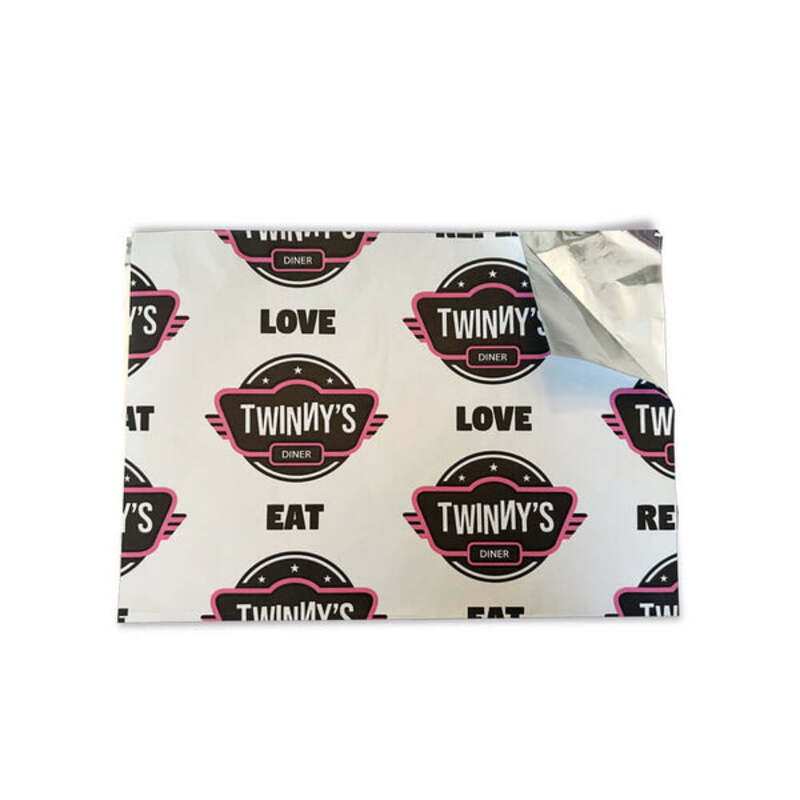
If you’re hunting for that sweet spot between premium branding and real barrier performance, Printed Foil Lined Paper Sheets Custom Size have quietly become the go-to in bakeries, confectionery, and hot food service. I’ve toured the factory in Songjiang, Shanghai—yes, Building 1, 710 Lane XinSongjiang Road—and watched the lamination lines hum. The result? Surprisingly consistent sheets that look luxe and keep grease, aroma, and moisture in check.
What’s trending (and why it matters)
Two big shifts: shorter runs with hyper-specific sizes, and tighter food-contact compliance. Brands want their logo crisp, their burger hotter for longer, and their legal team calm. To be honest, the old “one-size sandwich wrap” era is fading. Printed Foil Lined Paper Sheets Custom Size let operators dial in sheet dimensions for line efficiency and reduce waste by a few percent—small on paper, big at scale.
Technical specs at a glance
| Parameter | Typical Spec | Notes |
|---|---|---|
| Paper substrate | FSC-certified food-grade kraft, 40–80 gsm | TAPPI basis weight; real-world use may vary |
| Foil layer | Aluminum ≈ 6–12 μm | High odor/grease barrier |
| Print method | Flexo up to 8 colors | Low-odor, food-safe inks |
| Custom size range | From 120×120 mm to 1000×1400 mm | Tolerance ≈ ±1.5 mm |
| WVTR | ≈ 0.5 g/m²·day | ASTM F1249 conditions |
| OTR | ≈ 0.1 cc/m²·day | ASTM D3985 |
| Heat seal strength | ≥ 3.5 N/15 mm | ASTM F88; if heat-seal coating specified |
| Compliance | FDA 21 CFR 176.170; EU 1935/2004 | Migration tests on request |
| Service life | 12–24 months | Cool, dry storage |
How it’s made (quick process flow)
- Material selection: FSC kraft + Al foil; ink system matched to food-contact.
- Lamination: extrusion or solventless adhesive for even bond strength.
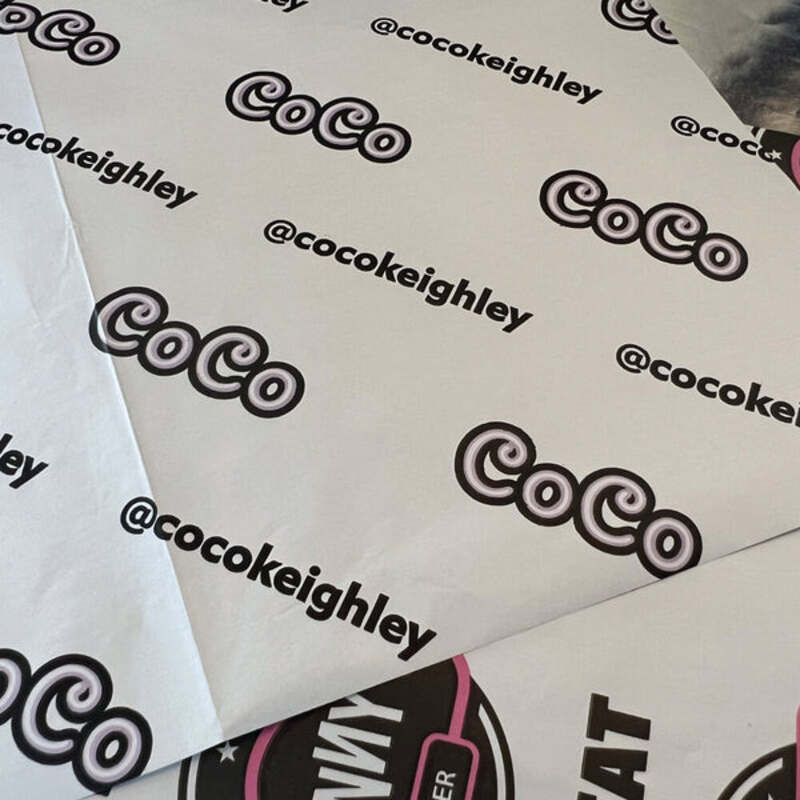
- Printing: flexographic plates, tight register; I did notice color consistency looked strong on long runs.
- Sheeting: guillotine sheeters dialed to your SKU dimensions.
- QC & tests: WVTR/OTR, seal strength, rub/scratch (Sutherland), overall migration, visual AQL.
Where it’s used
- Hot wraps (burgers, burritos, panini) for heat retention
- Confectionery and chocolate to reduce bloom risk and odor ingress
- Cheese and deli sheets; buttery items that need grease holdout
- Cosmetics samplers and hotel amenities (surprisingly common)
Real feedback, briefly
One boutique chocolatier told me their summer returns dropped “around 12%” after switching to Printed Foil Lined Paper Sheets Custom Size, mostly due to better aroma and moisture control. A regional burger chain logged ≈8–10% longer perceived heat retention (in-store tests; conditions vary). Not laboratory gospel, but it tracks with the barrier numbers.
Vendor snapshot (my cheat sheet)
| Vendor | MOQ | Lead time | Color fidelity | Smallest custom size | Certs | Price level |
|---|---|---|---|---|---|---|
| BulkBuy Packaging | ≈ 10k sheets | 12–20 days | High (ΔE ≈ 2–3) | 120×120 mm | ISO 9001, FSC, FDA, EU | $$ (balanced) |
| Broker A | ≥ 50k | 4–6 weeks | Medium | 150×150 mm | Varies | $ |
| Local Printer B | ≈ 5k | 2–3 weeks | Medium–High | 200×200 mm | FDA claim | $$$ |
Customization checklist
- Sizes by SKU to reduce trim waste; die-lines help.
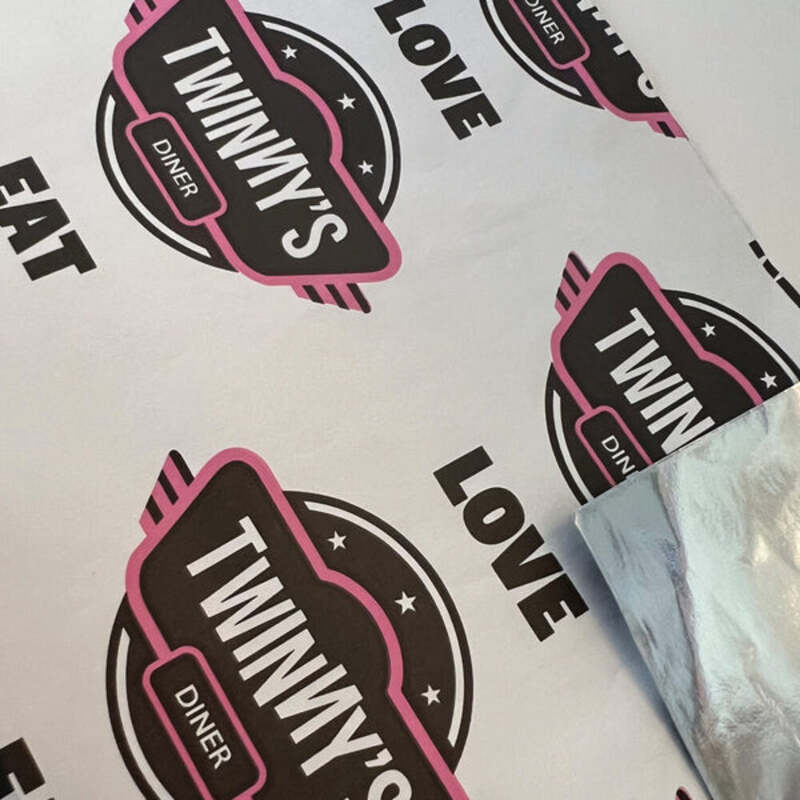
- Matte or gloss varnish; spot white for logos that pop.
- Heat-seal or plain foil; discuss sealing jaws/temps.
- Carton counts matched to line changeovers.
Certifications and standards
Look for ISO 9001 QA systems, FSC chain-of-custody, FDA 21 CFR 176.170, EU 1935/2004, and test reports referencing ASTM F1249 (WVTR), D3985 (OTR), F88 (seal). It sounds fussy, but your QA manager will thank you.
References:
- FDA 21 CFR 176.170 – Components of paper in contact with aqueous and fatty foods: https://www.ecfr.gov/
- EU Framework Regulation (EC) No 1935/2004 on food contact materials: https://eur-lex.europa.eu/
- ASTM F1249 – Standard Test Method for WVTR: https://www.astm.org/
- ASTM D3985 – Oxygen Transmission Rate: https://www.astm.org/
