


Elevating Your Brand with Professional Gift Wrapping Paper Design
First impressions are everything in the world of retail and gifting. A thoughtful gift wrapping paper design does more than just conceal a present; it communicates the value of the product inside and the identity of the brand sending it. Whether you are a luxury boutique or an e-commerce giant, the tactile and visual experience of unwrapping a package is a critical touchpoint in the customer journey. In this guide, we will explore how to balance aesthetics with functionality to create packaging that leaves a lasting impression on your clients.
The Psychology of Color in Wrapping Design
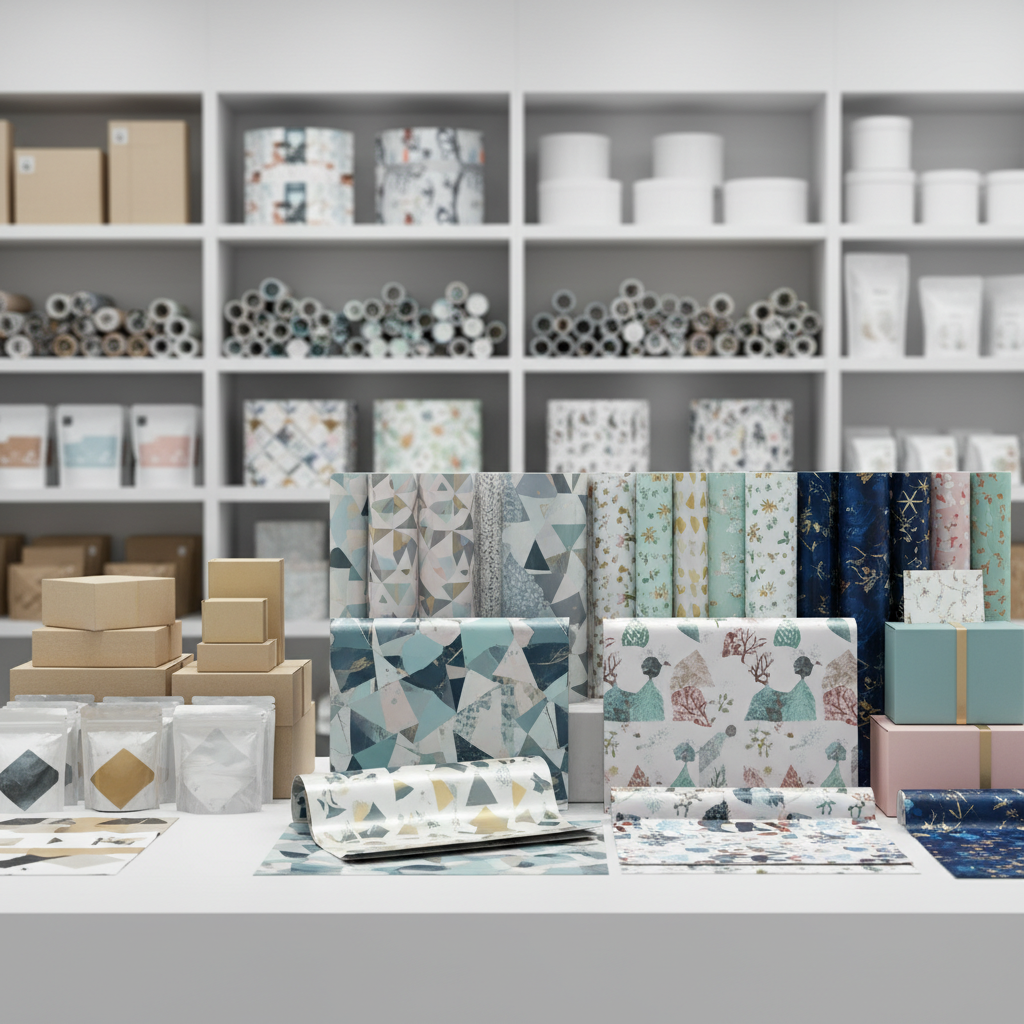
Colors evoke specific emotions and can subconsciously influence a buyer's perception of your brand. For instance, gold and deep navy often signify luxury and exclusivity, while pastel tones evoke softness and warmth, ideal for baby showers or spring collections. When developing your gift wrapping paper design, it is essential to align your palette with your brand guidelines. Consistency across all packaging elements ensures that your brand is instantly recognizable, even before the customer sees the actual product.
Pro Tip: Consider seasonal color shifts. Integrating festive reds and greens for December or vibrant oranges for autumn can make your packaging feel current and thoughtful.
Choosing the Right Material for Your Gift Wrapping Paper Design
The "feel" of the paper is just as important as the look. The weight and texture of the material can convey different messages. High-GSM coated papers provide a sleek, professional finish, while recycled kraft paper suggests an eco-friendly, organic brand image. When selecting materials for your gift wrapping paper design, you must consider the durability required for shipping and the ease of folding. Below is a comparison of common materials used in professional packaging.
Pattern and Layout Trends in Gift Wrapping Paper Design
Modern design is shifting away from cluttered patterns toward more intentional, minimalist layouts. Geometric shapes, line art, and oversized logos are currently trending because they provide a clean look that doesn't distract from the overall brand identity. When planning your gift wrapping paper design, consider a "repeat pattern" (seamless tile) which ensures the paper looks consistent regardless of where it is cut. This professional approach prevents awkward gaps in the design and maintains a high-end appearance.
Integrating Brand Elements into Your Packaging
Integrating your logo into your wrapping paper should be done with subtlety. Instead of placing a large logo in the center, try a diagonal repeat or a subtle watermark effect. This turns the packaging into a marketing tool without feeling overly aggressive. Combining your custom gift wrapping paper design with complementary ribbons or custom stickers creates a cohesive "unboxing experience" that customers love to share on social media platforms like Instagram and TikTok.
Technical Specifications for Production
To transition from a digital concept to a physical product, you need to adhere to specific technical standards. Using the wrong file format or color mode can result in blurry prints or off-color results. For a professional gift wrapping paper design, always use vector formats (AI or EPS) and the CMYK color model. Here are the standard specifications used by bulk manufacturers:
Sustainability and the Future of Packaging
Consumers are increasingly prioritizing sustainability. A gift wrapping paper design that uses FSC-certified paper and soy-based inks is no longer just a "nice to have"—it is a competitive advantage. Moving toward biodegradable options reduces environmental impact and resonates with the values of the modern shopper. By choosing eco-friendly materials, you prove that your brand cares about the planet as much as it cares about the product.
Conclusion: Designing for Delight
Mastering your gift wrapping paper design is an investment in your brand's perceived value. By combining the right color psychology, high-quality materials, and sustainable practices, you create a physical extension of your brand that delights customers. Remember, the packaging is the first thing a customer touches—make sure it speaks volumes about your quality and attention to detail.
Frequently Asked Questions (FAQs)
How do I create a seamless repeat pattern for my wrapping paper?
A seamless repeat pattern is created by ensuring that the elements on the right edge of your design tile align perfectly with the elements on the left edge, and the top aligns with the bottom. Most professional designers use Adobe Illustrator's "Pattern Options" tool to automate this process. Once the tile is created, it can be duplicated infinitely across the roll of paper without showing any visible seams, creating a professional and fluid visual experience for the customer.
What is the best paper weight (GSM) for premium gift wrap?
For premium gift wrapping, a weight between 80 GSM and 120 GSM is typically ideal. Paper that is too thin (below 70 GSM) tends to tear easily and may be translucent, revealing the product inside. Conversely, paper that is too thick (above 150 GSM) becomes difficult to fold and can create bulky creases at the corners. The 100 GSM range provides the perfect balance of durability, opacity, and ease of use for high-end retail packaging.
Can I use a custom gift wrapping paper design for shipping?
Yes, but it is recommended to use it as an inner layer. Since shipping involves rough handling, external packaging should be a sturdy corrugated box. Wrapping your product in custom-designed paper inside the box creates a "surprise and delight" moment for the customer. If you intend to use it on the outside, ensure the paper is laminated or coated with a protective finish to prevent scuffing and moisture damage during transit. You can explore various custom options at Bulk Buy Packaging.
How does sustainable wrapping paper affect the brand image?
Using sustainable wrapping paper significantly boosts brand loyalty, especially among Millennial and Gen Z consumers who prioritize ethical consumption. By opting for recycled materials or biodegradable inks, a company demonstrates social responsibility. This shift often allows brands to position themselves as "conscious luxury," where the value is derived not just from the product's quality, but from the brand's commitment to the environment, creating a deeper emotional connection with the customer.
