


Understanding the differences between wax paper greaseproof paper is essential for food businesses seeking optimal packaging solutions. Whether you need greaseproof paper wholesale for your bakery or custom printed greaseproof sheets for branded packaging, selecting the right material affects food preservation, presentation, and sustainability. This guide explores the key characteristics, applications, and benefits of these essential packaging materials to help you make informed purchasing decisions.
Understanding Wax Paper Greaseproof Paper
The unique properties of wax paper greaseproof paper make it ideal for various applications:
• Wax coating provides superior moisture resistance compared to standard greaseproof paper wholesale options
• Natural wax layers create effective barriers against oils and fats
• Available in both bleached and unbleached varieties
• Lower heat resistance than silicone-coated alternatives
• Traditional choice for wrapping sandwiches and baked goods
• Biodegradable options gaining popularity in sustainable packaging
• Thickness options ranging from 25gsm to 50gsm for different uses
Greaseproof Paper Wholesale Considerations
When purchasing greaseproof paper wholesale, evaluate these key factors:
• Basis weight and thickness for specific food applications
• FDA compliance for direct food contact safety
• Compatibility with different printed greaseproof sheets techniques
• Minimum order quantities and bulk pricing structures
• Sustainable sourcing and manufacturing processes
• Custom cutting and sizing options available
• Storage requirements to maintain paper quality
Printed Greaseproof Sheets Applications
Branded printed greaseproof sheets offer both functionality and marketing value:
• High-quality printing maintains grease resistance properties
• Ideal for bakeries, fast food outlets, and takeaway services
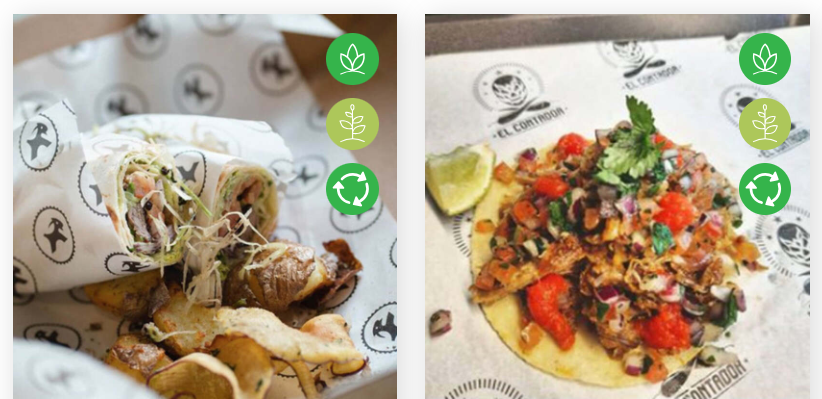
• Custom designs transform standard wax paper greaseproof paper into brand ambassadors
• Food-safe inks ensure compliance with health regulations
• Variable data printing for seasonal promotions or special events
• Combination with other materials for premium packaging solutions
• Cost-effective branding alternative to plastic packaging
Material composition and performance
Comparing wax paper greaseproof paper with alternatives:
• Natural wood pulp base with food-grade wax coatings
• Superior grease resistance compared to standard papers
• Lower heat tolerance than silicone-coated greaseproof paper wholesale products
• Breathable nature prevents condensation in food packaging
• Compostable versions available for eco-conscious businesses
• Tear resistance varies by basis weight and manufacturing process
• Printability differs between waxed and unwaxed surfaces
Sustainability and environmental impact
Eco-considerations for printed greaseproof sheets and related products:
• Biodegradability of different wax paper greaseproof paper formulations
• Recyclability challenges with certain wax coatings
• Renewable sourcing of raw materials
• Carbon footprint of production processes
• Composting guidelines for foodservice operators
• Lifecycle analysis compared to plastic alternatives
• Emerging plant-based wax innovations
Greaseproof Paper Wholesale FAQs
Q: What is the difference between wax paper greaseproof paper and regular greaseproof paper?
A: Wax paper greaseproof paper is coated with a thin layer of wax (either paraffin or soy-based) to enhance moisture and grease resistance, making it ideal for wrapping fatty foods like cheese or sandwiches. Regular greaseproof paper lacks this wax coating; it relies on dense paper fibers to resist grease but offers less moisture protection. Wax paper is better for cold or room-temperature use, while uncoated greaseproof paper works well for hot foods (as wax can melt at high temperatures).
Q: How do I choose a reliable supplier for greaseproof paper wholesale orders?
A: When sourcing greaseproof paper wholesale, prioritize suppliers with food-grade certifications (e.g., FDA, EU 10/2011) to ensure safety for food contact. Check product quality: request samples to test grease resistance and thickness. Review minimum order quantities (MOQs) and bulk pricing to align with your needs. Also, verify shipping policies, lead times, and customer reviews to assess reliability. A good supplier will provide clear specs, compliance documents, and responsive support for custom orders.
Q: Are printed greaseproof sheets safe for direct food contact?
A: Yes, printed greaseproof sheets are safe for direct food contact if they use food-grade inks and comply with regulations (e.g., FDA-approved inks). Reputable manufacturers use non-toxic, water-based inks that don’t leach chemicals into food. Avoid sheets with excessive printing or metallic inks, as these may not be suitable for high-temperature use. Always confirm with suppliers that their printed sheets meet food safety standards for your region.
Q: What factors affect pricing for greaseproof paper wholesale orders?
A: Greaseproof paper wholesale pricing depends on several factors: material quality (e.g., virgin vs. recycled paper), thickness (measured in gsm), and coatings (like wax for wax paper greaseproof paper). Customizations, such as size, packaging, or printing (for printed greaseproof sheets), add costs. Order volume also matters—larger quantities typically qualify for bulk discounts. Shipping distance and delivery speed can further impact total costs, so compare quotes from suppliers in your region when possible.
Q: Can printed greaseproof sheets be customized with branding, and what are the limitations?
A: Yes, printed greaseproof sheets can be customized with logos, designs, or text using food-safe inks. Common customization options include color, size, and print placement. However, limitations exist: intricate designs may require higher minimum orders, and some inks (like metallic or neon) may not be food-grade. High-temperature use may fade prints, so avoid heavy printing on sheets for hot foods. Work with suppliers to finalize artwork specs (resolution, color codes) to ensure clarity and compliance.
