Burger packaging is a crucial component of the fast-food industry and beyond, extending its influence to food delivery, catering, and even meal kit services. Globally, the demand for convenient food options has surged, driving significant growth in the burger market, and subsequently, the need for effective and innovative burger packaging solutions. This packaging plays a vital role in maintaining food quality, ensuring safe transportation, and providing a positive customer experience.
The increasing focus on sustainability and environmental responsibility adds another layer of complexity to burger packaging. Consumers are demanding eco-friendly options, prompting manufacturers to explore biodegradable, compostable, and recyclable materials. Regulations surrounding single-use plastics are also becoming stricter, requiring businesses to adapt and innovate. The evolution of burger packaging isn’t just about containment; it’s about aligning with ethical and environmental standards.
Understanding the nuances of burger packaging – from material science to design considerations – is essential for businesses aiming to thrive in a competitive market. Effective packaging can differentiate a brand, reduce food waste, and contribute to a circular economy. Investing in research and development of advanced packaging technologies is no longer optional, but a strategic necessity for long-term success.
The Importance of Burger Packaging
The primary role of burger packaging extends beyond simply containing the food. It's a critical element in maintaining food safety, preserving temperature, and ensuring structural integrity during transportation. A well-designed burger packaging solution prevents leakage, keeps ingredients intact, and presents the burger in an appealing manner to the consumer.
Beyond functionality, packaging contributes significantly to brand identity. Unique designs, custom printing, and sustainable materials can enhance brand recognition and create a positive impression on customers. In today’s competitive market, packaging is often the first point of contact between a consumer and a brand, making it a crucial marketing tool.
Defining Burger Packaging
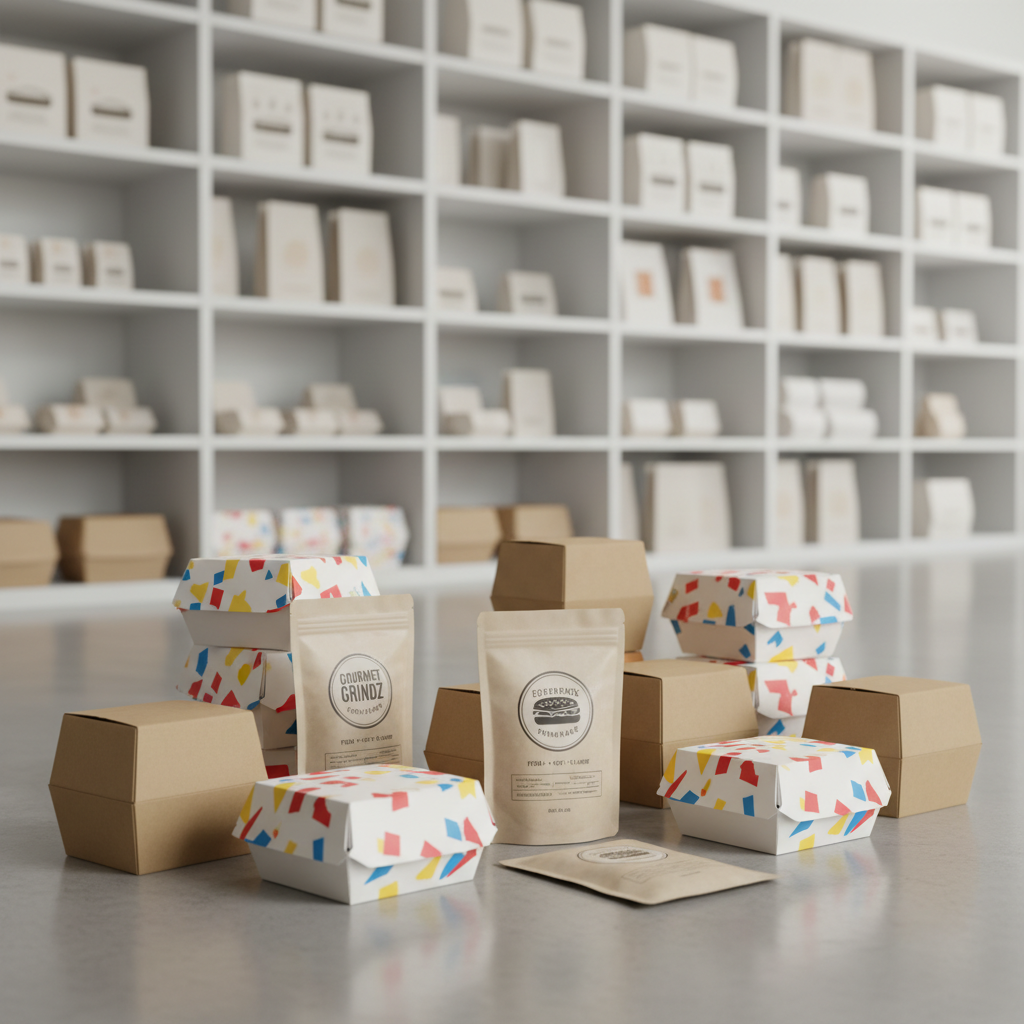
Burger packaging encompasses all materials and containers used to enclose and protect burgers from the point of preparation to the point of consumption. This includes boxes, wrappers, clamshell containers, bags, and any additional components like sauce containers or napkins. The term also extends to the design and structural aspects that ensure the burger remains intact and appealing throughout its journey.
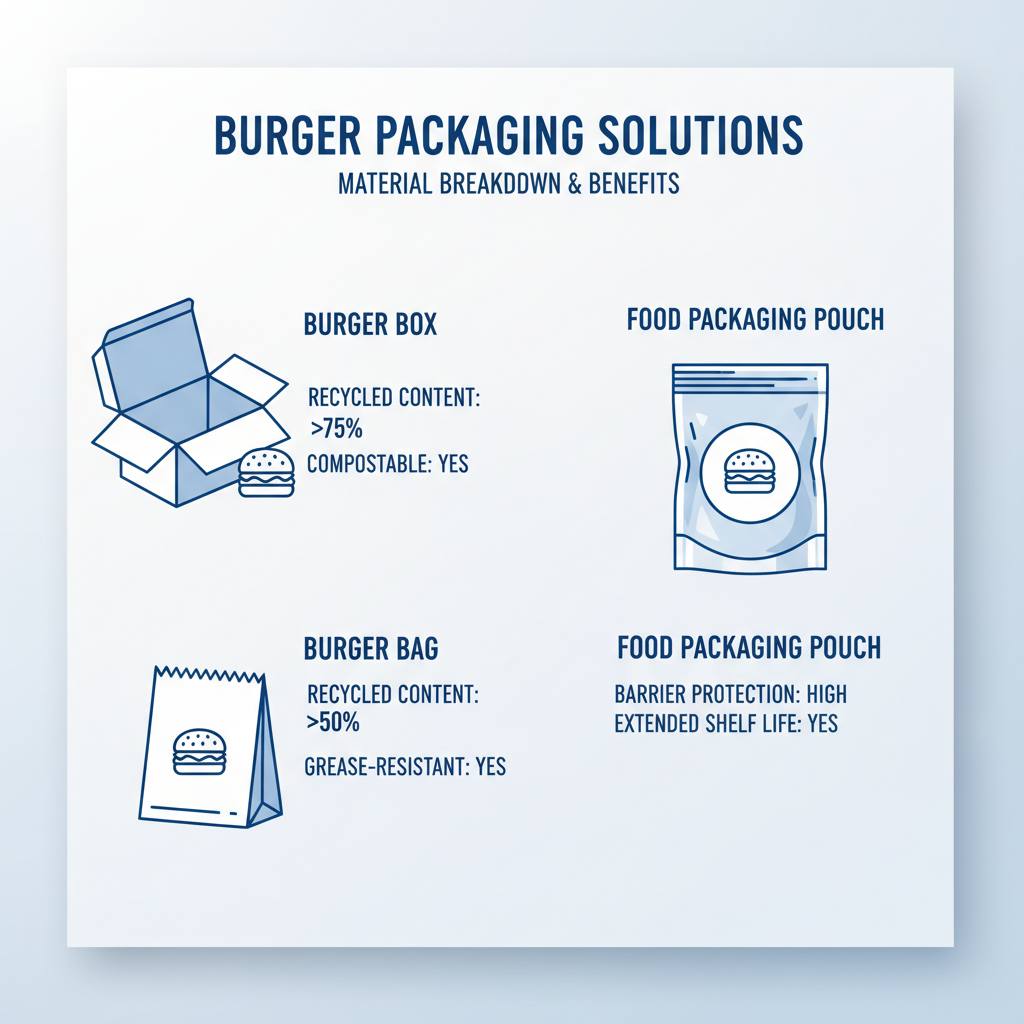
In a modern industrial context, burger packaging has evolved from simple paper wrapping to complex systems utilizing various materials like cardboard, plastic, foam, and increasingly, biodegradable and compostable alternatives. This evolution is driven by the need for improved food safety, convenience, and sustainability.
Burger packaging’s connection to humanitarian needs, while perhaps less direct, lies in its principles. The focus on preservation, protection, and efficient delivery can be applied to packaging solutions for perishable goods in disaster relief and food security initiatives, demonstrating the broader relevance of packaging technology.
Key Components of Effective Burger Packaging
Effective burger packaging isn't a one-size-fits-all solution. Several key components contribute to its overall success. Firstly, material selection is paramount, impacting durability, cost, and environmental impact. Secondly, structural design ensures the burger maintains its shape and prevents spillage during transport.
Thirdly, barrier properties are crucial for preserving temperature and preventing moisture loss, especially for hot burgers. Fourthly, print quality enhances brand visibility and can convey important information like nutritional details. Finally, ease of use and disposal considerations contribute to a positive customer experience and minimize environmental impact.
These components work in synergy to deliver a packaging solution that not only protects the burger but also aligns with brand values and consumer expectations. Ignoring any one of these aspects can lead to a compromised product experience and potentially damage a brand’s reputation.
Durability and Protection in Burger Packaging
The core function of burger packaging is to provide durability and protection. This means safeguarding the burger’s structural integrity, preventing ingredients from shifting or falling out, and resisting damage during handling and transportation. Materials with high tensile strength and puncture resistance are preferred.
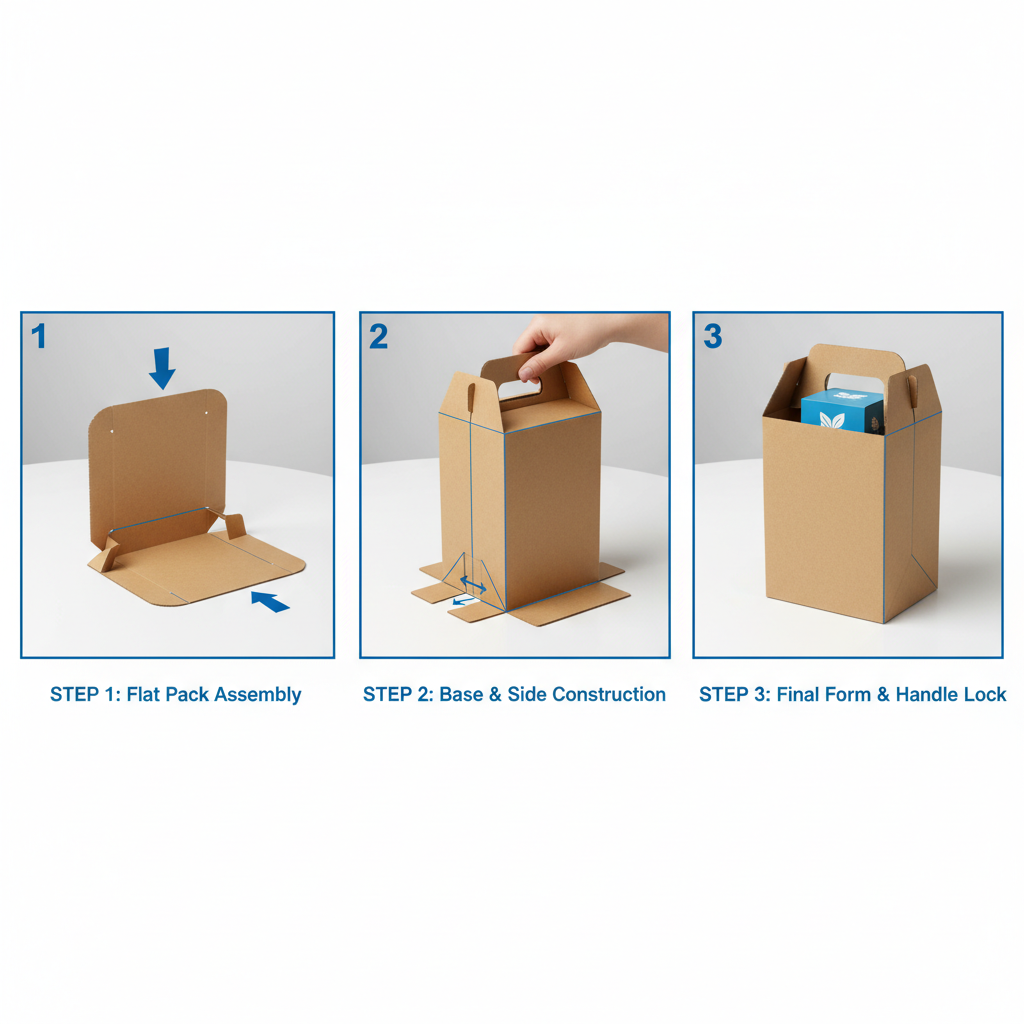
Durability isn’t solely about the material itself; the design plays a critical role. Secure closures, reinforced corners, and appropriate dimensions all contribute to a more robust packaging solution. Effective packaging will withstand the rigors of delivery services, customer carry-out, and potential impacts during handling.
Durability Ratings of Common Burger Packaging Materials
Global Applications of Burger Packaging
Burger packaging solutions are ubiquitous across the globe, serving diverse markets and applications. From fast-food chains in North America and Europe to street food vendors in Asia and South America, effective packaging is essential for delivering a quality product. The specific requirements vary based on regional preferences, climate conditions, and transportation infrastructure.
In post-disaster relief operations, durable and easily stackable burger packaging (or packaging suitable for similar meals) can streamline food distribution to affected populations. In remote industrial zones, where access to restaurants is limited, pre-packaged burgers are a convenient and reliable food source, relying heavily on robust packaging.
Advantages of Innovative Burger Packaging
Innovative burger packaging offers a multitude of advantages. Sustainable materials reduce environmental impact and appeal to eco-conscious consumers. Improved designs enhance portability and ease of consumption. Advanced barrier technologies preserve food quality and extend shelf life.
Furthermore, clever packaging can reduce food waste by protecting burgers from damage and spoilage. Custom printing and branding opportunities strengthen brand recognition and customer loyalty. Ultimately, investing in innovative packaging solutions can lead to increased sales, reduced costs, and a positive brand image.
The emotional advantage is also notable: aesthetically pleasing and thoughtfully designed packaging elevates the perceived value of the burger and enhances the overall dining experience.
Future Trends in Burger Packaging
The future of burger packaging is poised for significant transformation, driven by technological advancements and evolving consumer demands. We’re seeing a surge in the development of biodegradable and compostable materials derived from plant-based sources, offering a sustainable alternative to traditional plastics.
Digital technologies, such as QR codes and NFC tags, are being integrated into packaging to provide consumers with information about the burger’s origin, nutritional content, and sustainability credentials. Automation and robotics are also streamlining packaging processes, increasing efficiency and reducing labor costs.
The increasing focus on the circular economy will drive the development of reusable and refillable burger packaging systems, minimizing waste and maximizing resource utilization. Expect to see more innovative designs that prioritize both functionality and environmental responsibility.
Summary of Future Trends in Burger Packaging
| Trend Category |
Description |
Impact on Burger Packaging |
Adoption Rate (1-10) |
| Sustainable Materials |
Utilization of biodegradable and compostable materials. |
Reduced environmental impact, increased appeal to eco-conscious consumers. |
7 |
| Digital Integration |
Incorporating QR codes and NFC tags for product information. |
Enhanced transparency, consumer engagement, and traceability. |
6 |
| Automation & Robotics |
Automated packaging lines and robotic handling systems. |
Increased efficiency, reduced labor costs, improved consistency. |
8 |
| Circular Economy Models |
Reusable and refillable packaging systems. |
Minimized waste, reduced reliance on single-use materials. |
5 |
| Active & Intelligent Packaging |
Packaging that monitors freshness or temperature. |
Extended shelf life, improved food safety. |
4 |
| Customization & Personalization |
Tailored packaging designs for specific orders or customer preferences. |
Enhanced brand loyalty, increased customer satisfaction. |
3 |
FAQS
The most eco-friendly options currently include packaging made from compostable plant-based materials like PLA, recycled cardboard, and mushroom packaging. While PLA requires industrial composting facilities, recycled cardboard is widely recyclable. The key is to consider the entire lifecycle – sourcing, production, transportation, and end-of-life disposal – to determine the truly sustainable choice. Avoiding plastic wherever possible is a good starting point.
Cost reduction can be achieved through several strategies. Bulk purchasing is often the most effective method. Exploring simpler packaging designs, opting for standard sizes, and negotiating with suppliers can also yield significant savings. Consider the trade-off between cost and sustainability; sometimes a slightly more expensive eco-friendly option can enhance your brand image and attract environmentally conscious customers, potentially increasing sales.
Regulations vary significantly by region, but common concerns include restrictions on single-use plastics, labeling requirements for food contact materials, and regulations regarding compostability claims. The EU has strict packaging and labeling laws, as do many US states. It’s essential to stay informed about local regulations and ensure your packaging complies with all applicable standards to avoid fines and maintain consumer trust.
Branding on burger packaging is critically important. It’s often the first physical interaction a customer has with your brand. Consistent branding – logo, colors, messaging – reinforces brand recognition and builds trust. Effective packaging can also communicate your brand’s values, such as sustainability or quality. Investing in eye-catching and well-designed packaging can significantly differentiate your burgers from competitors.
Materials with good insulation properties are crucial for maintaining burger temperature during delivery. Foam containers, while not the most sustainable option, are highly effective at retaining heat. Insulated cardboard boxes with a lining of aluminum foil or specialized thermal liners are increasingly popular alternatives. The key is to minimize heat loss and prevent the burger from becoming soggy.
Choosing the right size packaging is essential for both presentation and efficiency. The packaging should securely fit the burger without excessive space, preventing movement during transport. However, it shouldn't be so tight that it squashes the burger. Consider the height of the burger with toppings and choose a packaging option that provides adequate clearance. Testing different sizes with your specific burger configuration is highly recommended.
Conclusion
Burger packaging is far more than just a container; it’s a critical component of the food service industry, impacting food safety, sustainability, brand identity, and customer experience. The evolution of burger packaging is driven by growing consumer demand for convenience, quality, and environmental responsibility, as well as increasingly stringent regulations. By understanding the key components of effective packaging and embracing innovative materials and technologies, businesses can optimize their operations, reduce their environmental footprint, and enhance their brand reputation.
Looking ahead, we can expect to see a continued shift towards sustainable and circular packaging solutions. Investing in research and development, collaborating with suppliers, and staying informed about industry trends will be essential for staying ahead of the curve. Prioritizing packaging innovation isn't just a smart business decision; it's a responsible step towards a more sustainable future.