Burger box packaging is a critical component of the fast-food industry and increasingly, a focus for sustainability efforts. Globally, the demand for convenient food solutions drives a massive need for effective and reliable packaging, with burgers representing a significant portion of this market. Understanding the nuances of burger box packaging – from material science to logistical considerations – is essential for businesses aiming to reduce costs, improve brand image, and minimize environmental impact.
The global fast-food market is projected to reach over $848 billion by 2027 (source: Statista), and a substantial portion of this relies on efficient takeaway packaging. Current challenges include the reliance on non-biodegradable materials, the increasing pressure from consumers for eco-friendly options, and the need for packaging that maintains food quality during transport. Innovations in burger box packaging are directly addressing these concerns.
Effectively designed burger box packaging isn’t just about containing a meal; it’s about maintaining temperature, preventing leakage, and providing a positive customer experience. It’s a vital link in the food supply chain, impacting everything from restaurant efficiency to consumer satisfaction and waste management.
Introduction to Burger Box Packaging
The landscape of burger box packaging is constantly evolving, driven by both consumer demands and regulatory pressures. Historically, materials like polystyrene were common due to their low cost and insulating properties. However, the environmental drawbacks of these materials have led to a surge in demand for more sustainable alternatives.
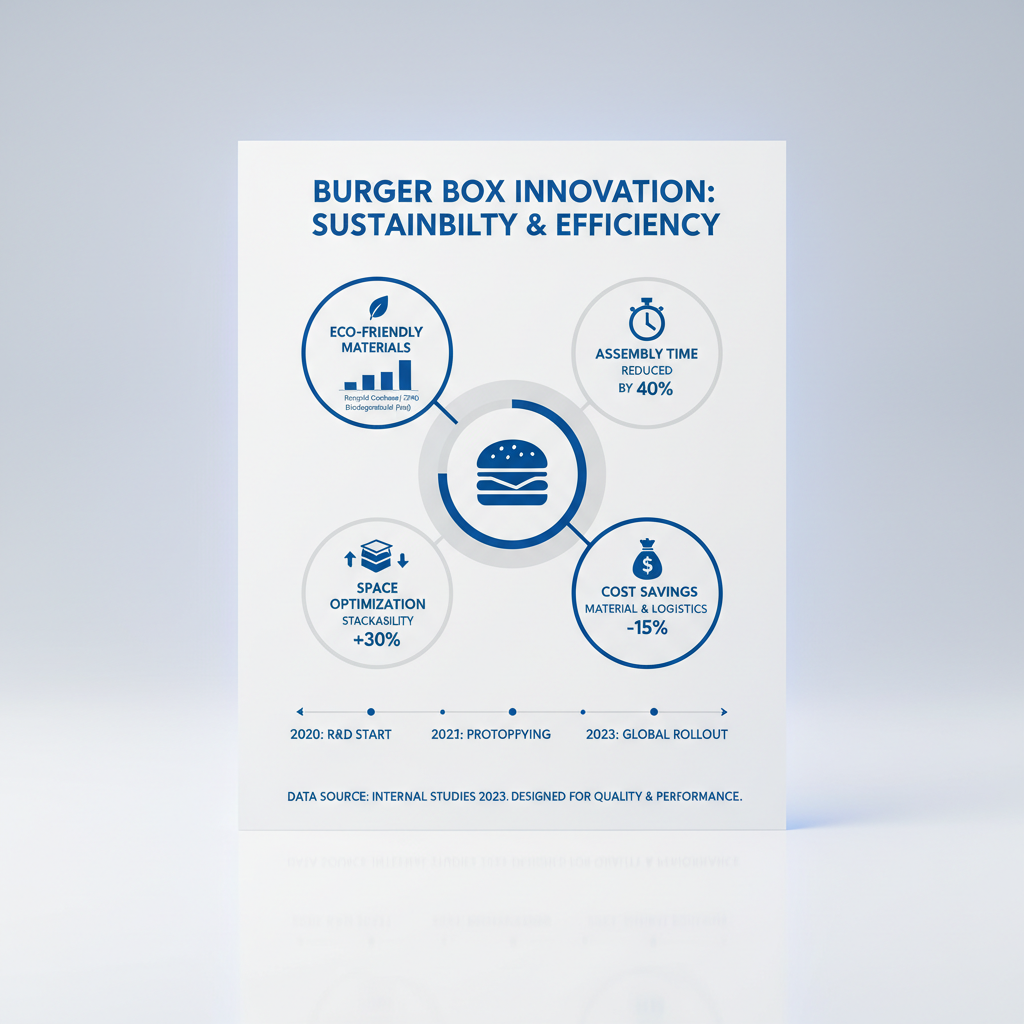
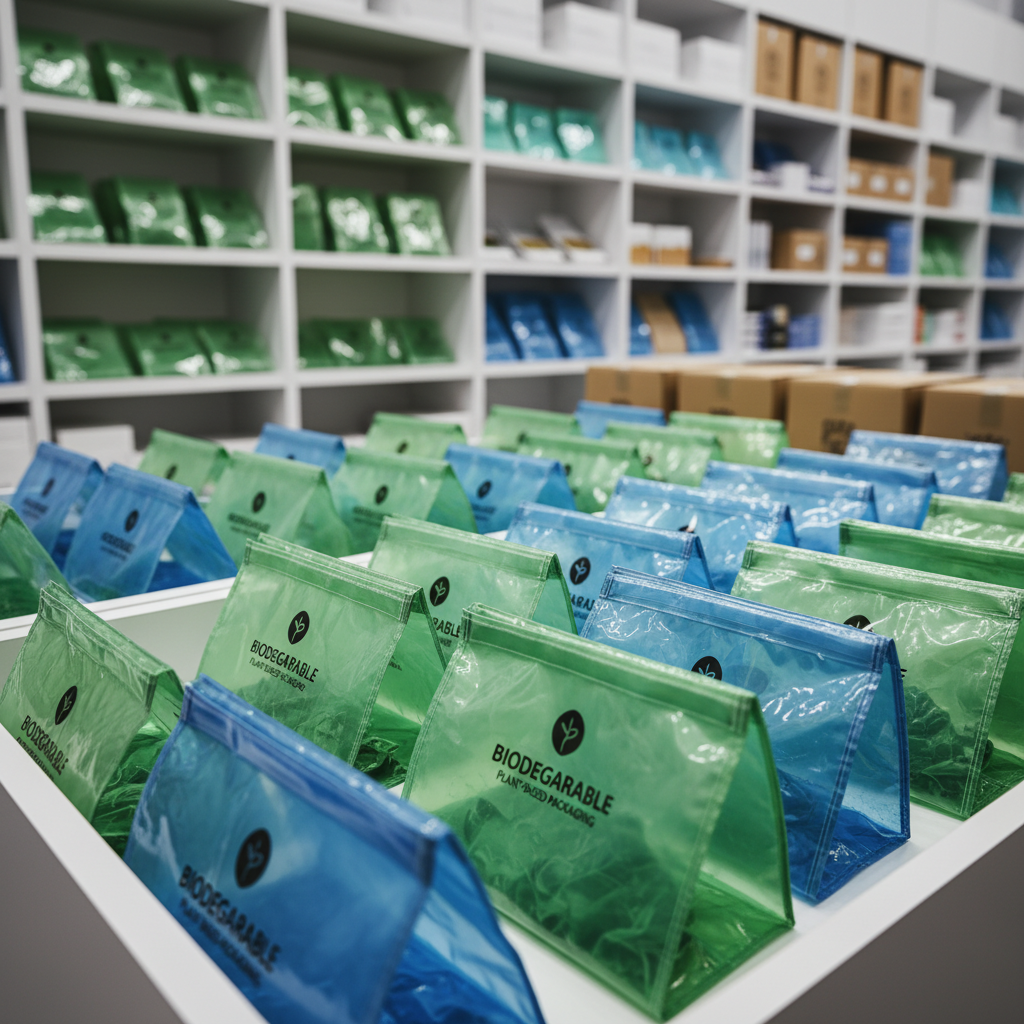
Today, innovations in materials science are delivering solutions like compostable cardboard, sugarcane bagasse, and even mycelium-based packaging. These materials offer comparable performance while significantly reducing the environmental footprint of the fast-food industry. Choosing the right burger box packaging is no longer just a logistical decision; it's a brand statement.
Defining Burger Box Packaging
Burger box packaging encompasses all materials and designs used to contain and transport burgers, typically from a restaurant or food vendor to a consumer. This includes the primary container – usually a cardboard or paperboard box – as well as any accompanying components such as liners, sleeves, or lids.
Crucially, the definition extends beyond mere containment. Effective burger box packaging maintains food temperature, prevents leakage of sauces and ingredients, and protects the structural integrity of the burger during handling and transport.
In the modern context, burger box packaging is increasingly defined by its sustainability attributes. Consumers are actively seeking out brands that demonstrate a commitment to environmentally responsible practices, making eco-friendly packaging a key differentiator.
Core Components of Effective Packaging
Several key factors contribute to the effectiveness of burger box packaging. Durability is paramount – the packaging must withstand the rigors of handling and transport without collapsing or compromising the burger. This often relies on the grade and construction of the cardboard or paperboard.
Insulation is critical for maintaining food temperature, particularly for burgers served hot. Materials with inherent insulating properties, or the addition of insulating liners, help to prevent the burger from cooling down too quickly. Leak-proof design is also crucial, preventing sauce spills and maintaining the aesthetic appeal of the burger. This requires careful sealing and material selection.
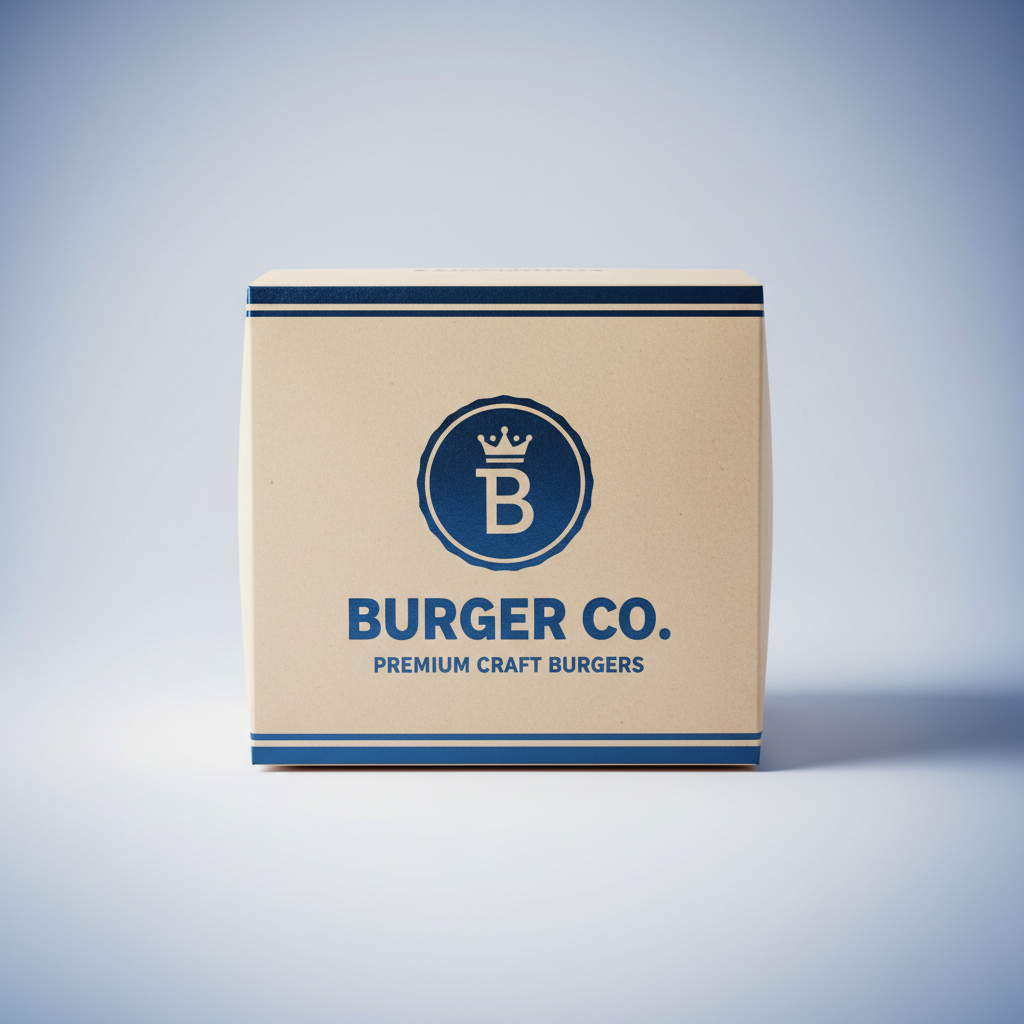
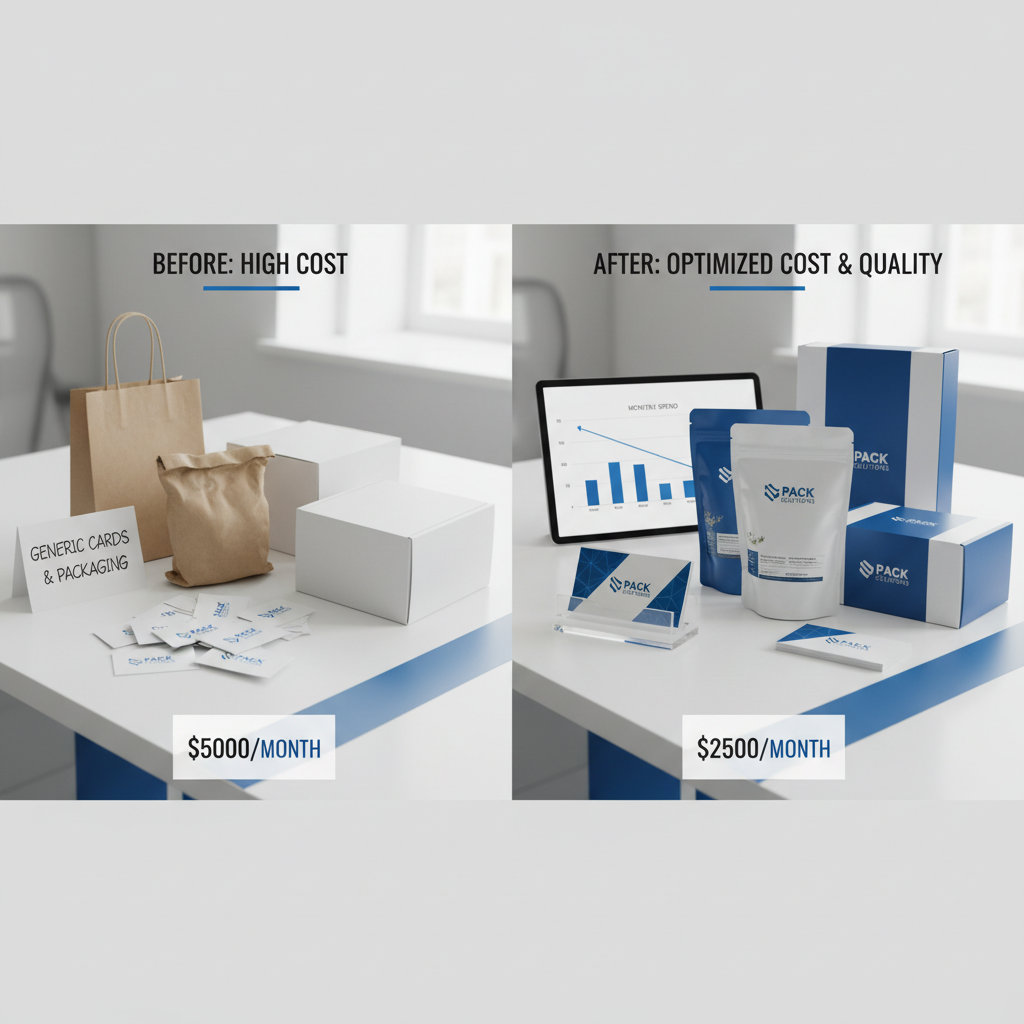
Cost-effectiveness remains a significant consideration for restaurants. Packaging costs can significantly impact profitability, so finding a balance between performance and price is essential. Finally, Brand Consistency – incorporating logos, colors, and messaging onto the packaging – helps to reinforce brand identity and enhance the customer experience.
Global Applications & Real-World Use Cases
Burger box packaging is universally applied across the global fast-food industry. In North America, major chains like McDonald’s and Burger King utilize millions of boxes daily. Similarly, in Europe, brands such as Five Guys and Byron Burger rely heavily on effective packaging solutions.
Beyond established chains, the demand for burger box packaging extends to food trucks, independent restaurants, and delivery services. In densely populated urban areas, the convenience of takeaway burgers drives a constant need for reliable and portable packaging.
The rise of food delivery apps like Uber Eats and DoorDash has further amplified this demand, requiring packaging that can withstand longer transport times and varying environmental conditions. In regions with less developed infrastructure, robust and easily disposable packaging is particularly important.
Burger Box Packaging Performance Metrics
Advantages and Long-Term Value
The advantages of investing in high-quality burger box packaging are multifaceted. From a purely economic perspective, robust packaging reduces product damage and waste, leading to cost savings. Furthermore, sustainable packaging options can enhance brand reputation and attract environmentally conscious consumers.
Long-term value is derived from building customer loyalty. A positive takeaway experience – facilitated by convenient and reliable packaging – encourages repeat business. Moreover, adopting eco-friendly packaging demonstrates a commitment to social responsibility, fostering trust and goodwill among stakeholders.
Future Trends & Innovations
The future of burger box packaging is heavily focused on sustainability and technological advancements. We are seeing increased adoption of plant-based materials like mushroom packaging and seaweed-based films as alternatives to traditional plastics.
Smart packaging, incorporating QR codes or NFC tags, is also emerging as a trend, allowing for traceability, consumer engagement, and enhanced brand storytelling. Furthermore, innovations in coating technologies are improving the barrier properties of paperboard, enhancing its ability to resist grease and moisture.
Challenges & Sustainable Solutions
Despite advancements, challenges remain in the realm of burger box packaging. Cost remains a barrier to wider adoption of sustainable materials, as they often carry a higher price tag than conventional options. Maintaining structural integrity with eco-friendly materials can also be a challenge.
However, innovative solutions are emerging. Collaborative partnerships between packaging manufacturers, restaurants, and waste management companies are driving the development of closed-loop systems, where packaging is collected, recycled, and reused. Investing in biodegradable or compostable materials and optimizing packaging design to minimize material usage are crucial steps.
Government regulations and incentives are also playing a role in promoting sustainable packaging practices, creating a favorable environment for innovation and adoption. Burger box packaging manufacturers are increasingly focused on developing cost-effective and high-performing sustainable alternatives.
Summary of Challenges & Sustainable Solutions
| Challenge |
Impact on Burger Box Packaging |
Sustainable Solution |
Implementation Difficulty (1-10) |
| High Material Costs |
Limits adoption of eco-friendly materials. |
Bulk purchasing, material innovation, government subsidies. |
7 |
| Structural Integrity Concerns |
Reduced protection during transport. |
Optimized design, reinforced materials, coating technologies. |
6 |
| Lack of Recycling Infrastructure |
Packaging ends up in landfills. |
Investment in recycling facilities, public awareness campaigns. |
8 |
| Consumer Awareness & Behavior |
Improper disposal of packaging. |
Clear labeling, educational campaigns, incentives for recycling. |
5 |
| Grease & Moisture Resistance |
Compromised packaging performance. |
Innovative coating materials, barrier films. |
7 |
| Supply Chain Disruptions |
Difficulty sourcing sustainable materials. |
Diversifying suppliers, local sourcing, building resilient partnerships. |
6 |
FAQS
Currently, compostable cardboard made from recycled fibers, sugarcane bagasse, and mushroom packaging are leading the way in eco-friendly burger box packaging. These materials offer a reduced environmental footprint compared to traditional plastics and polystyrene. However, their availability and cost can vary depending on location and supplier. The best choice depends on your specific needs and budget, but prioritizing recycled content and compostability is a good starting point.
Determining true compostability requires verifying certifications like BPI (Biodegradable Products Institute) or EN 13432. These certifications ensure the packaging breaks down fully in a commercial composting facility. "Compostable" claims without certification can be misleading, as some materials may only decompose under specific conditions. Check for clear labeling indicating certified compostability and understand the requirements for proper disposal in your area.
Coatings, often used for grease resistance, can significantly impact recyclability and compostability. Plastic-based coatings typically make the box non-recyclable and non-compostable. Water-based coatings and PLA (polylactic acid) coatings are generally more eco-friendly, but still require specific composting facilities for proper breakdown. Always check the packaging's specifications and local recycling/composting guidelines regarding coatings.
Reducing costs involves exploring bulk purchasing options, negotiating with suppliers, and optimizing packaging design to minimize material usage. Consider standardized box sizes and streamlined designs. Also, explore alternative materials like sugarcane bagasse, which can be more cost-effective than some other sustainable options. Finally, consider the long-term benefits of improved brand image and customer loyalty when evaluating the total cost of ownership.
Regulations vary significantly by region. Many areas are implementing bans on single-use plastics, impacting the types of materials allowed for burger box packaging. Extended Producer Responsibility (EPR) schemes are also becoming more common, requiring producers to take responsibility for the end-of-life management of their packaging. Staying informed about local regulations is crucial for compliance.
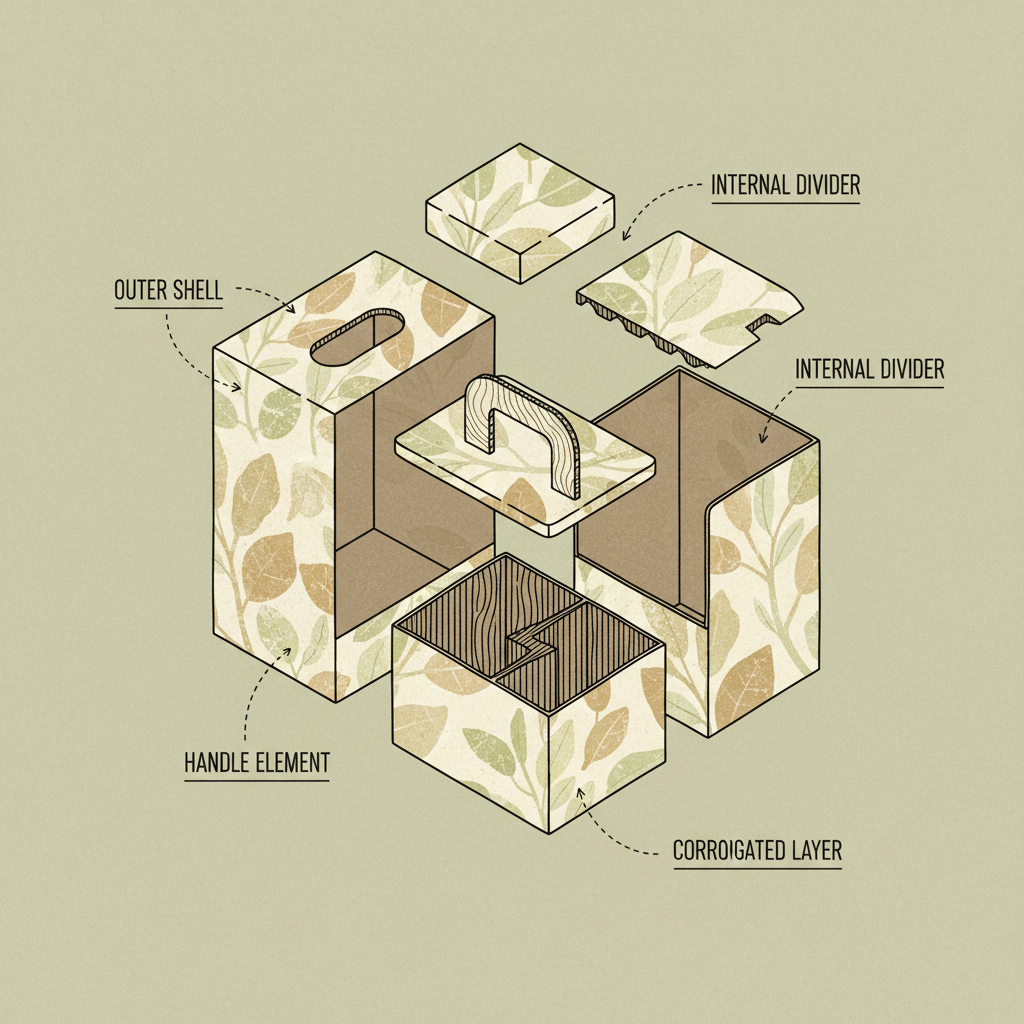
Packaging design is critical for preventing burger damage. Features like secure lids, internal dividers, and shock-absorbing materials help maintain structural integrity during transport. Proper ventilation prevents sogginess, while secure closures prevent spills. Choosing a box size appropriate for the burger and adding cushioning where needed are essential design considerations.
Conclusion
In conclusion, burger box packaging is far more than a simple container. It is a vital component of the fast-food industry, impacting everything from operational efficiency and consumer experience to environmental sustainability. The shift towards eco-friendly materials and innovative designs is driven by consumer demand, regulatory pressures, and a growing awareness of the importance of responsible packaging practices.
Looking ahead, continued innovation in materials science, coupled with strategic collaboration across the supply chain, will be key to unlocking the full potential of sustainable burger box packaging. Businesses that prioritize sustainability and invest in forward-thinking packaging solutions will not only reduce their environmental impact but also enhance their brand reputation and build long-term customer loyalty. Visit our website at www.bulkbuypackaging.com to explore our range of innovative and sustainable packaging solutions.