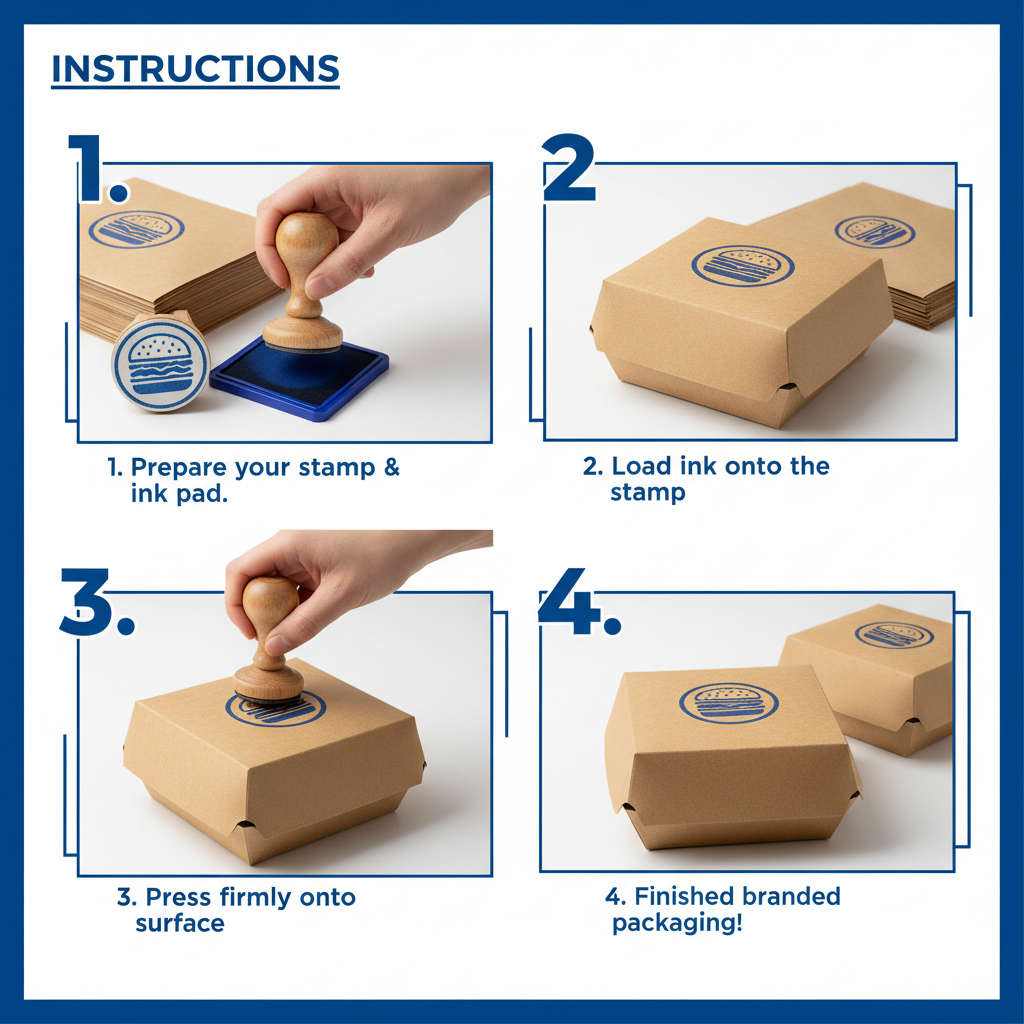
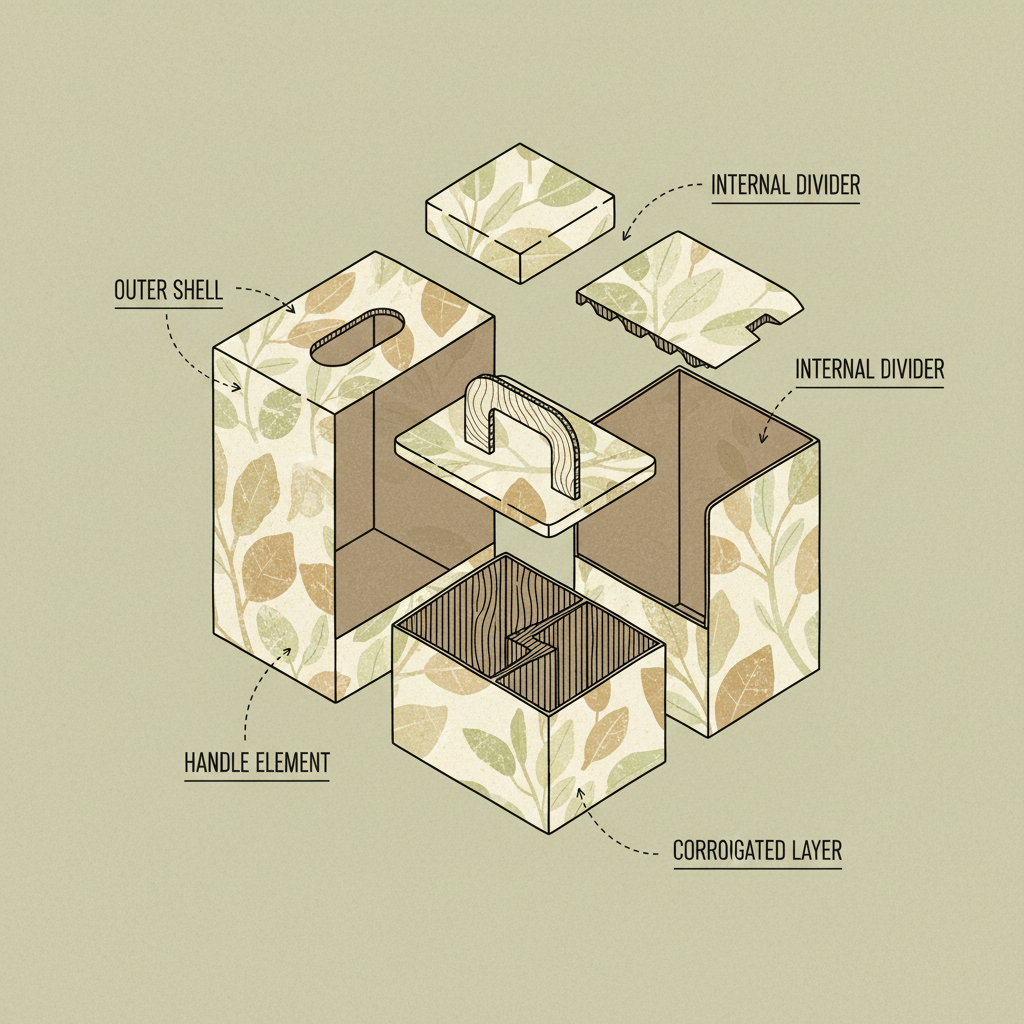
In the competitive landscape of the food service and packaging industry, the presentation and protection of products are paramount. High-quality wrapping solutions, such as custom butcher paper, serve as more than just a functional barrier; they are a critical touchpoint for brand identity. By integrating customized designs into essential packaging, businesses can elevate the customer unboxing experience while ensuring food safety and freshness.
Across the globe, the shift toward sustainable materials has transformed how butchers, deli owners, and gourmet food vendors approach their packaging strategies. The demand for eco-friendly, biodegradable, and compostable options has turned basic wrapping into a strategic asset. This transition not only meets regulatory requirements but also aligns with the values of modern consumers who prioritize environmental responsibility.
Whether you are packaging artisan meats or specialty baked goods, utilizing custom butcher paper allows a business to communicate its unique value proposition instantly. From enhancing perceived value to improving grease resistance, the right choice in printed packaging can significantly impact a brand's growth and customer loyalty in a crowded marketplace.
Global Relevance of Custom Butcher Paper
The global demand for specialized food packaging has surged as the "farm-to-table" movement gains traction. In regions like North America and Europe, where artisanal meat production and organic farming are thriving, the need for a professional, hygienic, and branded wrapping solution has become essential. Statistics from international trade bodies suggest a consistent rise in the adoption of biodegradable paper alternatives over traditional plastics to reduce carbon footprints.
The challenge facing many small to medium enterprises is the balance between cost and quality. While generic wraps are available, they offer no marketing value. This is where the implementation of personalized packaging solves a dual problem: it maintains the integrity of the food product while acting as a mobile billboard for the business, effectively turning every customer into a brand ambassador.
Defining Custom Butcher Paper in Modern Industry
At its core, custom butcher paper is a heavy-duty, grease-resistant paper specifically designed for wrapping and storing meats, cheeses, and other deli items. Unlike standard craft paper, it is engineered to withstand moisture and fats without tearing or leaking, ensuring that the product remains secure during transport and storage. The "custom" element refers to the integration of brand logos, colors, and specific messaging printed using food-safe inks.
In the context of the modern food industry, this material is no longer just a utility but a tool for quality assurance. By using a standardized thickness and professional finish, businesses can signal to their customers that they adhere to high standards of hygiene and professional craftsmanship. It bridges the gap between raw industrial utility and consumer-facing luxury.
Furthermore, this type of packaging is deeply connected to the humanitarian need for sustainable consumption. As global policies shift toward the elimination of single-use plastics, the transition to compostable paper solutions reflects a commitment to planetary health, making it an indispensable component of the circular economy.
Core Components of High-Quality Wrapping
Durability is the first cornerstone of effective packaging. When choosing custom butcher paper, the tensile strength of the paper determines how well it can hold heavy cuts of meat without ripping. A high-GSM (grams per square meter) paper ensures that the wrap remains intact from the butcher's block to the customer's kitchen.
Grease resistance is another critical factor. The ability of custom butcher paper to repel oils and fats prevents the paper from becoming translucent and soggy. This is achieved through specialized coating or the inherent density of the fibers, which is vital for maintaining a professional appearance and preventing leaks during delivery.
Finally, scalability and customization options allow businesses to grow. Whether a shop requires a small batch for a seasonal promotion or massive rolls for daily operations, the ability to maintain color consistency and print clarity across different quantities is essential for brand coherence.
Practical Applications and Use Cases
The versatility of specialized wraps extends across various food-related sectors. In urban gourmet markets, these papers are used to wrap high-end charcuterie, where the branded design adds an element of luxury. In contrast, in high-volume deli environments, the focus shifts to speed and efficiency, utilizing pre-cut sheets that provide a quick, secure wrap for sandwiches and cold cuts.
Beyond the deli, we see these applications in street food festivals and mobile catering. For example, in remote industrial zones or outdoor events, utilizing custom-printed wraps for hot meals ensures that food is kept warm while the branding remains visible, helping vendors stand out in a crowded environment.
Performance Comparison of Custom Butcher Paper Types
Long-Term Value of Branded Packaging
Investing in customized wrapping provides an emotional connection between the producer and the consumer. When a customer receives a product wrapped in high-quality, branded paper, it conveys a sense of care and professionalism. This psychological trigger increases trust in the product's quality and justifies a premium price point, transforming a simple purchase into a branded experience.
From a logical standpoint, the long-term value lies in cost-effective marketing. Unlike digital ads that disappear after a click, a piece of branded wrapping remains in the customer's home or is seen by others during transport. This creates a continuous loop of brand visibility that builds organic recognition and encourages repeat business over time.
Future Trends in Sustainable Paper Tech
The future of food packaging is leaning heavily toward "intelligent" materials. We are seeing the emergence of papers infused with antimicrobial properties that can extend the shelf life of meats naturally, reducing food waste. This integration of science and forestry is paving the way for a new era of food safety.
Digital transformation is also hitting the print industry. Automation and on-demand printing are allowing smaller businesses to order shorter runs of personalized wraps without the prohibitive costs of massive minimum orders. This democratizes the ability for a local butcher to have the same brand presence as a national chain.
Furthermore, the push for 100% biodegradable certifications is becoming the global standard. The next generation of wraps will likely be completely home-compostable, meaning they can break down in a backyard garden in a matter of weeks, effectively closing the loop on waste.
Overcoming Common Packaging Challenges
One of the primary challenges in the industry is ink migration, where print pigments could potentially leach into the food. The solution lies in the use of soy-based or water-based food-grade inks. Expert manufacturers now prioritize these certifications to ensure that the beauty of the brand does not compromise the safety of the consumer.
Another common issue is the "soggy bottom" effect caused by high-moisture foods. To overcome this, industry experts recommend a layered approach or the use of specialized barriers that allow the paper to "breathe" while still blocking liquid fats. This technical balance is what separates professional-grade wraps from generic alternatives.
Finally, lead times can be a hurdle for growing businesses. By partnering with suppliers who offer free artwork assistance and streamlined approval processes, businesses can reduce their time-to-market. This agility allows them to update their packaging for seasonal promotions without disrupting their supply chain.
Analysis of Packaging Material Performance and Market Fit
| Material Type |
Grease Resistance |
Eco-Score (1-10) |
Best Use Case |
| Standard Kraft |
Low |
9 |
Dry Goods |
| Custom Butcher Paper |
High |
8 |
Fresh Meats |
| Waxed Paper |
Very High |
5 |
High-Fat Cuts |
| Biodegradable PLA |
Medium |
10 |
Eco-Conscious Deli |
| Poly-Coated |
Extreme |
3 |
Long-term Storage |
| Premium Matte |
Medium |
7 |
Luxury Gifting |
FAQS
Custom butcher paper is specifically engineered for food contact, featuring higher density and grease-resistant properties that prevent fats and moisture from soaking through. Unlike regular paper, it is typically food-safe, more durable, and can be customized with food-grade inks to promote your brand while maintaining product hygiene.
Yes, most professional butcher paper is made from renewable wood pulp and is 100% recyclable, biodegradable, and compostable. When printed with soy or water-based inks, it provides a sustainable alternative to plastic wraps and foil, aligning with global efforts to reduce landfill waste.
Absolutely. It is ideal for wrapping hot items like freshly cooked meats or gourmet sandwiches. Its ability to maintain structural integrity under heat while managing grease makes it a preferred choice for street food vendors and mobile caterers who need reliable, branded packaging on the go.
Most suppliers accept logo files in AI or PDF formats for the best print quality. If you aren't experienced with design, many professional packaging providers offer free artwork services where their designers create a layout for your review, providing a free PDF proof before the final production run.
Not when the correct materials are used. Reputable manufacturers use food-grade, non-toxic inks that are specifically formulated not to migrate into the food. Always ensure your supplier provides certifications for food-safe printing to maintain compliance with health regulations.
Depending on the complexity of the artwork and the order volume, lead times generally range from 8 to 12 weeks. However, many suppliers can expedite this process if you have a specific deadline, provided the artwork is approved quickly.
Conclusion
In summary, the transition from generic wrapping to custom butcher paper represents a strategic move toward professionalization and sustainability. By focusing on key factors such as grease resistance, durability, and eco-friendly materials, businesses can protect their products while simultaneously building a recognizable and trusted brand identity. The integration of high-quality, branded packaging is no longer a luxury but a necessity for any food business aiming for long-term growth in a conscious market.
As we look toward the future, the continued innovation in biodegradable materials and on-demand printing will further empower small businesses to compete on a global stage. We suggest that business owners audit their current packaging and consider the psychological and environmental impact of their choices. Moving toward sustainable, customized solutions is not just a win for the planet, but a winning strategy for customer acquisition and retention. Visit our website for more information: www.bulkbuypackaging.com