You know, these 2 bottle wine carrier cardboard things… everyone's talking about sustainability now, right? It's not just a buzzword anymore. I was at a packaging expo in Shanghai last month and honestly, 90% of the booths were pushing "eco-friendly" solutions. But a lot of it is just greenwashing, to be honest. What really matters is durability, and cost, and whether the darn thing actually protects the bottles. It's not enough to say it's good for the planet.
Have you noticed how much wine is being shipped direct-to-consumer these days? It's exploded. And that means more demand for secure, affordable packaging. Used to be, it was mostly wholesalers moving pallets around. Now it's individual orders, fragile cargo going through all sorts of handling. It's a whole different ballgame.
And it’s surprising how many people underestimate the pressures involved. People designing these things in offices, they just don't get it. They think a little cardboard is enough. They haven’t seen how delivery drivers throw packages around.
The Current Landscape of 2 bottle wine carrier cardboard
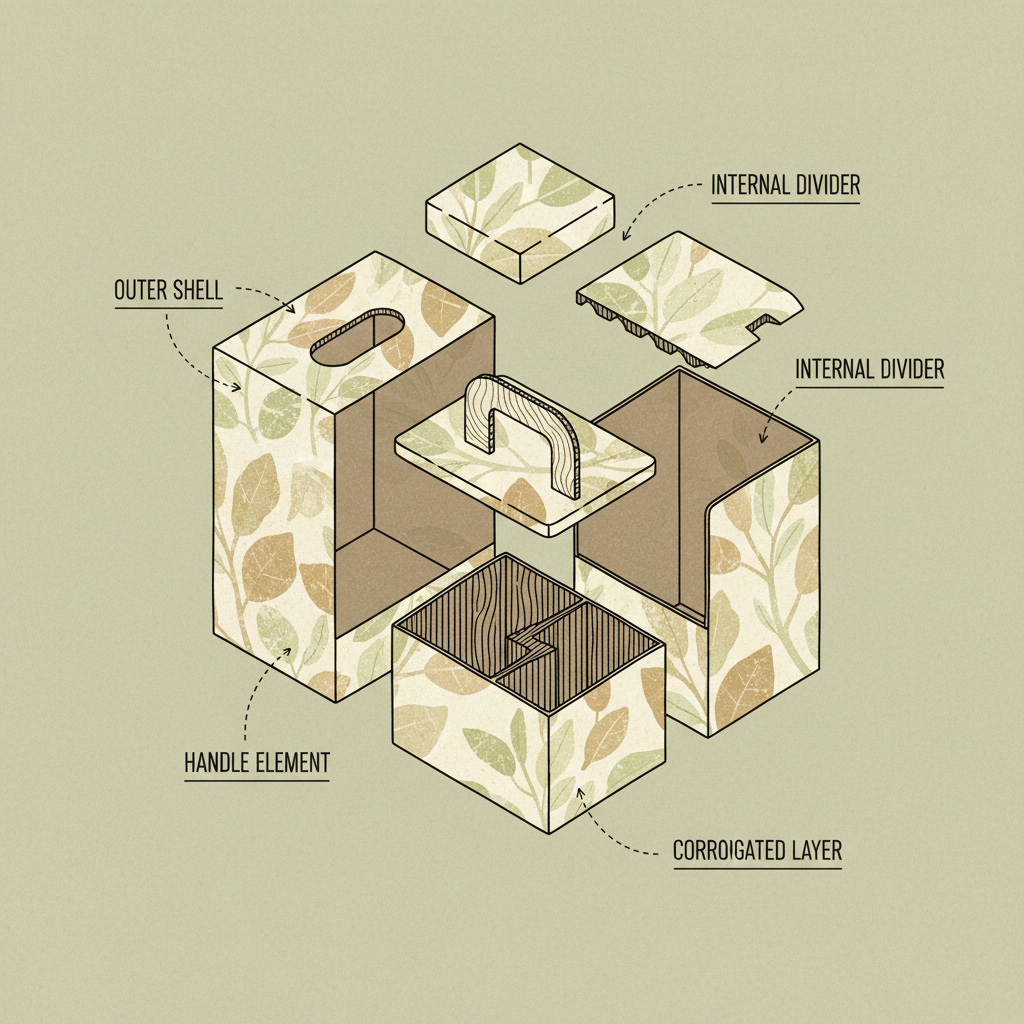
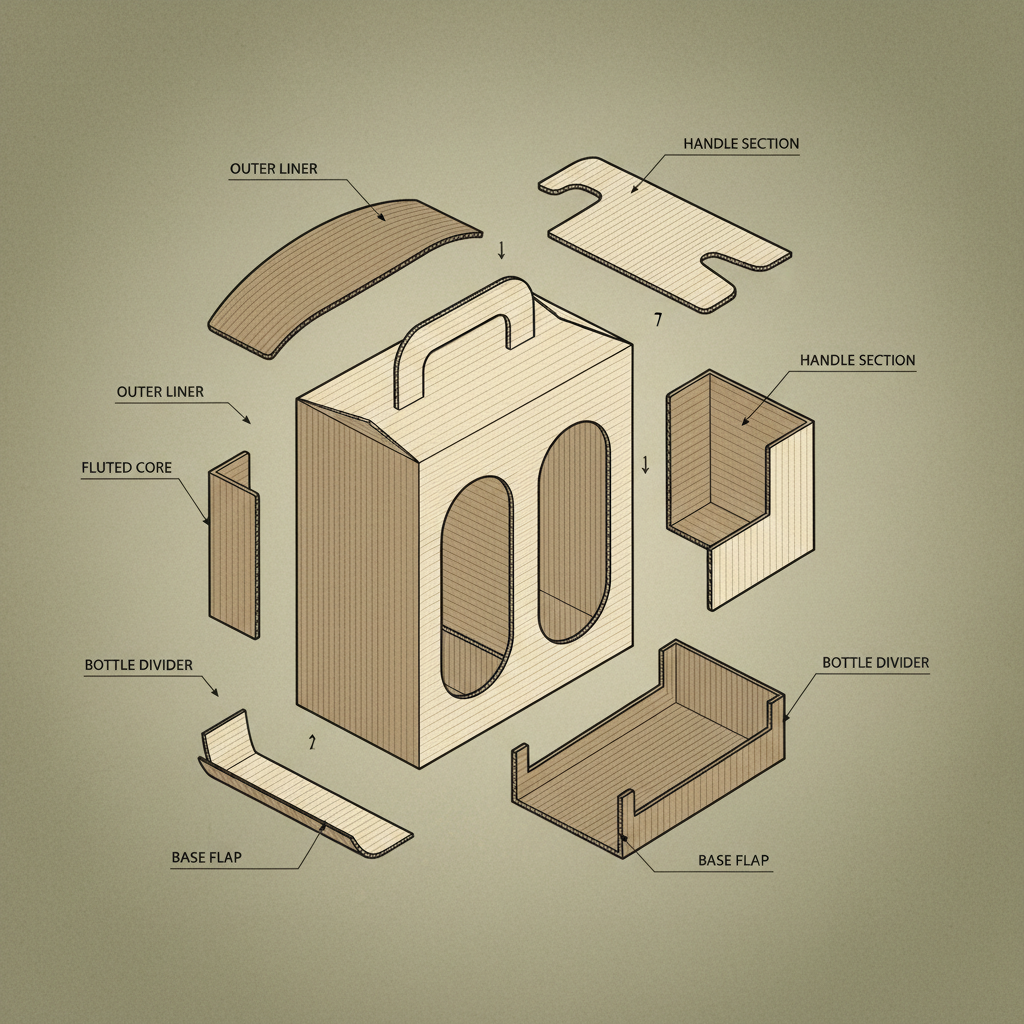
Strangely enough, everyone’s chasing higher flute counts in the corrugated cardboard. They think more flutes equals more strength. Sometimes it does, but it also adds cost and weight. I encountered this at a brewery in Oregon last time. They were using seven-flute cardboard, and the bottles were still getting damaged. Turns out, it was the internal dividers that were failing. A lot of these manufacturers focus on the outer box and forget about the details.
And it's not just about the cardboard itself. It’s the adhesives, the printing inks, the coatings… it all has to work together. You get a cheap glue, and the whole thing falls apart in humid conditions.
Defining 2 bottle wine carrier cardboard: More Than Just a Box
Okay, so a 2 bottle wine carrier cardboard. It’s not rocket science, right? But it is more than just slapping two bottles in a box. It’s about creating a protective structure that can withstand stacking, vibration, temperature changes… the whole gauntlet of the shipping process. It’s about minimizing movement inside the box, preventing bottle clink, and providing enough cushioning. It's about preventing the heartbreak of a broken bottle and a disappointed customer.
It connects directly to the rise of e-commerce, really. It's a direct response to the need to ship fragile items safely and efficiently. Used to be, people just went to the store. Now they’re relying on cardboard and packing peanuts.
It’s surprisingly sophisticated when you get down to it. The designs, the materials, the testing… it's all about mitigating risk.
Key Aspects of Effective 2 bottle wine carrier cardboard
Durability is obviously key. You need a box that can handle being dropped, stacked, and generally mistreated. But you also need cost-effectiveness. You can’t build a tank around two bottles of wine. It’s a balancing act.
Scalability matters too. A manufacturer needs to be able to produce these boxes quickly and efficiently, especially during peak seasons like Christmas. I’ve seen factories get completely overwhelmed when demand spikes. It's a logistical nightmare. You can have the best design in the world, but if you can’t make enough of them, it doesn’t matter.
And then there's sustainability. Using recycled content, minimizing waste, and designing for recyclability are all important factors. Consumers are paying attention to this stuff now. Plus, it’s just the right thing to do, anyway. Although, I still see a lot of boxes with excessive printing and coatings… a waste of resources.
Global Applications & Real-World Use Cases
You see these things everywhere, honestly. Wine clubs, direct-to-consumer wineries, even liquor stores that offer delivery. In the US, the regulations around shipping alcohol vary wildly by state, which complicates things. In Europe, it’s a bit more standardized.
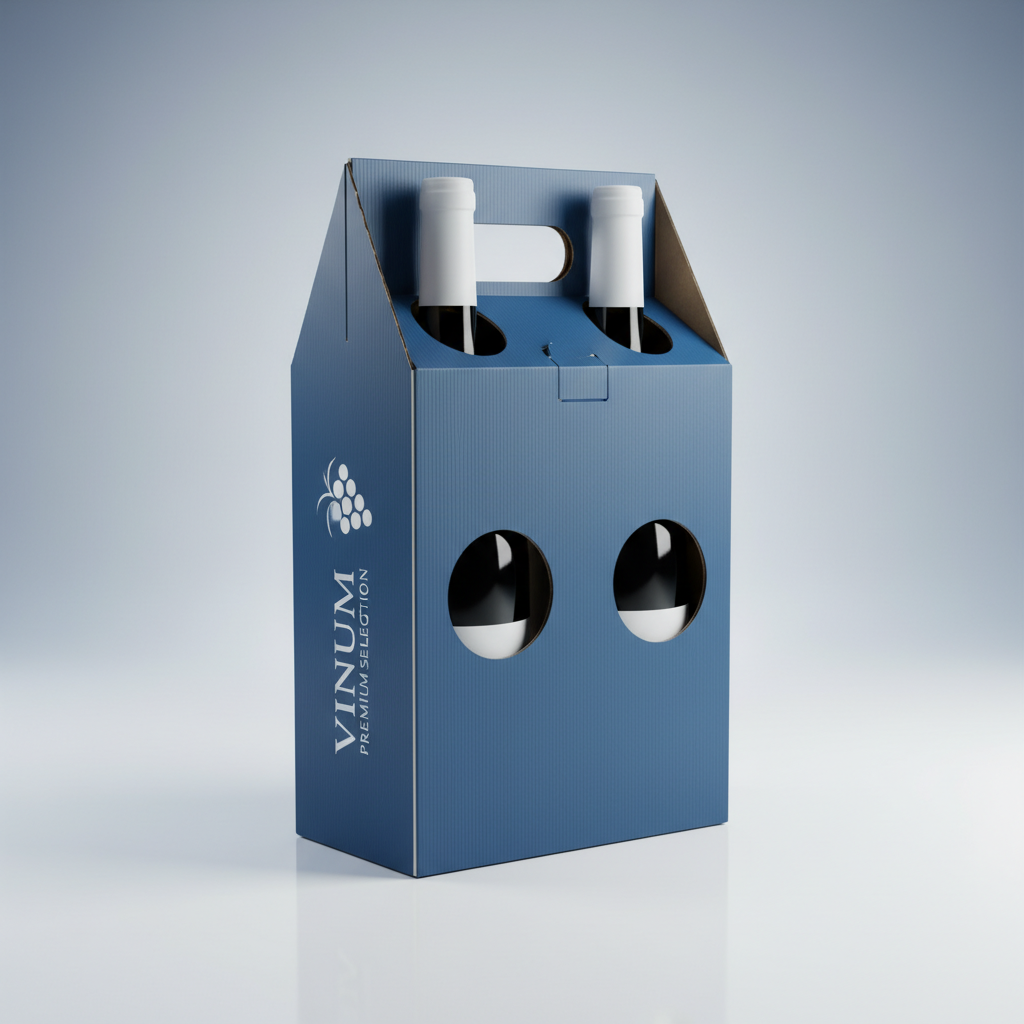
I visited a vineyard in Napa Valley last year, and they were using custom-designed 2 bottle wine carrier cardboard with their branding all over them. It was a small touch, but it made a big difference in terms of perceived value. They understood the importance of presentation.
And post-disaster relief operations sometimes use similar cardboard designs to transport essential supplies. They're lightweight, stackable, and relatively inexpensive.
Comparative Analysis of 2 bottle wine carrier cardboard Methods
Advantages & The Long-Term Value Proposition
The biggest advantage? Cost, plain and simple. Cardboard is cheap. Compared to plastic or foam, it's a no-brainer. But don't mistake cheap for low quality. A well-designed cardboard carrier can provide excellent protection, and it's much more environmentally friendly.
Anyway, I think the long-term value lies in the brand image. A thoughtfully designed and sustainable package shows that you care about your product and your customers. It builds trust.
Future Trends & Innovations in Cardboard Wine Carriers
I’m seeing more and more demand for custom inserts. Foam inserts, molded pulp inserts, even honeycomb cardboard structures. Anything to provide extra cushioning and prevent movement.
And there's a lot of research going into biodegradable coatings and inks. The goal is to create a truly compostable package. It’s a challenge, but it’s worth pursuing.
Challenges and Solutions in 2 bottle wine carrier cardboard Production
The biggest challenge? Moisture. Cardboard hates moisture. It loses its strength, it warps, and it falls apart. A simple solution is to use a waterproof coating, but that adds cost and reduces recyclability.
Another issue is standardization. There's no one-size-fits-all solution for 2 bottle wine carrier cardboard. Every bottle shape and size is different. So you often end up with custom designs, which are more expensive.
I think the future lies in smarter design and material science. Developing stronger, more water-resistant cardboard and finding sustainable alternatives to plastic coatings.
Core Analysis of Challenges in 2 bottle wine carrier cardboard Production
| Challenge Category |
Severity (1-5) |
Potential Solution |
Implementation Cost (Low/Med/High) |
| Moisture Resistance |
4 |
Waterproof Coating |
Med |
| Customization Costs |
3 |
Standardized Insert Options |
Low |
| Material Strength |
3 |
Higher Flute Count Cardboard |
Med |
| Sustainable Inks & Coatings |
2 |
Research & Development |
High |
| Shipping Damage |
4 |
Improved Internal Dividers |
Low |
| Recyclability of Coatings |
2 |
Biodegradable Alternatives |
Med |
FAQS
That's a common question. It really depends on the manufacturer. Generally, you’re looking at a minimum of 500-1000 units. Anything less and the setup costs eat into your profit margin. I’ve seen some smaller shops willing to do smaller runs, but they’ll charge a premium. It’s always best to shop around and get quotes from multiple suppliers.
From design approval to delivery, expect around 4-6 weeks. That includes time for prototyping, material sourcing, printing, and assembly. If you’re dealing with a particularly complex design, or if you need special coatings, it could take longer. Always factor in buffer time, especially during peak seasons.
Lab testing is okay, but real-world testing is crucial. I recommend drop tests, vibration tests, and compression tests. But more importantly, get your shipping team involved. Have them intentionally mishandle the packages to see how they hold up. That’s where you’ll really find the weaknesses.
Completely waterproof? No, not really. Cardboard is inherently porous. But you can make it highly water-resistant with the right coatings. There are bio-based water repellent coatings coming onto the market that are better than traditional plastics, but they are more expensive. You need to weigh the cost against the level of protection you need.
Generally, yes. Modern recycling processes are very good at maintaining the fiber strength of cardboard. In some cases, recycled cardboard can even be stronger than virgin cardboard, depending on the quality of the recycled fibers. But it’s important to source your recycled cardboard from a reputable supplier.
We're seeing a move towards mushroom packaging (mycelium), seaweed-based materials, and agricultural waste products like straw. They're still relatively new and can be more expensive, but they have a much lower environmental impact. Plus, they're biodegradable! It's an exciting area to watch.
Conclusion
So, 2 bottle wine carrier cardboard isn’t glamorous, but it’s essential. It's a deceptively complex product that plays a crucial role in getting wine from the vineyard to your table. It's about balancing cost, durability, sustainability, and branding. And it’s constantly evolving with new materials and technologies.
Ultimately, whether this thing works or not, the worker will know the moment he tightens the screw. Don’t overthink it. It has to protect the bottles, be cost-effective, and ship efficiently. That’s it. And if you want a reliable partner, give us a shout. You can find us at www.bulkbuypackaging.com. We’ve seen it all.