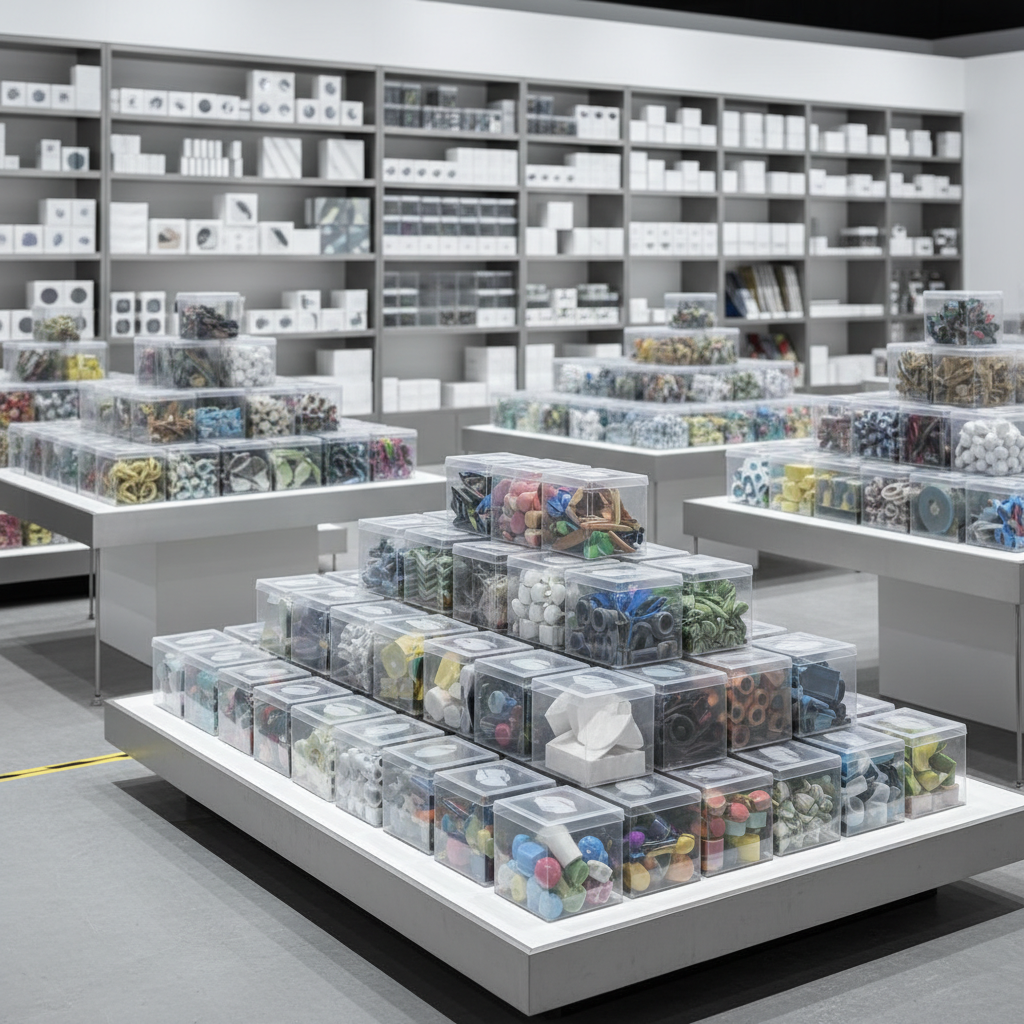
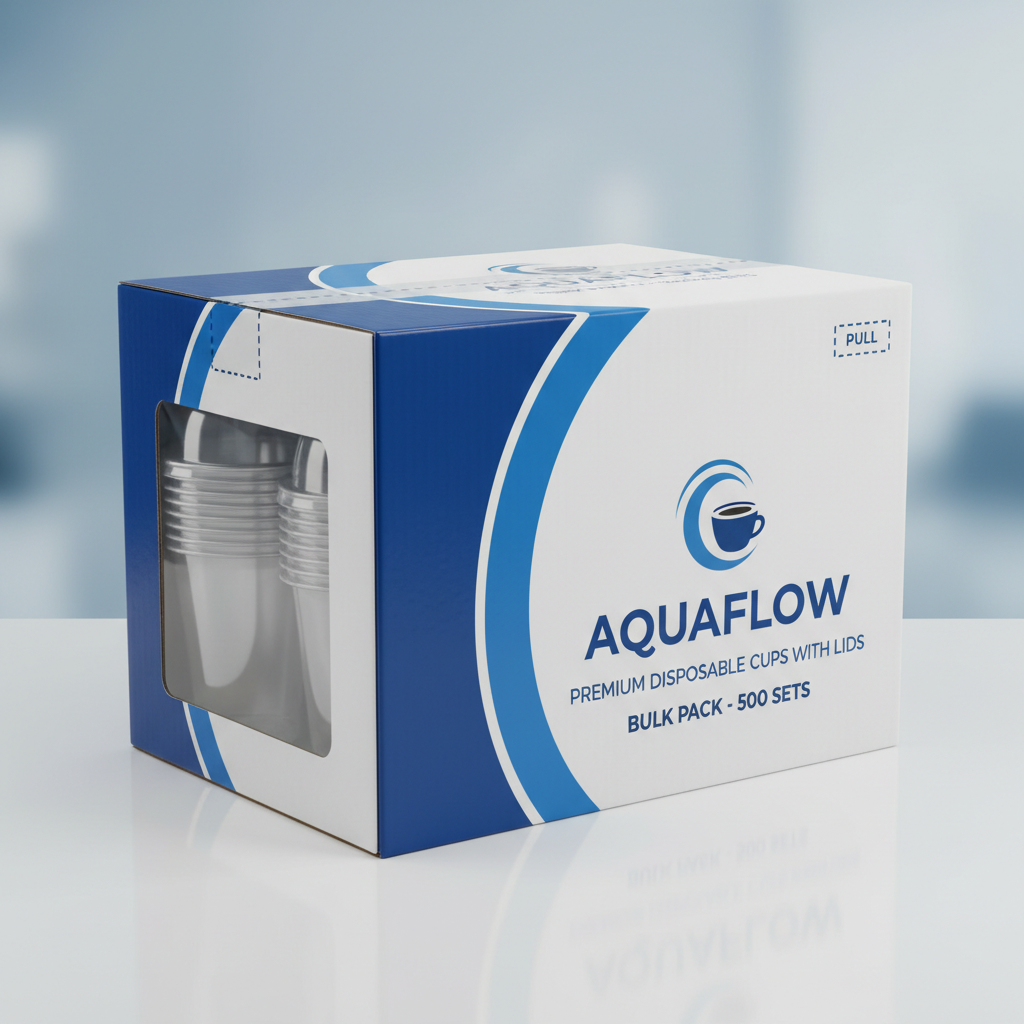
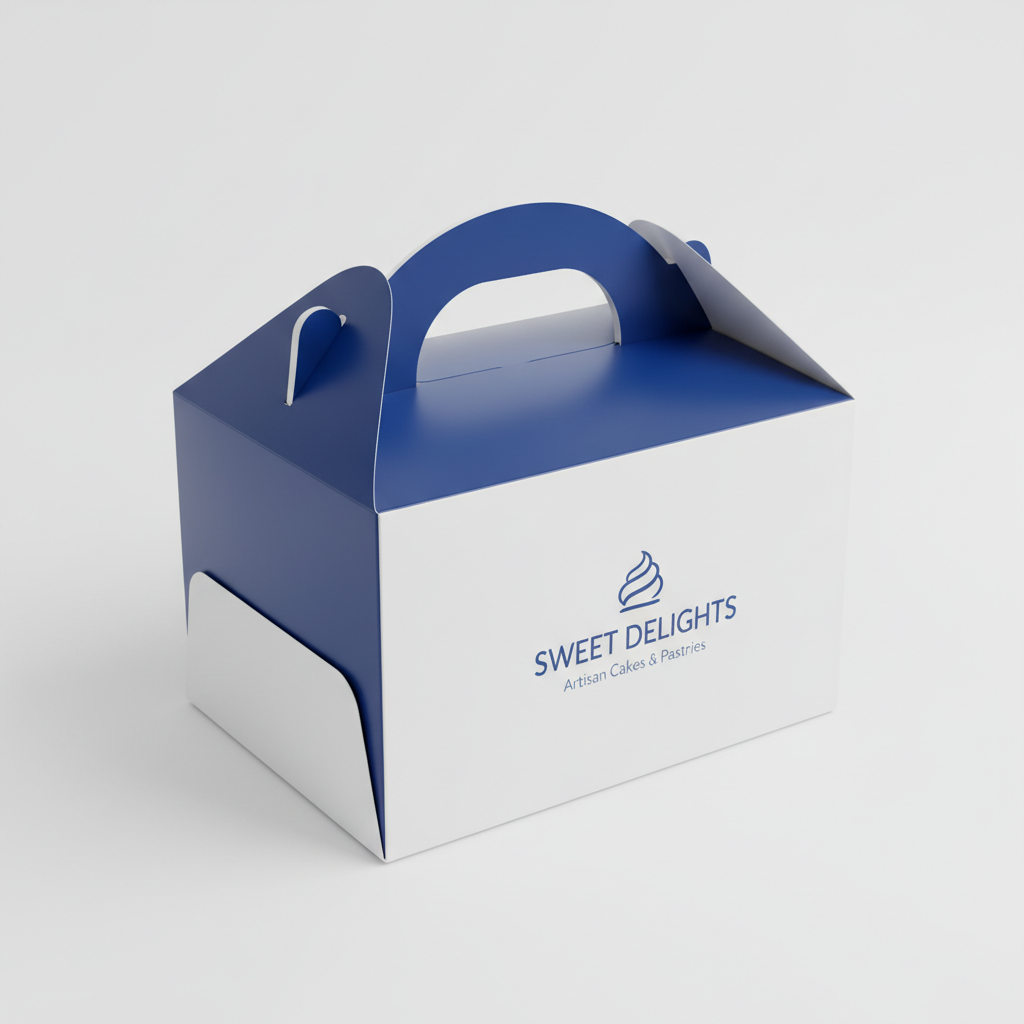
Boxes with clear lids have become increasingly vital across diverse industries, ranging from food packaging and retail displays to medical supplies and industrial components. Their transparent nature provides instant product visibility, enhancing consumer appeal and streamlining inventory management. This isn’t merely a packaging solution; it’s a crucial component in supply chain efficiency and brand presentation globally.
The demand for boxes with clear lids is fueled by a growing need for tamper-evident packaging, product protection during transit, and aesthetically pleasing presentation. Globally, the packaging industry is valued at over $1 trillion, and clear plastic packaging represents a significant and expanding segment within this market. The increasing prevalence of e-commerce and the demand for secure, visible shipping solutions are key drivers behind this growth.
Understanding the nuances of boxes with clear lids – from material composition to design considerations – is essential for businesses seeking to optimize their packaging strategies, minimize product damage, and enhance customer satisfaction. These containers offer a versatile solution adaptable to a wide range of product types and logistical requirements.
The Importance of Boxes with Clear Lids
In today’s competitive marketplace, presentation is paramount. Boxes with clear lids deliver unparalleled product visibility, enabling customers to quickly assess quality and features. This simple feature drives purchasing decisions and builds brand trust. These packaging solutions aren't simply containers, they are an integral part of the customer experience.
Beyond aesthetics, the functional benefits are significant. Clear lids facilitate easy inventory tracking, reducing the need for manual inspection and minimizing errors. This translates into operational efficiencies and cost savings for businesses of all sizes. Investing in quality boxes with clear lids is an investment in streamlined processes and enhanced profitability.
Defining Boxes with Clear Lids
Boxes with clear lids are packaging containers, typically constructed from plastic (PET, PP, PVC, or similar materials), featuring a transparent lid that allows for complete or partial viewing of the contents. The base of the box can be the same transparent material or a solid color, depending on the application and desired aesthetic. Their defining feature is the visibility they provide.
These boxes serve as a critical interface between product and consumer, bridging the gap between manufacturing and purchase. They represent a step away from opaque packaging, prioritizing transparency and product confidence. The ability to see the product inside builds immediate trust.
This packaging solution is intrinsically linked to modern retail and consumer demands. The need for demonstrable quality and authenticity has fueled the adoption of boxes with clear lids across diverse sectors, from confectionery and cosmetics to electronics and pharmaceuticals.
Core Characteristics of Quality Boxes with Clear Lids
Several key characteristics define a high-quality box with a clear lid. Firstly, material clarity is crucial – the plastic must be exceptionally transparent to showcase the product effectively. Secondly, structural integrity is essential for protecting the contents during shipping and handling, ensuring the box resists crushing or deformation.
Thirdly, a secure closure mechanism is vital to prevent tampering and ensure product safety. This can range from simple snap-fit lids to more robust locking systems. Fourthly, the box should be food-grade or appropriate for the intended application, adhering to relevant safety standards and regulations. Finally, durability and resistance to cracking are important considerations for long-term use.
These characteristics aren’t merely about functionality, they are about building consumer confidence. A flimsy or poorly constructed box can diminish the perceived value of the product within, even if the product itself is high quality. Choosing boxes with clear lids that demonstrate these qualities is a critical investment.
Key Factors Influencing Box with Clear Lid Selection
Choosing the right box with a clear lid requires careful consideration of several factors. The first is the type of product being packaged. Delicate items require more robust protection, influencing material thickness and closure design. The second key element is the intended shipping conditions; boxes destined for long-distance transport need to withstand greater stress.
Furthermore, aesthetic considerations play a significant role. The color of the base, the style of the lid (hinged, snap-on, etc.), and the overall box dimensions all contribute to the product's visual appeal. Branding elements, such as logos and custom printing, should also be factored into the decision-making process.
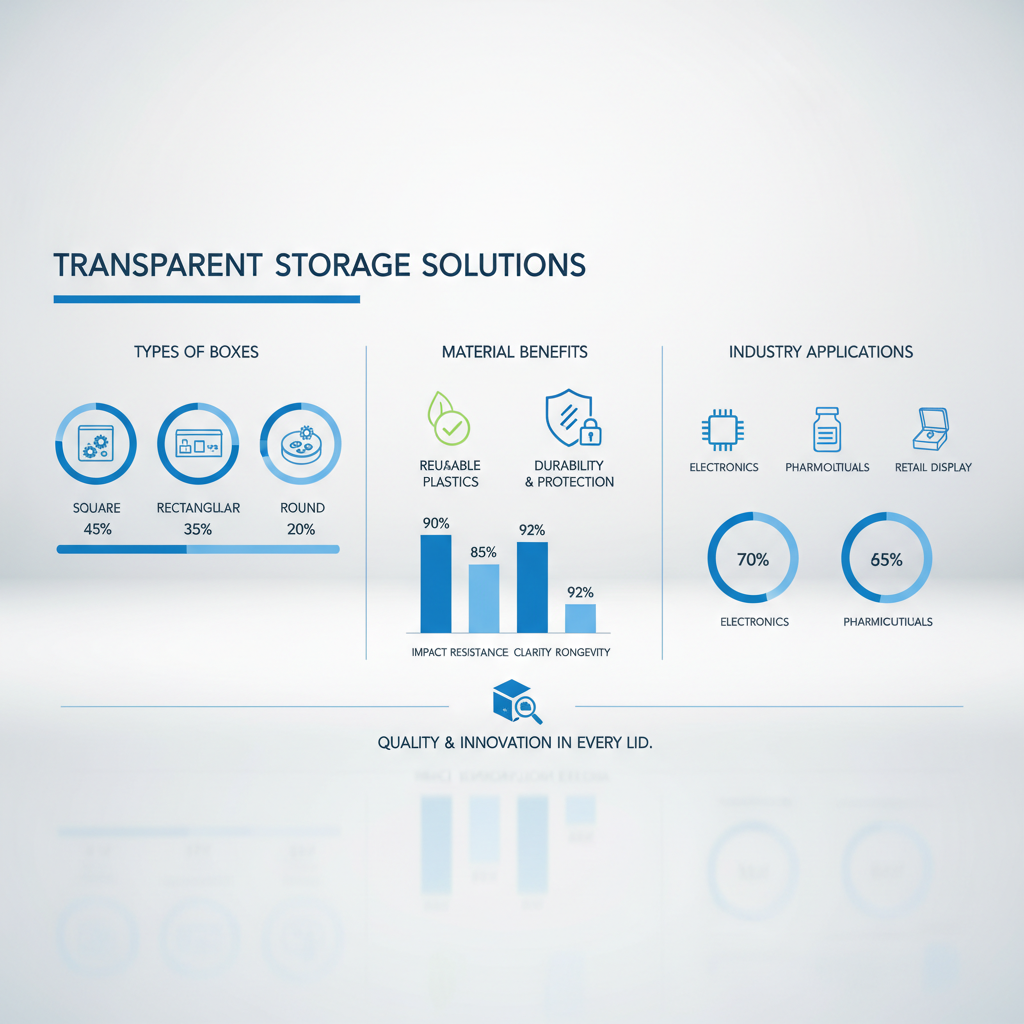
Clear Lid Box Performance Metrics
Global Applications and Industries Utilizing Clear Lid Boxes
Boxes with clear lids are ubiquitous across a surprisingly wide range of industries. In the food industry, they are extensively used for bakery items, confectionery, fresh produce, and prepared meals, providing hygiene and visibility. The cosmetic and personal care sectors utilize them for showcasing products like lipsticks, eyeshadows, and skincare items.
The retail sector benefits from their ability to enhance product presentation and deter theft. Manufacturers of small electronic components and hardware also rely on boxes with clear lids for protection during shipping and storage. Furthermore, the medical industry utilizes them for packaging sterile supplies and medical devices, ensuring visibility and maintaining hygiene standards.
Advantages and Long-Term Value of Clear Lid Packaging
The advantages of employing boxes with clear lids extend far beyond aesthetics. Cost-effectiveness is a major draw, especially when compared to more elaborate packaging solutions. They also contribute to brand recognition through customizable printing options and an enhanced presentation of products. Improved inventory management through product visibility streamlines logistical operations and reduces errors.
Long-term value stems from enhanced customer satisfaction and increased sales. The ability for customers to see the product before purchase builds trust and reduces returns. Sustainable options, like recyclable PET, further enhance their appeal by aligning with environmentally conscious consumer preferences.
Future Trends and Innovations in Clear Lid Box Technology
The future of boxes with clear lids is intertwined with advancements in materials science and sustainable packaging. Biodegradable and compostable plastics are gaining traction as viable alternatives to traditional petroleum-based materials. Smart packaging incorporating QR codes or NFC tags for track-and-trace capabilities is also on the horizon.
Automation in packaging processes will drive efficiency and reduce labor costs. We anticipate increased adoption of thinner, yet equally durable, materials through innovative engineering. The integration of anti-counterfeiting technologies, such as holographic features, will further enhance product security.
These innovations will result in boxes with clear lids that are not only visually appealing but also environmentally responsible, secure, and seamlessly integrated into the digital supply chain.
FAQS
The most common plastics used are PET (Polyethylene Terephthalate), PP (Polypropylene), and PVC (Polyvinyl Chloride). PET offers excellent clarity and recyclability, while PP provides good impact resistance. PVC is less frequently used due to environmental concerns, but still offers a cost-effective solution for certain applications. Choosing the right plastic depends on the specific product requirements and sustainability goals.
Yes, many boxes with clear lids are specifically designed for food packaging, but it’s crucial they are made from food-grade materials that meet relevant safety regulations (e.g., FDA approval in the US, EFSA in Europe). These materials are non-toxic and won’t leach harmful chemicals into the food. Look for packaging labeled as ‘food safe’ or with relevant certifications.
Proper packaging and cushioning during shipping are essential. Utilize appropriately sized shipping boxes with ample void fill (bubble wrap, packing peanuts, or foam inserts) to protect the boxes from impact. Reinforce the corners of the shipping box with packing tape. Consider using palletized shipping for larger quantities. Select a box with a sufficient wall thickness for the weight of the contents.
Absolutely! Many manufacturers offer customization options, including logo printing, custom colors, and label application. Printing methods vary, including screen printing, digital printing, and hot stamping. Custom branding elevates your product presentation and strengthens brand recognition. Request samples from suppliers to assess print quality and color accuracy.
Yes, increasing availability of eco-friendly options. These include boxes made from recycled PET (rPET), biodegradable plastics like PLA (Polylactic Acid), and compostable materials. These alternatives reduce environmental impact but may have different performance characteristics. Carefully evaluate the suitability of these materials for your specific application and ensure proper disposal methods are followed.
Lead times can vary significantly depending on the quantity, customization complexity, and the manufacturer's production schedule. Typically, expect a lead time of 2-6 weeks for custom orders. Larger orders and more intricate designs will generally require longer lead times. It's crucial to communicate your requirements and deadlines clearly with your supplier.
Conclusion
In conclusion, boxes with clear lids represent a versatile and valuable packaging solution with far-reaching applications. From enhancing product visibility and safeguarding contents to streamlining inventory management and bolstering brand image, their benefits are multifaceted. Their continued relevance is assured by the ongoing focus on product presentation, consumer confidence, and logistical efficiency.
Looking ahead, the evolution of boxes with clear lids will be driven by sustainability, technological advancements, and an unwavering commitment to meeting the evolving needs of both businesses and consumers. To explore tailored solutions and optimize your packaging strategies, visit our website: boxes with clear lids.