Box packaging tape is a seemingly simple, yet fundamentally critical component of modern logistics and commerce. From securing packages for e-commerce delivery to reinforcing shipments traveling across continents, its reliable adhesion and strength are essential for ensuring goods arrive safely and intact. The global reliance on efficient supply chains means the demand for high-quality box packaging tape is consistently high, driving innovation in materials, application methods, and sustainability practices.
The importance of box packaging tape extends beyond merely keeping boxes closed. It plays a vital role in product protection, brand integrity, and even tamper evidence. A compromised seal can lead to damaged goods, lost revenue, and diminished customer trust. Considering the exponential growth of online shopping and global trade, understanding the nuances of this often-overlooked material is crucial for businesses and consumers alike.
Furthermore, as environmental concerns grow, the industry is actively seeking more eco-friendly alternatives to traditional plastic-based tapes. This pursuit of sustainable solutions is reshaping the market, leading to the development of biodegradable, recyclable, and plant-based box packaging tape options.
Introduction to Box Packaging Tape
Box packaging tape isn't just a tool; it's a facilitator of global commerce. It’s the often-unseen element that ensures the goods consumers rely on reach them securely. The selection of appropriate box packaging tape significantly impacts shipping costs, product protection, and overall logistical efficiency.
Understanding the different types of tape, their adhesive properties, and their suitability for various applications is crucial for any business involved in packaging and shipping. This knowledge translates directly into reduced damage claims, improved customer satisfaction, and a more streamlined supply chain.
The Global Relevance of Box Packaging Tape
The demand for box packaging tape is intrinsically linked to the growth of global trade and e-commerce. According to UN Comtrade data, the value of world merchandise trade reached $22.3 trillion in 2023. This vast volume of goods necessitates billions of meters of packaging tape annually to secure shipments. The rise of direct-to-consumer (DTC) brands, fueled by platforms like Amazon and Shopify, has further amplified this demand, requiring robust and reliable sealing solutions.
Furthermore, the World Bank estimates that logistics costs can represent up to 15% of a product’s final price. Optimizing packaging, including the efficient use of box packaging tape, is a key strategy for reducing these costs and improving supply chain competitiveness.
The COVID-19 pandemic underscored the critical importance of secure and reliable packaging for delivering essential goods and medical supplies. This highlighted the indispensable role of box packaging tape in maintaining the flow of vital resources during times of crisis.
Defining Box Packaging Tape
Box packaging tape is an adhesive used to seal cartons, boxes, and other packaging materials. It typically consists of a backing material – often polypropylene or polyvinyl chloride (PVC) – coated with an acrylic-based or rubber-based adhesive. Its primary function is to provide a secure closure, preventing contents from shifting or spilling during transit.
The evolution of box packaging tape reflects the changing needs of industry. Early tapes were often fragile and lacked strong adhesion. Modern tapes, however, are engineered for superior strength, durability, and temperature resistance, capable of withstanding the rigors of long-distance shipping and varying climate conditions.
Today, box packaging tape isn’t simply about securing a box; it’s a critical element in brand presentation and consumer confidence, often incorporated into tamper-evident sealing systems.
Key Factors of Effective Box Packaging Tape
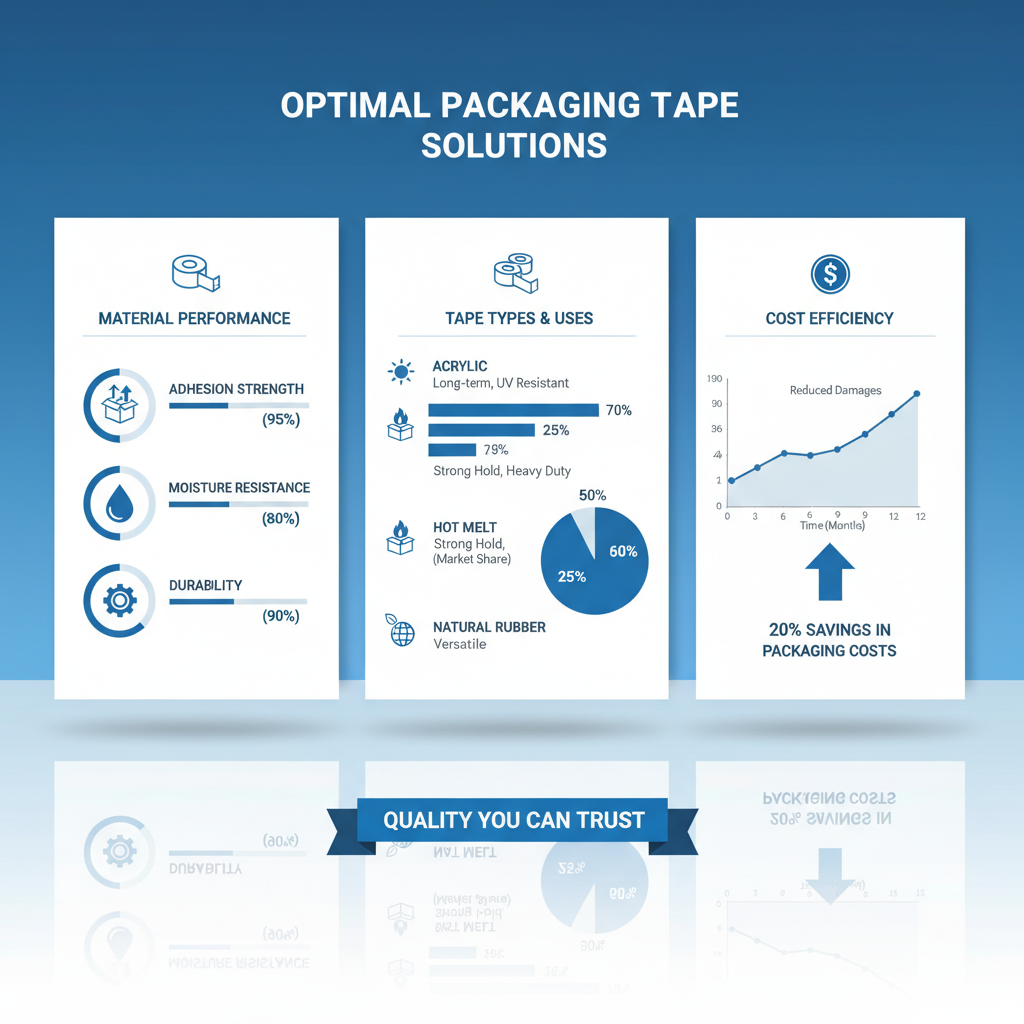
Several key factors determine the effectiveness of box packaging tape. These include adhesion strength, tensile strength, elongation, temperature resistance, and printability. Adhesion refers to how well the tape sticks to the box surface, while tensile strength indicates its resistance to breaking under tension.
Elongation measures how much the tape can stretch before breaking, which is important for handling irregularly shaped packages. Temperature resistance ensures the tape remains effective in varying climates. Finally, printability allows for branding and tracking information to be added directly to the tape.
Comparative Performance of Box Packaging Tape Types
Global Applications and Use Cases
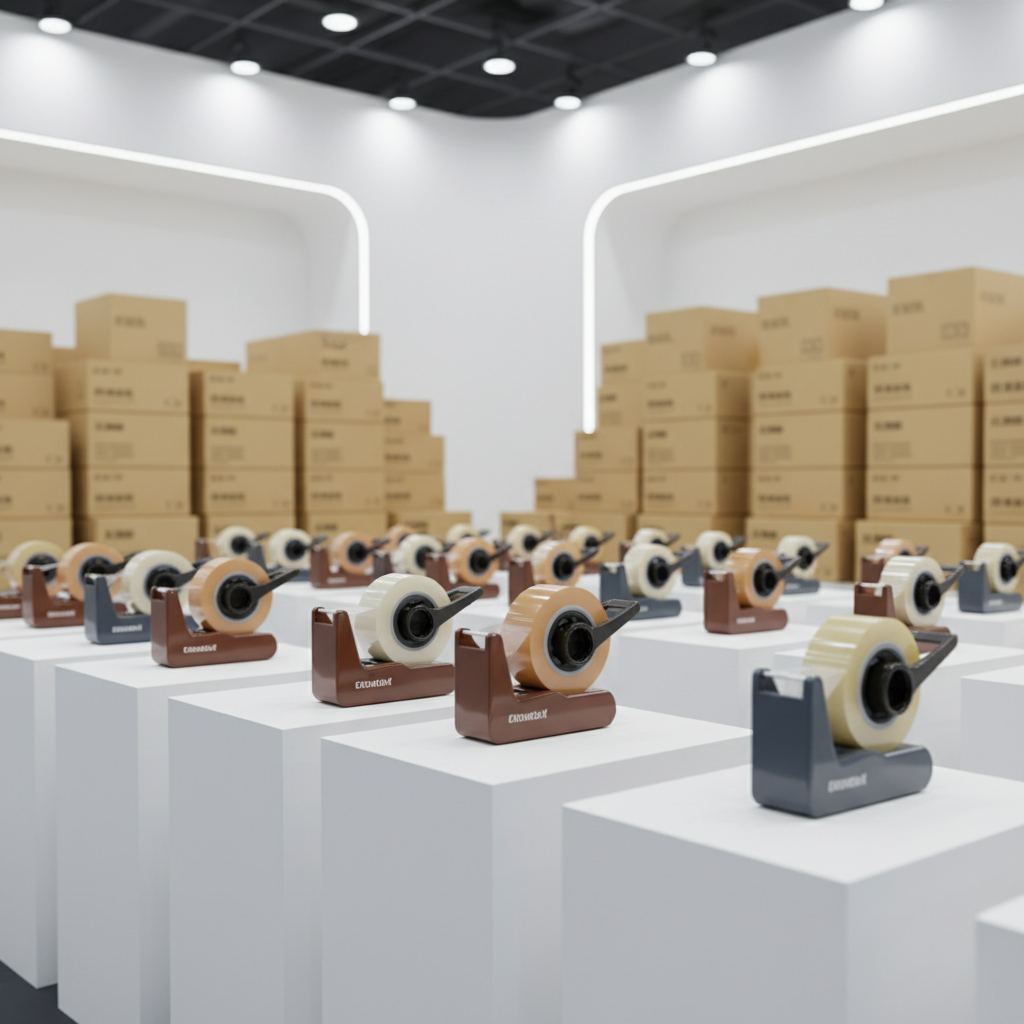
Box packaging tape is ubiquitous across numerous industries. E-commerce fulfillment centers rely heavily on automated tape dispensers to process thousands of packages daily. Manufacturing plants utilize it to secure goods for shipment, while food processing companies employ it for sealing packaging and maintaining hygiene standards.
In post-disaster relief operations, box packaging tape is essential for assembling emergency supply kits and reinforcing damaged packaging. Furthermore, in remote industrial zones, where access to specialized packaging materials is limited, it serves as a versatile and readily available sealing solution.
Advantages and Long-Term Value
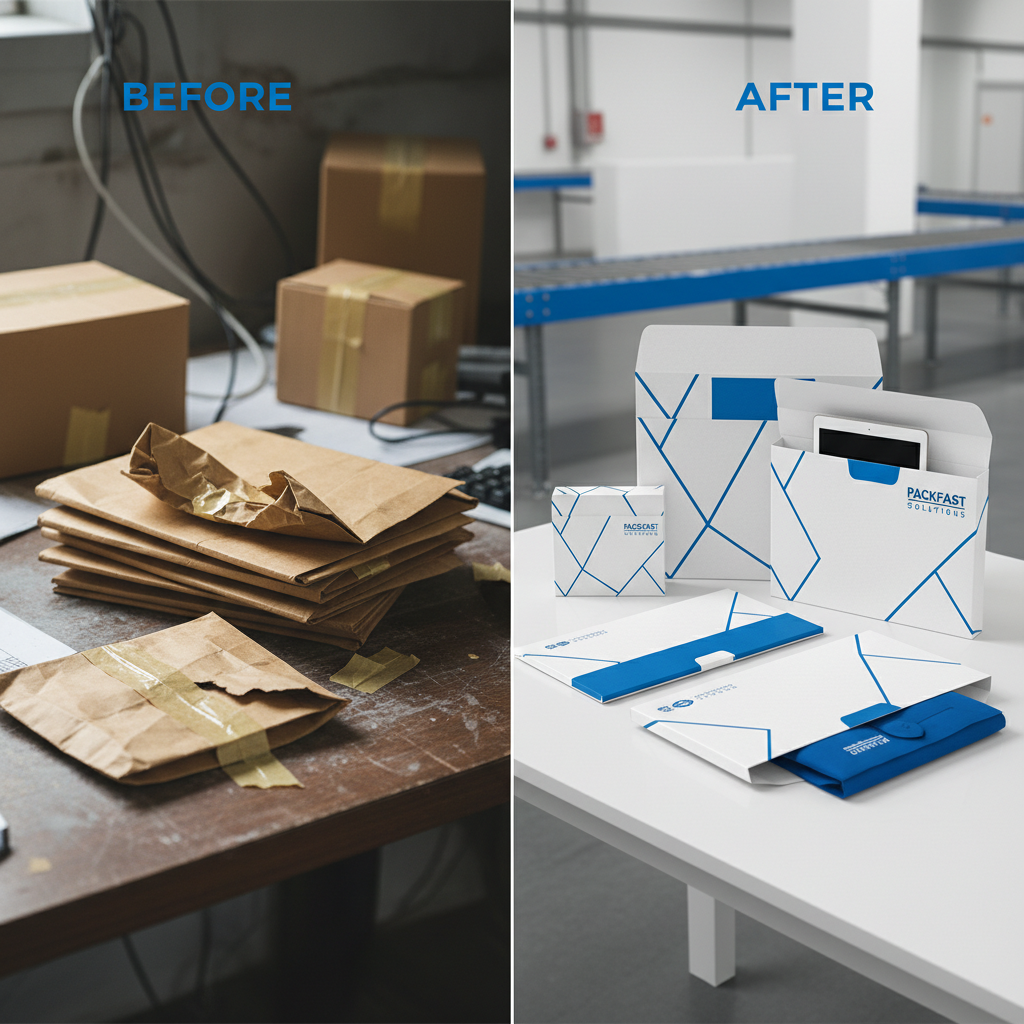
The advantages of using high-quality box packaging tape extend beyond immediate functionality. Utilizing the right tape reduces the risk of damage during transit, minimizing costly returns and replacements. This translates into significant cost savings for businesses and increased customer satisfaction.
Furthermore, the growing availability of sustainable options – such as paper-based and biodegradable tapes – aligns with increasing consumer demand for eco-friendly packaging. This demonstrates a commitment to environmental responsibility and enhances brand reputation.
Future Trends and Innovations in Box Packaging Tape
The future of box packaging tape is focused on sustainability and automation. Research and development efforts are concentrating on creating tapes from renewable resources, such as plant-based polymers and recycled materials. These eco-friendly alternatives aim to reduce the environmental impact of packaging waste.
Automation is also playing a crucial role, with advancements in automated tape dispensing systems improving efficiency and reducing labor costs. Digital integration, such as incorporating QR codes or RFID tags into the tape, will enable enhanced traceability and supply chain visibility.
The industry is also exploring smart tapes with embedded sensors that can monitor temperature, humidity, or even detect tampering, providing real-time data on the condition of shipped goods.
Summary of Box Packaging Tape Trends and Attributes
| Trend/Attribute |
Sustainability Level (1-10) |
Automation Compatibility (1-10) |
Cost-Effectiveness (1-10) |
| Acrylic Tape |
4 |
8 |
7 |
| PVC Tape |
2 |
9 |
6 |
| Water Activated Tape |
9 |
6 |
8 |
| Reinforced Filament Tape |
3 |
7 |
5 |
| Paper Tape |
10 |
5 |
6 |
| Biodegradable Tape |
10 |
4 |
5 |
FAQS
Acrylic tape is generally more UV resistant and less likely to yellow over time, making it suitable for long-term storage. PVC tape, however, offers superior strength and conforms better to irregular surfaces. The choice depends on the specific application needs; PVC for heavy-duty sealing, and Acrylic for applications where clarity and longevity are key. Box packaging tape comes in both varieties.
Yes, water-activated tape (WAT), often made from paper fibers, is considered a more sustainable option as it’s fully recyclable with cardboard. Unlike plastic-based tapes, it doesn’t require heat or pressure to activate, reducing energy consumption during application. Its strong bond also minimizes tape usage, further reducing waste.
Extreme temperatures can significantly impact tape adhesion. Cold temperatures can make tape brittle and less adhesive, while high temperatures can cause it to soften or lose its tack. Selecting a tape formulated for the expected temperature range is crucial for ensuring a secure seal during transit.
For heavy boxes, reinforced filament tape is the ideal choice. It features fiberglass filaments embedded within the tape, providing exceptional tensile strength and preventing stretching or breaking. This type of box packaging tape ensures a secure seal even under significant weight and stress.
Yes, certain types of box packaging tape are specifically designed for printing. These tapes typically have a coated surface that allows for clear and durable printing of logos, tracking information, or other branding elements. Custom-printed tape adds a professional touch and enhances brand recognition.
Store box packaging tape in a cool, dry place away from direct sunlight and heat sources. Avoid exposing it to extreme temperatures or humidity, as this can degrade the adhesive over time. Proper storage helps maintain the tape's tack and ensures its long-term performance.
Conclusion
In conclusion, box packaging tape is a fundamental component of the modern supply chain, playing a crucial role in ensuring the safe and efficient transportation of goods worldwide. Understanding its various types, key characteristics, and emerging trends is essential for businesses seeking to optimize their packaging processes, reduce costs, and enhance sustainability.
As the industry continues to evolve, driven by technological advancements and environmental concerns, the future of box packaging tape will undoubtedly focus on innovation, sustainability, and integration with smart packaging solutions. Visit our website at www.bulkbuypackaging.com to explore our comprehensive range of box packaging tape and find the perfect solution for your needs.