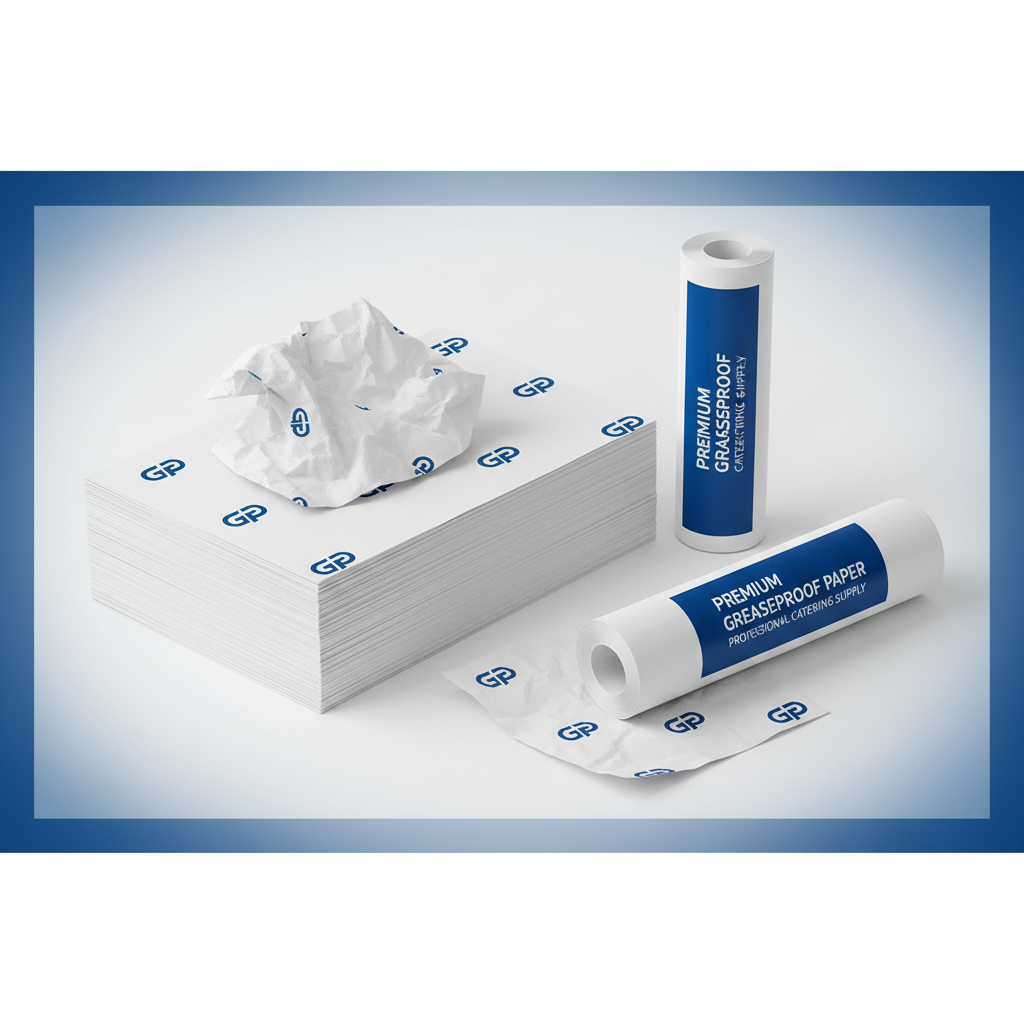
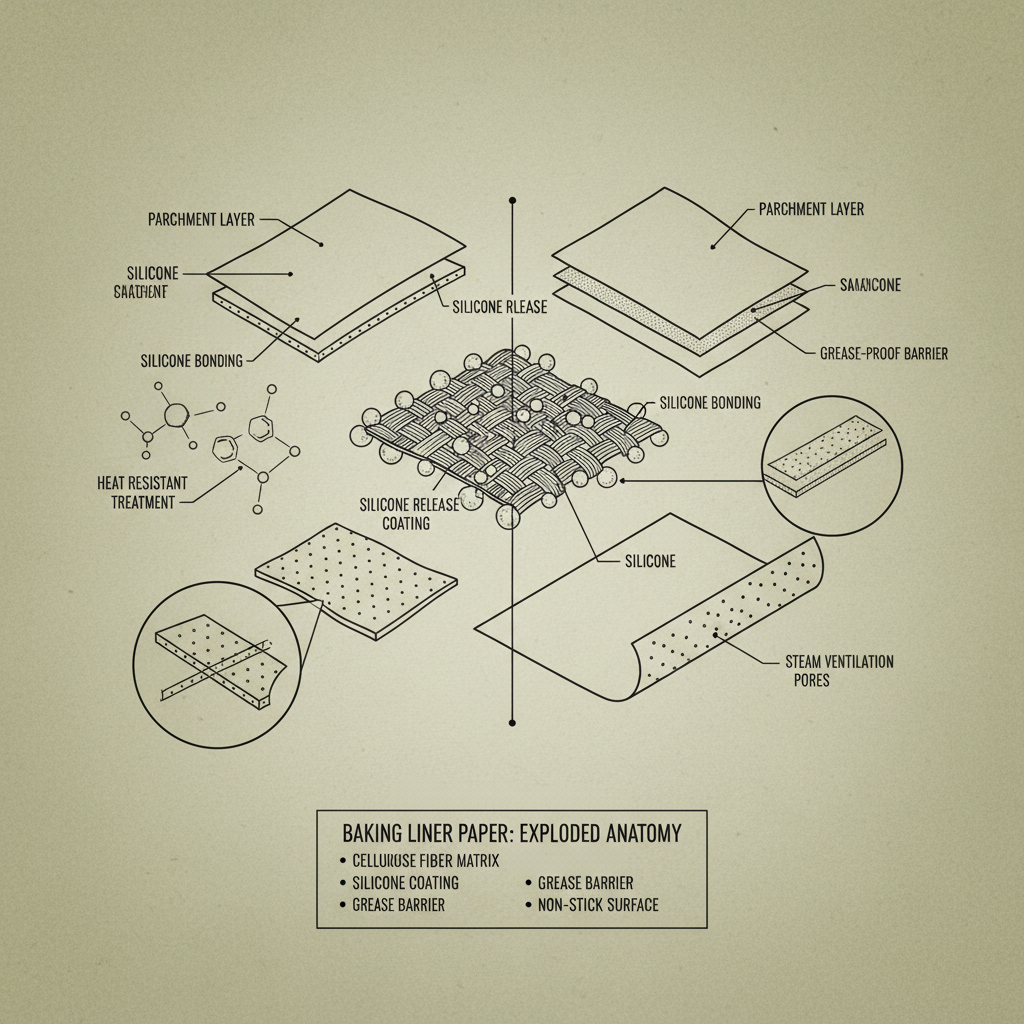
Catering greaseproof paper plays a critical role in the food service industry, ensuring the safe and hygienic packaging of a wide range of culinary products. From delicate pastries to savory fried foods, this specialized paper prevents grease saturation, maintains food quality, and enhances the overall customer experience. Its importance extends beyond simply containing food; it's a key component in branding, presentation, and adhering to stringent food safety regulations.
The global demand for catering greaseproof paper is consistently rising, driven by the expanding food delivery and takeaway sectors, particularly in urban areas. Increased consumer awareness of food hygiene and the need for convenient packaging solutions further fuel this growth. Understanding the properties, applications, and emerging trends in catering greaseproof paper is crucial for businesses seeking to optimize their food packaging strategies and meet evolving market demands.
As sustainability becomes increasingly paramount, the development of eco-friendly alternatives to traditional greaseproof paper is gaining momentum. This shift represents not only a response to environmental concerns but also a strategic opportunity for businesses to demonstrate their commitment to responsible practices, attracting environmentally conscious consumers and enhancing their brand reputation.
Defining Catering Greaseproof Paper: Properties & Applications
Catering greaseproof paper isn’t simply paper treated to resist oil; it's a specialized material engineered with specific fibers and coatings to provide a barrier against grease penetration, while remaining food-safe and compliant with industry standards. The core of its functionality lies in its construction – often a combination of virgin pulp and reinforcing agents – which creates a dense structure.
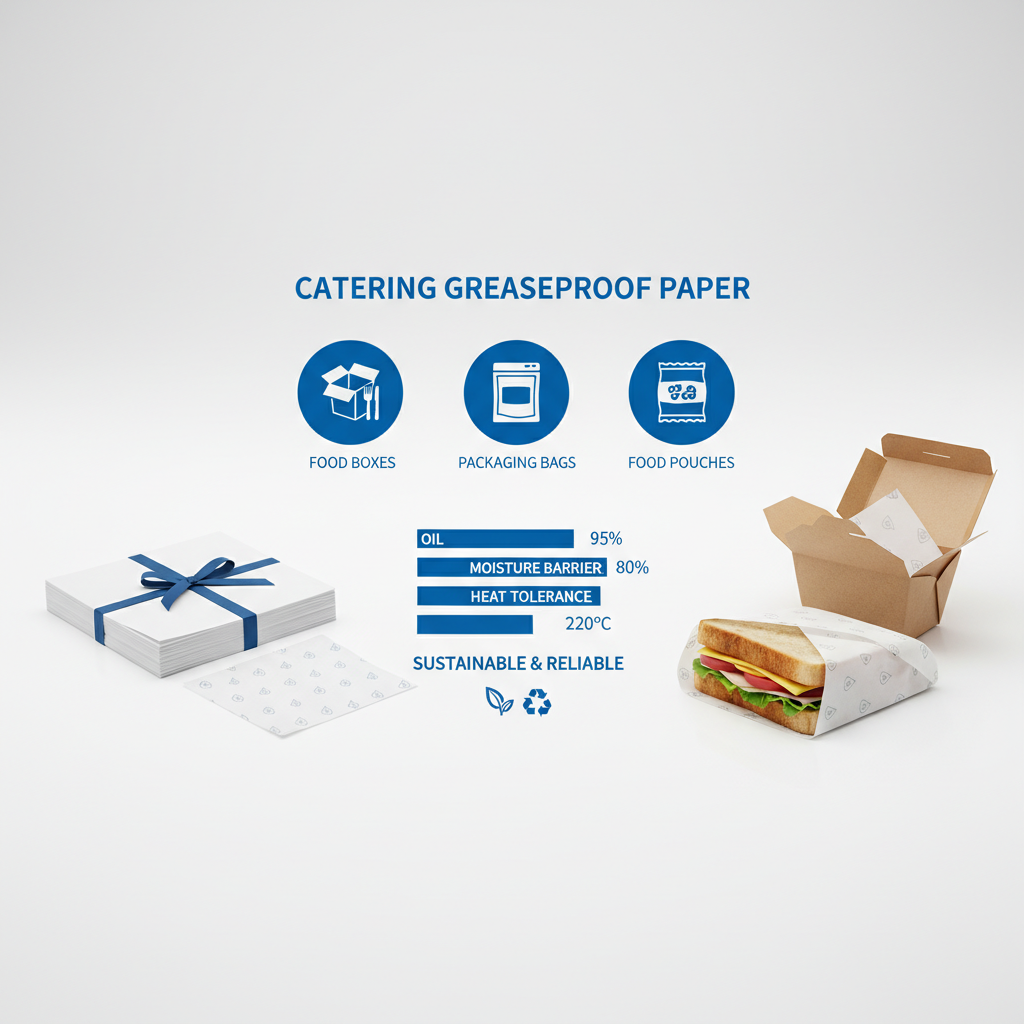
The primary applications of catering greaseproof paper are extensive, encompassing food wrapping for fried items like fish and chips, burger pouches, bakery packaging for pastries and cakes, and linings for food containers. Its ability to maintain the structural integrity of packaging even when exposed to oily or greasy foods is paramount in ensuring a clean and presentable product for the consumer.
The Global Market Landscape for Catering Greaseproof Paper
The global catering greaseproof paper market is a dynamic and growing sector, currently valued at approximately $4.5 billion and projected to reach $6.2 billion by 2028, according to recent industry reports. Asia-Pacific represents the largest consumer market, driven by the region’s expanding food service industry and increasing disposable incomes. North America and Europe follow as significant contributors, with a strong emphasis on sustainable and biodegradable options.
Growth within the market is significantly influenced by the increasing demand for convenience foods and takeaway services. The rise of online food delivery platforms and the proliferation of quick-service restaurants are major factors fueling this demand. Furthermore, stricter food safety regulations and consumer preference for hygienic packaging are driving the adoption of high-quality catering greaseproof paper.
However, the market also faces challenges, including fluctuating raw material prices (pulp and coatings), increasing competition from alternative packaging materials, and growing pressure to adopt environmentally friendly solutions. Companies are responding by investing in research and development to create innovative and sustainable greaseproof paper products.
Key Characteristics of High-Quality Catering Greaseproof Paper
High-quality catering greaseproof paper is defined by several crucial characteristics. First, is its oil resistance, typically measured by the Cobb test, which quantifies the amount of water absorbed by the paper. Lower Cobb values indicate greater oil resistance. Second, it must be food-grade, meaning it meets stringent safety standards and is free from harmful chemicals.
Thirdly, its tensile strength and tear resistance are vital to ensure it can withstand handling and packaging without ripping or tearing. Fourth, breathability is important for some applications, preventing condensation buildup within packaging. Finally, printability is a significant factor, as many businesses use greaseproof paper for branding and product information.
The basis weight of the paper—expressed in grams per square meter (gsm)—also influences its quality. Heavier basis weights generally provide better grease resistance and strength, but can also increase cost. Selecting the appropriate basis weight depends on the specific application and the type of food being packaged.
Diverse Applications of Catering Greaseproof Paper Across Food Sectors
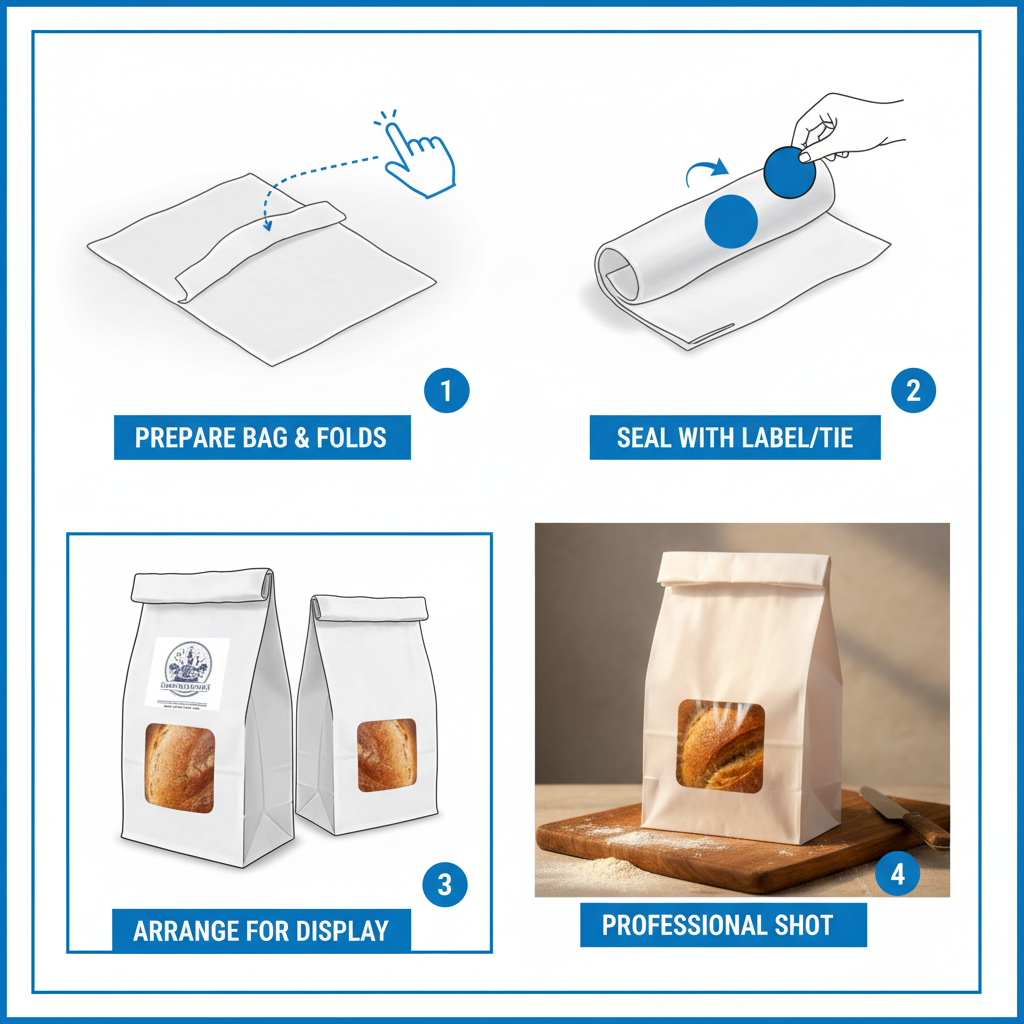
The versatility of catering greaseproof paper makes it indispensable across numerous food sectors. In the fast-food industry, it’s the standard for wrapping burgers, fries, and fried chicken, preventing oil stains and maintaining food temperature. Bakeries rely on greaseproof paper for lining cake boxes, wrapping pastries, and separating layers of delicate desserts, ensuring freshness and presentation.
Catering companies use greaseproof paper extensively for packing takeaway meals, sandwich platters, and buffet items. The food truck industry also benefits greatly, employing greaseproof paper for portioning and wrapping menu items for convenient service. Furthermore, seafood restaurants and fish and chip shops depend on it for containing oily products without compromising packaging integrity.
Grease Resistance Levels in Different Catering Greaseproof Paper Types
Advantages of Using Catering Greaseproof Paper: Cost, Sustainability & Safety
Utilizing catering greaseproof paper offers significant advantages to food businesses. Economically, it represents a cost-effective packaging solution compared to alternatives like plastic containers. In terms of sustainability, the availability of recycled and compostable options reduces environmental impact, appealing to eco-conscious consumers. Furthermore, it enhances food safety by providing a barrier against contamination.
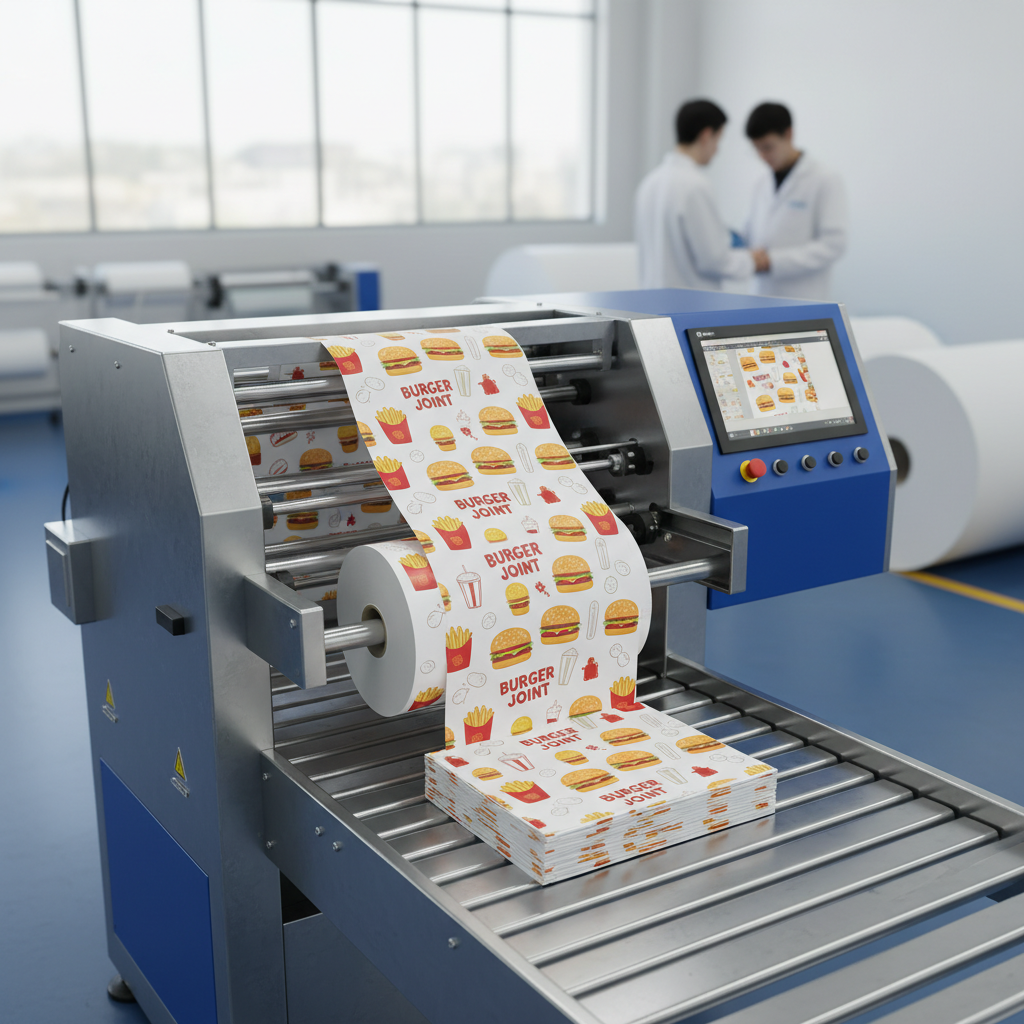
The use of catering greaseproof paper also provides brand enhancement opportunities. Customized printing on the paper allows businesses to display logos, promotional messages, and nutritional information, improving brand recognition and customer engagement. The visual appeal of well-packaged food can also elevate the perceived value of the product, increasing customer satisfaction.
Emerging Trends & Innovations in Catering Greaseproof Paper Technology
The catering greaseproof paper industry is constantly evolving with a focus on innovation and sustainability. One key trend is the development of bio-based coatings that offer comparable grease resistance to traditional polyethylene (PE) coatings, but with a significantly lower environmental footprint. These coatings are derived from renewable resources like plant starches and vegetable oils.
Another emerging area is the use of nanotechnology to enhance the barrier properties of greaseproof paper. Nanoparticles can be incorporated into the paper structure to improve oil resistance, strength, and even antimicrobial properties. The use of smart packaging, incorporating QR codes or NFC tags for traceability and information delivery, is also gaining traction.
Overcoming Challenges: Regulations, Sourcing & Future Outlook
Despite its benefits, the catering greaseproof paper industry faces ongoing challenges. Compliance with increasingly stringent food safety regulations, such as those set by the FDA and EFSA, requires continuous monitoring and adherence to quality standards. Sourcing sustainable raw materials, particularly responsibly sourced pulp, is another critical concern.
Supply chain disruptions and fluctuating pulp prices can also impact the industry. Building resilient supply chains and diversifying sourcing options are crucial for mitigating these risks. Looking ahead, the future of catering greaseproof paper lies in embracing circular economy principles, developing fully compostable and recyclable materials, and driving innovation in bio-based coatings and nanotechnology.
The demand for high-performance, sustainable, and cost-effective catering greaseproof paper will continue to grow, driven by evolving consumer preferences and regulatory pressures. Companies that prioritize innovation, sustainability, and supply chain resilience will be best positioned to succeed in this dynamic market.
Summary of Factors Impacting Catering Greaseproof Paper Quality & Performance
| Raw Material Source |
Coating Type |
Basis Weight (gsm) |
Compliance Standards |
| Virgin Pulp |
Polyethylene (PE) |
40 |
FDA, EFSA |
| Recycled Pulp |
Wax |
30 |
BPI Compostable |
| Bamboo Fiber |
Bio-based Polymer |
50 |
ISO 9001 |
| Sugarcane Bagasse |
PLA Coating |
35 |
EN 13432 |
| Wood Pulp Blend |
Siliconized Coating |
45 |
REACH Compliance |
| Forest Stewardship Council (FSC) Certified |
Fluorochemical Coating |
60 |
ASTM Standards |
FAQS
Wax coated paper provides a good initial barrier to grease but can become brittle and crack with flexing. PE (polyethylene) coated paper offers superior grease resistance, durability, and flexibility. PE coating also typically performs better at both high and low temperatures, making it more suitable for a wider range of food applications. While wax is derived from natural resources, PE currently offers more reliable performance.
Recyclability and compostability depend on the type of coating and the facilities available in your area. Paper with a PE coating is generally not recyclable due to the plastic content. However, wax-coated paper can sometimes be recycled with other paper products. Compostable options, often using PLA or bio-based coatings, are becoming increasingly popular, but require industrial composting facilities to break down effectively. Always check local guidelines.
Ensure the catering greaseproof paper you purchase meets relevant food safety standards, such as FDA (US) or EFSA (Europe) regulations. Look for certifications indicating the paper is free from harmful chemicals and is suitable for direct food contact. Reputable suppliers will provide documentation confirming compliance with these standards. Avoiding uncertified or low-cost options is critical for maintaining food safety.
For highly oily foods, a basis weight of 50gsm or higher is recommended. Heavier basis weights provide greater strength and grease resistance, preventing saturation and tears. For less oily foods, a basis weight of 40gsm may suffice. Consider the specific food being packaged and the expected handling conditions when selecting the appropriate basis weight.
Yes, several eco-friendly alternatives are emerging. Bio-based coatings derived from plant starches, vegetable oils, and cellulose offer a sustainable alternative to PE. PLA (Polylactic Acid) coatings are also gaining popularity, although they require industrial composting. Researching and sourcing these alternatives demonstrates a commitment to environmental responsibility.
Printed catering greaseproof paper enhances brand recognition and creates a professional presentation. It allows businesses to display logos, messaging, and nutritional information directly on the food packaging. This increases brand visibility, improves customer experience, and can even serve as a cost-effective marketing tool. Consider food-grade inks for safe and effective printing.
Conclusion
In conclusion, catering greaseproof paper is an essential component of the modern food service industry, offering a versatile and reliable solution for packaging a wide variety of culinary products. Its properties, ranging from grease resistance to food safety, directly impact the quality, presentation, and hygiene of the food it contains. As the industry evolves, driven by sustainability concerns and consumer demands, innovation in materials and coatings will continue to shape the future of this critical packaging element.
Looking ahead, businesses should prioritize sourcing sustainable, high-quality catering greaseproof paper that meets both their operational needs and environmental commitments. By embracing emerging technologies and staying informed about regulatory changes, food service providers can leverage the benefits of this essential material while minimizing their ecological footprint and enhancing customer satisfaction. Visit our website at catering greaseproof paper to explore our wide range of solutions.