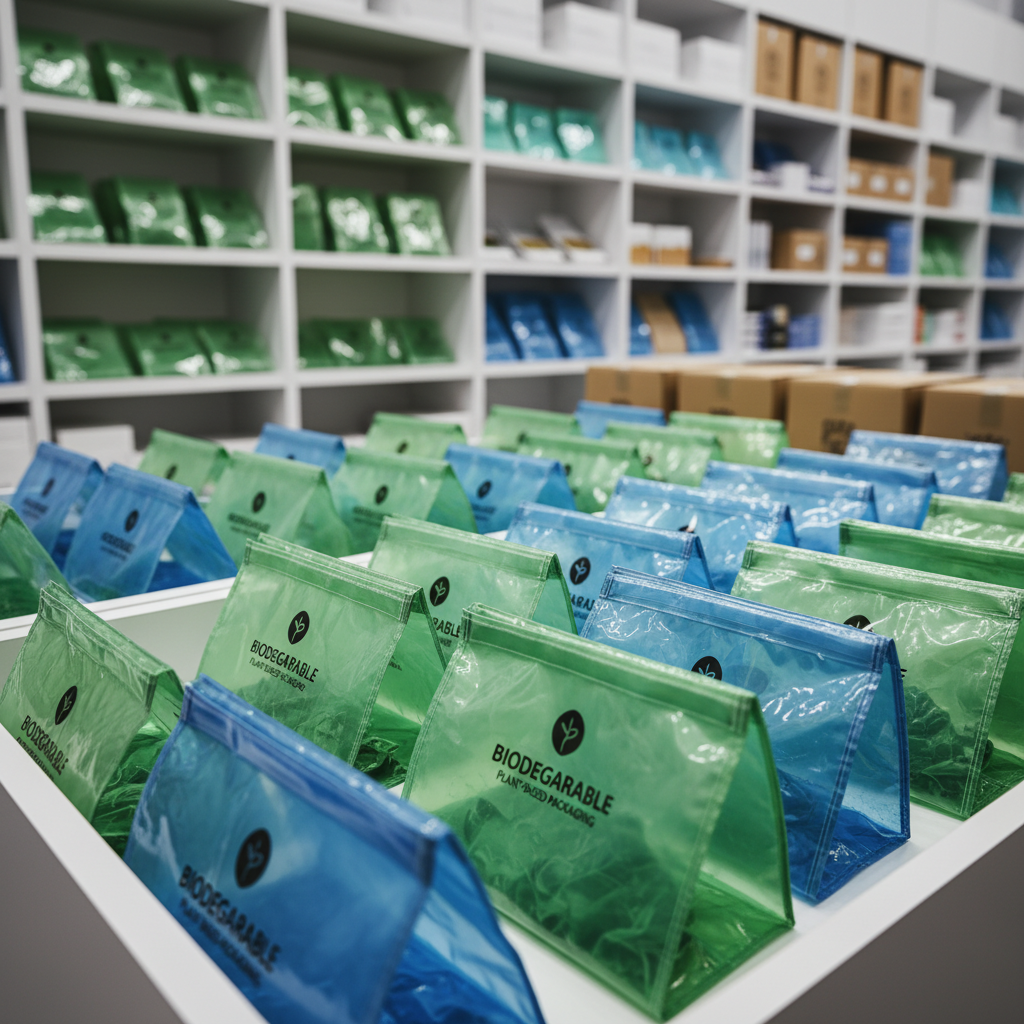
Biodegradable bags are rapidly gaining prominence as a sustainable alternative to traditional plastic packaging, driven by escalating environmental concerns and a global push for circular economies. The sheer volume of plastic waste accumulating in landfills and oceans poses a significant threat to ecosystems and human health, making the adoption of biodegradable solutions crucial. These bags, designed to decompose naturally, offer a pathway to reduce pollution and minimize our reliance on fossil fuels used in conventional plastic production.
The importance of understanding biodegradable bags extends beyond environmental protection. Innovations in materials science are constantly refining their performance and cost-effectiveness, opening up new opportunities for diverse applications – from grocery shopping and food packaging to agricultural films and compostable waste collection. Successfully navigating this landscape requires awareness of different types of biodegradable materials, their certifications, and proper disposal methods.
Ultimately, widespread adoption of biodegradable bags is not merely an environmental imperative but also a strategic move toward a more resilient and responsible future for industries and consumers alike. Choosing these bags represents a tangible step in mitigating climate change and fostering a healthier planet for generations to come.
Introduction to Biodegradable Bags
The growing need to address plastic pollution has sparked considerable interest in biodegradable bags as a viable alternative. Unlike conventional plastics which persist in the environment for hundreds of years, these bags are engineered to break down into natural substances – water, carbon dioxide, and biomass – under specific conditions. This decomposition process significantly reduces the long-term environmental impact.
The demand for biodegradable bags is fueled by both consumer awareness and increasingly stringent regulations imposed by governments worldwide. Countries are implementing policies such as plastic bag bans, taxes on single-use plastics, and incentives for using eco-friendly packaging materials. This regulatory landscape provides a strong impetus for businesses to adopt sustainable packaging solutions.
Defining Biodegradable Bags
Biodegradable bags are packaging materials designed to decompose into natural components through the action of microorganisms, such as bacteria and fungi. Crucially, this process differs from simply breaking down into smaller plastic pieces (fragmentation); true biodegradation results in the complete conversion of the material into natural substances. The rate and extent of biodegradation depend on several factors, including the material composition, temperature, humidity, and the presence of suitable microorganisms.
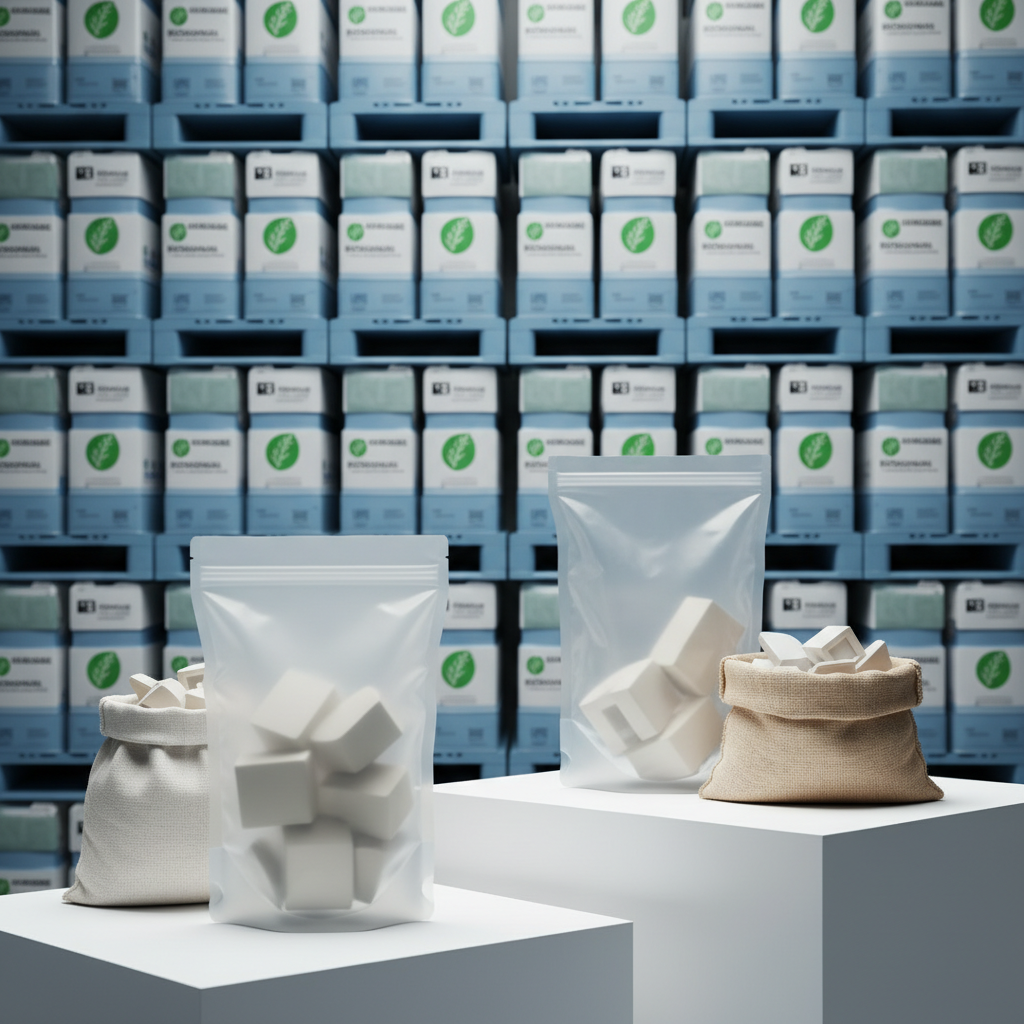
These bags are typically made from renewable resources like cornstarch, sugarcane, or cellulose, offering a significant advantage over petroleum-based plastics. While the term "biodegradable" is often used, it's important to distinguish it from "compostable," which requires specific composting conditions. Biodegradable bags can degrade in various environments, while compostable bags require industrial composting facilities.
The connection to modern industry and humanitarian needs is profound. As businesses strive for sustainability and consumers demand eco-friendly options, biodegradable bags offer a solution for reducing environmental impact across supply chains. They are also vital in disaster relief scenarios where minimizing waste is paramount and rapid decomposition is desirable.
Key Components of Biodegradable Bags
The performance and characteristics of biodegradable bags are determined by their key components. The primary material is usually a polymer, such as Polylactic Acid (PLA) derived from cornstarch, Polyhydroxyalkanoates (PHAs) produced by bacteria, or cellulose-based materials. These polymers provide the structural integrity of the bag.
Additives play a crucial role in enhancing properties like flexibility, strength, and printability. These can include plasticizers to improve flexibility, fillers to reduce cost, and pigments for coloration. However, the choice of additives must be carefully considered to ensure they do not compromise the biodegradability of the final product.
Finally, surface treatments are sometimes applied to improve water resistance or barrier properties. These treatments must also be biodegradable to maintain the overall eco-friendliness of the bag. Understanding these components is crucial for evaluating the true environmental impact and performance of different biodegradable bag options.
Global Applications of Biodegradable Bags
Biodegradable bags are finding increasing applications across diverse sectors. In the retail industry, they serve as shopping bags, produce bags, and carrier bags, offering a sustainable alternative to traditional plastic options. The food packaging sector utilizes them for packaging snacks, baked goods, and fresh produce, helping to reduce food waste and minimize environmental impact.
Agriculture is another significant area of application. Biodegradable mulch films, made from materials like PLA, suppress weeds, retain moisture, and improve soil temperature, eventually breaking down in the field and eliminating the need for removal and disposal. In remote industrial zones or post-disaster relief operations, biodegradable bags are preferred due to ease of disposal and reduced environmental footprint.
Biodegradable Bag Decomposition Rates (Approximate)
Advantages and Long-Term Value
The adoption of biodegradable bags delivers a multitude of tangible benefits. Cost savings can be realized through reduced waste disposal fees and potential tax incentives for using sustainable packaging. Furthermore, the use of renewable resources diminishes reliance on fossil fuels, contributing to a reduced carbon footprint.
However, the true value extends beyond economic considerations. The positive social impact is substantial, as biodegradable bags promote a cleaner environment and enhance public health. The reliability and performance of modern biodegradable materials are continually improving, matching or exceeding the capabilities of conventional plastics in many applications. This fosters trust and encourages wider acceptance.
Future Trends in Biodegradable Bags
Innovation in materials science is driving exciting advancements in biodegradable bags. Researchers are exploring novel biopolymers derived from algae, food waste, and other sustainable sources, aiming to further reduce environmental impact and enhance biodegradability. The integration of nanotechnology is also showing promise, creating materials with improved strength, barrier properties, and decomposition rates.
Policy changes are also expected to play a crucial role. Increased regulations surrounding single-use plastics and incentives for adopting biodegradable alternatives will accelerate market growth. Digital transformation, including blockchain technology, can enhance traceability and transparency in the biodegradable bag supply chain, assuring consumers of their authenticity and sustainability.
Challenges and Solutions for Biodegradable Bags
Despite their advantages, biodegradable bags face certain challenges. Cost remains a barrier in some cases, as biodegradable materials can be more expensive than conventional plastics. Concerns about proper disposal and the need for specific composting conditions also exist. Standardization of biodegradability testing and certification is crucial to ensure transparency and build consumer confidence.
To overcome these challenges, continued investment in research and development is essential to reduce material costs and improve performance. Infrastructure development, including expanded composting facilities, is needed to facilitate proper disposal. Education campaigns can raise awareness among consumers about the correct methods for disposing of biodegradable bags.
Expert insights suggest that collaborative efforts between industry, government, and research institutions are key to unlocking the full potential of biodegradable bags and driving widespread adoption.
Summary of Biodegradable Bag Challenges and Solutions
| Challenge |
Impact on Biodegradable Bags |
Proposed Solution |
Implementation Timeline |
| High Material Cost |
Limits market competitiveness. |
Invest in R&D for lower-cost biopolymers. |
3-5 years |
| Disposal Infrastructure |
Lack of adequate composting facilities. |
Expand industrial composting capacity. |
5-10 years |
| Consumer Awareness |
Incorrect disposal practices. |
Educational campaigns on proper disposal. |
Ongoing |
| Biodegradability Standards |
Lack of clear, consistent standards. |
Develop standardized testing and certification. |
2-3 years |
| Performance Limitations |
Some materials lack durability. |
Material blending and nanotechnology. |
3-7 years |
| Greenwashing Concerns |
Misleading marketing claims. |
Strict enforcement of labeling regulations. |
Ongoing |
FAQS
While both biodegradable and compostable bags break down naturally, "compostable" requires specific conditions – high temperatures, humidity, and microbial activity – found in industrial composting facilities. Biodegradable bags can decompose in various environments, albeit potentially slower. It's crucial to check for certifications like ASTM D6400 for compostability and understand local composting infrastructure when selecting a bag.
The eco-friendliness of biodegradable bags depends on the material and disposal method. Look for bags certified by reputable organizations. Avoid bags labeled merely "biodegradable" without further specifications. Consider the entire lifecycle – from sourcing of materials to end-of-life management. Biodegradable bags made from sustainably sourced materials and properly composted are significantly more environmentally friendly than conventional plastics.
Decomposition time varies widely depending on the material and environmental conditions. PLA bags typically take 6 months to decompose in industrial composting facilities, while other materials may take longer. Starch-based bags can decompose in home composts, but may require more time. Remember that anaerobic conditions (like in landfills) hinder biodegradation.
Generally, biodegradable bags should not be recycled with traditional plastics. They can contaminate the plastic recycling stream. They are designed to break down, which is detrimental to the plastic recycling process. The best practice is to compost them if facilities are available, or dispose of them appropriately according to local regulations.
Currently, biodegradable bags often have a higher upfront cost than conventional plastic bags. However, prices are decreasing as production scales up and technology advances. Furthermore, consider the long-term costs of plastic pollution – environmental damage, cleanup expenses, and potential health impacts – which are not factored into the price of plastic bags.
Look for certifications like ASTM D6400 (for compostability), EN 13432 (European composting standard), and BPI (Biodegradable Products Institute) certification. These certifications ensure that the bags meet specific standards for biodegradability and compostability, providing assurance of their environmental performance.
Conclusion
Biodegradable bags represent a significant step towards a more sustainable future, offering a compelling alternative to traditional plastics. Their ability to decompose naturally, coupled with the use of renewable resources, mitigates environmental pollution and reduces reliance on fossil fuels. By understanding the different types of biodegradable materials, their applications, and proper disposal methods, we can maximize their benefits and minimize their potential drawbacks.
Looking ahead, continued innovation in materials science, coupled with supportive policies and increased consumer awareness, will be crucial for accelerating the adoption of biodegradable bags. Investing in infrastructure for composting and promoting responsible waste management practices are equally important. Visit our website at www.bulkbuypackaging.com to explore our range of biodegradable packaging solutions and contribute to a cleaner, healthier planet.