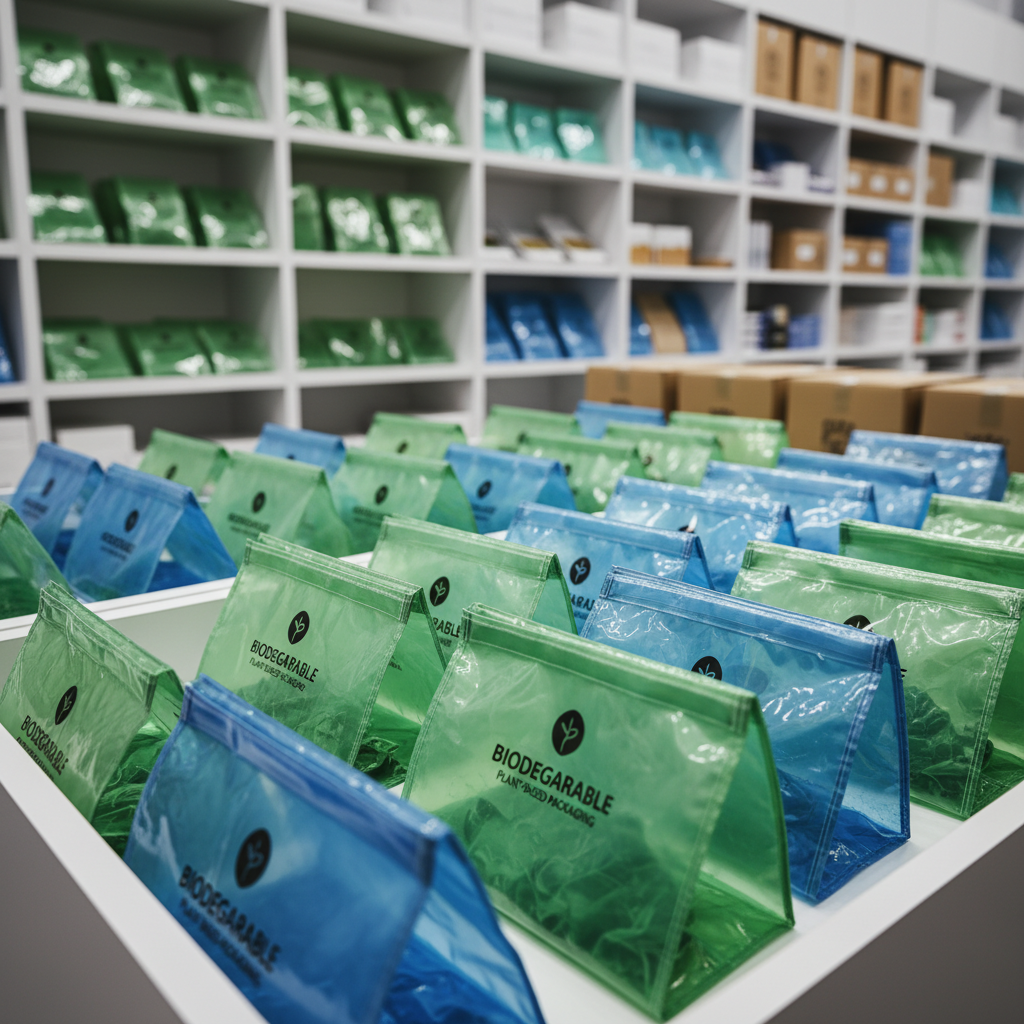
Bin liners, seemingly simple containers, play a crucial role in modern waste management and public health globally. From household use to large-scale industrial applications, they are integral to containing and disposing of waste safely and efficiently. Understanding the nuances of bin liners – their types, materials, and appropriate usage – is vital for promoting sustainability, hygiene, and environmental responsibility. The global need for effective waste management is increasingly critical, driving innovation and demand for higher-quality bin liners.
The relevance of bin liners extends far beyond simply holding trash. They are essential in sectors like healthcare, where biohazard waste containment is paramount, and in food processing, where hygiene standards are rigorously enforced. The UN Sustainable Development Goals, particularly those focused on clean water and sanitation, are directly impacted by effective waste management systems, of which bin liners are a fundamental component. The growing global population and increasing urbanization exacerbate the need for reliable and affordable solutions for waste disposal.
Challenges surrounding waste management, particularly in developing nations, underscore the importance of accessible and durable bin liners. Improper waste disposal contributes to pollution, disease, and environmental degradation. Addressing these issues requires a multi-faceted approach, and high-quality bin liners are a crucial first step in establishing a safe and hygienic waste management process.
The Significance of Bin Liners
Bin liners aren't just about convenience; they're fundamental to public health and environmental protection. Their role in containing waste prevents the spread of disease, reduces odor, and minimizes environmental contamination. Different materials offer varying levels of strength and suitability for different types of waste, making informed selection crucial for effective waste management systems.
The consistent use of bin liners encourages responsible waste disposal habits. Easy-to-use and readily available, they make it simpler for individuals and organizations to maintain a clean and hygienic environment. This, in turn, contributes to improved sanitation and overall quality of life.
Defining Bin Liners: A Core Component of Waste Management
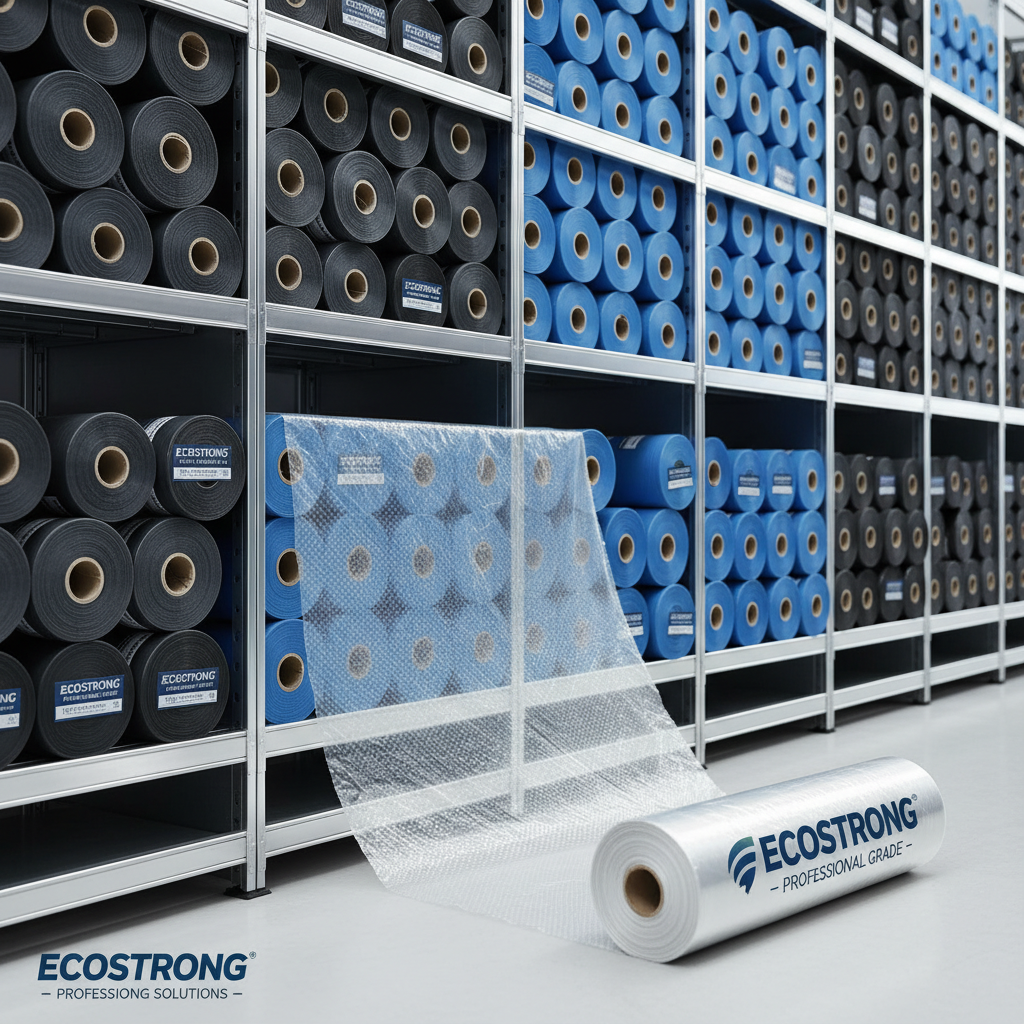
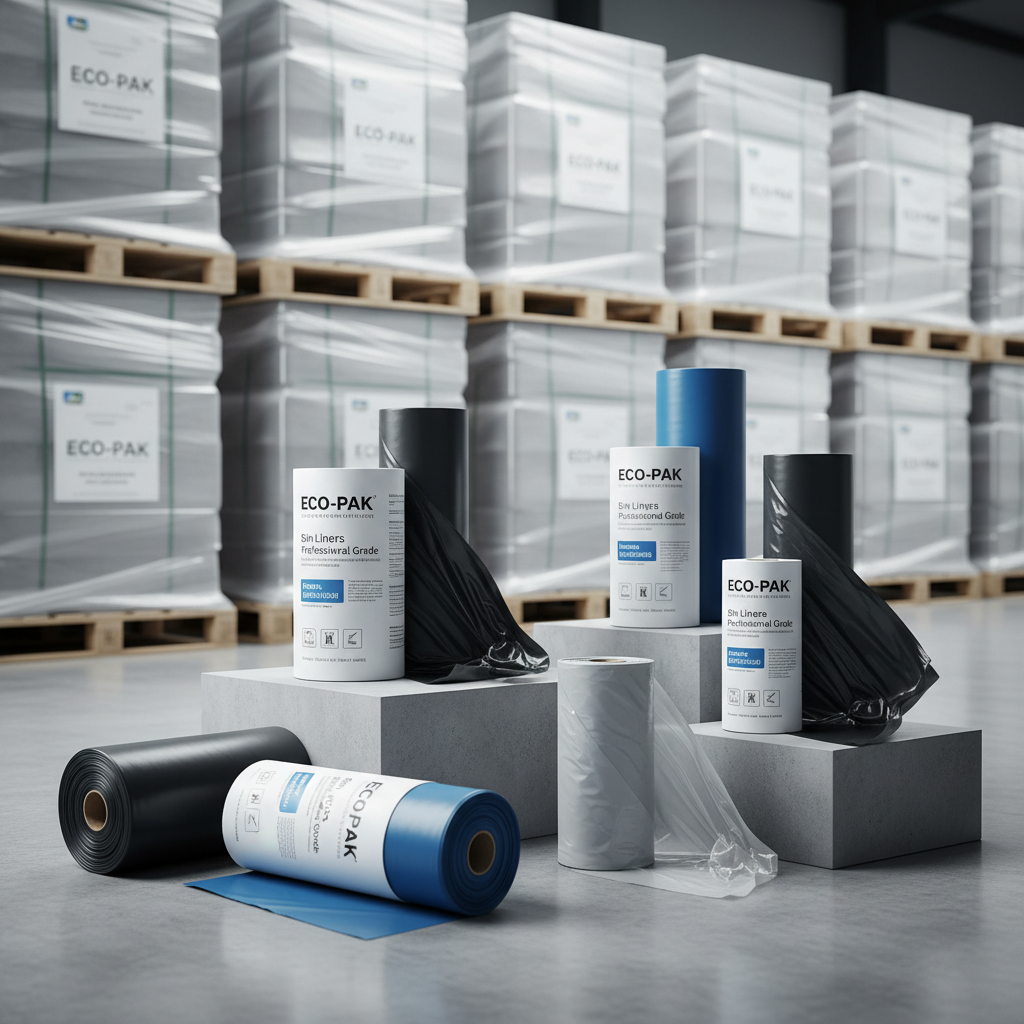
A bin liner, also known as a trash bag or garbage bag, is a flexible container used to hold waste temporarily before it is emptied into a larger waste disposal system. Typically made from plastics like polyethylene, they come in a wide range of sizes, thicknesses, and colors to suit various applications. The core function is to provide a sanitary and contained method for collecting and transporting waste.
In modern industry, bin liners have evolved significantly from simple plastic sacks. They are now often manufactured with features like reinforced seams, odor control technology, and biodegradable materials. Their connection to humanitarian needs is particularly evident in disaster relief and sanitation efforts, providing a critical component for managing waste in challenging conditions.
The ongoing development of bin liners is directly tied to advancements in materials science and a growing awareness of environmental concerns, leading to a focus on sustainability and recyclability.
Key Factors Influencing Bin Liner Performance
Several key factors determine the effectiveness of bin liners. Durability is paramount – a bin liner must withstand the weight and potential sharp objects contained within without tearing. The material's tensile strength and thickness are crucial indicators of durability.
Capacity refers to the volume of waste the bin liner can hold. Choosing the right capacity is essential for efficiency, preventing overfilling and potential spills. Standard sizes are available, but custom options are often required for specialized applications. Material Composition impacts biodegradability, strength, and overall environmental impact.
Leak Resistance is critical for maintaining hygiene and preventing contamination. Sealed bottoms and high-quality materials contribute to leak-proof performance. Finally, Cost-Effectiveness is a practical consideration. Balancing performance with affordability is vital for widespread adoption and sustainable waste management.
Real-World Applications of Bin Liners
Bin liners are ubiquitous across a wide range of settings. In residential households, they provide a convenient and hygienic way to collect and dispose of daily waste. Commercial businesses, such as offices and retail stores, rely on bin liners for waste management in restrooms, breakrooms, and general areas.
Healthcare facilities require specialized bin liners for containing medical waste, including sharps and biohazardous materials. These liners must meet stringent safety standards and regulatory requirements. Industrial settings use heavy-duty bin liners for managing large volumes of waste generated during manufacturing and processing.
Bin Liner Usage by Industry
Advantages and the Long-Term Value Proposition
The benefits of using bin liners extend beyond immediate convenience. Cost savings are realized through reduced labor costs for cleaning and waste handling. Improved hygiene minimizes the risk of contamination and the spread of disease. Enhanced safety protects workers from exposure to hazardous materials.
The long-term value lies in the promotion of sustainability. Choosing biodegradable or recycled bin liners reduces environmental impact. Reliable waste management systems, supported by quality bin liners, contribute to a cleaner and healthier environment for future generations.
Global Impact and Applications
The impact of bin liners is felt worldwide. In post-disaster relief operations, they are critical for managing debris and preventing the spread of disease in affected areas. In remote industrial zones, they provide a necessary infrastructure for waste disposal where organized systems may be lacking.
Developing countries often face significant challenges in waste management, and accessible, affordable bin liners can play a vital role in improving sanitation and public health. International aid organizations frequently include bin liners in their emergency supply kits.
The demand for bin liners is directly correlated with population growth and urbanization, particularly in rapidly developing economies. Meeting this demand requires sustainable production practices and innovative material solutions.
Future Trends and Innovations in Bin Liner Technology
The future of bin liners is focused on sustainability and technological advancements. Biodegradable and compostable materials are gaining popularity, reducing reliance on traditional plastics. Research into plant-based polymers and innovative recycling processes is ongoing.
Smart bin liners equipped with sensors to monitor fill levels and optimize collection routes are emerging. These technologies can contribute to more efficient waste management systems and reduce carbon emissions. Enhanced material strength and tear resistance are continually being improved.
Policy changes promoting extended producer responsibility and stricter regulations on plastic waste are driving innovation in the bin liner industry. This shift toward a circular economy will prioritize recyclability and minimize environmental impact.
Analysis of Key Trends in Bin Liner Development
| Material Type |
Biodegradability Score (1-10) |
Cost per Unit ($) |
Durability Rating (1-10) |
| HDPE (High-Density Polyethylene) |
1 |
0.02 |
8 |
| LDPE (Low-Density Polyethylene) |
2 |
0.03 |
7 |
| Biodegradable Plastic (PLA) |
7 |
0.06 |
6 |
| Recycled HDPE |
3 |
0.04 |
7.5 |
| Compostable Plastic (PHA) |
9 |
0.10 |
5 |
| Paper (Reinforced) |
8 |
0.05 |
5.5 |
FAQS
While no bin liner is entirely without environmental impact, compostable bin liners made from materials like PHA or PLA are generally considered the most eco-friendly option. These break down in commercial composting facilities, reducing landfill waste. However, it's important to ensure your local facilities accept these types of liners. Recycled HDPE liners are also a good alternative.
Bin liner size is typically indicated in liters or gallons. Measure the capacity of your bin or container to determine the appropriate size. It's generally better to choose a slightly larger liner than one that's too small to avoid spills and ensure a proper fit. Consider the volume of waste you typically generate when making your selection.
The effectiveness of biodegradable bin liners depends on the composting facility available. Many require industrial composting conditions – high temperatures and specific microbial environments – to break down properly. “Biodegradable” does not automatically mean it will decompose in a backyard compost pile. Look for certifications indicating compostability standards.
If a bin liner tears, double-bag the waste immediately to prevent leaks and odors. Dispose of the damaged liner and its contents responsibly. Consider using a heavier-duty liner in the future or being more careful when filling the bag. Regular checking of liners prevents spills and maintains hygiene.
Reduce waste at the source by recycling, composting, and minimizing packaging. Rinse recyclable containers before disposal. Consider using reusable containers for certain types of waste. Purchasing products with less packaging is also a beneficial practice. Proper waste separation can also significantly reduce the need for frequent liner changes.
While both break down naturally, compostable bin liners have a stricter standard. Compostable materials break down into nutrient-rich soil under specific composting conditions (usually industrial). Biodegradable materials can break down, but the timeframe and conditions aren't always defined, and they may not fully decompose in a landfill. Always check for certifications like EN 13432 for compostability.
Conclusion
Bin liners are far more than just convenient containers for waste. They are a critical component of public health, environmental sustainability, and efficient waste management systems globally. From their diverse applications in healthcare and industry to their impact on disaster relief and everyday life, bin liners play an essential role in maintaining a clean and healthy environment. Understanding their key features, benefits, and future trends is crucial for making informed decisions and promoting responsible waste disposal practices.
As technology advances and environmental concerns grow, the bin liner industry will continue to innovate, with a focus on biodegradable materials, smart technology, and sustainable production methods. By embracing these advancements and prioritizing responsible consumption, we can maximize the benefits of bin liners while minimizing their environmental impact. Visit our website at bulkbuypackaging.com for a wide selection of bin liners to meet your needs.