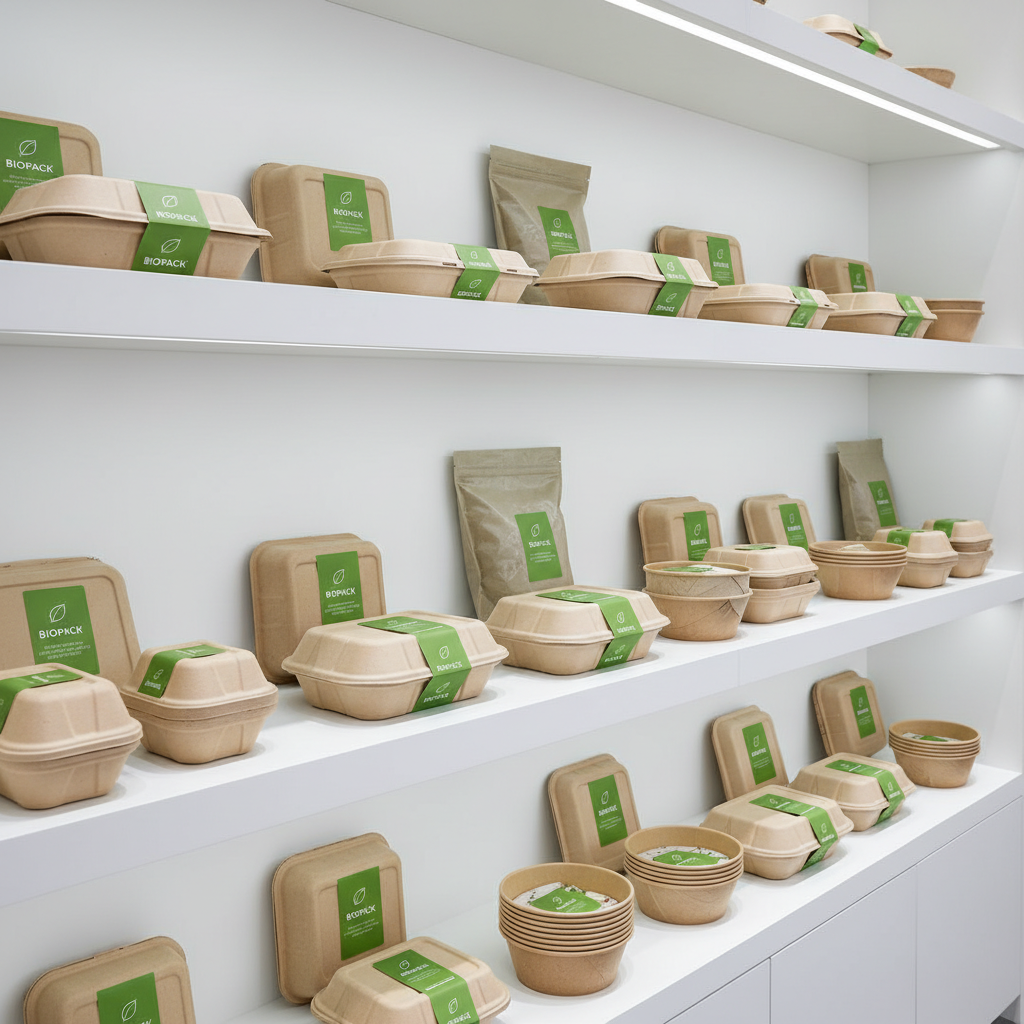
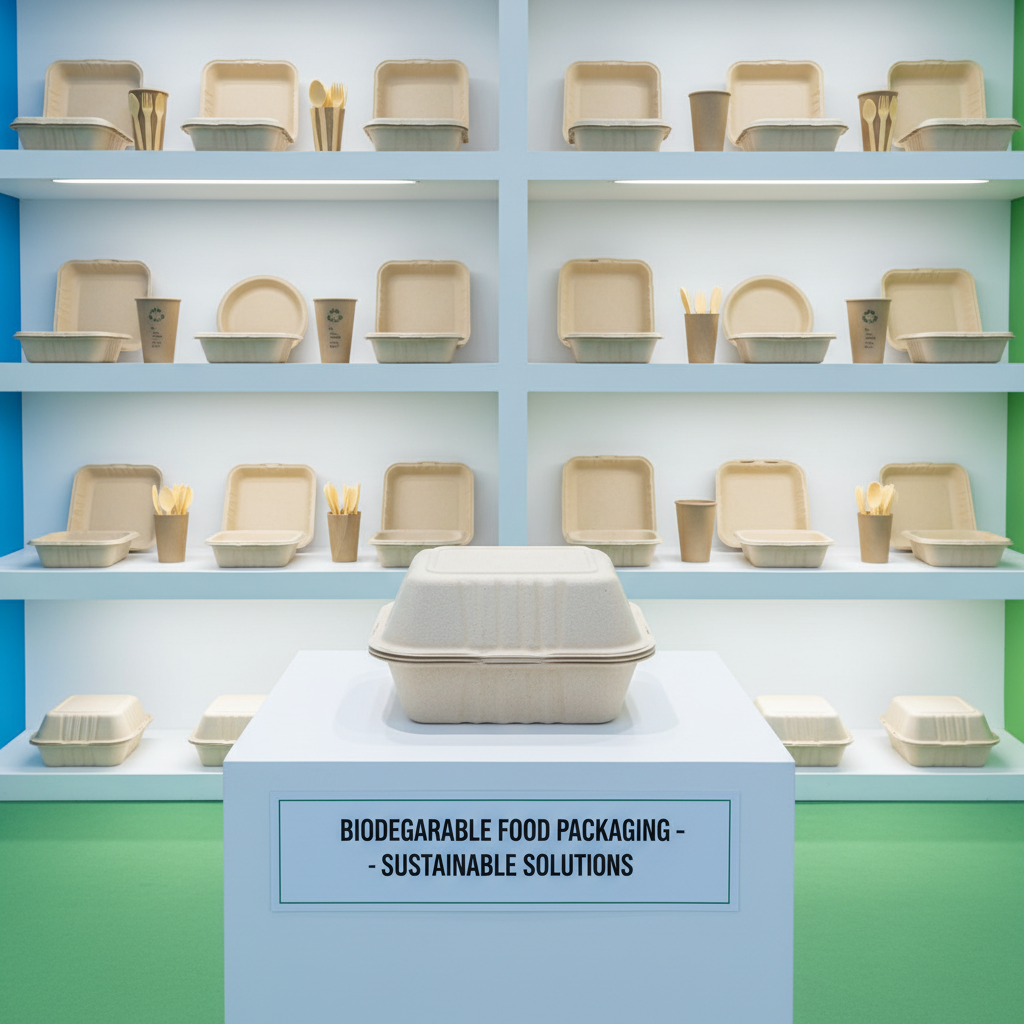
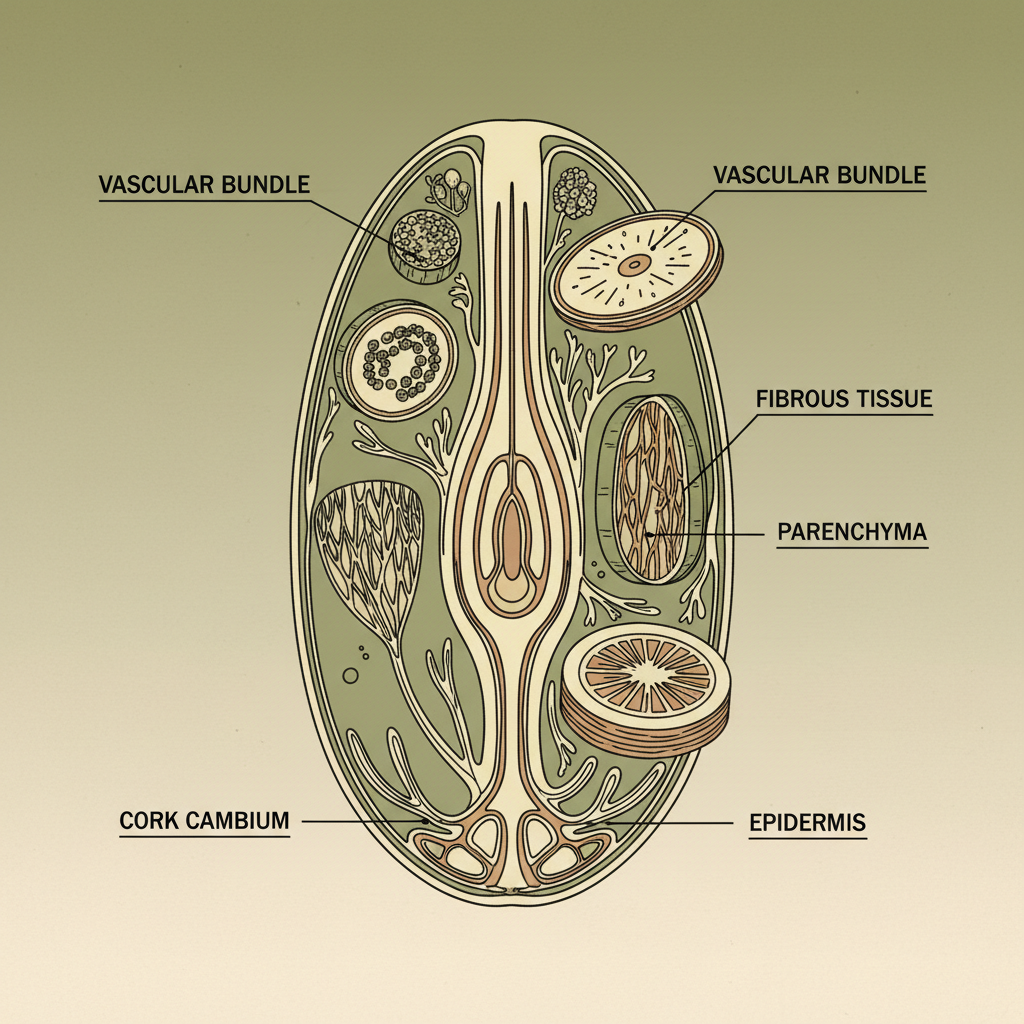
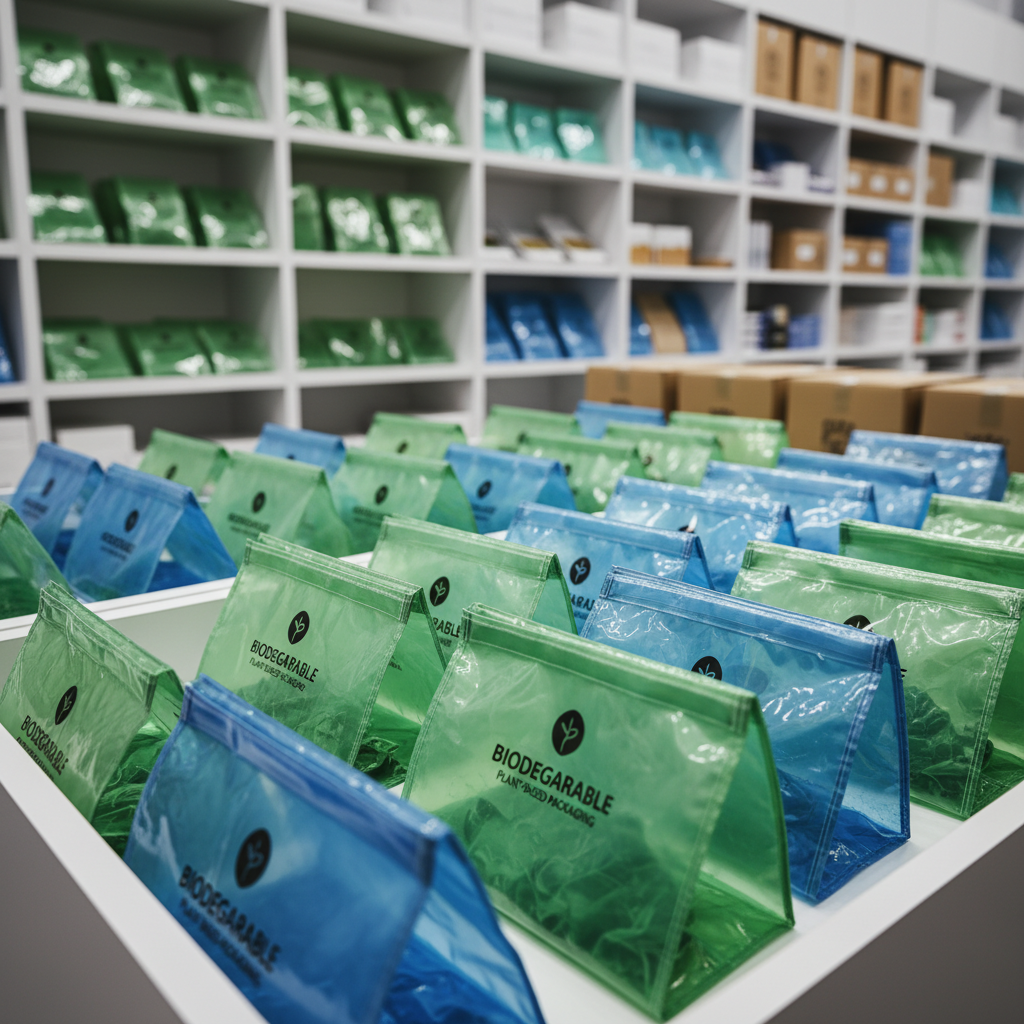
Biodegradable food packaging represents a crucial shift in how we approach sustainability within the food industry. Globally, concerns regarding plastic waste and its impact on ecosystems are mounting, driving demand for eco-friendly alternatives. This isn’t just a trend; it’s a necessity, fuelled by increasing consumer awareness and stricter regulations regarding packaging materials. Understanding the nuances of biodegradable food packaging – its materials, applications, and challenges – is becoming increasingly important for businesses and consumers alike.
The importance of biodegradable food packaging stems from the sheer volume of food packaging waste generated annually. According to the UN Environment Programme, approximately one-third of all plastic produced globally ends up in the ocean. Traditional plastics can take hundreds of years to decompose, leading to significant environmental pollution. Biodegradable options, derived from renewable resources, offer a pathway to reduce this burden, contributing to a circular economy and lessening our reliance on fossil fuels.
Ultimately, biodegradable food packaging offers a proactive solution to a pressing global issue. Its adoption supports international sustainability goals, reduces environmental damage, and enhances brand reputation. Investing in and understanding this technology is no longer optional – it’s an essential step towards a more responsible and sustainable future for the food industry.
Introduction: Global or Industry Context
The global demand for biodegradable food packaging is soaring, driven by escalating environmental concerns and tightening regulations worldwide. The World Bank estimates that global waste generation will increase by 70% by 2050 if current trends continue. This underscores the urgent need for sustainable packaging solutions to mitigate the environmental impact of food production and consumption. The food packaging industry, historically reliant on plastics, is now actively seeking alternatives.
The shift toward biodegradable materials isn’t just about reducing landfill waste; it’s also about addressing microplastic pollution, a pervasive threat to marine ecosystems and human health. Numerous countries have implemented policies to reduce single-use plastics, creating a fertile market for innovative, biodegradable options. The ISO standards organization is also developing increasingly stringent guidelines for compostability and biodegradability, setting a clear benchmark for manufacturers.
Definition & Meaning
Biodegradable food packaging refers to packaging materials designed to break down naturally into harmless components through the action of microorganisms like bacteria and fungi. This decomposition process occurs within a reasonable timeframe – typically months or years, rather than centuries – and does not leave behind harmful residues. Crucially, the resulting materials contribute to enriching the soil and supporting natural ecosystems.
The concept is intrinsically linked to the principles of a circular economy, where materials are reused or safely returned to the environment. In today's industrial landscape, this is increasingly important for companies seeking to minimize their environmental footprint and meet consumer demand for sustainable products. It’s also vital in humanitarian efforts, where lightweight, compostable packaging can reduce logistical burdens and environmental impact in disaster relief operations.
It’s important to differentiate between biodegradable, compostable, and recyclable. While all three aim to reduce waste, they differ in their processes and requirements. Biodegradable materials simply break down naturally, while compostable materials require specific conditions (temperature, humidity, microbial activity) to decompose effectively. Recyclable materials are processed and reused to create new products.
Key Factors or Core Components
Material Source: The origin of the materials used is paramount. Biodegradable food packaging typically utilizes renewable resources like plant starches (corn, potato), sugarcane, cellulose, and polylactic acid (PLA). The sustainability of the source itself – its impact on land use, water consumption, and biodiversity – is a critical factor.
Degradation Rate: The speed at which a material breaks down is crucial. Different biodegradable materials have varying degradation rates, depending on environmental conditions. Packaging intended for home composting requires faster decomposition than packaging designed for industrial composting facilities.
Barrier Properties: The ability of the packaging to protect the food from moisture, oxygen, and light is essential for maintaining its quality and shelf life. Biodegradable materials often require innovative coatings or blends to achieve comparable barrier properties to traditional plastics.
Mechanical Strength: The packaging must be durable enough to withstand the rigors of handling, transportation, and storage. Biodegradable materials need to possess sufficient tensile strength, tear resistance, and puncture resistance.
Cost-Effectiveness: Biodegradable options must be economically viable to compete with conventional packaging materials. Reducing production costs and scaling up manufacturing processes are key to widespread adoption.
Global Applications & Use Cases
Biodegradable food packaging finds applications across a wide range of food sectors, including fresh produce, baked goods, confectionery, and prepared meals. In Europe, stringent packaging regulations have driven significant adoption of biodegradable materials in the packaging of organic produce.
In post-disaster relief operations, biodegradable packaging offers a sustainable solution for food distribution, reducing the environmental impact of emergency supplies. In remote industrial zones, where waste management infrastructure is limited, biodegradable options can minimize pollution and support local composting initiatives.
The growing demand for sustainable packaging is particularly strong in North America, where consumers are increasingly willing to pay a premium for eco-friendly products. Fast-food chains are experimenting with biodegradable containers and cutlery to reduce their plastic footprint, and grocery stores are offering biodegradable produce bags and containers.
Comparison of Biodegradable Food Packaging Methods
Advantages & Long-Term Value
The benefits of adopting biodegradable food packaging extend far beyond environmental responsibility. Cost savings can be realized through reduced waste disposal fees and potential tax incentives. Moreover, a commitment to sustainability enhances brand image and builds customer loyalty, attracting environmentally conscious consumers.
From a social impact perspective, biodegradable packaging supports a more circular economy, creating green jobs and reducing reliance on fossil fuels. The reliability of supply chains is also enhanced as these materials often utilize locally sourced, renewable resources. The emotional resonance of offering eco-friendly packaging reinforces a brand's commitment to a healthier planet.
Future Trends & Innovations
The future of biodegradable food packaging lies in continuous innovation. Researchers are exploring novel materials like seaweed-based packaging, mycelium (mushroom root) packaging, and bacterial cellulose, offering enhanced biodegradability and performance characteristics. Integration with smart packaging technologies – such as QR codes for tracking and tracing – will further enhance transparency and sustainability.
Advancements in digital printing and automation are also enabling more customized and efficient production of biodegradable packaging. Policy support, including extended producer responsibility schemes and incentives for renewable materials, will play a crucial role in accelerating the transition towards a more sustainable packaging ecosystem.
Challenges & Solutions
Despite its promise, biodegradable food packaging faces challenges. Cost remains a significant barrier to widespread adoption, as biodegradable materials can often be more expensive than traditional plastics. Concerns regarding scalability and limited infrastructure for composting also hinder progress.
Solutions include investing in research and development to reduce production costs, promoting the development of robust composting infrastructure, and fostering collaboration between governments, industry, and consumers. Standardizing certifications and labeling requirements can also help build trust and transparency.
Furthermore, addressing the issue of "greenwashing" – misleading claims about biodegradability – is essential. Clear and verifiable certifications, such as those from reputable composting organizations, are crucial for ensuring genuine sustainability.
Summary of Challenges and Solutions for Biodegradable Food Packaging
| Challenge |
Impact |
Potential Solution |
Implementation Timeline |
| High Production Costs |
Limited adoption, especially in price-sensitive markets |
Invest in R&D for cost-effective materials |
Short-term (1-3 years) |
| Limited Composting Infrastructure |
Packaging ends up in landfills, negating biodegradability |
Develop and expand composting facilities |
Mid-term (3-5 years) |
| Performance Limitations |
Lower barrier properties compared to conventional plastics |
Develop innovative coatings and blends |
Mid-term (3-5 years) |
| Consumer Confusion |
Misunderstanding of terms like 'biodegradable' and 'compostable' |
Standardized labeling and certification |
Short-term (1-2 years) |
| Scalability Challenges |
Difficulty in meeting large-scale demand |
Invest in scalable production technologies |
Mid-term (3-5 years) |
| Greenwashing Concerns |
Erosion of consumer trust |
Enforce strict regulations and verification processes |
Ongoing |
FAQS
Biodegradable, in the context of food packaging, means the material can be broken down into natural substances like water, carbon dioxide, and biomass by microorganisms. This process occurs over a relatively short period – often within months or a few years – under specific environmental conditions. It differs from simply breaking down into smaller plastic pieces (microplastics) and is a key element of sustainable packaging solutions, reducing landfill burden and promoting a circular economy. Certification, such as from the Biodegradable Products Institute, verifies the extent and speed of this breakdown.
No, biodegradable and compostable aren’t interchangeable terms. While all compostable materials are biodegradable, not all biodegradable materials are compostable. Compostability requires specific conditions - a certain temperature, humidity level, and microbial activity – to break down effectively within a composting system (home or industrial). Biodegradable materials may break down naturally over time, but without those specific conditions, the process could take much longer and not yield compost.
Currently, biodegradable food packaging often has a higher upfront cost compared to traditional plastic packaging, largely due to factors like limited production scale and specialized materials. However, as demand increases and production processes become more efficient, costs are steadily decreasing. Additionally, considering the long-term costs associated with plastic waste management (landfill fees, environmental cleanup), biodegradable options can prove more cost-effective over the life cycle.
Common materials include plant-based starches (corn, potato, tapioca), sugarcane bagasse, cellulose (from wood pulp), polylactic acid (PLA) derived from fermented plant starch, and polyhydroxyalkanoates (PHAs) produced by microorganisms. These materials offer varying levels of biodegradability, strength, and barrier properties, making them suitable for different food packaging applications. Research into novel materials like seaweed and mushroom packaging is also gaining momentum.
Yes, some limitations exist. Barrier properties (protecting against moisture and oxygen) can be lower than traditional plastics, potentially impacting food shelf life. Scalability of production remains a challenge, and proper composting infrastructure is often lacking. ‘Greenwashing’ is a concern – ensuring packaging is genuinely biodegradable requires certification from reputable organizations. Cost can also be a barrier to adoption for some businesses.
Several companies specialize in biodegradable food packaging. Look for suppliers with certifications from organizations like the Biodegradable Products Institute (BPI) or DIN CERTCO. Research suppliers that demonstrate a commitment to sustainable sourcing and transparent manufacturing processes. Websites like Alibaba and industry directories can also help you find potential suppliers, but always verify their credentials and sustainability claims.
Conclusion
Biodegradable food packaging represents a paradigm shift in the food industry, offering a viable pathway to reduce environmental impact and build a more sustainable future. From its definition and core components to its diverse applications and emerging innovations, understanding this technology is crucial for businesses and consumers alike. Embracing biodegradable materials addresses critical issues like plastic waste, microplastic pollution, and resource depletion, contributing to a circular economy and a healthier planet.
Looking ahead, continued investment in research and development, coupled with supportive policies and consumer awareness, will be essential for widespread adoption. By prioritizing sustainability, we can unlock the full potential of biodegradable food packaging and create a more responsible and resilient food system for generations to come. Visit our website at www.bulkbuypackaging.com to learn more about our range of sustainable packaging solutions.