Look, affordable business cards… everyone needs ‘em, right? It’s not exactly glamorous work, thinking about paper stock and bleed margins all day, but it's the first impression most people get. Been seeing a lot of folks trying to cut corners, go super cheap, and honestly, it shows. It’s a race to the bottom, and usually, quality takes a hit. But there’s a real need out there, especially for startups, small businesses, folks just starting out. They need something professional, but they also need it to fit the budget. That's the sweet spot, and it's harder to hit than you'd think.
I’ve been spending a lot of time lately visiting printing factories – not the fancy ones, the real workhorses. And the biggest trend I'm seeing? Digital printing. It’s getting cheaper, faster, and the quality is really improving. It used to be you needed huge runs to make offset printing worthwhile. Now, you can get a decent run of 500 cards for a reasonable price. It opens things up for a lot more people. It’s still not perfect, mind you…
The thing about affordable business cards is, people think they're simple. They’re not. You’d be surprised how many designers mess up the resolution on images. It looks fine on screen, but then it prints out blurry. Have you noticed that? Always, always check the resolution. And the bleed… oh, the bleed. So many cards get ruined because the bleed isn’t right. It’s a small detail, but it matters.
The Evolving Landscape of Affordable Business Cards
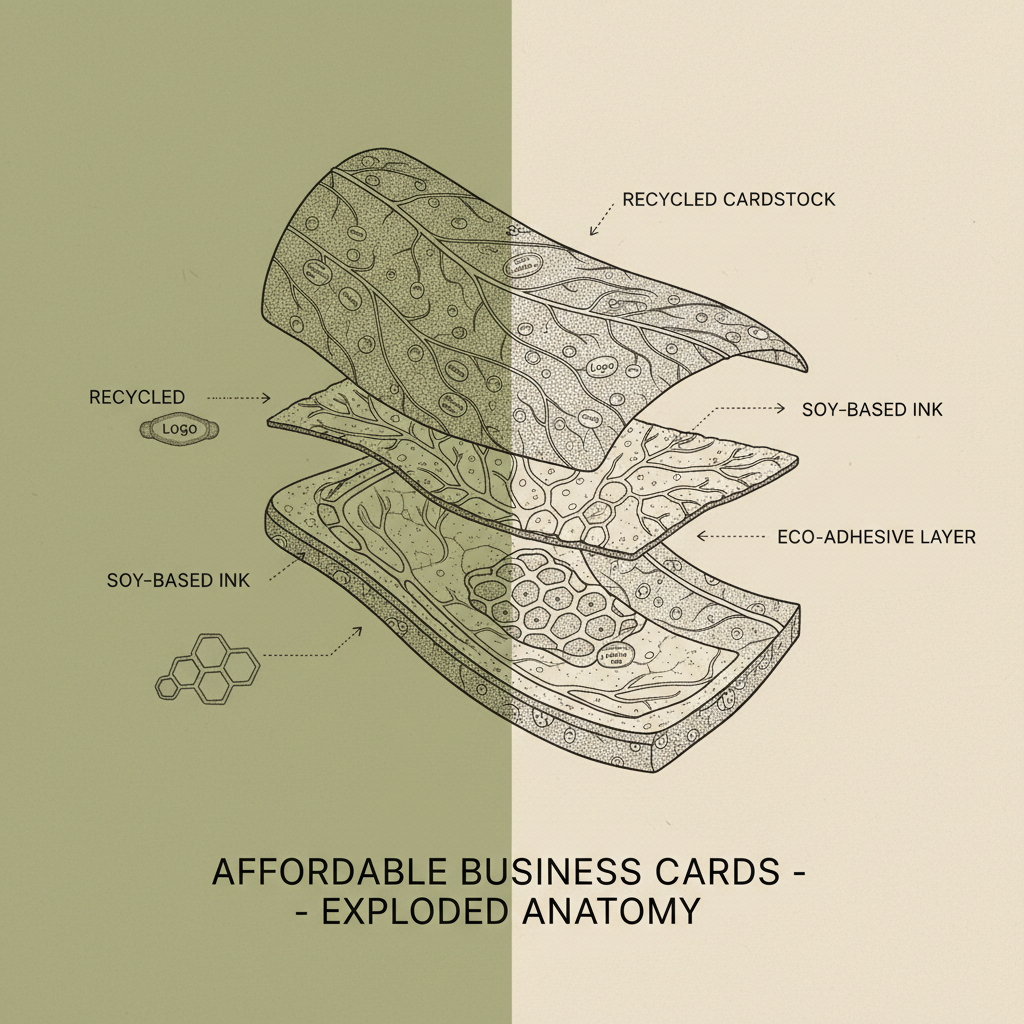
To be honest, the biggest shift is the move towards eco-friendly options. People are starting to care where the paper comes from. Recycled stock is becoming more common, and it’s actually getting pretty good quality now. I encountered this at a packaging factory in Guangdong last time; they were pushing their new line of recycled cards hard. Smelled a little different, a bit more… earthy, I guess. Still felt solid though.
The whole print-on-demand thing is huge too. You don’t need to order 10,000 cards anymore. You can just order 100 as you need them. It cuts down on waste, which is good, and it's great for businesses that are constantly changing their branding or contact info. But the per-card cost is higher, obviously. It’s a trade-off.
Design Pitfalls and Common Mistakes
Strangely enough, the biggest problem I see isn't the printing itself, it’s the design. People try to cram too much information onto a tiny card. It looks cluttered and unprofessional. Less is more, seriously. Clean lines, good typography, a clear call to action… that’s what you need. And the font size! I can’t tell you how many cards I’ve gotten that I can’t even read without my glasses. And QR codes? They're trendy, but make sure they actually work. I’ve scanned so many that just lead to a broken link.
Another thing: people underestimate the importance of color. A poorly chosen color scheme can make your card look cheap and amateurish. And make sure the colors are consistent with your branding. It sounds obvious, but you'd be surprised.
I also see a lot of people trying to be too clever with the shape of the card. A weird shape might stand out, but it can also be hard to store in a wallet or cardholder. Keep it simple, people.
Material Choices: Beyond Just Paper
It’s not just about the weight of the paper anymore. You've got textured paper, matte finishes, gloss finishes, even plastic cards. Plastic feels premium, no doubt about it, but it’s not very eco-friendly. I've been seeing more and more companies using recycled plastic, which is a good compromise. The feel is different, a little softer, but it still looks good.
Then there’s the whole thing with coatings. A matte coating gives a sophisticated, understated look. A gloss coating makes the colors pop. But coatings can also add to the cost. And some coatings can make the card harder to write on. It's all about finding the right balance.
And don't forget about card stock weight. Anything under 14pt feels flimsy. 16pt or 18pt is where it’s at. It feels substantial, like you're getting something of quality.
Real-World Testing and Durability
Look, I don’t spend my time in a lab testing tear resistance. I see how these cards hold up in the real world. I see them getting shoved into wallets, tossed into bags, handed out at trade shows, and left on restaurant tables. And believe me, they take a beating.
The biggest test? The bend test. Can you bend the card without it cracking or creasing? A good card should be able to withstand a fair amount of abuse. I’ve even seen cards that get damaged just from being exposed to moisture. That’s a no-go.
Durability Ratings for Common Affordable Business Card Materials
How People Actually Use Business Cards
It’s not always what you think. People don't just collect them and file them away in a drawer. I see a lot of people taking pictures of business cards with their phones. They'll snap a pic and then add the contact info to their phone. It’s faster and more convenient. That's why a clear, readable QR code is so important.
I’ve also seen people using business cards as little reminders. They’ll write a quick note on the back – “Follow up on Monday,” or “Check out their website.” It’s a simple thing, but it can be effective.
The Pros and Cons: A Pragmatic View
Okay, let's be real. Affordable business cards aren’t going to win any design awards. They’re not going to feel like they’re made of unicorn tears. But they are a cost-effective way to get your name out there. They’re a tangible reminder of who you are and what you do. And in a world that’s increasingly digital, that can be a powerful thing.
The downside? They can look cheap if you’re not careful. And they’re not very sustainable if you’re using a lot of them. But those are trade-offs you have to be willing to make. Anyway, I think for most small businesses, the benefits outweigh the risks.
Customization Options and Unique Solutions
You'd be surprised what people ask for. Last month, that small boss in Shenzhen who makes smart home devices insisted on changing the interface to , and the result was… well, a lot of frustrated customers who couldn’t find a compatible cable. The point is, customization is possible, but it's not always a good idea.
But there are some good customization options. Embossing, for example. It adds a touch of class without breaking the bank. Rounded corners are another nice touch. And you can always play with the finish – matte, gloss, soft-touch.
I once had a client who wanted to add a scratch-off area to their business cards for a promotional contest. It was a little more expensive, but it really made their cards stand out.
Summary of Affordable Business Card Customization Considerations
| Customization Type |
Cost Impact |
Complexity (1-5) |
Overall Value |
| Embossing |
Moderate |
2 |
High |
| Rounded Corners |
Low |
1 |
Medium |
| Spot UV Coating |
Moderate-High |
3 |
Medium-High |
| Scratch-Off Ink |
High |
4 |
Medium |
| Variable Data Printing |
Moderate-High |
3 |
High |
| Die Cutting (Unique Shape) |
Very High |
5 |
Low-Medium |
FAQs
Most printers offering affordable options will have a minimum of 100-500 cards. Below that, the per-card price really starts to creep up. It's all about getting to a point where they can efficiently run the press. I’ve seen some places go as low as 50, but you’re paying a premium for that convenience. It’s a balancing act.
Depends on the printer and the quantity, but generally 3-7 business days. Digital printing is faster, usually 2-4 days. If you need them yesterday, you'll have to pay extra for rush printing. And be realistic about turnaround times, especially during busy seasons. Don't leave it to the last minute!
PDF is always the safest bet. Make sure all fonts are embedded and images are high-resolution (300 DPI). Avoid Word documents – they can cause all sorts of formatting problems. And double-check the bleed! I can't stress that enough. A properly prepared file saves everyone a lot of headaches.
Shipping, definitely. And sometimes there are charges for things like proofing or file setup. Read the fine print carefully. And if you're using a custom font, there might be a licensing fee. It’s always a good idea to get a quote that includes all costs before you commit.
14pt cardstock is a good starting point. It feels substantial without being too thick. 16pt is even better, but it will cost a bit more. Avoid anything below 12pt – it’ll feel flimsy and cheap. And anything above 18pt might be too difficult to fit in a standard wallet.
Most reputable printers will offer sample packs. It's a great way to see the different paper stocks, finishes, and colors in person. Don't rely on what you see on the screen – it's never quite the same. Take the time to order a sample pack, it can save you a lot of disappointment later on.
Conclusion
Ultimately, affordable business cards are about finding the right balance between cost, quality, and functionality. It's not about getting the cheapest possible cards; it’s about getting the best value for your money. There are a lot of options out there, so do your research, compare prices, and choose a printer you can trust.
And remember, the worker tightening the screw will know whether this thing works or not. That's the truth of it. It doesn’t matter how fancy the design is or how much you paid for the cards. If they’re flimsy, hard to read, or just don't look professional, they're not going to do you any good. So, focus on quality, pay attention to detail, and don't be afraid to ask questions. And if you're looking for a reliable printer that understands these principles, visit us at affordable business cards.