Business card prices are a fundamental consideration for businesses of all sizes, from burgeoning startups to established enterprises. Understanding the factors influencing these costs – materials, printing techniques, finishes, and quantity – is crucial for effective budgeting and brand representation. Globally, the market for business cards remains robust, driven by the continued need for tangible networking tools even in the digital age. Efficiently managing business card expenses can free up valuable resources for core business activities.
The importance of business card prices extends beyond mere cost-cutting. A well-designed, high-quality business card can significantly impact a company’s perceived professionalism and credibility. Conversely, a poorly made or inexpensive card can detract from a positive first impression. The global printing industry, valued at billions of dollars annually (according to Smithers Pira reports), demonstrates the continued demand for physical marketing materials, and business cards remain a key component.
Navigating the options for business card production involves considering numerous variables. Finding the right balance between quality, affordability, and timely delivery is a common challenge for business owners and marketing professionals. The need for competitive business card prices drives innovation in printing technology and material sourcing, benefiting consumers and businesses alike.
The Importance of Business Card Prices
Understanding business card prices is more than simply finding the cheapest option. It's about securing the best value – a balance between cost, quality, and design that effectively represents your brand. The initial cost of business cards is a relatively small business expense, but consistent savings on these costs can accumulate over time, especially for companies with a large workforce or frequent networking events.
Strategic consideration of business card prices allows businesses to allocate resources more efficiently. Lowering costs in this area frees up capital for other vital areas like marketing campaigns, product development, or employee training. It’s a micro-optimization that contributes to overall financial health.
Defining Business Card Prices
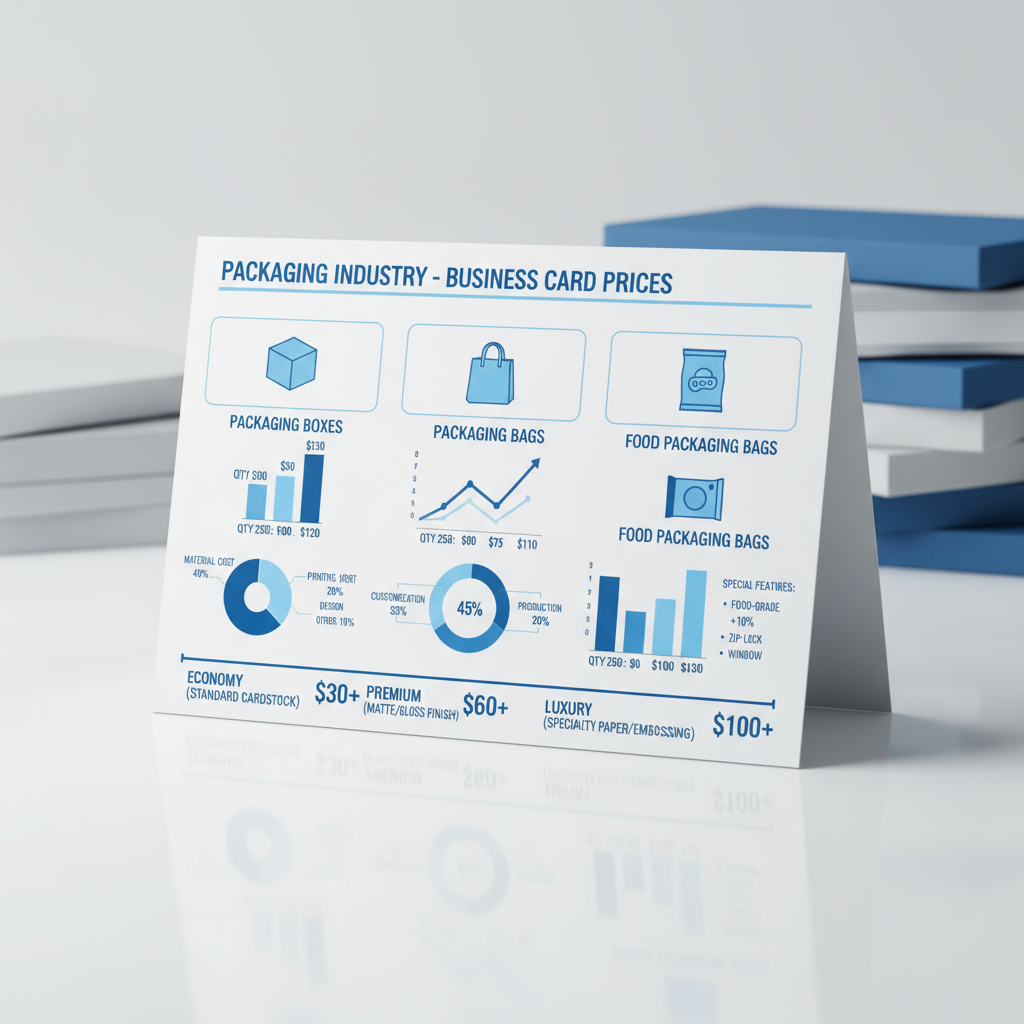
Business card prices refer to the total cost associated with the design, printing, and any finishing touches applied to a business card. This cost is determined by several variables including the quantity ordered, the type of paper stock used, the printing method employed (digital, offset, etc.), and any special features like embossing, foil stamping, or custom shapes.
The pricing structure can vary significantly between different printing companies. Some may offer tiered pricing based on quantity, while others may charge a flat rate for design and setup fees. It's vital to compare quotes from multiple vendors to find the most competitive pricing. Online printing services often offer lower prices than traditional brick-and-mortar print shops, but may lack the same level of personalized service.
Ultimately, business card prices directly influence a company’s marketing budget. Managing these costs effectively ensures that marketing funds are allocated strategically, maximizing their impact and return on investment. A clear understanding of price components is the first step towards making informed purchasing decisions.
Key Factors Influencing Business Card Prices
Several key factors contribute to the final price of business cards. Paper Stock is a significant driver; thicker, premium papers naturally cost more than standard cardstock. Printing Method also plays a large role – digital printing is generally more cost-effective for smaller quantities, while offset printing becomes more economical for larger runs.
Finishing Options such as spot UV coating, embossing, or foil stamping add to the overall cost. These enhancements elevate the card’s visual appeal but require specialized equipment and expertise. Quantity Ordered has a direct impact; larger print runs generally result in lower per-card prices due to economies of scale.
Finally, Design Complexity can influence the price, particularly if you require custom graphic design services. More intricate designs require more time and effort from a designer, and therefore, a higher fee. The cost of shipping and handling should also be factored into the total price.
Global Applications of Business Card Costs
The impact of business card prices is felt globally across all industries. In North America and Europe, businesses often prioritize high-quality materials and sophisticated finishes, resulting in higher per-card costs. In emerging markets, price sensitivity is generally higher, leading to a greater demand for more affordable printing options.
Industries with a strong emphasis on networking, such as real estate, finance, and sales, tend to invest more in premium business cards to make a lasting impression. Creative industries, like graphic design and marketing, frequently utilize unique materials and finishes to showcase their design capabilities. Even in non-profit organizations, managing business card prices is vital for optimizing limited budgets.
For multinational corporations, managing business card printing across different regions requires careful coordination to ensure consistent branding while minimizing costs. Leveraging global printing networks and negotiating bulk discounts can help achieve significant savings.
Comparison of Business Card Prices by Printing Method
Advantages of Optimizing Business Card Prices
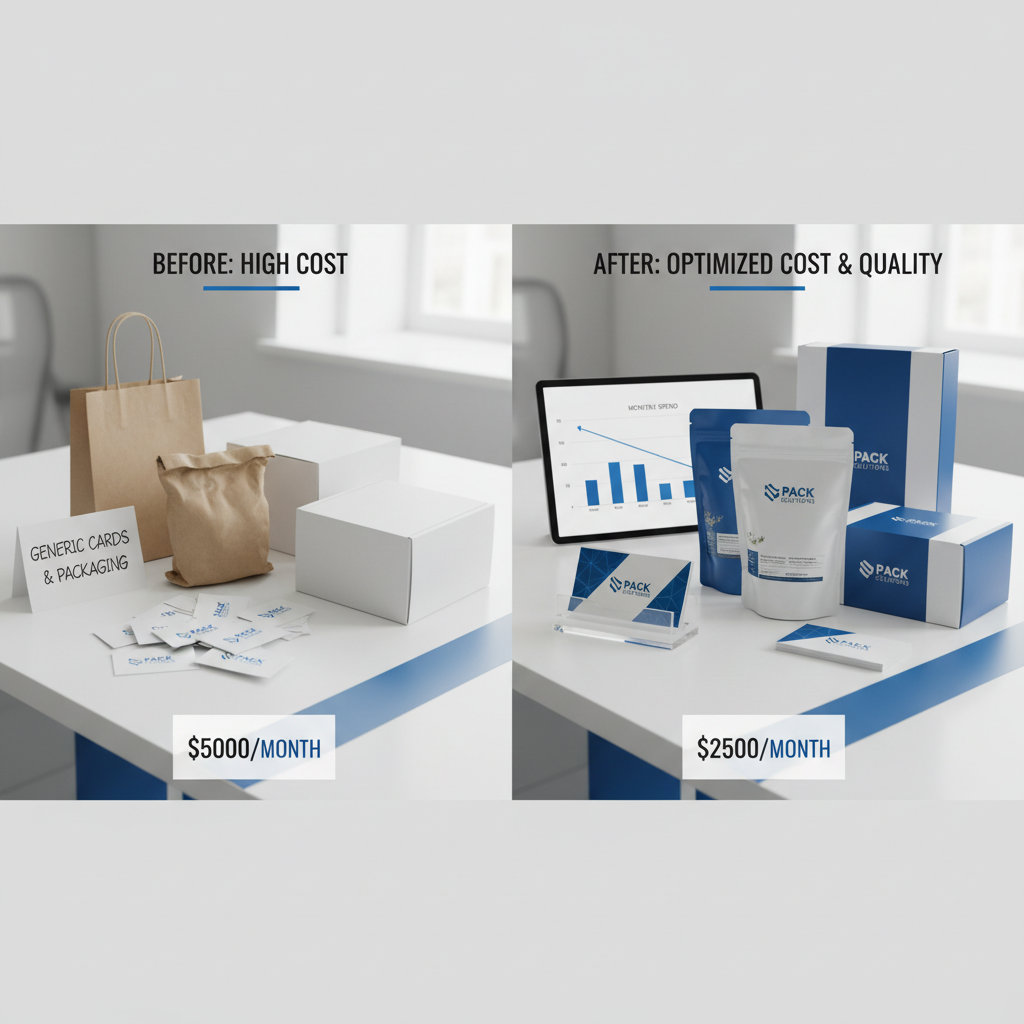
Optimizing business card prices translates to tangible benefits for businesses. Reduced costs directly impact the bottom line, improving profitability. Effective price management also allows for increased investment in other marketing initiatives, boosting overall brand awareness and reach.
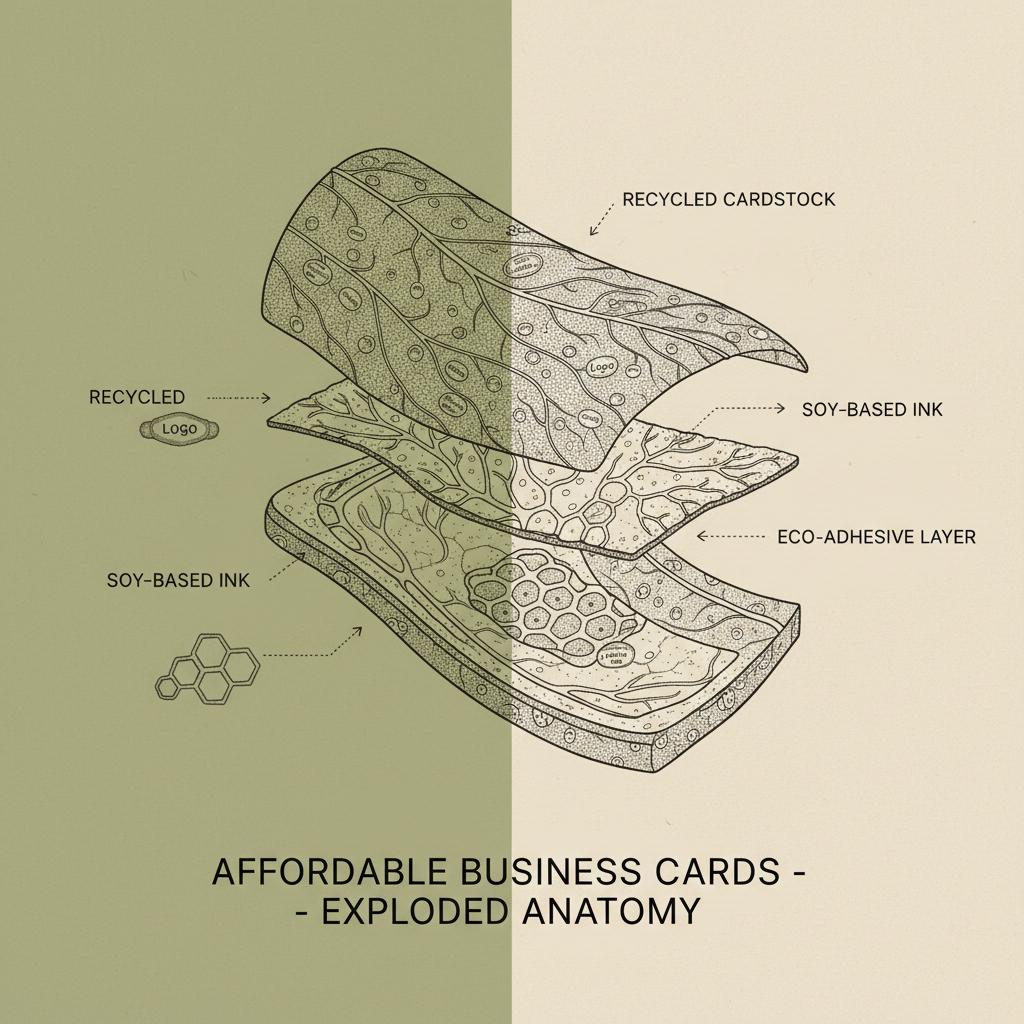
Furthermore, negotiating competitive rates demonstrates strong vendor management skills, a valuable asset for any organization. Choosing sustainable printing options – such as recycled paper – can enhance a company’s environmental responsibility profile, appealing to environmentally conscious customers.
Future Trends in Business Card Pricing
The future of business card pricing is likely to be shaped by several emerging trends. Increased automation in the printing process will drive down labor costs and improve efficiency. The growing demand for eco-friendly materials will lead to wider availability and potentially lower prices for recycled and sustainable paper stocks.
Digital printing technologies are expected to become even more sophisticated, offering higher quality and faster turnaround times at competitive prices. Personalized business cards – featuring variable data printing – will become increasingly popular, although potentially at a slightly higher cost per card.
We may also see the rise of innovative materials, such as biodegradable plastics or plant-based fibers, offering sustainable alternatives to traditional paper. Exploring these trends allows businesses to proactively manage their business card costs and maintain a competitive edge.
Challenges & Solutions in Managing Business Card Costs
A common challenge in managing business card costs is balancing quality with affordability. Businesses often face the dilemma of choosing between cheaper materials and more expensive, premium options. Another challenge is accurately forecasting demand to avoid over-ordering or running out of stock.
Solutions include conducting thorough price comparisons, negotiating bulk discounts, and exploring alternative printing methods. Implementing a centralized purchasing system can streamline the ordering process and ensure consistent pricing. Utilizing online design tools can reduce design costs, while carefully proofreading artwork minimizes costly reprints.
A proactive approach to inventory management – using just-in-time ordering – can help minimize waste and storage costs. Finally, prioritizing long-term vendor relationships can foster trust and potentially unlock additional discounts.
Summary of Strategies for Managing Business Card Costs
| Cost Reduction Strategy |
Implementation Difficulty (1-5) |
Potential Savings (%) |
Long-Term Sustainability |
| Bulk Ordering |
1 |
10-20% |
High |
| Negotiating with Printers |
2 |
5-15% |
Medium |
| Using Online Design Tools |
2 |
10-30% |
High |
| Choosing Standard Paper Stocks |
1 |
5-10% |
High |
| Optimizing Design Complexity |
3 |
5-15% |
Medium |
| Implementing Inventory Management |
3 |
2-5% |
Medium |
FAQS
The price for 500 business cards generally ranges from $50 to $200, depending on paper stock, finish, and printing method. Basic digital printing on standard cardstock will be on the lower end, while premium options like thick card stock, matte or gloss finishes, and special coatings will increase the cost. Checking quotes from multiple online printers will reveal the best price for your specific needs.
To lower costs without compromising quality, consider opting for standard paper stock instead of premium options. Utilize online design tools to reduce design fees, and compare quotes from different printing companies. Ordering in larger quantities often results in lower per-card prices. Finally, avoid unnecessary finishes like embossing or foil stamping if budget is a concern.
Digital printing is ideal for smaller runs and offers faster turnaround times. Offset printing is more cost-effective for larger quantities, providing higher quality and consistent color reproduction. Digital printing often has a slightly higher per-card cost for large orders, but eliminates the setup fees associated with offset printing. Consider your quantity and budget when choosing a method.
Turnaround times vary depending on the printing method, quantity, and shipping options. Digital printing typically takes 2-5 business days, while offset printing can take 5-10 business days. Rush options are often available for an additional fee. Factor in shipping time when planning your order, especially if you have a tight deadline.
Most printing companies accept PDF, JPG, PNG, and AI (Adobe Illustrator) files. PDF is the preferred format as it preserves fonts and images accurately. Ensure your design meets the printer’s specifications for resolution (300 DPI) and bleed area to avoid printing errors. Always check the printer’s website for specific file requirements.
Many online printing companies offer sample packs that allow you to see and feel different paper stocks, finishes, and printing options. This is an excellent way to ensure you choose the best materials for your brand. Sample packs typically cost a small fee, but can save you money in the long run by preventing costly reprints due to dissatisfaction.
Conclusion
In conclusion, understanding business card prices requires a comprehensive awareness of the factors influencing cost, from paper stock and printing method to quantity and finishing options. By strategically managing these elements, businesses can optimize their spending, maintain a professional image, and allocate resources effectively. Proactive planning and comparison shopping are key to securing the best value.
Looking ahead, embracing sustainable printing practices and leveraging technological advancements will be crucial for staying competitive. Investing in high-quality, well-designed business cards remains a valuable marketing tool, fostering trust and making a lasting impression. For competitive business card prices, explore various printing options and prioritize long-term value.