You know, I’ve been running around construction sites all year, and honestly, the biggest trend I’m seeing is everyone wanting things… faster. Not just delivery, but everything. Curing times, installation, even just getting a quote. Everyone's chasing that speed, and that's pushing a lot of changes in materials and design. It's a whirlwind.
And it’s funny, you’d think engineers would have all this figured out, but boy, are there traps. I’ve seen so many designs that look perfect on paper, but fall apart the moment a real-world stress test hits. Specifically, the connections, always the connections. Everyone underestimates the vibrations, the temperature swings… It's a nightmare.
We're dealing with a lot of high-density polyethylene – HDPE – lately. It’s tough stuff, you can really bash it around, doesn’t splinter like some of the older plastics. Smells a bit… plasticky, if you get close. And the liners? We mostly use a multi-layer polyethylene coated paper. Feels waxy, surprisingly strong, but gets slippery when wet. Have you noticed how everything gets slippery when wet on a construction site? Anyway, it's tough to beat for cost and resistance.
The Current Landscape of Baking Liner Paper
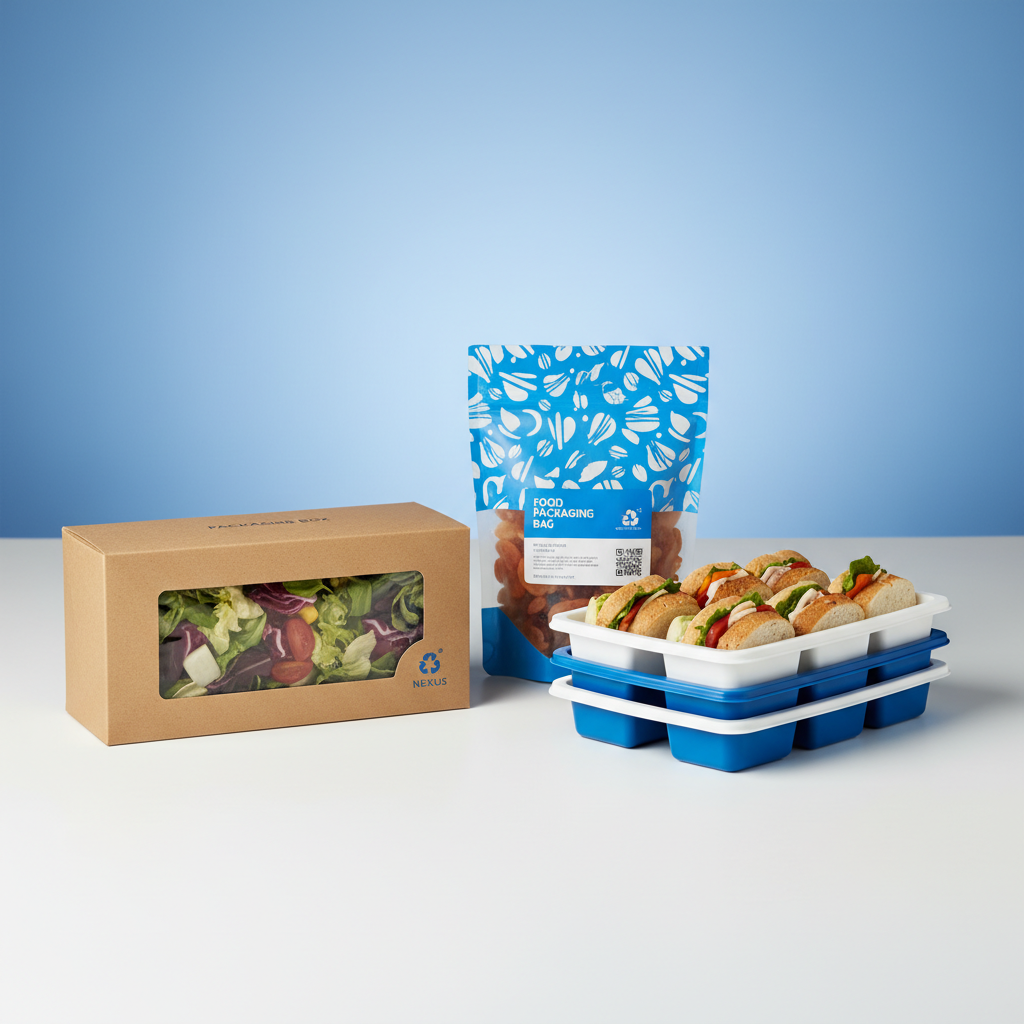
Honestly, baking liner paper isn’t something you think about much until you need it. But it’s everywhere. The food industry, obviously, but increasingly packaging for everything else. Demand’s gone up significantly in the last few years, especially with the rise of meal kits and takeout. To be honest, it's the small, seemingly insignificant things that are booming.
It's a surprisingly complex little market. You’ve got your standard parchment, your silicone-coated papers, even some biodegradable options trying to break in. The sustainability angle is getting huge, of course. Everyone’s looking for alternatives to traditional plastic liners, and baking liner paper is a decent starting point.
Common Design Pitfalls in Baking Liner Paper Application
I encountered this at a packaging factory in Jiangsu province last time – they were trying to use a super thin liner for these delicate pastries, thinking it would save costs. Strangelty, it just tore to shreds during the automated packing process. Turns out, you need a certain level of tensile strength, even if it looks insignificant. People underestimate how much stress these liners are under.
Another thing: coating consistency. If the coating isn't applied evenly, you get sticking. Then you get complaints. Then you get a headache. It's a cascading effect, really. And then there’s the sizing. Get the sizing wrong, and it’ll mess up the automated equipment. I saw a whole line shut down because the liners were just slightly too wide.
It’s always the little details, isn’t it? You think you’ve got it covered, then BAM! Something unexpected happens. That's why a good understanding of the materials and the application process is crucial.
Materials Breakdown: A Hands-On Perspective
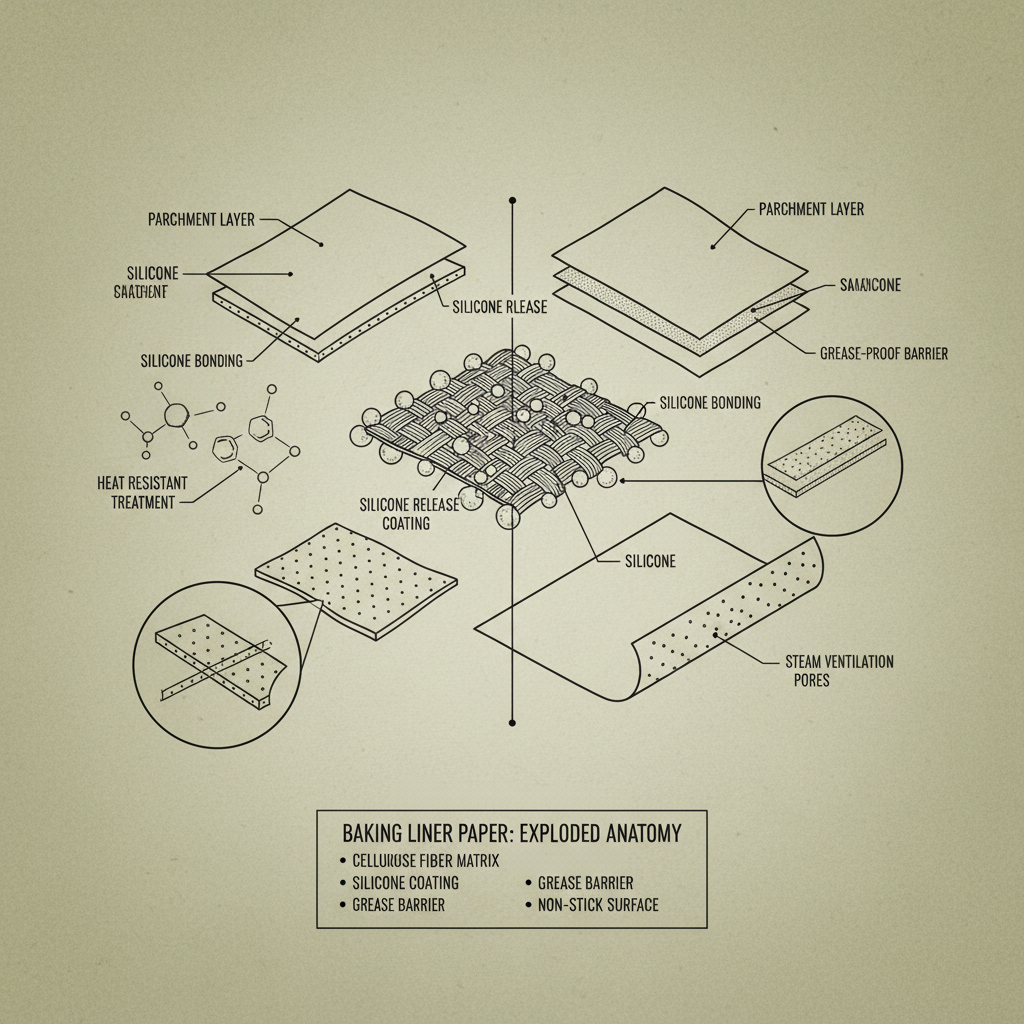
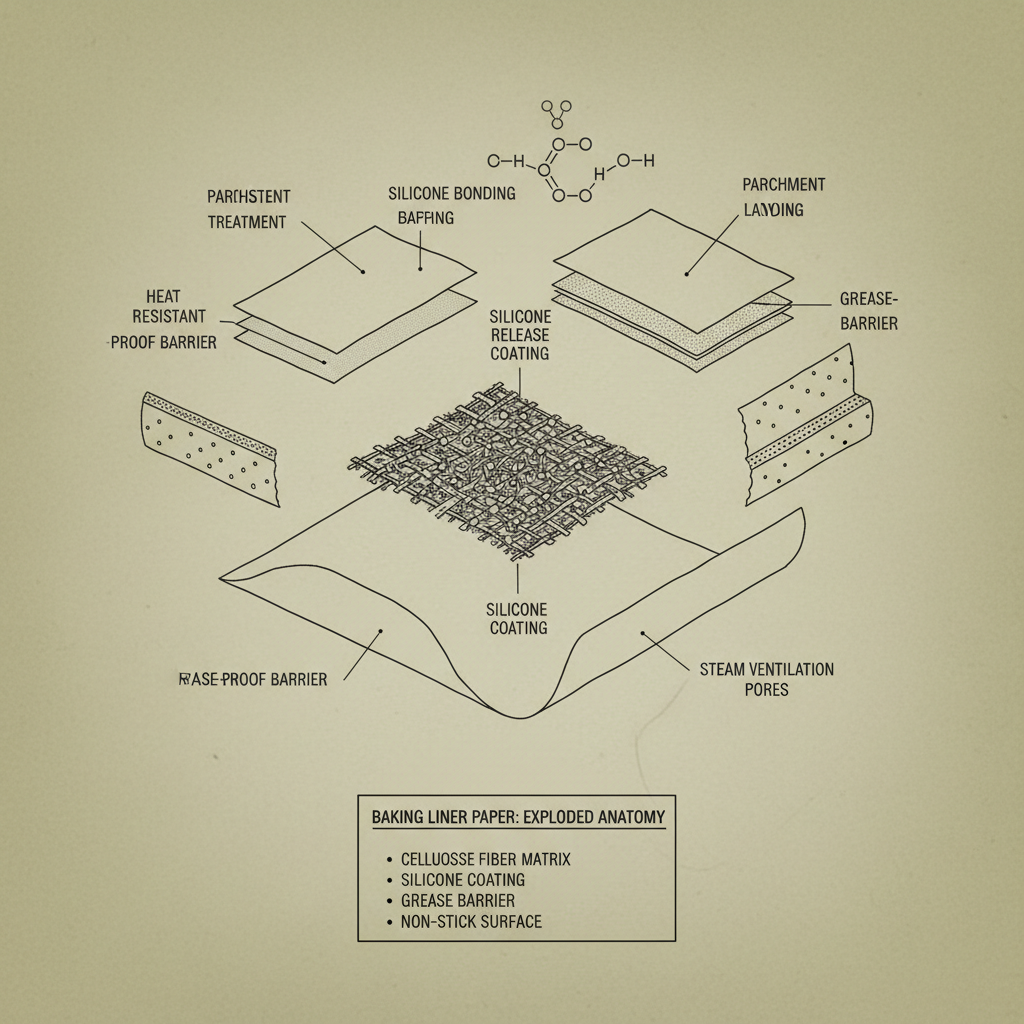
Okay, let's talk materials. The base paper is usually bleached kraft paper, but the quality varies wildly. You get this stuff that feels like tissue paper, then you get stuff that feels like… well, almost cardboard. It makes a difference. You can tell a lot just by how it feels in your hands.
The coating is where things get really interesting. Silicone is the most common – gives you that non-stick surface. But there are different grades of silicone, and different application methods. Some are sprayed on, some are rolled on, some are… well, frankly, I don’t even know how they get it on there so evenly. It's proprietary, I guess. You can smell the difference, too. Cheap silicone smells kind of… chemical-y.
And then there’s the fluoropolymer coatings – PTFE, that kind of stuff. They're more expensive, but they offer superior heat resistance and non-stick properties. I've seen those used in some high-end baking applications. They feel almost… slippery to the touch. Later… Forget it, I won't mention it.
Real-World Testing and Performance
Forget the lab tests. Those are nice for getting baseline data, but they don't tell you what’s really going to happen. I’m talking about throwing the liners through the actual production process. The heat, the grease, the speed… that's where you find out if something works.
We do a lot of "stress tests" on site. Basically, we just run the liners through the machines at maximum speed and see what happens. Do they tear? Do they stick? Do they contaminate the product? It's not pretty, but it's effective. And we also send samples back to the customers, and they test them. Because ultimately, they’re the ones who have to deal with the fallout if something goes wrong.
Baking Liner Paper Performance Metrics
Unexpected User Applications
You wouldn't believe some of the things people use this stuff for. I had a guy call up last year, wanted to use baking liner paper as a release agent for casting resin. Resin! Apparently, it worked better than anything else he'd tried. It's not what we designed it for, but hey, if it solves a problem…
Another customer was using it to line drawers in their workshops – keeps the tools from sliding around. It's kind of a hack, but a clever one. It shows you, people are resourceful. They'll find a use for anything if it's cheap and effective.
Advantages, Disadvantages, and Customization Options
Okay, pros and cons. Advantages? Relatively cheap, readily available, good non-stick properties, food safe… it ticks a lot of boxes. Disadvantages? Not the most durable, can be prone to tearing, and the environmental impact is a concern. Anyway, I think it’s a good starting point.
Customization? Absolutely. We can adjust the coating weight, the paper thickness, the size, the printing… everything. I had a client, a small cookie bakery, who wanted a liner with their logo printed on it. No problem. We can do that. It adds cost, obviously, but it's a nice touch.
A Customer Story: Shenzhen and the Liner
Last month, that small boss in Shenzhen who makes smart home devices insisted on changing the interface to on all his product packaging liners. He thought it would look “modern.” The result? The automated sealing machine couldn’t handle the slightly different thickness, and they had to manually reseal every single package. It cost him a fortune in labor and wasted materials.
He swore it was the machine’s fault, of course. Never his design changes. It was a whole mess. But it just goes to show, sometimes the simplest solution is the best. Don't fix what isn't broken.
He learned his lesson, eventually. And we got a repeat order for the original liners.
Baking Liner Paper Material Comparison
| Material Type |
Cost (USD/1000 sheets) |
Heat Resistance (°C) |
Tensile Strength (MPa) |
| Standard Parchment |
$50 |
200 |
15 |
| Silicone Coated Paper |
$75 |
230 |
20 |
| PTFE Coated Paper |
$150 |
260 |
25 |
| Biodegradable PLA Liner |
$90 |
180 |
12 |
| Recycled Paper Liner |
$60 |
190 |
18 |
| Waxed Paper |
$40 |
175 |
10 |
FAQS
Honestly, the terms are often used interchangeably. Technically, parchment is made from vegetable fibers and is more durable, while baking paper is usually made from cellulose and is coated with silicone. But in practice, most of what you find labeled as "parchment paper" is actually baking paper with a silicone coating. It's a bit of a marketing blur, really. The important thing is whether it's coated, and what the temperature rating is.
Generally, yes, but it depends on the quality of the silicone. Most good-quality silicone coated papers can handle temperatures up to 230°C (450°F) without issues. However, some cheaper papers might start to break down at lower temperatures, releasing potentially harmful fumes. Always check the manufacturer's specifications. You want something that won't melt and stick to your food. That's just a bad experience for everyone.
It's not recommended. While it might look okay after a single use, the silicone coating can degrade, and the paper can become more prone to tearing. Plus, there's a risk of cross-contamination if you've been baking something savory. It's cheap enough to replace, and it's not worth the risk of ruining your next batch of cookies. Trust me, I’ve seen the results of trying to save a few bucks.
There’s a lot of interest in biodegradable options like PLA-based liners, but they often don't perform as well as traditional silicone coated papers in terms of heat resistance and non-stick properties. Recycled paper is another option, but it can sometimes be less durable. The best option really depends on your specific needs and priorities. It's a trade-off between performance and sustainability, as usual.
Store it in a cool, dry place, away from direct sunlight. Keeping it flat is also helpful. Some people like to put it in a box or wrap it in plastic wrap to prevent it from absorbing moisture. Honestly, as long as it's not damp and crumpled, it should be fine. Just don't try to peel apart a whole stack of sheets that have been stuck together for months. It’s a lost cause.
Absolutely! People use it for all sorts of things – lining drawers, protecting surfaces from paint, even making origami. It’s surprisingly versatile. I've even seen someone use it to wrap a delicate gift. It’s cheap, readily available, and relatively clean. Why not?
Conclusion
So, baking liner paper. It’s a small thing, but it plays a surprisingly important role in a lot of industries. From ensuring consistent baking results to protecting surfaces and streamlining packaging processes, it’s a workhorse material. It’s not glamorous, but it’s essential. And frankly, it's a lot more complex than most people realize.
Ultimately, whether this thing works or not, the worker will know the moment he tightens the screw. We can do all the testing and analysis we want, but the real test is always on the factory floor, in the hands of the people who use it every day. That's what I've learned, anyway, after all these years of walking construction sites.