Bottle bags represent a versatile and increasingly essential packaging solution, impacting a broad spectrum of industries from beverage distribution to retail and even emergency relief efforts. Their adaptability, cost-effectiveness, and ability to enhance branding make them a preferred choice for businesses of all sizes. Understanding the nuances of bottle bag design, materials, and applications is critical for optimizing supply chains, reducing environmental impact, and meeting evolving consumer demands.
The global demand for bottle bags is driven by factors such as the growth of the bottled beverage market, the rise of e-commerce, and increasing consumer preference for convenient and portable packaging. According to a report by Smithers Pira, the global flexible packaging market – which includes bottle bags – is projected to reach $237 billion by 2028. This growth necessitates a deeper understanding of sustainable material options, innovative designs, and efficient manufacturing processes.
Furthermore, the increasing focus on sustainability has placed a spotlight on the need for eco-friendly bottle bag solutions. Consumers are actively seeking products packaged in recyclable, biodegradable, or compostable materials. This drives innovation in materials science and manufacturing techniques, pushing the industry towards circular economy principles and minimizing the environmental footprint of packaging.
Introduction to Bottle Bags
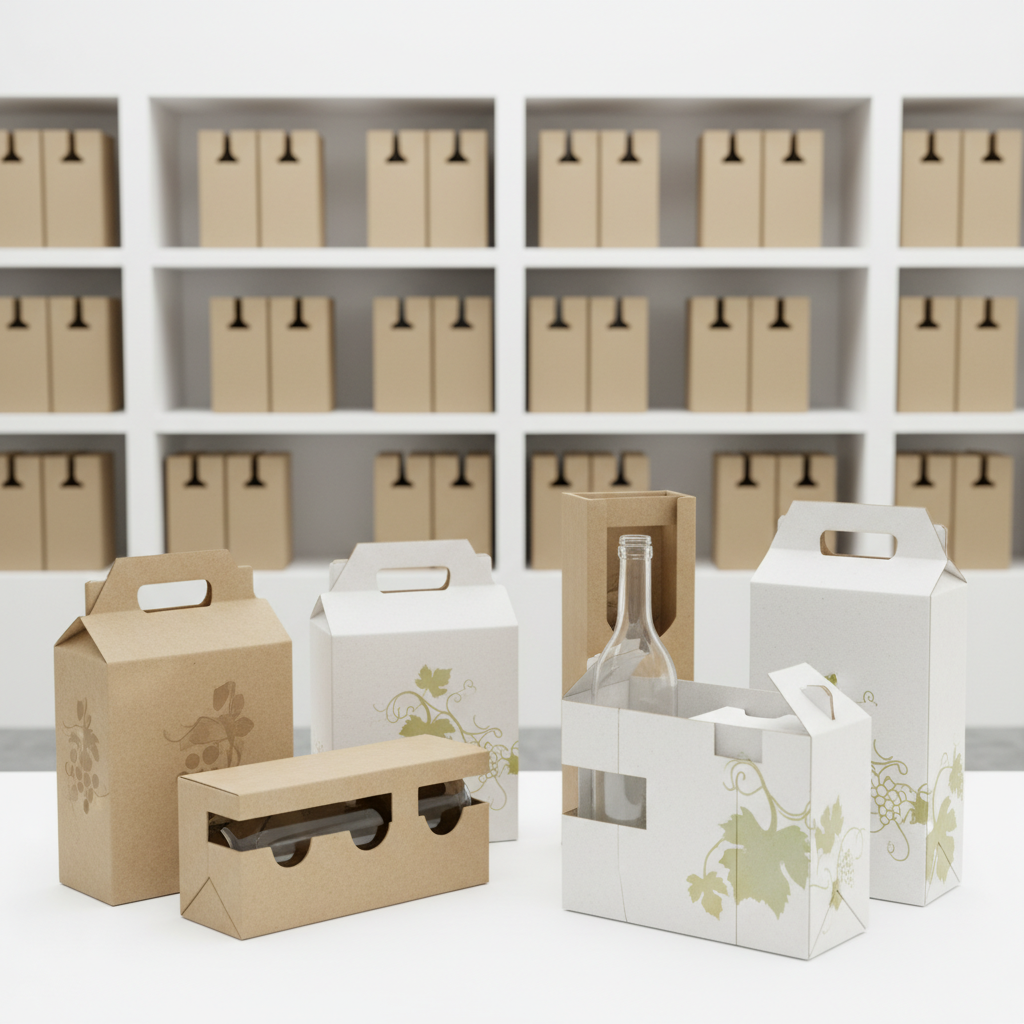
Bottle bags are specialized packaging containers designed to safely and conveniently transport bottles, typically those containing beverages, liquids, or other consumables. They range from simple, single-bottle carriers to multi-compartment solutions capable of holding six or more bottles. The primary function is to provide a secure and portable way to carry bottles without risk of breakage or spillage.
Beyond their functional aspect, bottle bags have evolved into a significant branding opportunity for businesses. Customized designs, logos, and promotional messaging printed on the bags serve as a mobile advertising platform, enhancing brand visibility and recognition among consumers. This has elevated their role beyond mere packaging, making them an integral part of the overall marketing strategy.
Defining Bottle Bags and Their Significance
At their core, bottle bags are packaging solutions created to carry and protect bottles. This seemingly simple definition belies a remarkable diversity in materials, designs, and functionalities. They’re constructed from a variety of materials, including paper, plastic (polyethylene, polypropylene), non-woven fabrics, and increasingly, biodegradable or compostable materials. The choice of material heavily influences the bag's durability, cost, and environmental impact.
Their significance lies in providing a convenient and safe way to transport bottled products. Before the widespread adoption of bottle bags, consumers often relied on less secure methods like carrying bottles individually or in flimsy plastic grocery bags, leading to potential breakage and spills. Bottle bags address these issues directly, improving the consumer experience and reducing product loss for retailers.
Moreover, bottle bags play a crucial role in supporting the growth of various industries, including beverage production, retail, and delivery services. They facilitate easy purchase and transport of bottled goods, contributing to increased sales and customer satisfaction. The development of specialized bottle bags – such as insulated options for maintaining temperature – has further expanded their utility.
Key Characteristics of Effective Bottle Bags
Several key characteristics define a highly effective bottle bag. Firstly, durability is paramount. The bag must be able to withstand the weight of the bottles and the stresses of transport without tearing or breaking. This is directly related to the material used and the quality of its construction. Secondly, capacity is important – offering a range of sizes to accommodate different bottle quantities and consumer needs is crucial.
Ergonomics play a significant role in consumer satisfaction. Comfortable handles or straps that distribute weight evenly make carrying easier and less fatiguing. Leak-proof design is also essential, preventing spills and protecting belongings. Finally, branding potential – the ability to customize the bag with logos, colors, and promotional messages – adds significant value for businesses.
Beyond these core characteristics, considerations like sustainability and cost-effectiveness are increasingly important. Manufacturers are responding to consumer demand for eco-friendly options by developing bags made from recycled or biodegradable materials. Balancing cost with quality and sustainability is a key challenge in the bottle bag industry.
Practical Applications Across Industries
Bottle bags find widespread application across a diverse range of industries. In the beverage industry, they are essential for transporting bottled water, soft drinks, beer, wine, and spirits from production facilities to retailers and ultimately, consumers. Grocery stores and supermarkets rely heavily on them to facilitate customer purchases.
The retail sector utilizes bottle bags for various products beyond beverages, including olive oil, vinegar, sauces, and cleaning supplies. They provide a convenient and secure carrying option for customers. In event management and catering, bottle bags are used to transport and serve beverages at parties, weddings, and other gatherings.
Furthermore, bottle bags play a crucial role in emergency response and disaster relief efforts. They are used to distribute bottled water and other essential liquids to affected populations. Even niche applications exist, such as in wine delivery services where specialized, insulated bottle bags maintain the temperature of the wine during transport.
Bottle Bag Market Share by Application
The Advantages of Utilizing Bottle Bags
The benefits of using bottle bags are multi-faceted. From a cost perspective, they offer an affordable packaging solution compared to more rigid alternatives like plastic crates or cardboard boxes. Their lightweight nature also reduces transportation costs. From a sustainability standpoint, the increasing availability of recycled and biodegradable materials makes bottle bags a more environmentally responsible choice.
Convenience is a major advantage for both retailers and consumers. Bottle bags simplify the carrying process, making it easier for customers to transport their purchases. This enhanced convenience can lead to increased customer satisfaction and repeat business. The branding potential adds further value, allowing businesses to promote their brand and enhance customer recognition.
Future Trends in Bottle Bag Technology
The bottle bag industry is poised for continued innovation. A key trend is the development of advanced materials – specifically, fully compostable and biodegradable polymers that offer comparable strength and durability to traditional plastics. Another significant trend is the integration of smart technology such as QR codes or RFID tags for tracking and authentication purposes.
Sustainable design will also become increasingly important, with a focus on minimizing material usage, optimizing bag shape for efficient stacking and transportation, and reducing overall waste. We can also anticipate greater customization options, allowing businesses to create highly personalized bottle bags that reflect their brand identity.
Challenges and Solutions in Bottle Bag Implementation
Despite their many advantages, the implementation of bottle bags can present certain challenges. One major hurdle is maintaining cost competitiveness while transitioning to more sustainable materials. Biodegradable and compostable materials often come with a higher price tag than traditional plastics.
Another challenge is ensuring structural integrity of bags made from alternative materials. These materials may not be as strong or durable as conventional plastics, requiring careful design and manufacturing processes. A solution lies in investing in research and development to create new materials and manufacturing techniques that address these concerns. Furthermore, promoting consumer education about proper disposal methods for biodegradable and compostable bags is crucial.
Key Factors Influencing Bottle Bag Adoption
| Material Type |
Cost (per unit) |
Environmental Impact (1-10, 10=best) |
Durability (1-10, 10=highest) |
| Polyethylene (PE) |
$0.02 |
2 |
8 |
| Polypropylene (PP) |
$0.03 |
3 |
9 |
| Recycled Paper |
$0.05 |
7 |
6 |
| Non-Woven Fabric |
$0.07 |
4 |
7 |
| Biodegradable Plastic (PLA) |
$0.10 |
9 |
5 |
| Compostable Polymer |
$0.15 |
10 |
6 |
FAQS
Bottle bags are commonly crafted from materials like paper, various plastics (polyethylene, polypropylene), and increasingly, non-woven fabrics. The choice often depends on factors like cost, durability, and environmental considerations. Recent advancements have also led to the development of bottle bags utilizing biodegradable and compostable materials like PLA, offering a more sustainable alternative.
Recyclability varies significantly depending on the material. Polyethylene (PE) and Polypropylene (PP) bottle bags are often recyclable, but facilities may differ in their acceptance criteria. Paper bottle bags are widely recyclable. Biodegradable and compostable bags require specific composting facilities and aren't typically recyclable in standard systems. Always check local recycling guidelines.
Customization options are plentiful! You can typically add your logo, brand colors, and even custom messages through printing techniques like flexography or digital printing. Some suppliers also offer options for custom bag shapes and handle designs. The cost of customization varies based on the complexity and quantity.
Store bottle bags in a cool, dry place away from direct sunlight and moisture. Avoid stacking them too high, as this can cause crushing. If storing for an extended period, consider using a protective cover to prevent dust and damage. Proper storage helps maintain the integrity and usability of the bags.
While biodegradable bottle bags are a step towards sustainability, their environmental impact depends on proper disposal. They typically require industrial composting facilities to break down effectively, which aren't readily available in all areas. If they end up in landfills, they may not decompose as intended. It's crucial to ensure access to appropriate composting infrastructure.
Lead times for custom bottle bags generally range from 2 to 6 weeks, depending on the quantity, customization complexity, and the supplier's production schedule. It’s advisable to place your order well in advance, especially during peak seasons or for large quantities, to ensure timely delivery.
Conclusion
In conclusion, bottle bags are far more than simple carrying containers; they represent a vital component of modern supply chains, branding strategies, and sustainable packaging solutions. Their adaptability, cost-effectiveness, and potential for customization make them invaluable across a spectrum of industries, from beverage retail to emergency relief. Understanding the key characteristics of effective bottle bags, exploring future trends, and addressing existing challenges will be crucial for maximizing their benefits.
Looking ahead, continued innovation in materials science and manufacturing processes promises even more sustainable and efficient bottle bag solutions. By embracing circular economy principles, investing in research and development, and promoting consumer education, we can unlock the full potential of bottle bags to create a more responsible and resilient packaging system. Visit our website at bulkbuypackaging.com to explore our range of bottle bag options and find the perfect solution for your needs.