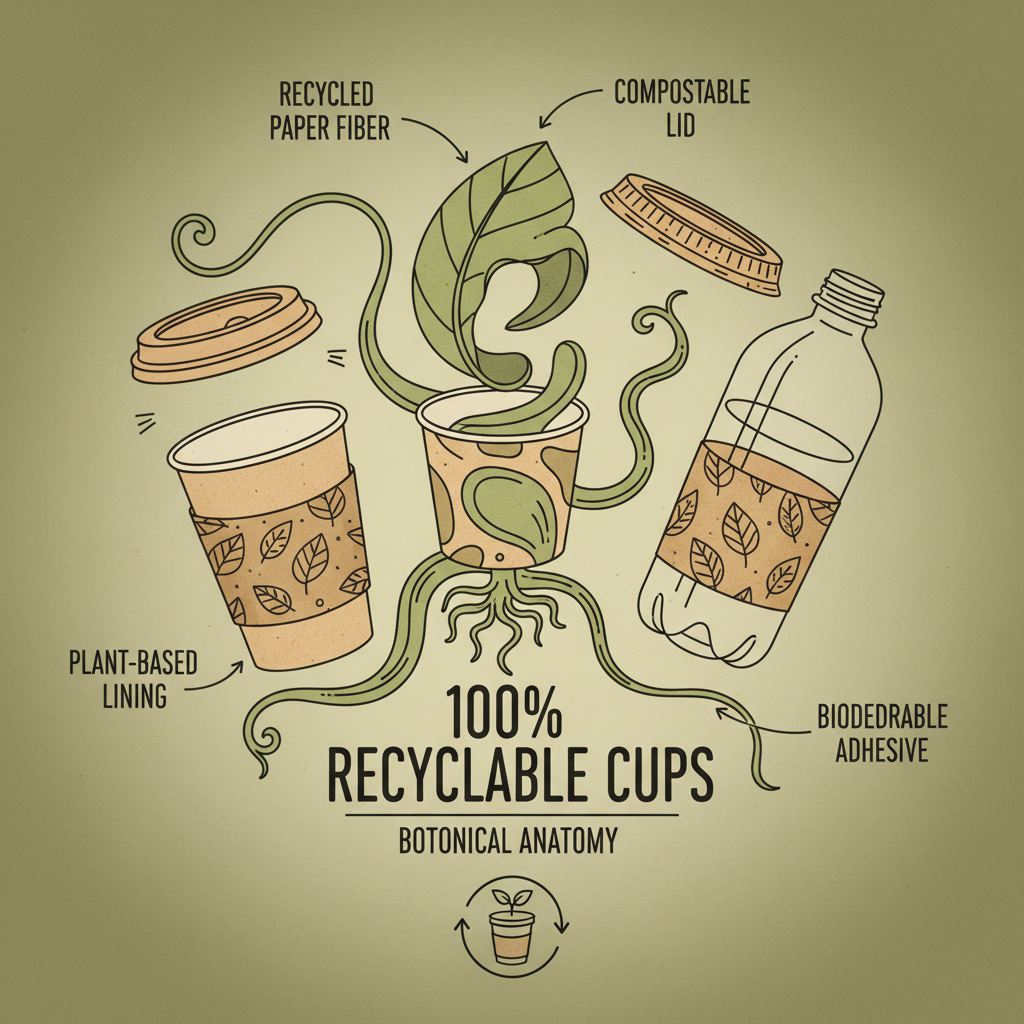
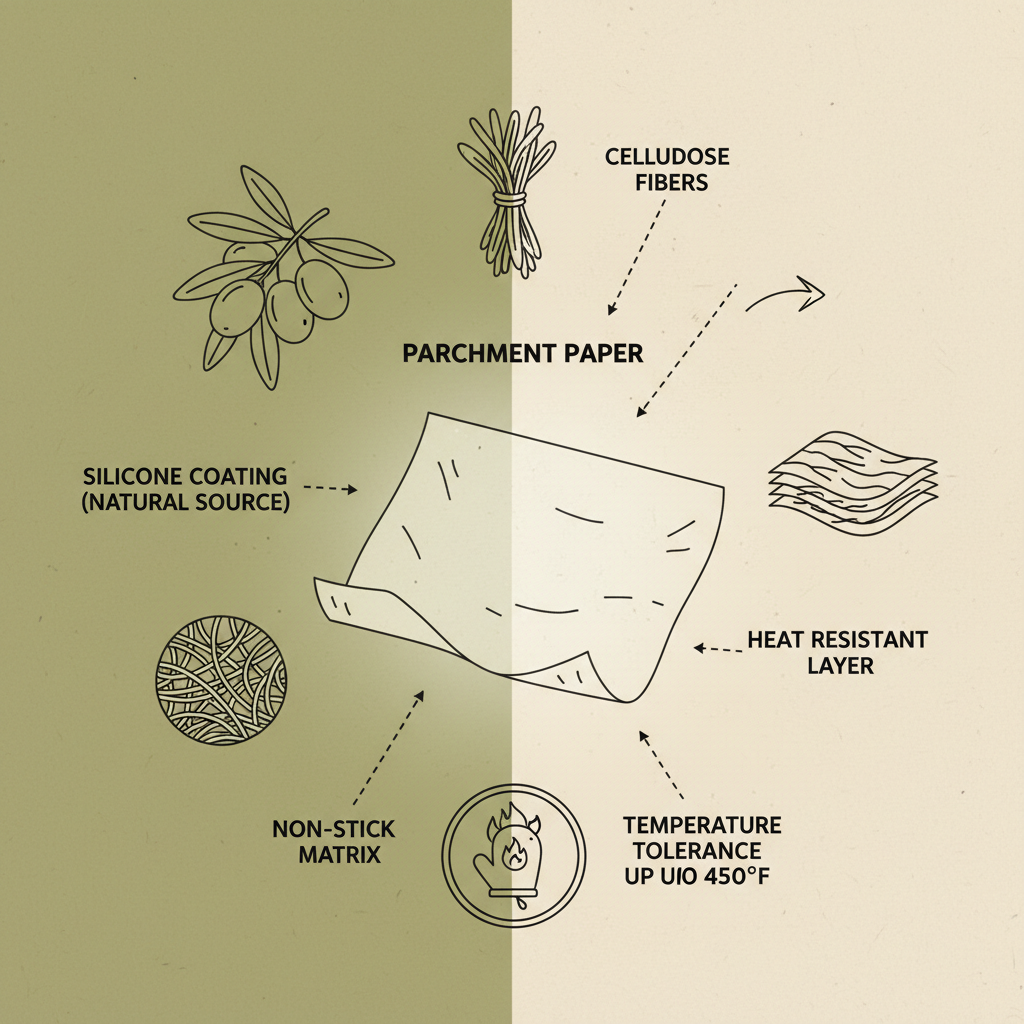
Biodegradable greaseproof paper represents a significant advancement in sustainable packaging solutions, addressing growing concerns about plastic waste and environmental impact. Its ability to combine grease resistance with compostability makes it a versatile choice for various applications, from food packaging to bakery goods. As consumers and businesses alike prioritize eco-friendly practices, the demand for biodegradable greaseproof paper is steadily increasing, driving innovation in materials and manufacturing processes. Understanding its properties and potential is crucial for a greener future.
The global shift towards sustainability is fueling the adoption of biodegradable materials across numerous industries. Regulations regarding single-use plastics are becoming stricter worldwide, creating a market void that biodegradable greaseproof paper is well-positioned to fill. The UN Sustainable Development Goals, particularly those related to responsible consumption and production, further emphasize the need for alternatives to traditional packaging. This push isn’t just driven by regulation; consumer preference is shifting dramatically towards brands demonstrating environmental responsibility.
Biodegradable greaseproof paper offers a tangible solution to the pervasive issue of plastic pollution. Its benefits extend beyond environmental considerations, encompassing potential cost savings and enhanced brand image for businesses. Investing in research and development of this material is crucial to improving its performance and accessibility, thereby facilitating a widespread transition to more sustainable packaging practices.
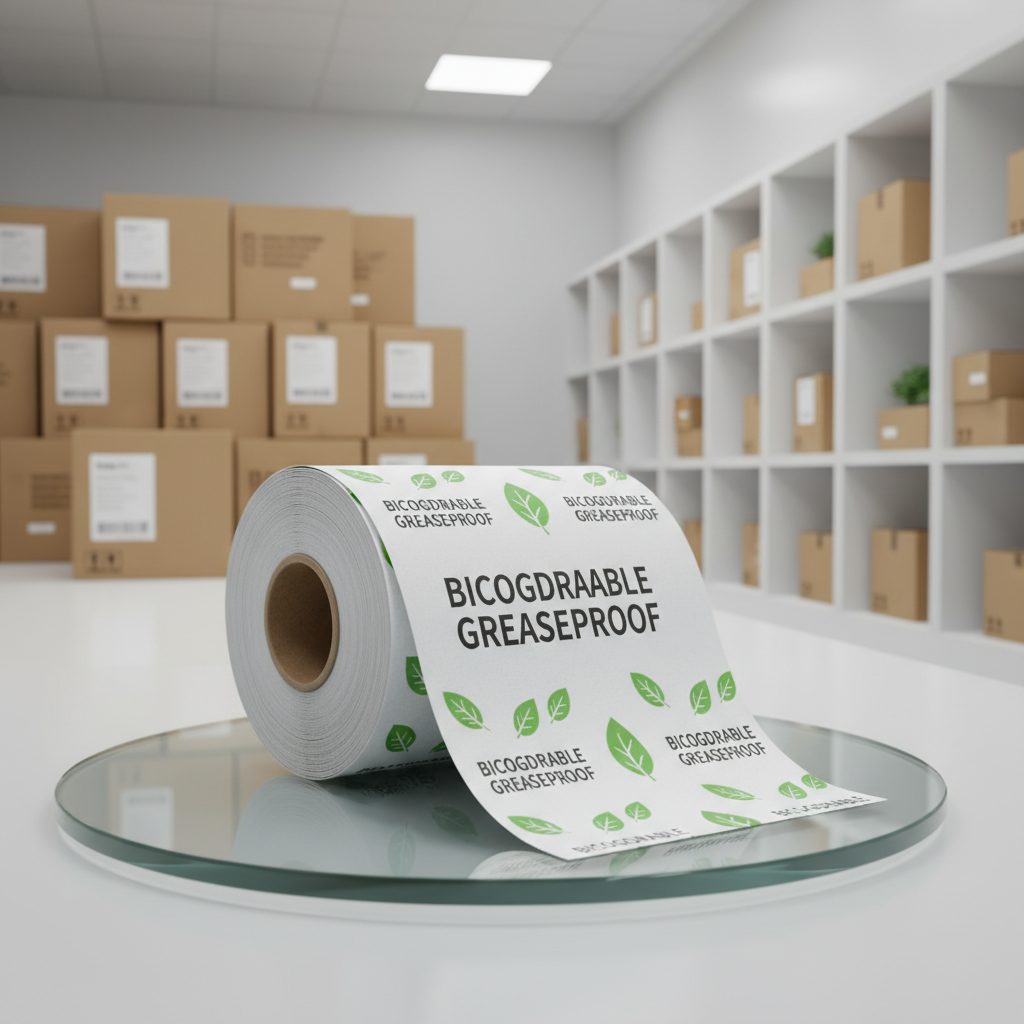
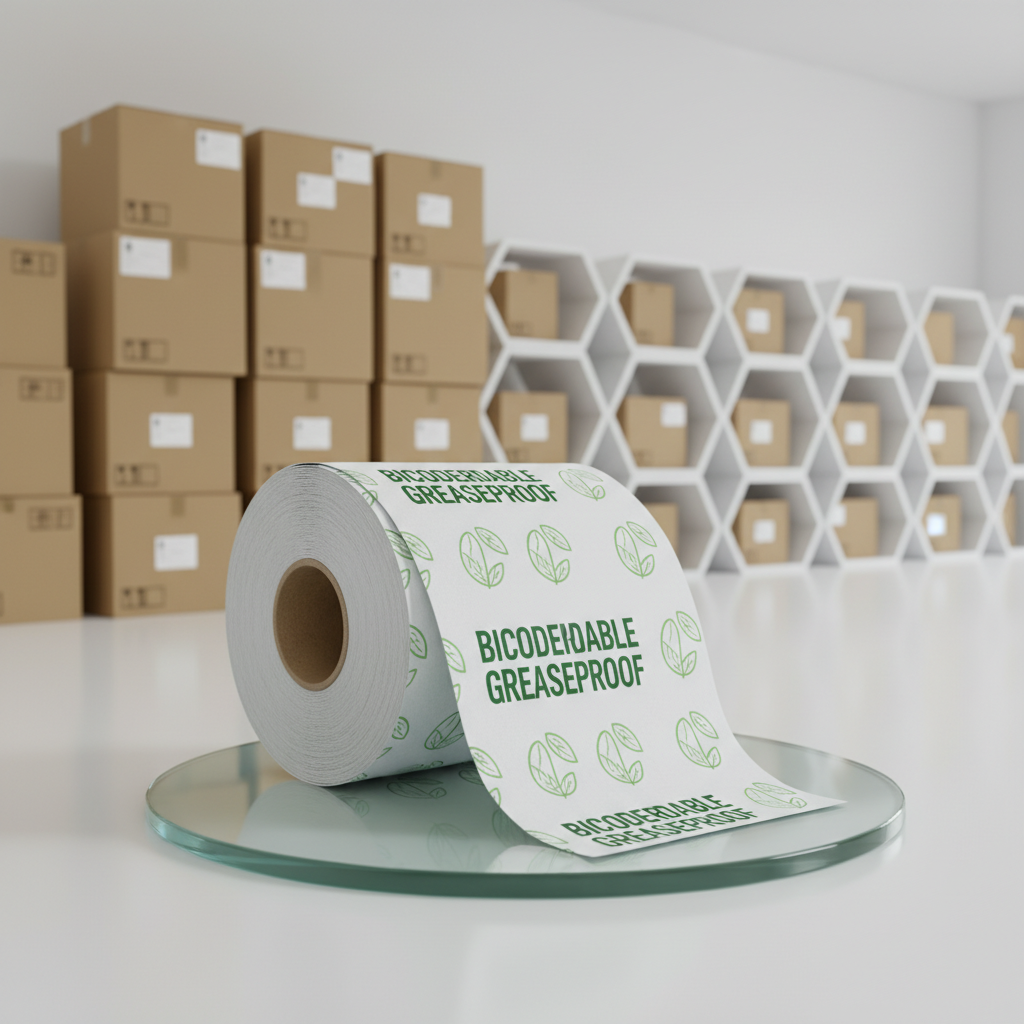
Biodegradable greaseproof paper is a sustainable alternative to traditional, plastic-coated paper products. It's designed to resist grease and moisture while being capable of breaking down naturally, reducing landfill waste. This material is becoming increasingly popular in the food packaging industry and beyond, offering a responsible choice for businesses and consumers concerned about environmental impact.
The appeal of biodegradable greaseproof paper lies in its ability to fulfill a critical need – protecting food and other products from grease and moisture – without contributing to the growing plastic pollution crisis. Its development represents a proactive approach to tackling environmental challenges and fostering a circular economy.
Regular greaseproof paper often contains synthetic coatings to provide grease resistance, making it non-biodegradable. Biodegradable greaseproof paper utilizes plant-based materials and coatings that allow it to break down naturally in composting environments. This means it won't persist in landfills like conventional options, reducing environmental impact. It’s also often made from sustainably sourced fibers.
Biodegradable greaseproof paper is ideal for foods with moderate oil content, like pastries, sandwiches, and some types of fried foods. However, for extremely oily or hot foods, it may not provide the same level of barrier protection as traditional plastic-lined paper. Ongoing research aims to improve its performance in these scenarios. Consider the specific food application and desired level of protection.
The decomposition time varies depending on the composting conditions – temperature, humidity, and microbial activity. Generally, biodegradable greaseproof paper will break down within 60-180 days in a commercial composting facility. Home composting may take longer. Proper composting practices are crucial for ensuring complete decomposition.
Initially, biodegradable greaseproof paper can be more expensive due to the cost of sustainable materials and specialized manufacturing processes. However, prices are becoming increasingly competitive as demand grows and production scales up. The long-term benefits – reduced waste disposal costs, positive brand image, and potential tax incentives – can often offset the initial higher cost.
Look for certifications like ISO 17088 (specifies requirements for compostable materials) and BPI (Biodegradable Products Institute) certification. These certifications verify that the paper meets specific standards for biodegradability and compostability. Also, check for sustainable forestry certifications like FSC (Forest Stewardship Council) to ensure responsible sourcing of the paper fibers.
While technically possible, it’s generally recommended to compost biodegradable greaseproof paper rather than recycle it. The coatings used to make it grease-resistant can interfere with the paper recycling process. Contamination of the recycling stream can reduce the quality of recycled paper. Check with your local recycling facility for specific guidelines.
Biodegradable greaseproof paper represents a vital step towards a more sustainable future for packaging. Its unique combination of grease resistance and compostability addresses a critical need in various industries, offering a viable alternative to traditional, environmentally damaging plastics. By embracing this innovative material, businesses can reduce their environmental footprint, enhance their brand image, and contribute to a circular economy.
As research and development continue, we can expect to see further improvements in the performance and cost-effectiveness of biodegradable greaseproof paper. Supporting policies that incentivize sustainable packaging and promote responsible waste management will be essential to accelerating its widespread adoption. Visit our website at www.bulkbuypackaging.com to learn more about our biodegradable packaging solutions.