In the fast-paced world of professional food service, the efficiency of presentation and transport is paramount. High-quality catering trays serve as the backbone of hospitality, ensuring that culinary creations reach the guest in pristine condition while maintaining the desired temperature and aesthetic appeal.
Beyond simple utility, the selection of the right serving vessel can significantly impact operational costs and the overall guest experience. Whether it is a high-volume corporate event or an intimate gala, the structural integrity and material composition of these trays determine the seamless flow of service and the perceived value of the dining experience.
As the global food industry shifts toward more sustainable and hygienic practices, understanding the nuances of modern catering solutions is essential. From biodegradable pulp to reinforced polymers, the evolution of these tools reflects a broader commitment to environmental responsibility without compromising on professional performance.
Global Relevance of Catering Trays in Modern Hospitality
The global hospitality market has seen an unprecedented surge in "off-premise" dining and large-scale event catering. According to industry trends aligned with ISO standards for food safety, the demand for specialized catering trays has grown as businesses seek to bridge the gap between kitchen preparation and table delivery.
The primary challenge facing operators today is the balance between durability and disposable convenience. In regions with strict environmental regulations, such as the EU, the industry is pivoting away from single-use plastics toward compostable alternatives that can still withstand the weight and heat of professional gourmet spreads.
Defining the Functional Scope of Catering Trays
At their core, catering trays are specialized containers designed to hold, transport, and present food in a manner that ensures hygiene, temperature control, and visual appeal. Unlike standard residential plates, these industrial tools are engineered for stability, often featuring non-slip surfaces and reinforced edges to prevent spills during high-traffic service hours.
In the context of modern humanitarian needs, such as disaster relief or large-scale refugee support, these trays provide a dignified and sanitary way to distribute mass nutrition. The ability to stack these containers efficiently allows for rapid deployment in remote areas where infrastructure is limited, making them a vital tool for NGOs and government agencies.
The connection between material science and food service is evident here; whether the tray is made of aluminum for heat retention or heavy-duty plastic for versatility, the goal remains the same: maintaining the integrity of the food from the moment it leaves the chef's hand until it reaches the consumer.
Core Components for High-Performance Serving Solutions
Durability is the most critical factor for any professional serving vessel. High-grade catering trays must resist warping under extreme temperatures and withstand the physical stress of repeated stacking and transport without cracking or leaking.
Thermal Efficiency plays a pivotal role in food safety. Advanced trays are often designed with insulating properties or compatible with chafing dishes, ensuring that hot foods stay above the danger zone (60°C/140°F) to prevent bacterial growth while keeping cold platters crisp and fresh.
Cost Efficiency and Scalability allow businesses to maintain margins while scaling their operations. By selecting trays that are either highly reusable or sustainably disposable, catering firms can optimize their overhead costs while ensuring they have enough capacity for peak seasonal demands.
Comparative Analysis of Material Efficiency
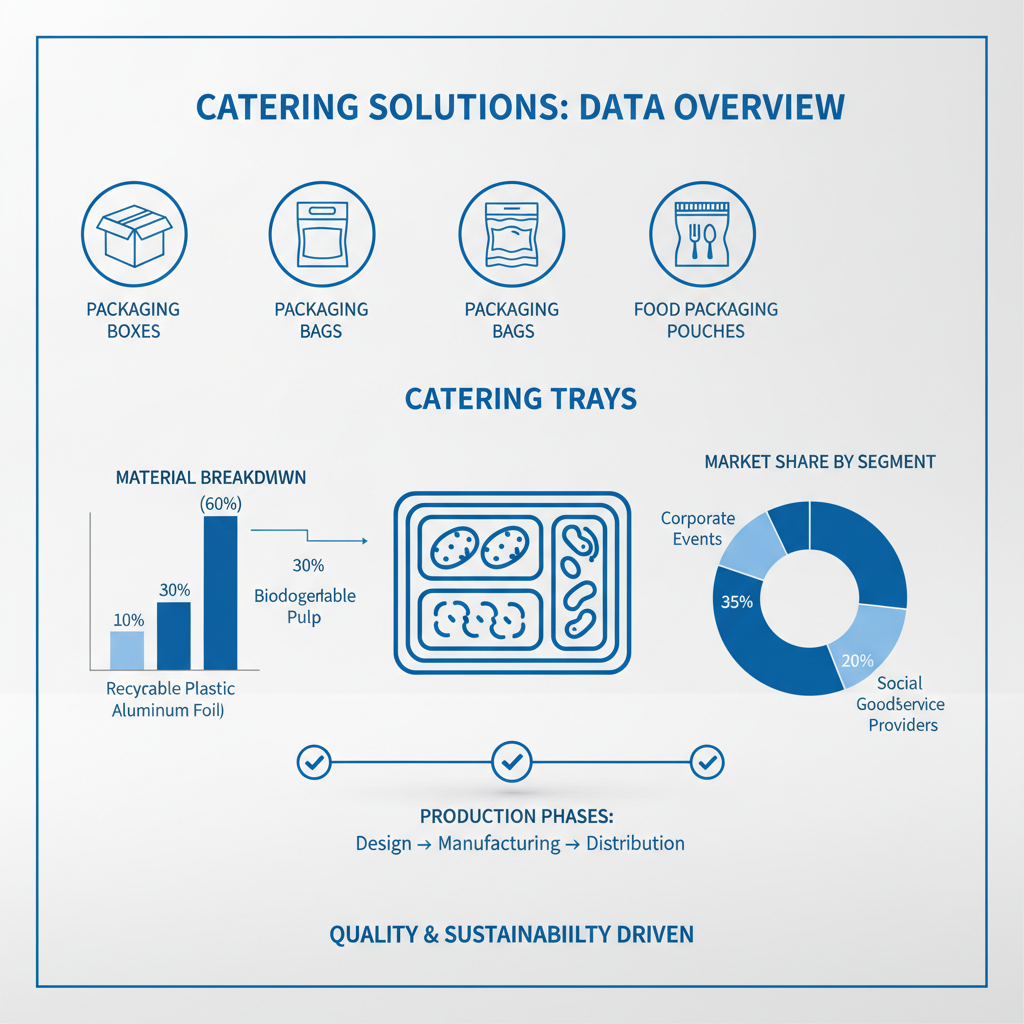
Choosing the right material for your serving needs involves a trade-off between aesthetics, cost, and environmental impact. While traditional plastics offer unmatched versatility, the industry is rapidly moving toward sugarcane bagasse and recycled paperboard for short-term events.
The following data illustrates how different types of catering trays perform across key operational metrics, helping managers decide which solution fits their specific service model.
Operational Performance of Various Catering Trays
Diverse Applications Across Global Food Sectors
In commercial aviation and rail transport, compact and lightweight catering trays are essential for maximizing space while ensuring meals are delivered securely to passengers. These trays are often integrated into locking systems to prevent movement during turbulence or high-speed transit.
Conversely, in the corporate event sector, the focus shifts to presentation. Large-format platters and modular trays allow for "grazing tables" and buffet-style service, where the tray itself becomes part of the decor, necessitating a high-end finish and a sleek, professional silhouette.
Long-Term Value and Sustainability Benefits
Investing in high-quality catering solutions provides long-term economic value by reducing waste and lowering the frequency of replacement. Reusable systems, while requiring a higher initial investment, dramatically lower the "cost-per-use" over a multi-year lifecycle.
From a social perspective, adopting eco-friendly materials enhances brand trust. Today's consumers are increasingly conscious of the plastic footprint left by the catering industry; providing food in compostable trays signals a commitment to the planet, which can be a powerful marketing advantage.
Furthermore, the reliability of these tools ensures operational safety. Properly engineered trays reduce the risk of workplace accidents—such as burns from spilling hot liquids—providing a safer environment for staff and guests alike.
Future Innovations in Catering Tray Design
The future of food transport is moving toward "smart" materials. We are seeing the emergence of phase-change materials (PCMs) integrated into the base of catering trays, which can maintain a specific temperature for hours without the need for external heating or cooling elements.
Automation is also playing a role, with trays designed specifically for robotic delivery systems in hospitals and hotels. These trays feature standardized dimensions and RFID tags to help automated systems track meal delivery and ensure the right patient or guest receives their specific dietary requirements.
Sustainability will continue to drive innovation, with a shift toward seaweed-based coatings and mushroom-mycelium structures that are not only biodegradable but actually enrich the soil when composted, effectively closing the loop on food packaging waste.
Analysis of Material Trends for Future Catering Solutions
| Material Type |
Eco-Impact |
Heat Resistance |
Cost Profile |
| Sugarcane Bagasse |
Excellent |
Moderate |
Low |
| Recycled PET |
Fair |
Low |
Very Low |
| Stainless Steel |
High (Reusable) |
Very High |
High |
| Bamboo Fiber |
Excellent |
Moderate |
Medium |
| Aluminum Foil |
Moderate |
High |
Low |
| PLA Bioplastic |
Good |
Low |
Medium |
FAQS
For high-temperature applications, stainless steel and aluminum are the top choices due to their superior heat conductivity and resistance to warping. If you require a disposable option, heavy-duty aluminum foil trays are ideal as they can be used in ovens and maintain heat effectively during transport.
Modern biodegradable materials, such as sugarcane bagasse and bamboo fiber, have improved significantly. While they may not be as indefinitely reusable as heavy plastics, they are more than capable of holding heavy food loads for the duration of an event without leaking or collapsing.
Consider the volume of food and the layout of your service area. Standard "Full Size" trays are best for bulk prep and buffet lines, while "Half" or "Third" size trays are better for side dishes or specialized dietary options. Always ensure your trays are compatible with your existing heating equipment.
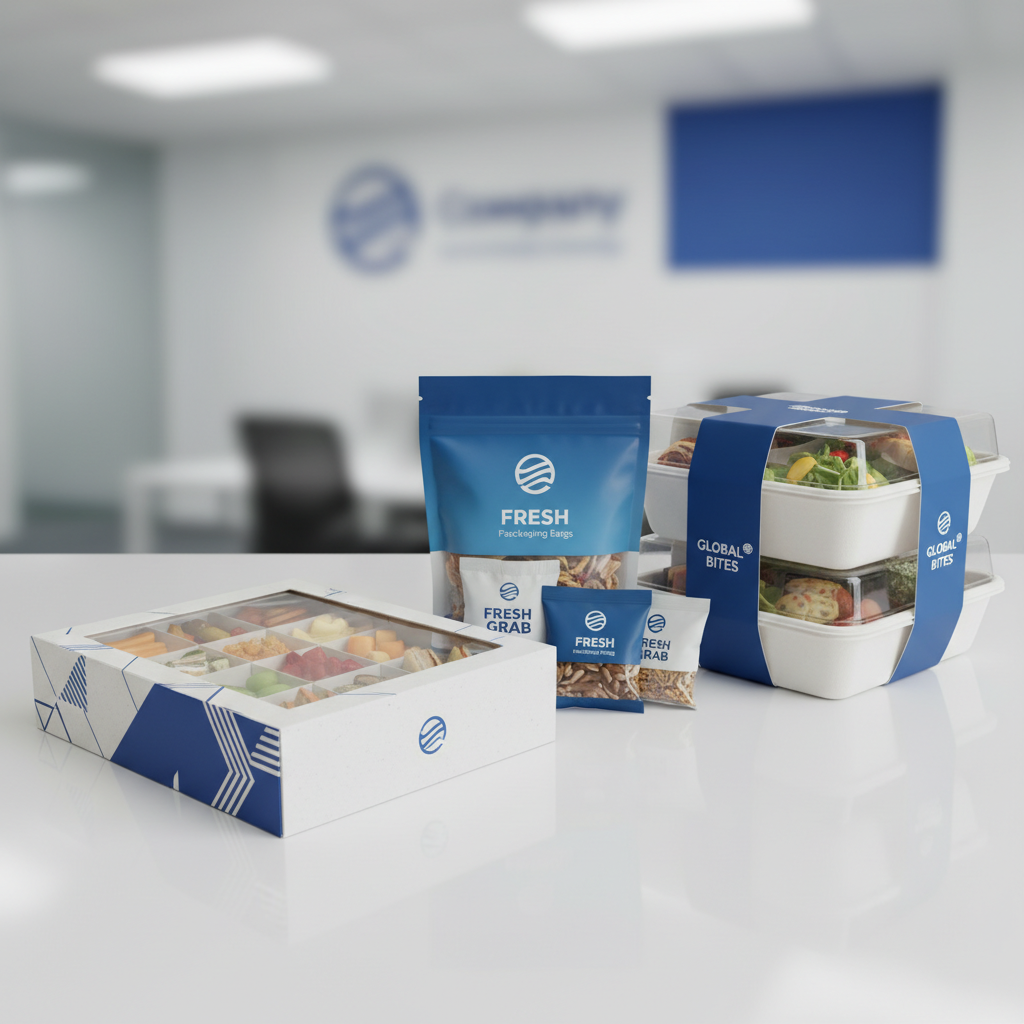
Yes, many suppliers offer custom printing for cardboard and plastic trays. Branded packaging not only enhances your professional image but also serves as a marketing tool when food is delivered to corporate clients or used in public events.
Reusable trays should be washed in high-temperature industrial dishwashers that meet health department standards. Choosing non-porous materials like stainless steel or high-density polypropylene makes the sanitization process more effective and prevents food residue buildup.
For cold foods, we recommend trays with high insulation properties or those that can fit snugly into chilled transport carriers. Clear PLA or PET trays are popular for salads and desserts as they provide visibility while maintaining a moisture barrier to keep food fresh.
Conclusion
In summary, the strategic selection of catering trays is a critical intersection of logistics, food safety, and brand presentation. By balancing material durability with environmental sustainability and thermal efficiency, food service providers can optimize their operations and deliver a superior dining experience.
As the industry evolves toward smarter, greener solutions, the transition to sustainable materials and automated-compatible designs will define the next generation of hospitality. We encourage operators to audit their current serving tools and embrace innovations that reduce waste without sacrificing quality. Visit our website for professional solutions: www.bulkbuypackaging.com