Brown paper packaging, a seemingly simple material, holds a significant place in global commerce and humanitarian efforts. From protecting goods during transit to providing a sustainable alternative to plastic, its versatility and cost-effectiveness make it indispensable. Understanding its properties, applications, and future trends is crucial for businesses and organizations seeking efficient and responsible packaging solutions.
The global demand for packaging is continuously increasing, driven by population growth and expanding international trade. Simultaneously, there’s a growing awareness of the environmental impact of packaging materials. This dual pressure creates a need for solutions like brown paper packaging, offering a balance between functionality, affordability, and sustainability. Recognizing this demand and its potential benefits is key to navigating the modern packaging landscape.
The rise of e-commerce further amplifies the importance of reliable and protective packaging. Brown paper packaging, with its inherent strength and cushioning properties, provides a viable solution for safely delivering products to consumers worldwide, contributing to both customer satisfaction and reduced product damage during the shipping process.
Introduction to Brown Paper Packaging
Brown paper packaging, at its core, is a versatile material crafted from wood pulp. Its inherent strength and ability to be molded into various forms make it a staple in industries ranging from shipping and logistics to food service and retail. The simplicity of its production process contributes to its cost-effectiveness.
However, its appeal goes beyond practicality. Modern brown paper packaging increasingly incorporates sustainable practices, utilizing recycled content and promoting biodegradability. This resonates with a growing consumer base focused on environmentally responsible choices, driving demand and innovation within the industry.
The Global Context of Brown Paper Packaging
Globally, the packaging industry is a multi-billion dollar market, projected to continue expanding. According to data from the World Packaging Organisation, a significant portion of this growth is driven by the Asia-Pacific region, with increasing demand from developing economies. The UN Sustainable Development Goals also influence packaging choices, promoting circular economy principles and reducing waste.
A key challenge within the packaging industry is balancing economic efficiency with environmental sustainability. The widespread use of plastic packaging contributes to pollution and resource depletion. Brown paper packaging offers a viable alternative, particularly as concerns about microplastics and plastic waste continue to escalate. This shift towards sustainable materials is increasingly mandated by governmental regulations in numerous countries.
The ISO standards regarding packaging materials also play a crucial role, ensuring quality, safety, and environmental compliance. Adherence to these standards is essential for businesses engaging in international trade, and brown paper packaging, when produced responsibly, consistently meets these requirements, solidifying its position as a reliable global solution.
Defining Brown Paper Packaging
Brown paper packaging refers to packaging materials predominantly constructed from kraft paper. This paper is manufactured using the kraft process, resulting in a strong, durable, and relatively inexpensive material. It’s commonly used for creating bags, wrapping paper, corrugated cardboard, and other protective packaging solutions.
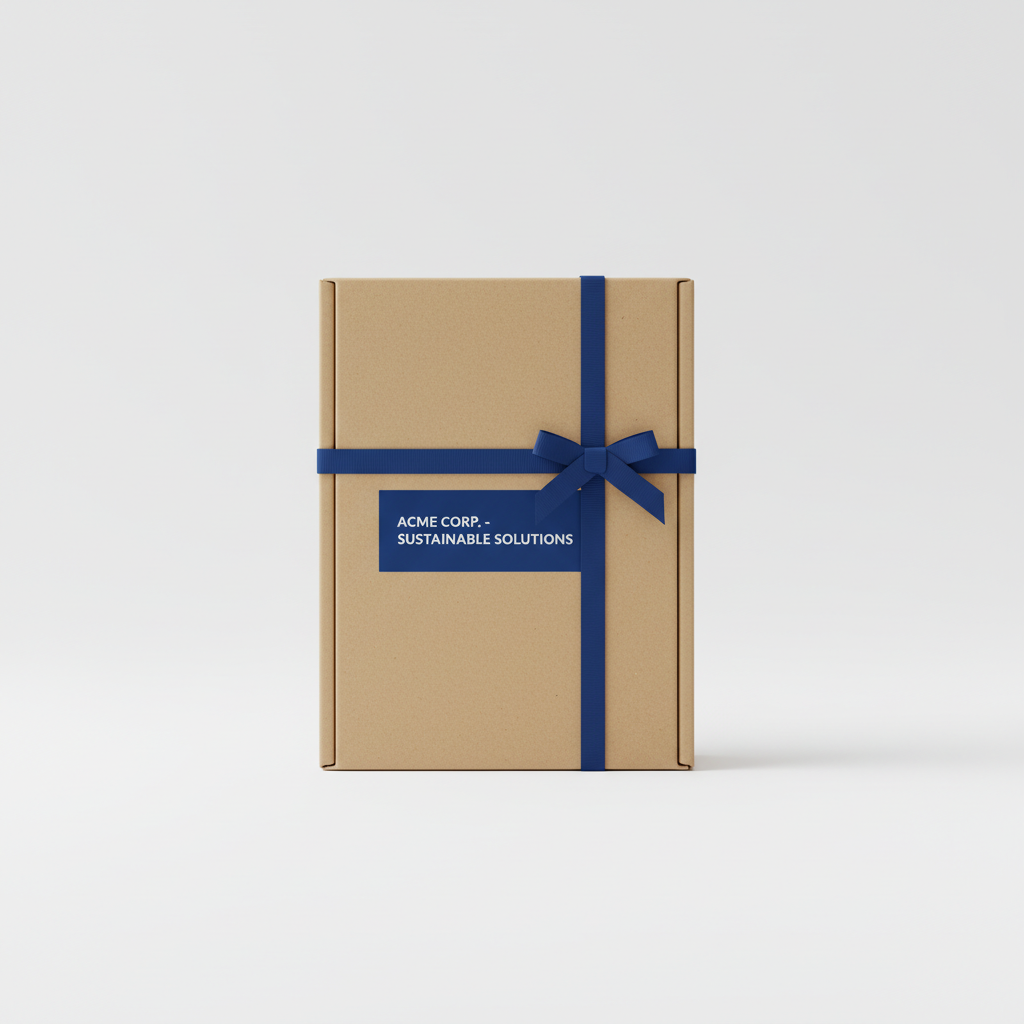
Its connection to modern industry isn’t merely functional; it's increasingly strategic. Businesses are leveraging brown paper packaging to enhance their brand image, signaling a commitment to sustainability. Furthermore, its adaptability – readily printable, easily customizable – makes it a powerful marketing tool.
In humanitarian contexts, brown paper packaging is frequently employed for transporting essential supplies – food, medicine, and clothing – due to its resilience and affordability. Its ability to withstand harsh conditions and its relatively low weight make it ideal for logistical challenges in disaster relief operations, demonstrating its vital role beyond commercial applications.
Key Characteristics of Brown Paper Packaging
Brown paper packaging boasts several key characteristics that contribute to its widespread adoption. One crucial aspect is its durability. The kraft process yields a paper fiber with exceptional tensile strength, capable of withstanding significant stress and preventing tearing during handling and transportation.
Secondly, its cost-efficiency is a significant advantage. The relatively simple manufacturing process and readily available raw materials contribute to a lower production cost compared to many alternative packaging materials, making it accessible to businesses of all sizes.
Brown Paper Packaging Performance Metrics
Diverse Applications of Brown Paper Packaging
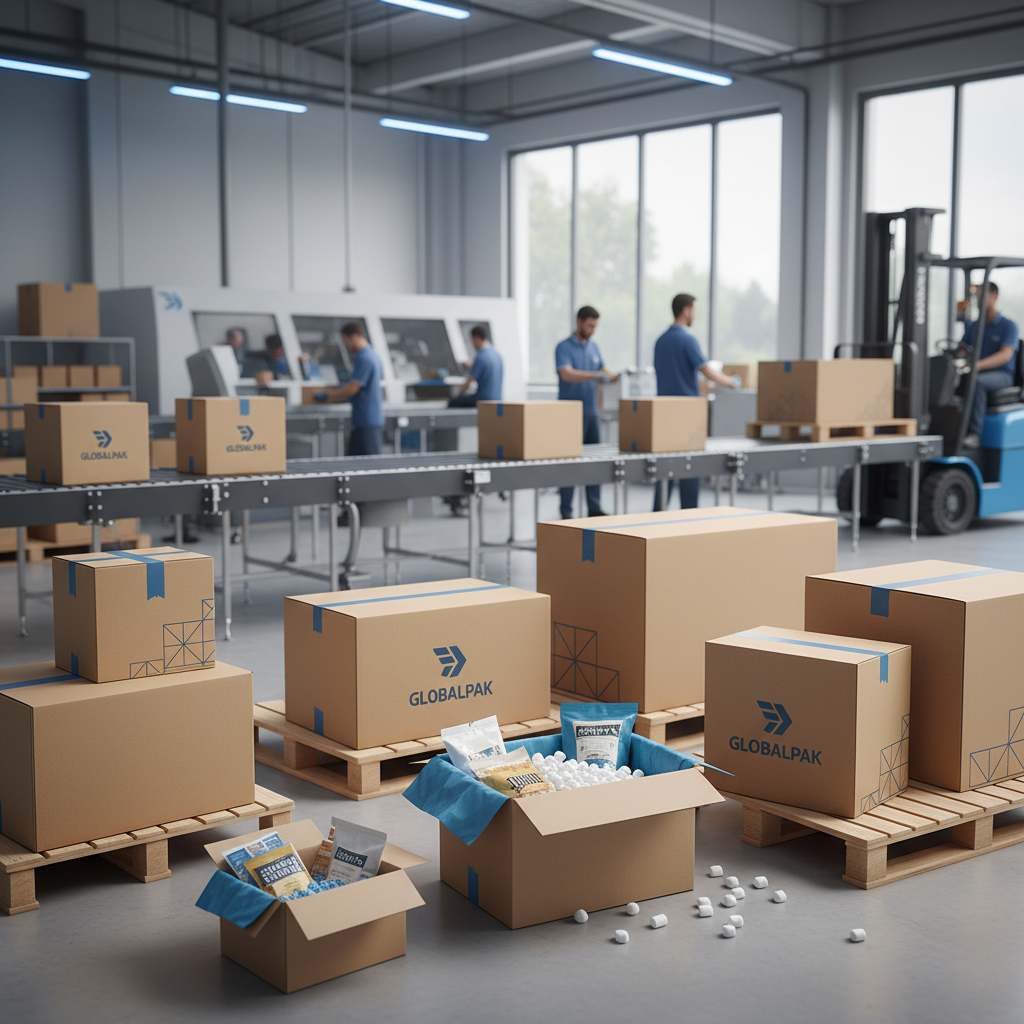
The applications of brown paper packaging are incredibly broad. Within the food industry, it's used extensively for packaging baked goods, produce, and dry goods, offering a natural and appealing presentation. E-commerce companies rely on it for shipping boxes and protective cushioning, ensuring products arrive undamaged.
In remote industrial zones, where cost-effective and durable packaging is paramount, brown paper packaging provides a robust solution for transporting components and finished goods. Similarly, in post-disaster relief operations, its affordability and relative lightness make it a crucial component for distributing aid supplies to affected communities.
Advantages and Long-Term Value
The tangible benefits of utilizing brown paper packaging are numerous. From a cost perspective, it often presents a more economical option compared to plastic or foam alternatives. Its sustainability credentials contribute to a positive brand image, attracting environmentally conscious consumers.
Beyond these practical advantages, there’s a significant social impact. Choosing brown paper packaging aligns with responsible business practices, fostering trust with customers and demonstrating a commitment to a healthier planet. This builds long-term value, strengthening brand loyalty and potentially attracting new customers.
Furthermore, the inherent reliability of the material ensures product safety and reduces damage during transit, minimizing financial losses and enhancing customer satisfaction – contributing to a more efficient and dependable supply chain.
Future Trends in Brown Paper Packaging
Several key trends are shaping the future of brown paper packaging. One prominent development is the increased use of bio-based coatings and adhesives, further enhancing its biodegradability and reducing its environmental footprint. The integration of digital technologies, such as QR codes for tracking and tracing, is also gaining traction.
Automation in packaging processes will likely lead to greater efficiency and reduced costs. Additionally, ongoing research into novel fiber sources – exploring alternatives to traditional wood pulp – promises to create even more sustainable and eco-friendly brown paper packaging options.
Finally, evolving government regulations around single-use plastics will continue to incentivize the adoption of sustainable packaging alternatives like brown paper, accelerating its growth and innovation within the industry.
FAQS
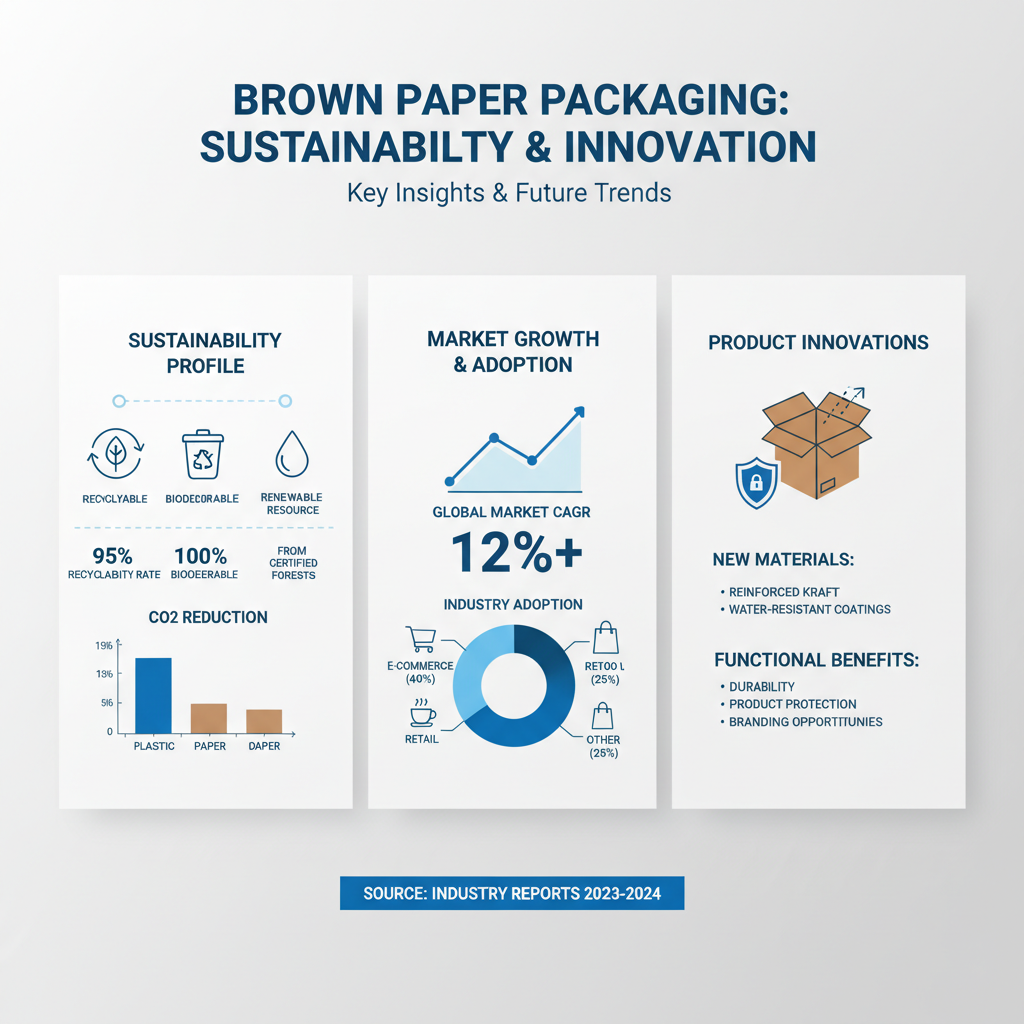
Yes, brown paper packaging is highly recyclable, typically accepted in most municipal recycling programs. However, it's important to ensure it's free from contaminants like food residue or excessive tape. Recycling brown paper packaging helps conserve natural resources and reduces landfill waste, contributing to a circular economy. The recyclability rate is quite high, making it a sustainable choice.
Generally, brown paper packaging is competitively priced with many plastic packaging options, and in some cases, can be more cost-effective, particularly for simpler packaging needs. While specialized plastic packaging may be cheaper for specific applications, the overall lifecycle cost, considering disposal and environmental impact, often favors brown paper. Fluctuations in raw material prices can affect both, but brown paper offers a stable alternative.
Yes, certain types of brown paper packaging are suitable for food contact, but it's crucial to ensure they meet relevant food safety standards. Food-grade brown paper is treated to prevent contamination and maintain product integrity. Look for packaging specifically labeled for food contact and adhere to proper storage guidelines to ensure safety and quality.
While versatile, brown paper packaging isn't ideal for all applications. It offers less moisture resistance than plastic, so it's not suitable for long-term exposure to wet conditions. It can also be less durable for extremely heavy or sharp items. However, advancements in coatings and reinforced paper are addressing these limitations.
Brown paper packaging, especially when made from recycled content and responsibly sourced fibers, is significantly more sustainable than most plastic alternatives. It’s biodegradable, compostable, and renewable, reducing reliance on fossil fuels and minimizing environmental impact. While production does require energy and resources, its overall footprint is typically lower than plastic.
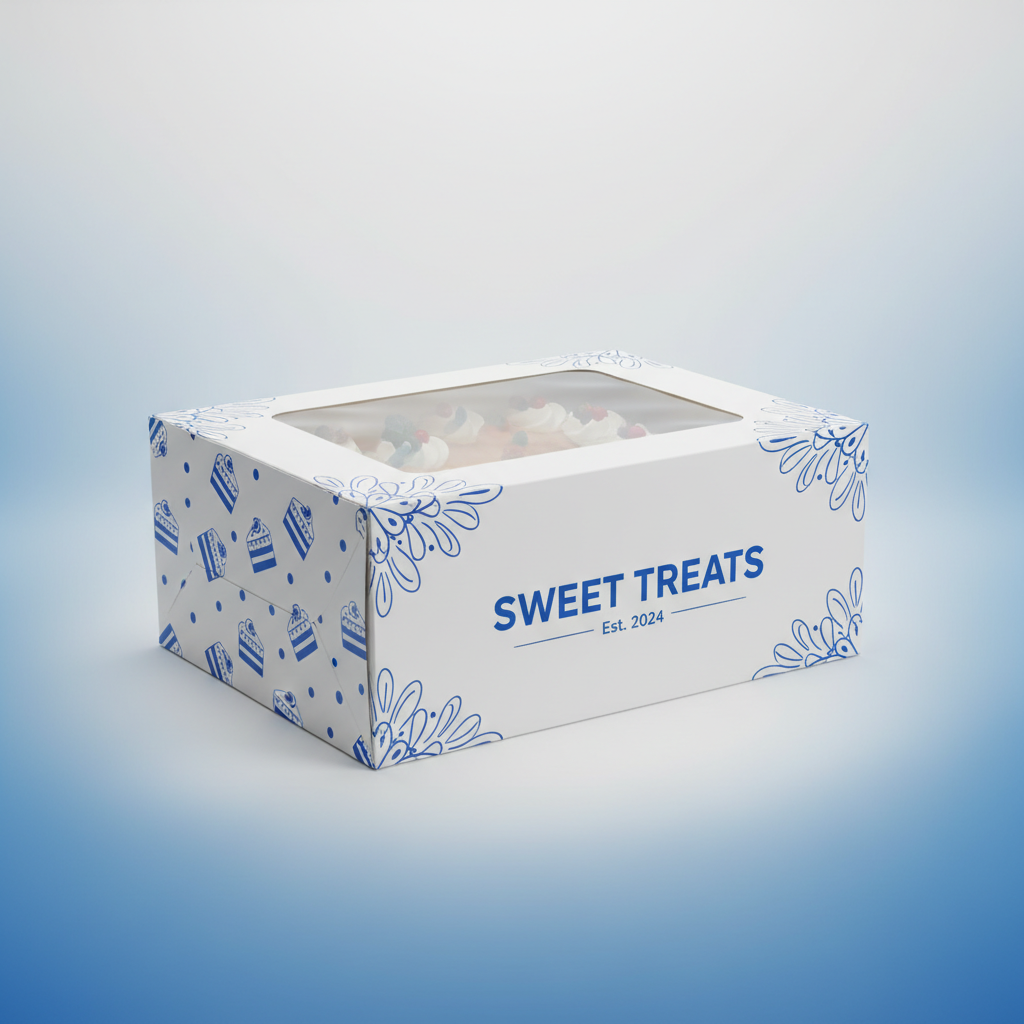
Absolutely! Brown paper packaging is highly customizable with branding elements. Printing directly onto the paper is a common and effective method for displaying logos, designs, and product information. Additionally, labels, stamps, and other embellishments can be applied to further enhance brand visibility and create a unique packaging experience.
Conclusion
In conclusion, brown paper packaging represents a compelling solution to the growing demand for sustainable and reliable packaging materials. Its durability, cost-effectiveness, and eco-friendly attributes make it a valuable asset for businesses and organizations across diverse industries. Understanding its strengths and limitations is crucial for optimizing its application and maximizing its benefits.
Looking ahead, continued innovation in materials and manufacturing processes will further enhance the performance and sustainability of brown paper packaging. By embracing these advancements and prioritizing responsible sourcing, we can unlock its full potential and contribute to a more circular and environmentally conscious economy. Visit our website at www.bulkbuypackaging.com to explore our range of brown paper packaging solutions.