Bread bags, seemingly simple packaging, are a cornerstone of modern food distribution and preservation. Globally, the demand for effective and reliable bread bags is driven by increasing urbanization, changing consumer habits, and a growing need to reduce food waste. From artisan bakeries to large-scale industrial producers, the consistent requirement for maintaining bread freshness and extending shelf life fuels a multi-billion dollar industry. Understanding the nuances of bread bags – materials, functionalities, and innovations – is crucial for businesses and consumers alike.
The relevance of bread bags extends beyond mere convenience. In a world grappling with food security challenges, proper packaging plays a critical role in minimizing spoilage and ensuring that essential food products reach those who need them. The efficient distribution of bread, a staple food in many cultures, relies heavily on the protective qualities of these seemingly unassuming bags. According to the Food and Agriculture Organization of the United Nations (FAO), roughly one-third of all food produced globally is lost or wasted – a statistic that highlights the vital importance of packaging solutions like bread bags.
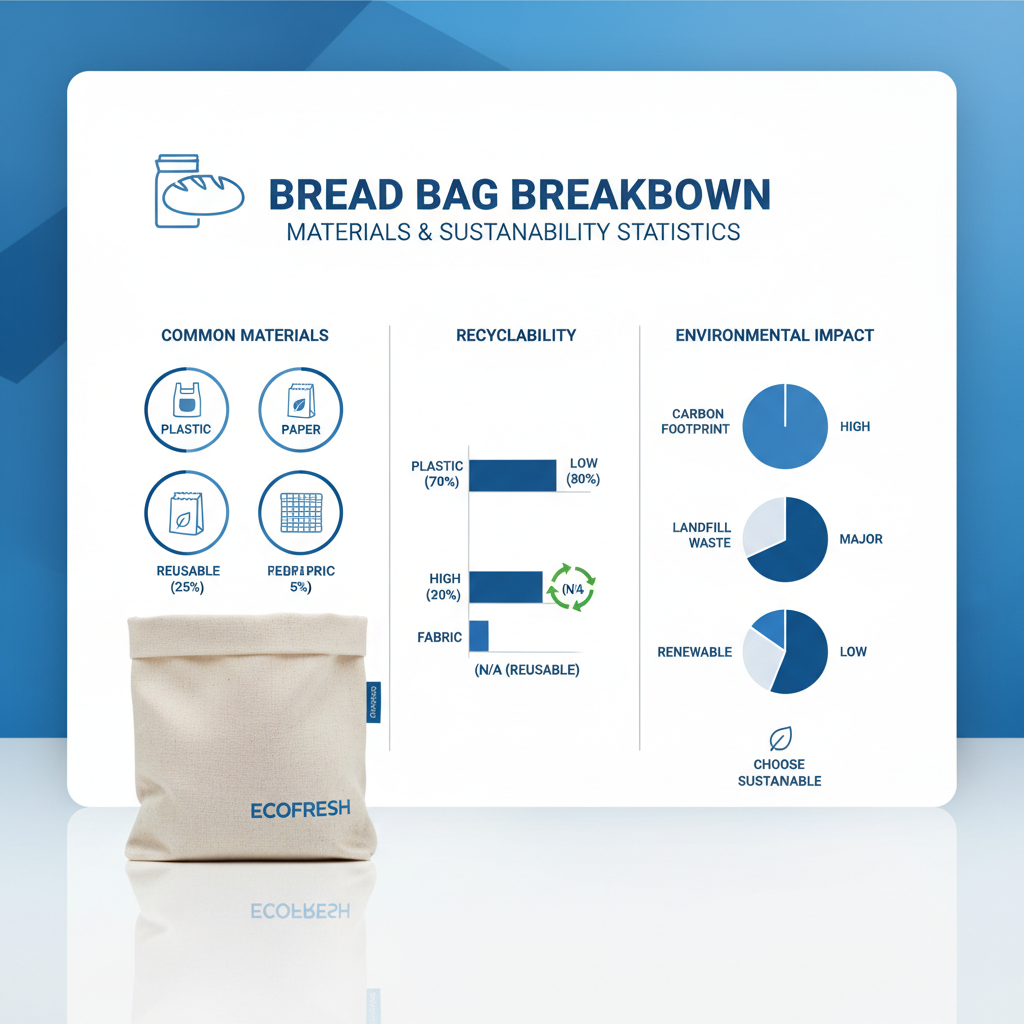
Furthermore, the bread bag industry is undergoing a significant transformation driven by sustainability concerns. Consumers and businesses are actively seeking eco-friendly alternatives to traditional plastic bags, prompting innovation in biodegradable and compostable materials. The future of bread bags is inextricably linked to the pursuit of environmentally responsible packaging solutions.
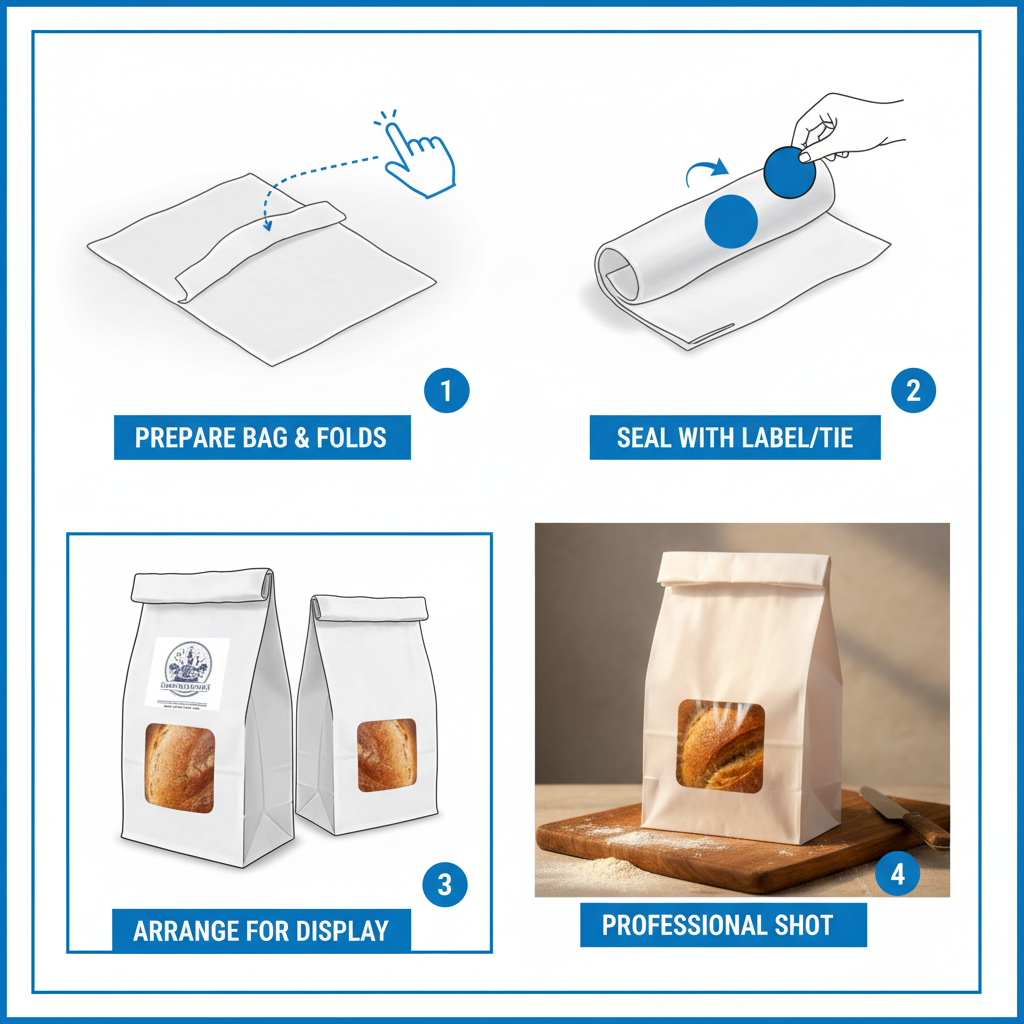
The primary function of bread bags is to preserve the quality and freshness of bread products. They achieve this by controlling the moisture levels within the bag, preventing the bread from drying out or becoming stale. A good bread bag allows for air circulation while retaining enough humidity to maintain the soft texture of the bread.
Beyond simple preservation, bread bags also provide a barrier against contaminants, protecting the bread from dust, bacteria, and other environmental factors. This is particularly important for commercially produced bread, which often travels long distances and is exposed to various handling conditions. Selecting the right bread bag is paramount for maintaining food safety and quality.
Polyethylene bread bags are generally more flexible and cost-effective, making them suitable for high-volume applications. Polypropylene bags, on the other hand, offer slightly higher tear resistance and clarity, providing better product visibility. Polypropylene also has a higher melting point, making it suitable for situations where heat exposure is a concern. Both are plastic options, though Polypropylene is often easier to recycle depending on local facilities.
While biodegradable bread bags are a step towards sustainability, their environmental impact depends on proper disposal. They require specific composting conditions – typically industrial composting facilities – to break down effectively. If they end up in landfills, they may not decompose and can still contribute to plastic pollution. Look for certifications like ASTM D6400 to ensure genuine biodegradability.
Bread bag thickness is measured in mils. Thicker bags (higher mil value) offer greater durability and puncture resistance, suitable for heavier bread types or rough handling. Thinner bags are more economical but may be less robust. Consider the weight of the bread, the transportation distance, and the storage conditions when selecting the appropriate thickness. A typical range is 0.7 to 1.5 mils.
While reusing bread bags is possible, it's not always recommended for food safety reasons, especially with plastic bags. If you choose to reuse, thoroughly wash and dry the bags with warm soapy water after each use. Inspect for tears or damage before reuse. Compostable or biodegradable bags are typically not suitable for reuse as their structure weakens with washing.
Shelf life varies depending on the type of bread and bag. In a standard polyethylene bag, bread typically stays fresh for 2-3 days. Higher-quality polypropylene or bags with better sealing can extend this to 4-5 days. Biodegradable or compostable bags might offer a slightly shorter shelf life compared to traditional plastics, depending on the material composition. Proper storage (cool, dry place) also significantly impacts freshness.
Numerous suppliers offer bread bags in bulk quantities. Online retailers specializing in packaging materials, such as bread bags, are a convenient option. You can also find suppliers through industry trade shows and directories. Be sure to compare prices, shipping costs, and minimum order quantities before making a purchase.
In conclusion, bread bags are far more than simple packaging; they are integral to food preservation, distribution, and sustainability efforts. From traditional polyethylene options to innovative biodegradable materials, the evolution of bread bags reflects a commitment to quality, cost-effectiveness, and environmental responsibility. Understanding the various aspects of bread bags – materials, durability, and emerging technologies – is essential for businesses and consumers alike.
Looking ahead, we can anticipate continued innovation in the bread bag industry, driven by the demand for more sustainable and functional packaging solutions. By embracing new materials and technologies, we can minimize food waste, reduce environmental impact, and ensure that this seemingly humble product continues to play a vital role in our global food system. Visit our website to explore a wide range of bread bag options: www.bulkbuypackaging.com