Book boxes are rapidly becoming a crucial element in modern logistics and supply chain management, extending beyond simple packaging to represent efficient, secure, and sustainable transport solutions. These aren't merely containers; they are engineered systems designed to protect goods, optimize space, and streamline distribution processes across various industries. The rise in e-commerce and the need for robust shipping solutions have fueled demand for innovative book boxes, driving advancements in materials and design.
Globally, the book boxes market is experiencing substantial growth, driven by factors such as increased international trade, rising consumer expectations for safe and timely deliveries, and a growing focus on environmentally responsible packaging. According to a report by Smithers Pira, the global corrugated packaging market, a significant component of book boxes, is projected to reach $176.3 billion by 2025. This growth is particularly prominent in developing economies, where infrastructure improvements are driving demand for standardized packaging solutions.
The increasing complexity of global supply chains necessitates solutions like specialized book boxes capable of handling diverse product types and navigating stringent regulatory requirements. This includes solutions for temperature-sensitive goods, fragile items, and high-value products, requiring features such as cushioning, insulation, and security features. This escalating demand highlights the essential role book boxes play in facilitating efficient and reliable global trade.
Introduction to Book Boxes
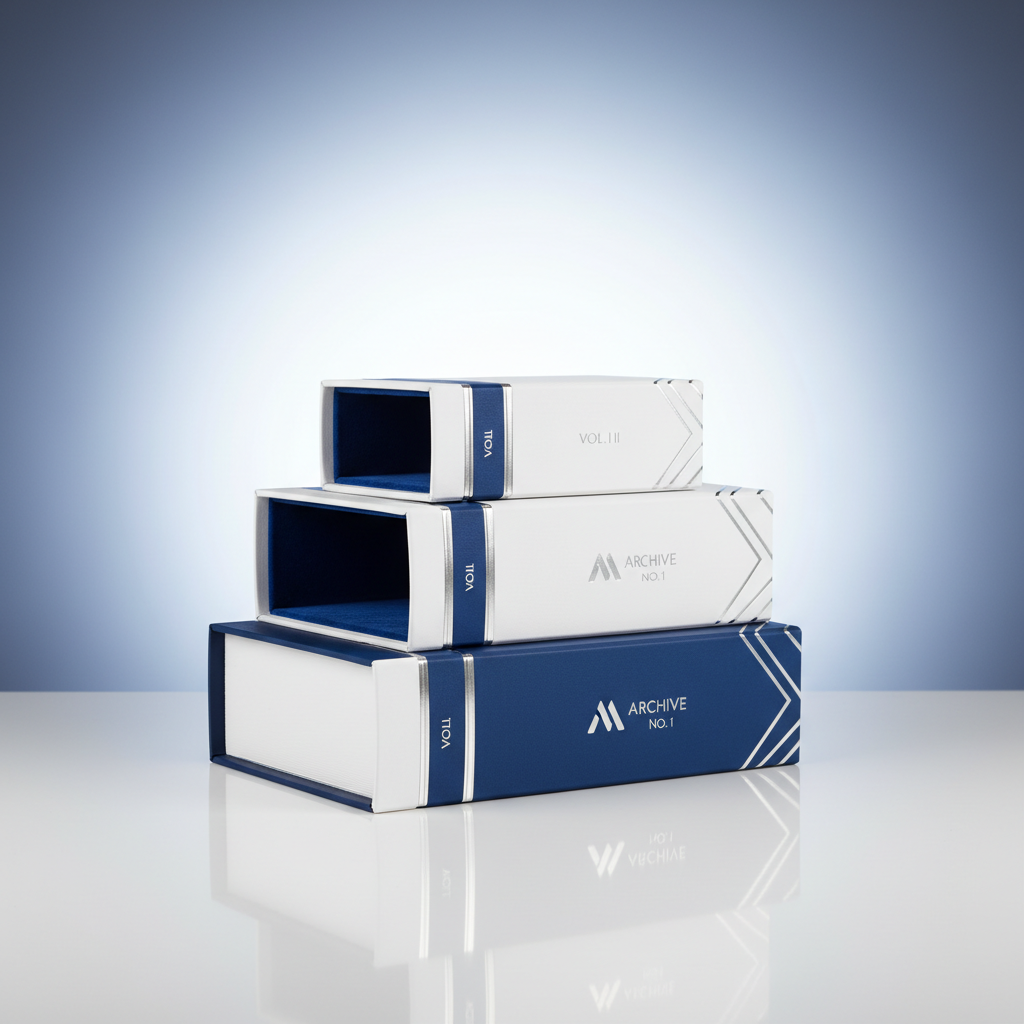
Book boxes, in their simplest form, are corrugated cardboard containers specifically designed for the safe and efficient transportation of books and related materials. However, the definition has evolved. Modern book boxes often include customized inserts, specialized cushioning, and reinforced construction to accommodate varying book sizes, weights, and fragility levels. They play a vital role in the publishing, distribution, and retail sectors.
The emergence of online book sales has dramatically increased the demand for sturdy and reliable book boxes. E-commerce companies require packaging that can withstand the rigors of the shipping process, protecting books from damage during transit. This has led to innovations in box design, materials, and printing technologies to meet the specific needs of the book industry and the demands of a digital-first marketplace.
Defining Book Boxes
Book boxes represent more than just containers; they are integral components of the book supply chain, acting as protective enclosures, branding vehicles, and logistical facilitators. Their primary function is to safeguard books from physical damage—bending, tearing, scuffing—during storage, handling, and transportation. Beyond protection, well-designed book boxes enhance the customer experience by presenting books in a professional and appealing manner.
The connection to modern industry is clear: as publishing transitions to a more direct-to-consumer model, the quality and functionality of book boxes directly impact customer satisfaction and brand reputation. In humanitarian aid, book boxes are often repurposed to deliver educational resources to underserved communities, demonstrating their versatility and adaptability beyond commercial applications.
The demand for sustainable packaging is also driving the evolution of book boxes. Manufacturers are increasingly utilizing recycled materials and developing eco-friendly designs to reduce their environmental footprint, aligning with growing consumer awareness and responsible business practices.
Key Factors of Effective Book Boxes
Several key factors determine the effectiveness of book boxes. Durability is paramount, requiring the use of high-quality corrugated cardboard capable of withstanding stacking, handling, and potential impacts during shipping. The strength of the cardboard, measured in burst strength or edge crush test (ECT) values, dictates the box’s ability to protect its contents.
Cost-effectiveness is another crucial consideration. While durability is essential, the cost of the box must be balanced against the value of the books being shipped. Optimizing box dimensions, minimizing material waste, and utilizing efficient manufacturing processes are all key to achieving cost-effectiveness.
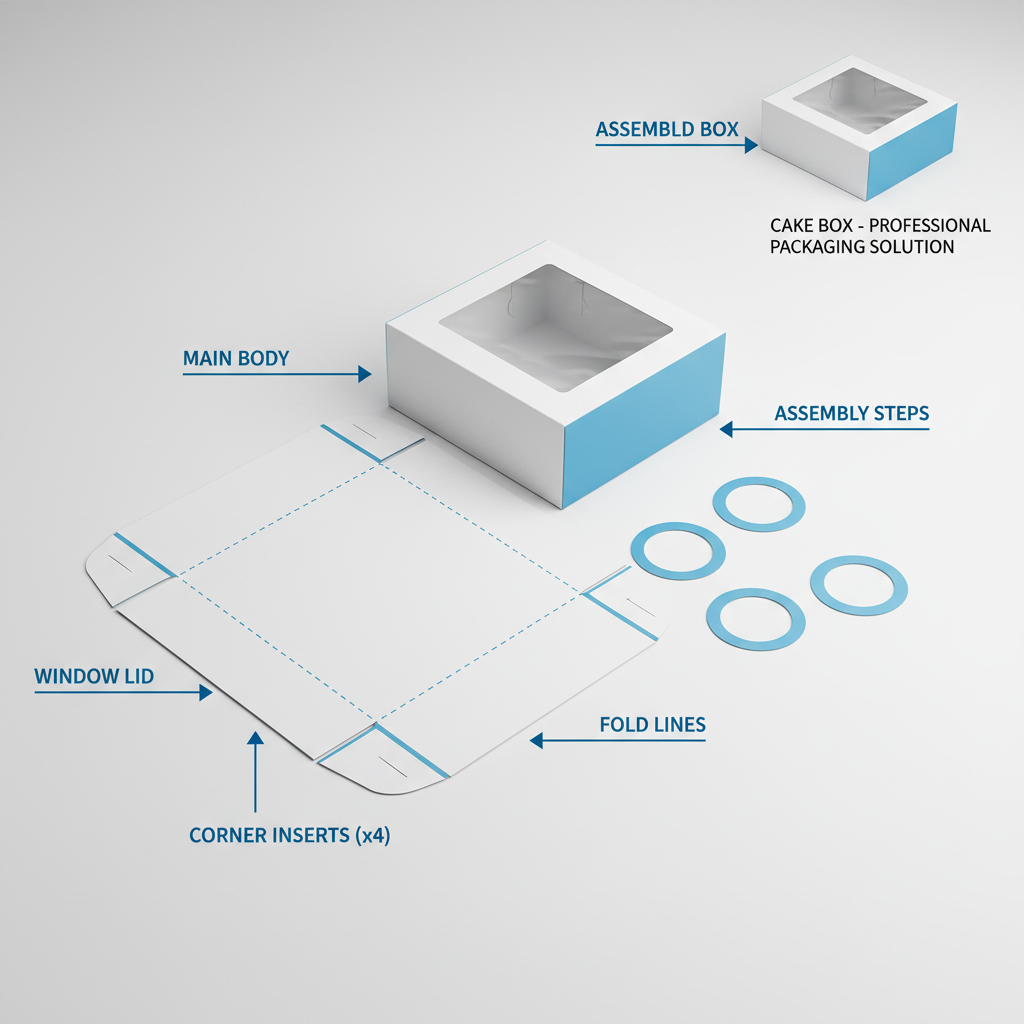
Customization is increasingly important, as publishers and retailers seek to create branded packaging that enhances the customer experience. This includes printing options, custom inserts, and specialized box designs tailored to specific book formats or promotional campaigns. Sustainability and Stackability are also vital aspects. Boxes must be made from recycled materials and should be designed for efficient stacking to optimize warehouse space and shipping efficiency.
Global Applications of Book Boxes
Book boxes find application across a broad spectrum of industries and geographic regions. In the United States and Europe, they are heavily used by major publishing houses and online retailers like Amazon to ship millions of books daily. In Asia, particularly in countries like China and India, the growing middle class and increasing literacy rates are driving demand for book boxes to support expanding book markets.
In post-disaster relief operations, sturdy book boxes are repurposed to transport and distribute educational materials to affected communities. Libraries and schools often utilize them for internal organization and book lending programs. Even in remote industrial zones where logistical infrastructure is limited, book boxes serve as reliable containers for transporting sensitive materials.
The educational sector, encompassing schools, universities, and libraries, is a significant consumer of book boxes. Furthermore, specialized book boxes are increasingly used for shipping rare or valuable books, incorporating features such as tamper-evident seals and enhanced cushioning to ensure their safe delivery.
Book Boxes Performance by Type
Advantages and Long-Term Value
The advantages of utilizing appropriate book boxes are multifaceted. Tangible benefits include reduced shipping damage rates, leading to lower replacement costs and increased customer satisfaction. Sustainable book boxes contribute to a reduced carbon footprint, enhancing brand image and appealing to environmentally conscious consumers. The efficiency gained through standardized box sizes and stackability streamlines warehousing and logistics operations.
From a long-term perspective, investing in high-quality book boxes fosters trust and reliability within the supply chain. By ensuring books arrive in pristine condition, publishers and retailers protect their brand reputation and cultivate customer loyalty. This also supports the preservation of knowledge and literature, preserving their value for future generations.
Future Trends in Book Box Technology
The future of book boxes will be shaped by several emerging trends. Smart packaging incorporating RFID tags and sensors will enable real-time tracking and monitoring of book shipments, enhancing supply chain visibility and security. Biodegradable and compostable materials will become increasingly prevalent as manufacturers seek to minimize environmental impact.
Automated box-making and packing systems will streamline production processes, reducing labor costs and increasing efficiency. Digital printing technologies will allow for on-demand customization, enabling publishers to create highly personalized packaging for limited editions or promotional campaigns.
Challenges and Innovative Solutions
Despite their benefits, several challenges remain in the book boxes industry. Maintaining structural integrity during harsh shipping conditions and minimizing damage to fragile books are ongoing concerns. Balancing cost-effectiveness with sustainability requirements presents a trade-off for manufacturers.
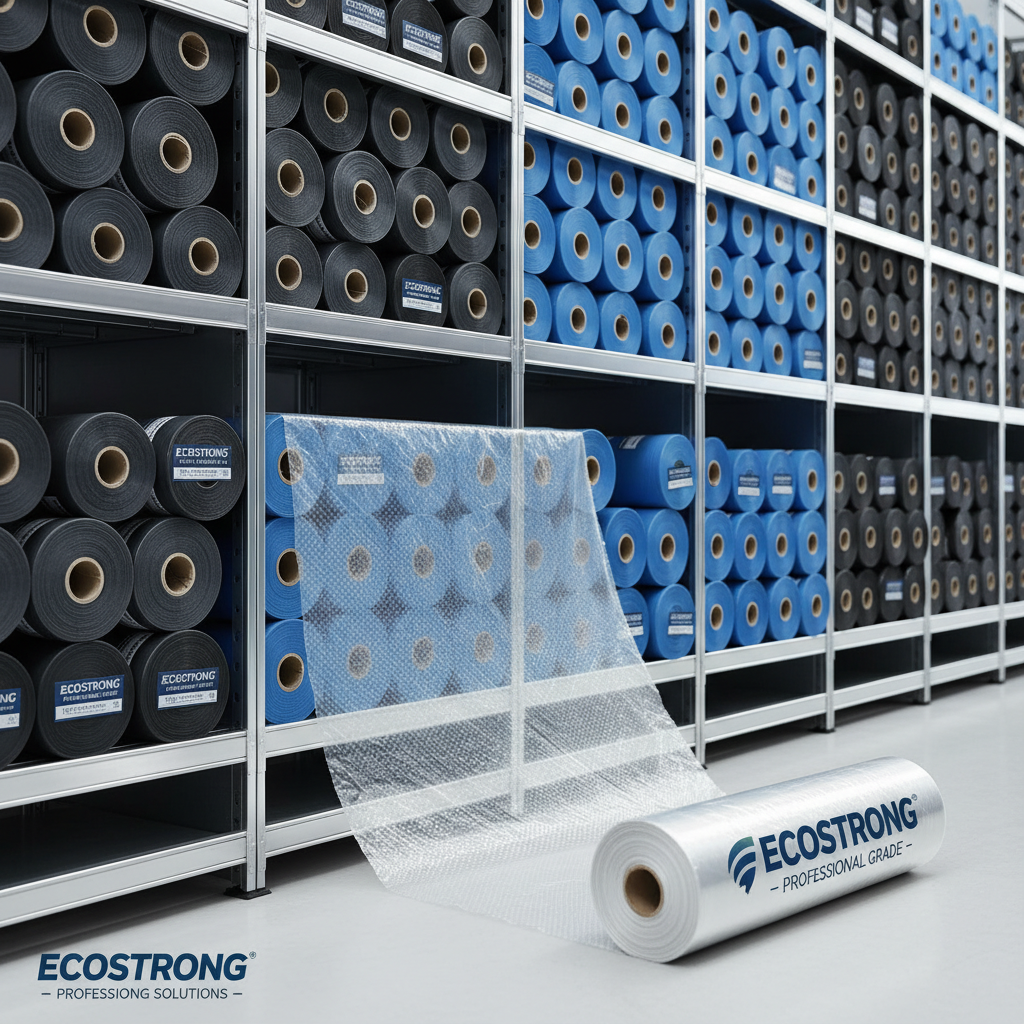
Innovative solutions include the development of stronger, yet lighter-weight corrugated cardboard formulations, the use of advanced cushioning materials such as molded pulp, and the implementation of closed-loop packaging systems that facilitate reuse and recycling. Collaboration between publishers, packaging manufacturers, and logistics providers is crucial to addressing these challenges and driving continuous improvement.
Furthermore, implementing standardized testing protocols and certification programs can ensure that book boxes meet rigorous quality and performance standards, enhancing consumer confidence and reducing the risk of damage during transit.
Overview of Book Box Optimization Strategies
| Optimization Area |
Implementation Strategy |
Impact on Cost |
Impact on Sustainability |
| Material Selection |
Transition to 100% recycled content cardboard |
Moderate increase (5-10%) |
Significant positive impact |
| Box Design |
Optimize box dimensions to minimize void fill |
Moderate decrease (3-7%) |
Positive impact by reducing material usage |
| Manufacturing Process |
Implement lean manufacturing principles to reduce waste |
Moderate decrease (2-5%) |
Positive impact through resource efficiency |
| Logistics & Transport |
Optimize pallet loading and truck utilization |
Potential decrease (1-3%) |
Positive impact by reducing transportation emissions |
| Cushioning Materials |
Replace plastic bubble wrap with molded pulp or recycled paper |
Slight increase (0-5%) |
Significant positive impact |
| End-of-Life Management |
Establish a box recycling program for customers |
Minimal cost impact |
Significant positive impact |
FAQS
Book boxes are specifically engineered to protect books during transit. They often feature reinforced corners, secure closures, and internal cushioning designed to prevent bending, tearing, and scuffing. Standard cartons may lack these features, leaving books vulnerable to damage. Book boxes also often come in specific sizes designed to optimize shipping costs for books, and can be branded for improved customer experience.
Selecting the correct size box is vital. Measure the dimensions of the book(s) you're shipping and choose a box that provides a snug fit with sufficient space for cushioning materials. Avoid using boxes that are excessively large, as this allows the books to shift during transit and potentially sustain damage. Consider the weight of the books as well to ensure the box can handle the load.
Yes! Many manufacturers now offer book boxes made from recycled content, such as corrugated cardboard sourced from post-consumer waste. Biodegradable and compostable options are also emerging. Choosing eco-friendly book boxes demonstrates a commitment to sustainability and appeals to environmentally conscious customers. Look for certifications like the Forest Stewardship Council (FSC) to ensure responsible sourcing.
Optimize box size to minimize dimensional weight charges. Utilize efficient packaging materials, such as lightweight cushioning, and consolidate shipments whenever possible. Negotiate rates with shipping carriers and consider using flat-rate shipping options when appropriate. Also, explore regional distribution centers to reduce transit distances and costs.
Recommended internal packaging materials include bubble wrap, packing peanuts (eco-friendly options are available), crumpled paper, and foam inserts. Ensure the books are snugly secured within the box to prevent shifting during transport. Consider using corner protectors for valuable or fragile books. Prioritize recyclable and biodegradable materials whenever feasible.
Absolutely! Many manufacturers offer customization options, including printing your logo, brand colors, and promotional messages directly onto the book boxes. This enhances brand recognition and creates a positive unboxing experience for your customers. Customization can be cost-effective, particularly for larger orders. It’s a great way to improve customer perception of your brand and product quality.
Conclusion
Book boxes have evolved from simple packaging to essential components of modern supply chains, playing a vital role in the efficient and secure distribution of literature. Their importance is amplified by the growth of e-commerce, the demand for sustainable practices, and the need for robust protection during transit. Investing in high-quality book boxes offers tangible benefits, including reduced shipping damage, enhanced brand reputation, and increased customer satisfaction.
Looking ahead, continued innovation in materials, design, and technology will further optimize the performance and sustainability of book boxes. Embracing these advancements and collaborating across the supply chain will be crucial for meeting the evolving needs of the publishing industry and ensuring the safe and reliable delivery of books to readers worldwide. Visit our website to find the perfect book boxes for your needs today!