Bulk disposable cups are ubiquitous in modern society, serving a critical role in hygiene and convenience across a vast range of applications. From large-scale events and food service industries to healthcare facilities and everyday household use, these cups provide a practical and cost-effective solution for beverage consumption. Understanding the nuances of bulk disposable cup procurement, materials, and their environmental impact is crucial for businesses and organizations seeking sustainable and efficient practices.
The global demand for bulk disposable cups is substantial, driven by factors such as population growth, increased urbanization, and a rising emphasis on on-the-go lifestyles. According to industry reports, the disposable cup market is a multi-billion dollar industry, with consistent growth anticipated in emerging economies. However, this widespread usage presents challenges related to waste management and environmental sustainability, prompting innovation in biodegradable and compostable materials.
Investing in quality bulk disposable cups isn’t just about cost savings; it’s about ensuring a positive customer experience and responsible operational practices. Choosing the right type of cup – considering material, durability, and intended use – is key to maximizing value and minimizing environmental footprint. This guide explores the essential aspects of bulk disposable cups, offering insights into their applications, benefits, and future trends.
Introduction to Bulk Disposable Cups
Bulk disposable cups are a cornerstone of many industries, providing a sanitary and convenient way to serve beverages. Their affordability and ease of use make them ideal for situations where reusable options are impractical or costly. From coffee shops and catering businesses to hospitals and schools, the demand for these cups remains consistently high.
The ability to purchase large quantities of disposable cups translates to significant cost savings for businesses, reducing the need for constant restocking and streamlining operations. Beyond economic benefits, bulk purchasing also allows for greater control over cup quality and consistency, ensuring a reliable product for customers. These cups offer a quick and simple solution for large-scale beverage service.
Defining Bulk Disposable Cups
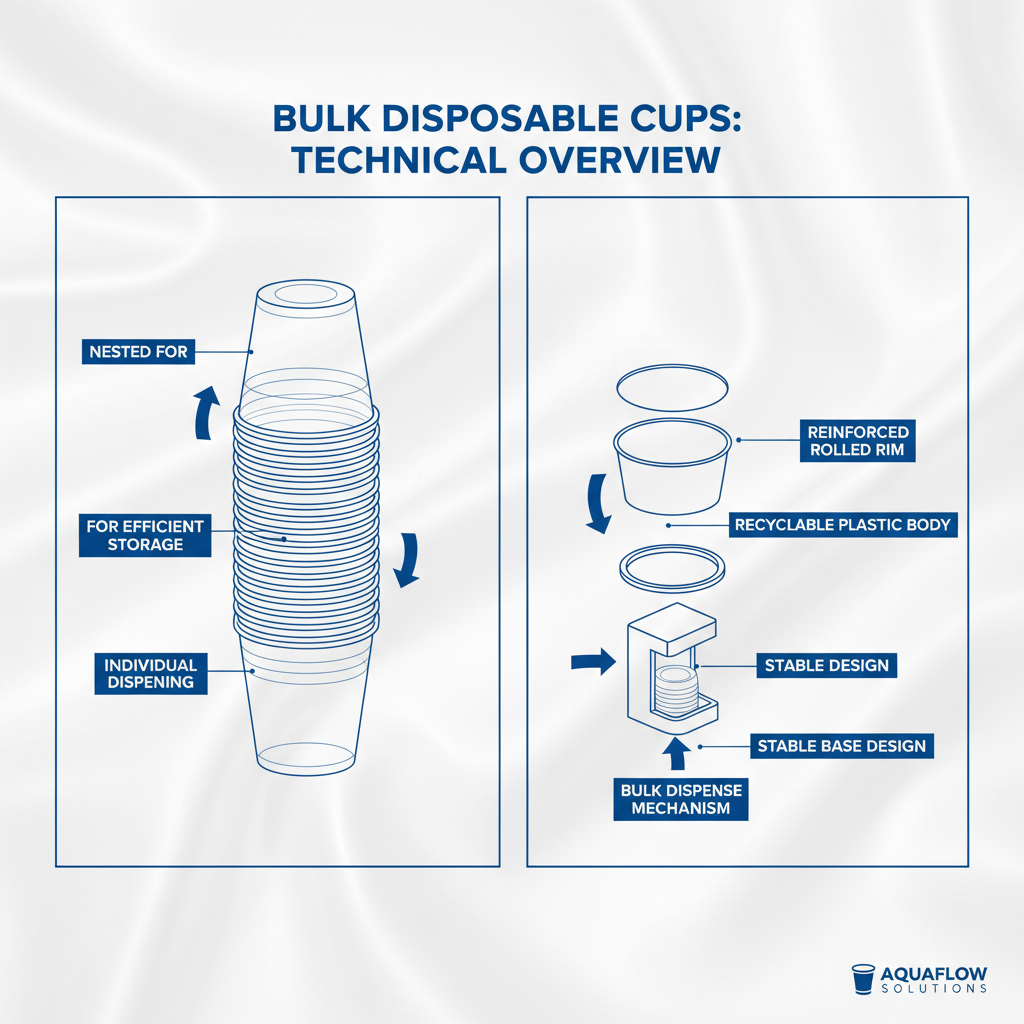
Bulk disposable cups are essentially single-use drinking vessels designed for immediate disposal after consumption. They are typically manufactured from materials like paper, plastic (polypropylene, polystyrene), or increasingly, biodegradable alternatives such as PLA (polylactic acid) or compostable plant fibers. The “bulk” designation refers to the quantity in which they are sold – usually in cases of hundreds or thousands of units.
The prevalence of bulk disposable cups is deeply connected to modern industrial production and the demand for convenient, hygienic solutions. They address the logistical challenges of washing and sanitizing reusable cups in high-volume settings. This convenience, however, has led to significant environmental concerns, driving the search for sustainable alternatives and responsible disposal practices.
In the context of global needs, readily available and affordable bulk disposable cups are vital in emergency response scenarios, providing a safe means of distributing drinking water or other beverages in disaster-stricken areas. Their lightweight nature and ease of storage contribute to their effectiveness in rapid deployment situations where logistics are complex and resources are limited. You can find quality options at places like bulk disposable cups.
Core Characteristics of Bulk Disposable Cups
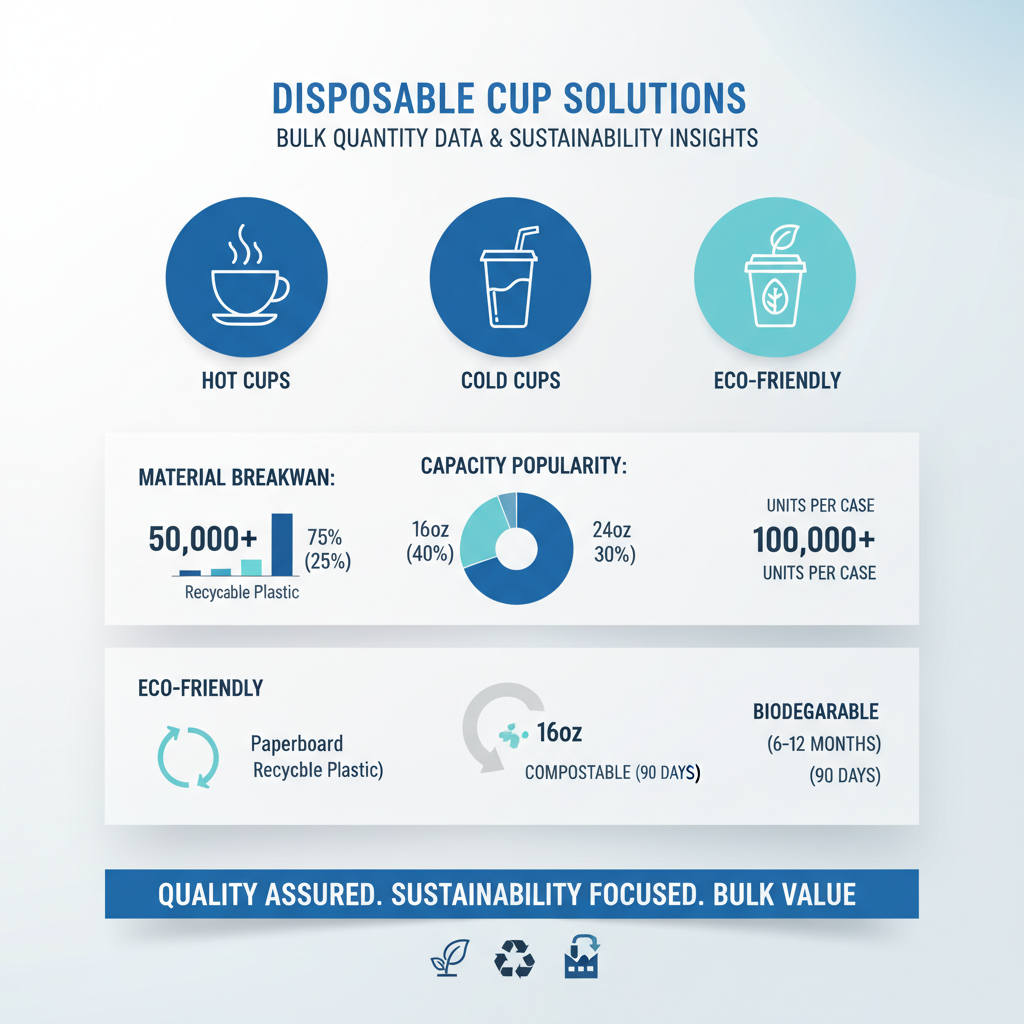
One crucial aspect of bulk disposable cups is their material composition. Different materials offer varying levels of durability, temperature resistance, and environmental impact. Paper cups, often lined with polyethylene, are a common choice for cold beverages, while plastic cups excel in handling hot liquids. The selection of the right material directly impacts the cup’s functionality and suitability for specific applications.
Another key characteristic is the cup's capacity and size. Bulk disposable cups are available in a range of volumes, from small sample sizes to larger serving portions. Choosing the appropriate size minimizes waste and ensures customer satisfaction. Furthermore, cup designs often incorporate features like lids and sleeves to enhance usability and prevent spills or burns.
Durability is a vital consideration, particularly for hot beverage service. Cups must withstand the heat of the liquid without leaking or collapsing. Factors like wall thickness and material quality contribute significantly to a cup's structural integrity. For businesses that prioritize sustainability, choosing cups made from recycled or renewable materials is an increasingly important characteristic.
Practical Applications of Bulk Disposable Cups
The application of bulk disposable cups extends across numerous industries. The food service industry, encompassing restaurants, cafes, and food trucks, is a primary consumer, utilizing them for both in-house and takeaway service. Event planners rely on them for large gatherings, minimizing the logistical burden of washing and sanitizing reusable cups.
Healthcare facilities utilize bulk disposable cups for patient hydration, maintaining strict hygiene standards and preventing the spread of infection. Educational institutions, such as schools and universities, also benefit from the convenience and affordability of these cups, providing a sanitary beverage option for students and staff.
Bulk Disposable Cup Usage by Application
Global Use Cases and Industries Benefitting
In post-disaster relief operations, bulk disposable cups play a vital role in providing safe drinking water to affected populations. Their portability and hygiene make them ideal for distributing beverages in challenging environments where access to clean water is limited. Organizations like the Red Cross frequently rely on these supplies during emergencies.
In remote industrial zones, such as mining camps or construction sites, bulk disposable cups offer a practical solution for providing beverages to workers who may lack access to proper washing facilities. Their convenience and affordability make them a preferred choice in these settings. Similarly, large-scale manufacturing facilities utilize these cups for employee hydration during shifts.
Advantages and Long-Term Value
The cost efficiency of bulk disposable cups is a primary advantage for businesses. Purchasing in large quantities significantly reduces the per-cup cost, leading to substantial savings over time. Furthermore, the elimination of washing and sanitizing expenses contributes to overall operational efficiency.
From a logistical perspective, bulk disposable cups offer convenience and space savings. They require minimal storage space compared to reusable alternatives and simplify inventory management. This ease of use allows staff to focus on core tasks, improving productivity and customer service. The availability of a reliable supply from suppliers like bulk disposable cups ensures smooth operations.
Increasingly, sustainable options are providing long-term value beyond cost savings. Biodegradable and compostable cups align with growing consumer demand for environmentally responsible products, enhancing brand reputation and demonstrating a commitment to sustainability.
Future Trends and Innovations
The future of bulk disposable cups is inextricably linked to the development of sustainable materials. Research and development efforts are focused on creating fully compostable cups that break down rapidly in industrial composting facilities. Materials like molded pulp, bamboo fiber, and PHA (polyhydroxyalkanoates) are gaining traction as viable alternatives to traditional plastics.
Another emerging trend is the integration of smart technology into cup design. Some companies are exploring cups with embedded sensors that can track liquid temperature or provide personalized hydration recommendations. Furthermore, advancements in digital printing are enabling customized cup designs for branding and marketing purposes.
Policy changes and regulations are also shaping the future of this industry. Many cities and countries are implementing bans on single-use plastics, prompting businesses to adopt more sustainable cup solutions. Extended producer responsibility (EPR) schemes are also gaining momentum, holding manufacturers accountable for the end-of-life management of their products.
Summary of Bulk Disposable Cup Material Performance
| Material Type |
Durability Score (1-10) |
Sustainability Score (1-10) |
Cost Effectiveness Score (1-10) |
| Paper (Polyethylene Lined) |
6 |
4 |
8 |
| Polypropylene (PP) Plastic |
9 |
2 |
9 |
| Polystyrene (PS) Plastic |
7 |
1 |
7 |
| PLA (Polylactic Acid) |
5 |
8 |
6 |
| Molded Pulp |
4 |
9 |
5 |
| Bamboo Fiber |
7 |
7 |
7 |
FAQS
The most prevalent materials include paper (often polyethylene-lined for waterproofing), polypropylene (PP) plastic, polystyrene (PS) plastic, and increasingly, plant-based plastics like PLA. Each material offers a different balance of cost, durability, and environmental impact. Paper is generally suitable for cold beverages, while plastics are better for hot drinks. Consider your specific needs and sustainability goals when selecting a material.
While biodegradable and compostable cups offer a step towards sustainability, their environmental impact isn't always straightforward. Many require specific industrial composting facilities to break down effectively, which are not widely available. “Biodegradable” doesn’t automatically mean compostable. Look for certifications like BPI (Biodegradable Products Institute) to ensure genuine compostability. Responsible disposal is crucial for these options to minimize harm.
Several strategies can help. Prioritize cups made from recycled or renewable materials. Encourage recycling programs where possible. Consider offering discounts to customers who bring their own reusable cups. Explore partnerships with composting facilities. Calculate the total cost of ownership, factoring in disposal fees and environmental impacts. Reducing overall consumption is always the most effective approach.
Lead times vary depending on the supplier, the quantity ordered, and any customization requirements. Generally, standard orders of bulk disposable cups can be fulfilled within 1-3 business days. Customized orders, such as those with printed logos, may require 1-2 weeks for production. It's best to place your order in advance to ensure timely delivery.
The most common sizes for coffee are 8oz, 12oz, and 16oz. 12oz is a standard size for many coffee shops, offering a good balance between portion size and cost. 16oz is popular for larger servings or drip coffee. 8oz cups are ideal for smaller espresso-based drinks. Consider your typical customer preferences and beverage offerings when choosing the appropriate size.
Store bulk disposable cups in a clean, dry, and covered area, away from direct sunlight and potential contaminants. Keep them off the floor and ensure the storage area is well-ventilated. Avoid storing them near strong odors or chemicals. Using sealed packaging or containers is recommended to protect them from dust and pests.
Conclusion
Bulk disposable cups remain a vital component of many industries, offering a practical and cost-effective solution for beverage service. Understanding their materials, applications, and environmental implications is crucial for making informed purchasing decisions. As sustainability concerns grow, the industry is evolving towards more eco-friendly alternatives, driven by innovation and regulatory changes. The key to responsible usage lies in balancing convenience with environmental responsibility.
Looking ahead, embracing biodegradable materials, optimizing waste management practices, and fostering consumer awareness will be essential for minimizing the environmental footprint of bulk disposable cups. By prioritizing sustainability and adopting responsible sourcing practices, businesses can ensure that they are providing convenient and hygienic beverage options without compromising the health of the planet. Visit our website at bulkbuypackaging.com to explore our range of options.