Burger wrapper printing is a seemingly simple process, yet it’s a critical component of the fast-food industry, and increasingly, a focal point for branding, sustainability efforts, and food safety regulations. From the classic grease-resistant paper to innovative, eco-friendly materials, the evolution of burger wrappers reflects broader trends in packaging technology and consumer preferences. Understanding the nuances of burger wrapper printing—materials, inks, regulatory compliance, and design options—is crucial for businesses aiming to deliver a positive customer experience and minimize their environmental impact.
Globally, the demand for convenient food packaging is steadily rising, driven by urbanization and changing lifestyles. The burger wrapper market, as a segment of this larger industry, is projected to see continued growth, especially in emerging economies. However, this growth comes with increased scrutiny regarding plastic waste and the need for sustainable alternatives. Burger wrapper printing, therefore, isn't just about aesthetics; it's about navigating a complex landscape of consumer demands, environmental concerns, and evolving regulatory standards.
The benefits of understanding burger wrapper printing extend beyond mere functionality. A well-designed and properly printed wrapper enhances brand recognition, protects the burger during transport, and can even contribute to food safety by maintaining temperature and preventing contamination. Investment in quality burger wrapper printing translates into improved product presentation, enhanced brand image, and increased customer satisfaction, directly impacting a food business's bottom line.
Introduction to burger wrapper printing
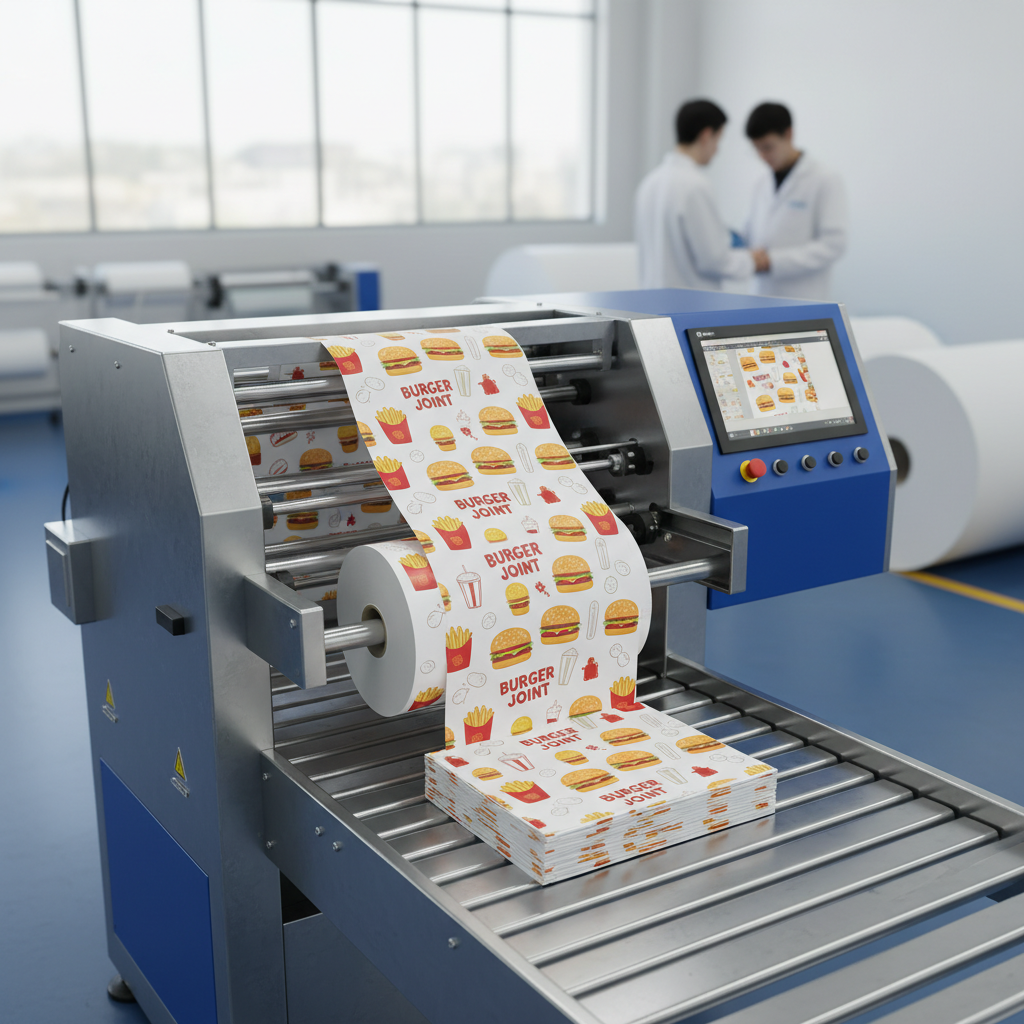
Burger wrapper printing encompasses the design and production of packaging specifically designed to contain and present burgers. This process involves selecting appropriate materials – typically paper or films – choosing suitable printing techniques, and adhering to stringent food safety standards. The goal is to create a wrapper that not only protects the burger’s integrity but also enhances its visual appeal and reinforces brand identity.
The practice of using wrappers for burgers has evolved alongside the fast-food industry. Originally, simple paper sheets served as basic protection against grease and mess. However, as competition intensified, burger wrappers became increasingly sophisticated, incorporating branding elements, nutritional information, and even promotional messaging. Today, burger wrapper printing represents a significant investment for food businesses, contributing to overall marketing and customer experience strategies.
Defining Burger Wrapper Printing
Burger wrapper printing is the specialized process of applying graphics and branding to materials used to encase burgers, ensuring food safety and enhancing presentation. It goes beyond simply wrapping food; it’s a crucial element of a brand’s identity and a direct point of contact with the consumer. The process involves considerations such as barrier properties to prevent grease penetration, ink safety for food contact, and print quality to attract customers.
This practice is deeply intertwined with the modern food service industry, driven by the need for convenience, portability, and hygiene. It directly addresses consumer expectations for a clean and presentable meal experience. Without effective burger wrapper printing, maintaining product quality during transport and consumption becomes considerably more challenging.
Fundamentally, burger wrapper printing represents the intersection of packaging technology, graphic design, and food safety regulations. It’s a field that continually evolves to meet the changing demands of the fast-food landscape and increasing concerns about sustainability.
Key Factors in Burger Wrapper Printing
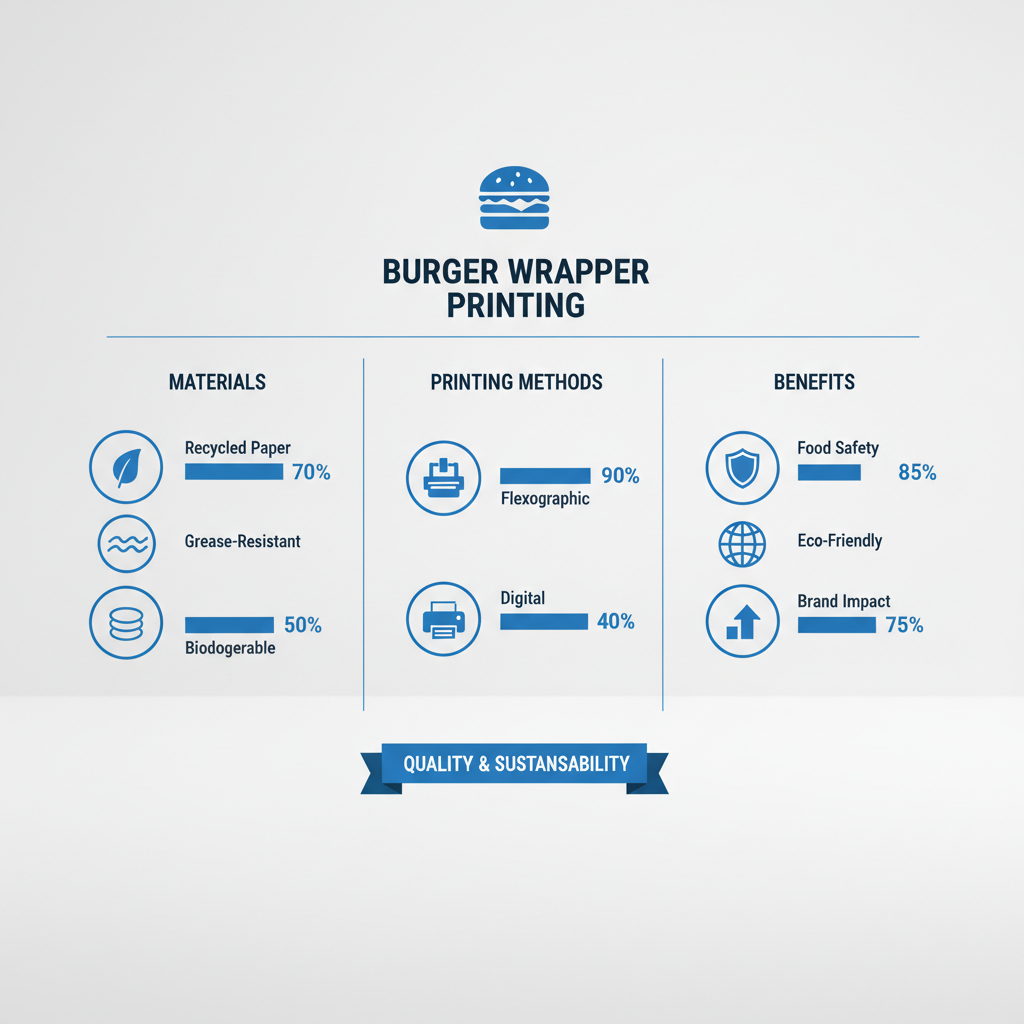
Several key factors underpin successful burger wrapper printing. First, material selection is crucial, dictating the wrapper's grease resistance, durability, and environmental impact. Paper, plastic films, and compostable alternatives each offer unique advantages and disadvantages. Secondly, ink safety is paramount; inks must be food-grade and compliant with relevant regulations to prevent contamination.
Thirdly, print quality impacts brand perception. High-resolution printing ensures crisp graphics and vibrant colors, enhancing the overall customer experience. Finally, regulatory compliance is non-negotiable; wrappers must adhere to food safety standards set by organizations like the FDA or EFSA. These factors work in concert to create a functional and visually appealing burger wrapper.
Beyond these core aspects, design considerations – including branding elements, nutritional information, and promotional messaging – are vital for effective marketing. A well-designed wrapper can reinforce brand identity, attract customers, and even encourage repeat business. Furthermore, cost-effectiveness must be balanced with quality and sustainability, especially for high-volume production.
Global Applications of Burger Wrapper Printing
Burger wrapper printing is a truly global phenomenon, essential to the operation of fast-food chains and independent restaurants worldwide. In North America, it’s a highly competitive market driven by large-scale production and brand recognition. Europe sees a growing demand for sustainable packaging solutions, influencing material choices and printing techniques.
In Asia, particularly in rapidly developing countries like China and India, the demand for convenient food packaging is skyrocketing, leading to a significant increase in burger wrapper printing. Across Latin America, customization and local branding play a major role in wrapper design. These regional variations highlight the diverse needs and preferences of consumers worldwide.
Burger Wrapper Printing Method Effectiveness
Advantages and Long-Term Value
Investing in high-quality burger wrapper printing yields significant advantages. Firstly, it reduces food waste by maintaining burger integrity and preventing damage during transport. Secondly, it enhances brand recognition through consistent and eye-catching designs. Furthermore, embracing sustainable materials demonstrates corporate social responsibility, appealing to environmentally conscious consumers.
The long-term value extends beyond immediate benefits. A strong brand image built through consistent packaging contributes to customer loyalty and repeat business. Sustainable practices can also lead to cost savings through reduced waste disposal fees and potential tax incentives. Ultimately, thoughtful burger wrapper printing contributes to a positive brand reputation and a stronger bottom line.
Future Trends in Burger Wrapper Printing
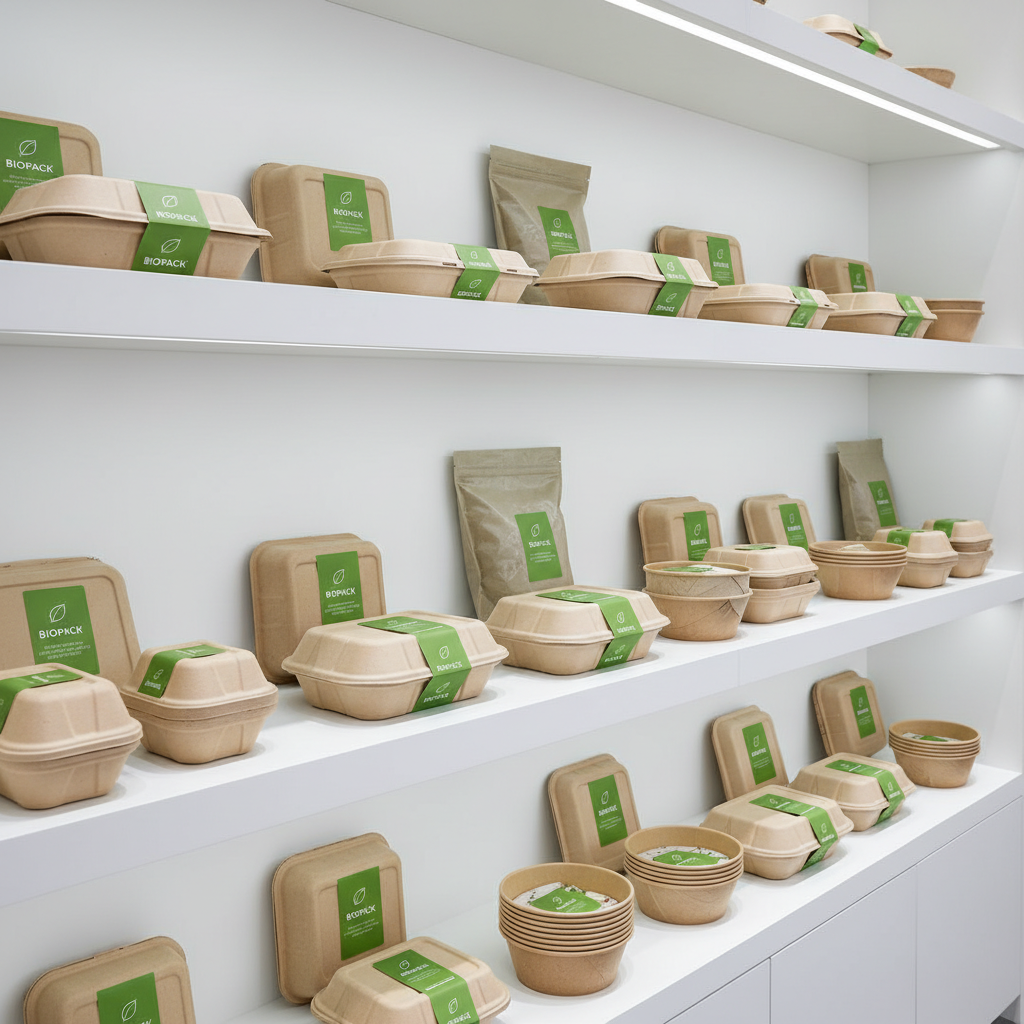
The future of burger wrapper printing is poised for significant innovation. Biodegradable and compostable materials are gaining traction, driven by increasing consumer demand for sustainable packaging. Digital printing technologies are enabling greater customization and shorter production runs, catering to niche markets and personalized branding.
Smart packaging solutions, incorporating QR codes or NFC tags for product tracking and consumer engagement, are also on the horizon. Furthermore, advancements in ink technology are leading to more vibrant colors, improved grease resistance, and enhanced food safety. The trend towards minimalist designs and eco-friendly aesthetics is also expected to continue shaping the landscape of burger wrapper printing.
Challenges and Solutions in Burger Wrapper Printing
Despite advancements, several challenges remain in burger wrapper printing. Balancing cost-effectiveness with sustainability is a key concern, as eco-friendly materials often come at a higher price point. Maintaining print quality on recycled paper can also be difficult. Additionally, ensuring compliance with evolving food safety regulations requires ongoing monitoring and adaptation.
Solutions include investing in research and development of affordable, sustainable materials, optimizing printing processes for efficiency, and collaborating with regulatory bodies to stay ahead of evolving standards. Embracing digital printing technologies can also reduce waste and enable greater customization.
Furthermore, exploring innovative barrier coatings and ink formulations can enhance grease resistance and food safety without compromising sustainability. Ultimately, a proactive and collaborative approach is essential for overcoming these challenges and driving innovation in burger wrapper printing.
Summarizing Core Elements of Burger Wrapper Printing Challenges & Solutions
| Challenge Area |
Severity (1-10) |
Potential Solutions |
Implementation Cost (Low/Med/High) |
| Sustainability of Materials |
9 |
Research & Development of Bio-Based Polymers |
High |
| Cost of Eco-Friendly Inks |
7 |
Negotiate Bulk Discounts with Suppliers |
Low |
| Maintaining Print Quality |
6 |
Optimize Printing Processes & Calibrate Equipment |
Med |
| Regulatory Compliance |
8 |
Regular Audits & Training for Staff |
Med |
| Grease Resistance |
7 |
Development of Novel Barrier Coatings |
High |
| Customization Limitations |
5 |
Adoption of Digital Printing Technologies |
Med |
FAQS
Common materials include paper (waxed or coated for grease resistance), polyethylene (PE) films, polypropylene (PP) films, and increasingly, compostable materials like PLA or cellulose-based films. The choice depends on budget, desired barrier properties, and sustainability goals. Paper is generally more cost-effective but offers less grease resistance than plastic films. Compostable options are growing in popularity but often come with a higher price tag.
Flexographic printing is a popular choice for large-volume runs due to its speed and cost-effectiveness. Offset lithography provides higher image quality but is typically used for shorter runs. Digital printing is ideal for personalized designs and small batches, offering quick turnaround times and variable data printing. Rotogravure is used for very high-volume, high-quality printing, though it has higher setup costs. Screen printing is less common but can be used for special effects.
Ensure all materials and inks used are food-grade and comply with regulations like those set by the FDA or EFSA. Verify that inks are low-migration, meaning they won’t transfer chemicals to the food. Work with a reputable printer who understands food packaging regulations and can provide documentation of compliance. Regular testing of materials and inks is also recommended.
Using sustainable materials like compostable films or recycled paper reduces your environmental impact, appealing to environmentally conscious consumers. It can also enhance your brand image and potentially qualify you for sustainability certifications. While often more expensive initially, sustainable options can lead to long-term cost savings through reduced waste disposal fees and improved brand loyalty.
The cost of custom burger wrapper printing varies significantly based on factors like material selection, print quantity, design complexity, and printing technique. Generally, prices range from a few cents per wrapper for large-volume flexographic printing to several dollars per wrapper for small-batch digital printing with intricate designs. Obtaining quotes from multiple printers is crucial for comparison.
The MOQ varies between printing companies and depends on the printing technique used. Flexographic printing typically requires larger MOQs (e.g., 10,000+ wrappers) due to the setup costs. Digital printing often has lower MOQs (e.g., 500-1000 wrappers), making it suitable for smaller businesses or short-run projects. Always confirm the MOQ with the printer before placing an order.
Conclusion
In conclusion, burger wrapper printing is far more than a simple packaging process; it’s a multifaceted discipline that intersects branding, food safety, sustainability, and consumer experience. Choosing the right materials, printing techniques, and designs is crucial for businesses aiming to deliver a high-quality product while minimizing their environmental impact. Understanding the evolving trends and challenges in this field is essential for staying competitive and meeting the demands of a discerning market.
Looking ahead, the future of burger wrapper printing lies in embracing innovation and sustainability. Investing in research and development of eco-friendly materials, adopting digital printing technologies, and prioritizing food safety compliance will be key to success. We encourage businesses to explore these opportunities and work with reputable printing partners to create packaging solutions that are both effective and responsible.