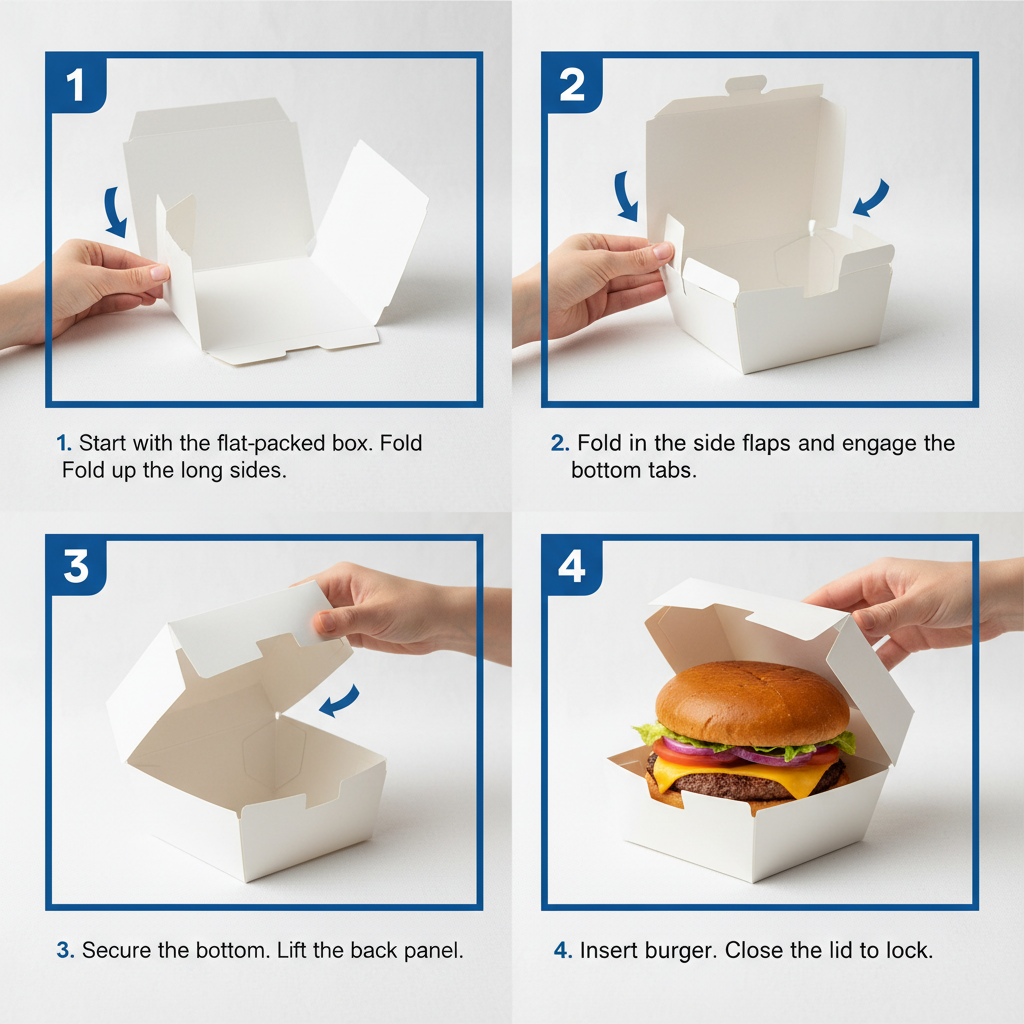
The humble burger box is more than just a container for a quick meal; it represents a significant facet of modern food service, packaging innovation, and logistical efficiency. Globally, the fast-food industry is a multi-billion dollar market, heavily reliant on effective packaging solutions like the burger box to maintain product quality, ensure safe transport, and enhance the customer experience. Understanding the nuances of burger box design, material science, and manufacturing processes is crucial for businesses aiming to optimize their operations and cater to evolving consumer demands.
The evolution of the burger box reflects broader trends in packaging – a shift towards sustainability, cost-effectiveness, and branding opportunities. From simple cardboard containers to intricately designed, eco-friendly alternatives, the burger box has adapted to changing environmental regulations and consumer preferences. It's a microcosm of the larger packaging industry, demonstrating the challenges and innovations driving the field forward. The demand for efficient and reliable burger box solutions continues to grow alongside the expansion of fast-food chains worldwide.
Ultimately, the design and functionality of a burger box significantly impacts everything from food temperature retention and structural integrity during transport, to the overall convenience and enjoyment for the consumer. A well-designed burger box can enhance brand perception and contribute to a positive customer experience, solidifying its importance within the food industry ecosystem.
The Significance of Burger Box Design
The design of a burger box extends far beyond simply holding a burger. It's a crucial element of brand identity, playing a significant role in how customers perceive the quality and value of their meal. A well-designed box can enhance the overall dining experience, making it more convenient and enjoyable.
Furthermore, design considerations impact logistical efficiency. Boxes must be stackable, durable enough to withstand transport, and easily adaptable for automated packaging lines. The materials used also affect insulation, keeping the burger warmer for longer and preserving its freshness – a key factor for both dine-in and delivery services.
Defining the Burger Box
A burger box is a type of food packaging specifically engineered to contain a hamburger and its accompaniments, often including fries, condiments, and napkins. Historically, these boxes were primarily constructed from simple cardboard, prioritizing functionality and cost-effectiveness. However, modern burger boxes are increasingly sophisticated, utilizing a range of materials and designs.
The key function of a burger box is to maintain the structural integrity of the burger during transport and handling, preventing it from being crushed or disassembled. This is particularly important for delivery and takeout orders where the burger may travel some distance before being consumed. Its connection to the modern industry is intertwined with the rise of fast food and the demand for convenient, portable meals.
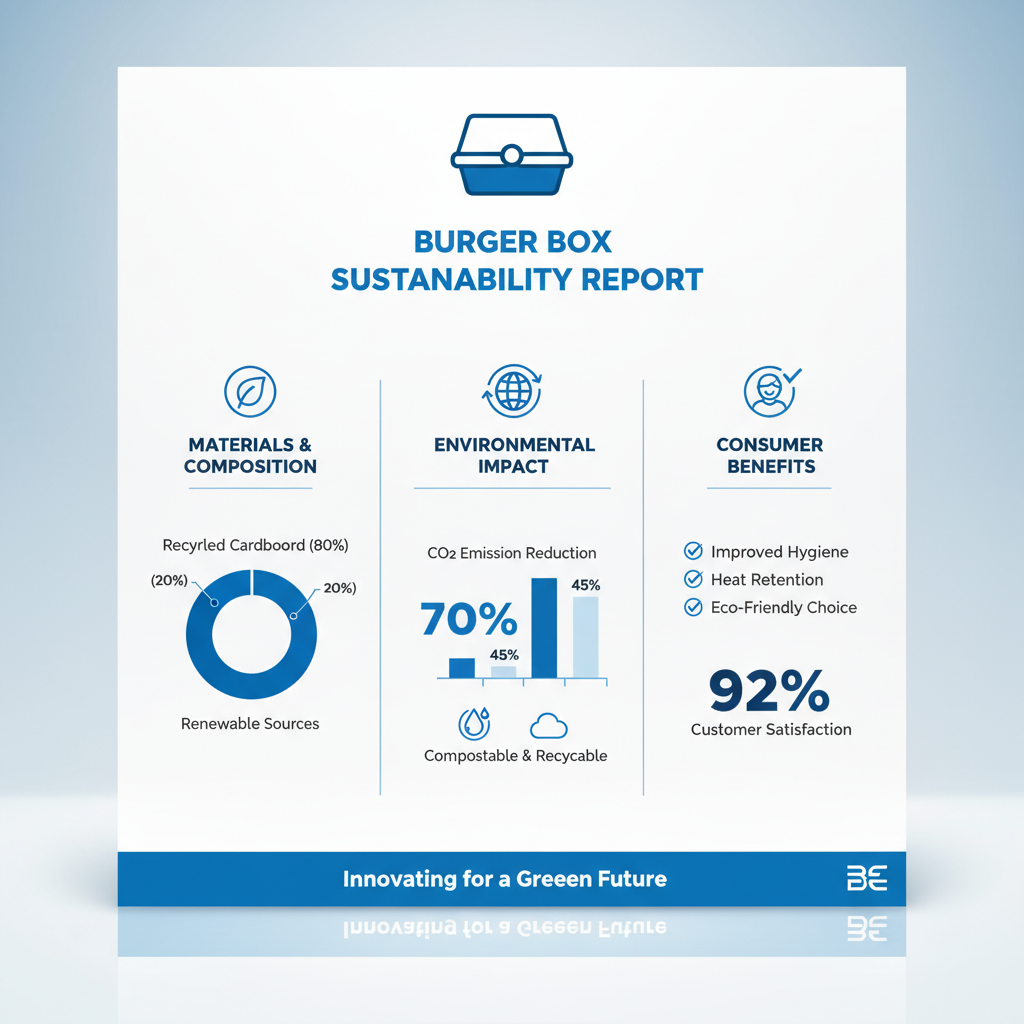
Today, the definition extends to include eco-friendly alternatives made from recycled materials or biodegradable plastics, reflecting a growing consumer awareness and demand for sustainable packaging solutions. A quality burger box is a cornerstone of the fast-food industry.
Key Factors in Burger Box Construction
Several core aspects determine the effectiveness and quality of a burger box. Durability is paramount; the box must withstand handling and transport without collapsing or tearing. The choice of material directly impacts this, with corrugated cardboard offering superior strength compared to thinner cardstock.
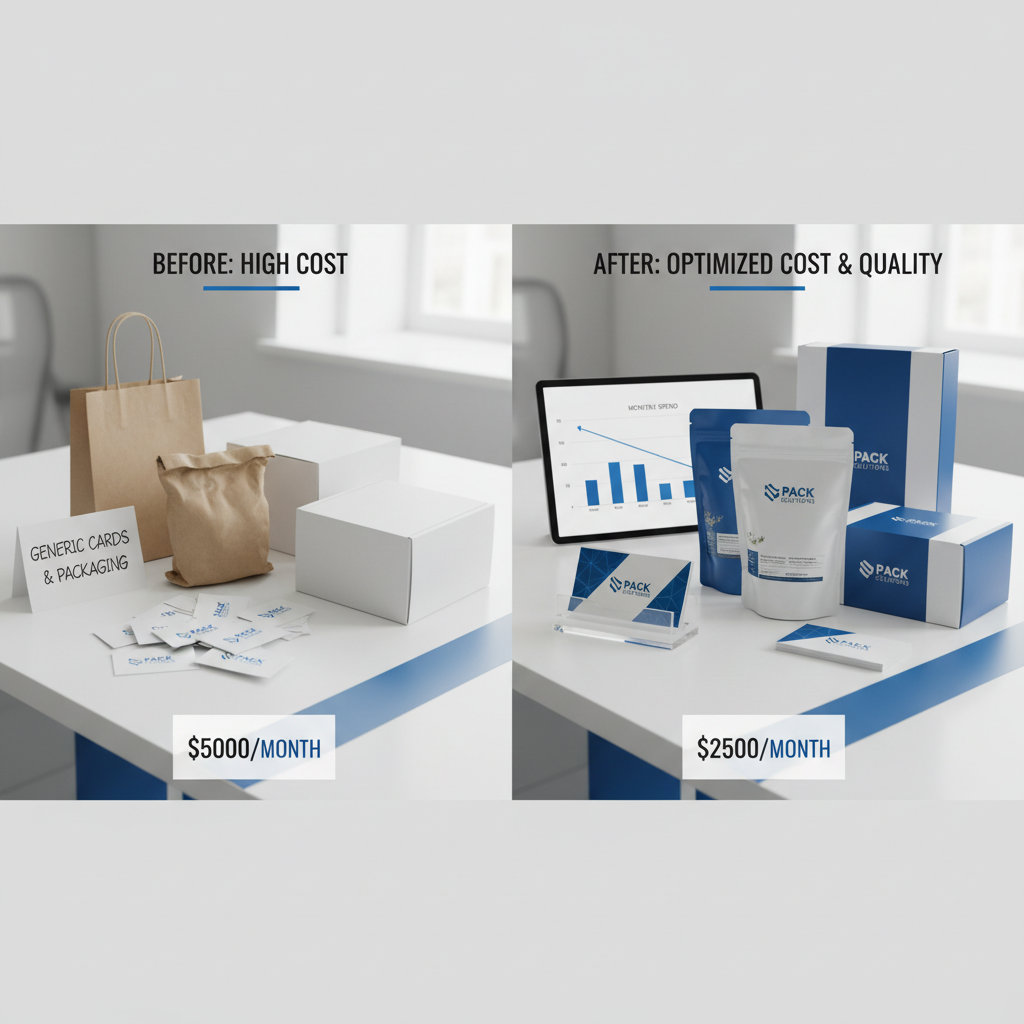
Cost efficiency is another crucial factor, especially for high-volume fast-food operations. Manufacturers must balance material costs, production expenses, and shipping logistics to minimize the overall cost per box. Scalability is also essential, allowing businesses to readily increase production to meet fluctuating demand.
Furthermore, design features like ventilation holes to prevent sogginess, secure closures to maintain food temperature, and branding options for marketing purposes all contribute to the overall value and functionality of the burger box. Finally, sustainability is increasingly important, driving demand for recyclable, compostable, or biodegradable materials.
Global Applications of Burger Boxes
The application of burger boxes is ubiquitous within the global fast-food industry. Major chains like McDonald’s, Burger King, and Wendy's rely heavily on these containers to serve millions of customers daily. Their use extends beyond large corporations, however, to include independent restaurants, food trucks, and catering services worldwide.
In regions with developed delivery infrastructures, such as North America, Europe, and parts of Asia, burger boxes are essential for ensuring food quality during transit. In areas with less established delivery systems, they provide a convenient and hygienic way to transport meals.
Even in remote industrial zones or during large-scale events like festivals and sporting competitions, burger boxes play a critical role in providing quick, convenient food service. For example, in post-disaster relief operations, pre-packaged meals often utilize burger box-style containers for easy distribution and consumption.
Burger Box Material Performance Ratings
Advantages and Long-Term Value
The advantages of using well-designed burger boxes are manifold. From a cost perspective, efficient packaging reduces food waste and minimizes damage during transport, ultimately saving businesses money. Sustainability is a growing benefit, with eco-friendly options appealing to environmentally conscious consumers and reducing environmental impact.
Beyond the tangible benefits, the burger box also contributes to brand perception and customer satisfaction. A visually appealing and functional box enhances the overall dining experience, fostering brand loyalty and positive word-of-mouth. The reliability of a secure box ensures the customer receives their order as intended.
Future Trends in Burger Box Technology
The future of burger box technology is focused on sustainability and innovation. We're seeing a rise in the use of compostable materials like bagasse (sugarcane fiber) and mushroom packaging, offering viable alternatives to traditional plastics and cardboard. Digital integration is also emerging, with QR codes printed on boxes linking to promotional offers or nutritional information.
Furthermore, advancements in coating technologies are creating grease-resistant and water-resistant barriers without relying on harmful chemicals, improving both functionality and environmental compatibility. Automation in packaging lines will also drive demand for boxes designed for high-speed, precise assembly.
Challenges and Innovative Solutions
One of the primary challenges facing the burger box industry is balancing cost-effectiveness with sustainability. Eco-friendly materials are often more expensive than traditional options, creating a barrier to widespread adoption. Another challenge is maintaining food safety and hygiene, particularly for boxes designed for repeated use.
Innovative solutions include developing new, cost-competitive biodegradable materials, investing in recycling infrastructure, and exploring reusable burger box programs. Smart packaging solutions, using sensors to monitor food temperature and freshness, are also being explored to address hygiene concerns and reduce food waste.
Finally, optimizing box design for efficient stacking and transport, reducing shipping costs and minimizing environmental impact, remains a key area of focus.
Summary of Burger Box Material Performance & Sustainability
| Material Type |
Durability (1-10) |
Sustainability Score (1-10) |
Cost per Unit (USD) |
| Standard Cardboard |
7 |
5 |
0.10 |
| Recycled Cardboard |
6 |
8 |
0.15 |
| Biodegradable Plastic (PLA) |
5 |
9 |
0.25 |
| Foam Polystyrene |
8 |
2 |
0.08 |
| Wax-Coated Cardboard |
6 |
4 |
0.12 |
| Bagasse (Sugarcane Fiber) |
7 |
9 |
0.20 |
FAQS
The most prevalent materials include corrugated cardboard, due to its strength and affordability, and increasingly, recycled cardboard and biodegradable plastics like PLA (Polylactic Acid). Traditional foam polystyrene is still used but faces growing scrutiny due to its environmental impact. Modern innovations also explore bagasse and mushroom packaging. Choosing the right material depends on balancing cost, durability, and sustainability requirements.
A well-designed burger box incorporates features to maintain food temperature. Insulating materials like thicker cardboard or specialized coatings slow down heat transfer. Ventilation holes prevent condensation buildup, which can make the burger soggy and affect its temperature. Secure closures prevent heat from escaping and help retain steam, keeping the burger warmer for a longer period.
While biodegradable burger boxes are a step in the right direction, their environmental impact depends on several factors. They require specific composting conditions to break down effectively, which are not always available. The production process can still have environmental consequences. However, compared to traditional plastics, they generally offer a lower carbon footprint and reduce reliance on fossil fuels.
Coatings play a crucial role in enhancing burger box functionality. Polyethylene (PE) coatings provide grease and water resistance, preventing the box from becoming soggy and leaking. Wax coatings offer similar protection but are less environmentally friendly. Newer bio-based coatings are emerging as sustainable alternatives. These coatings ensure the box maintains its structural integrity and prevents food contamination.
Businesses can reduce costs by exploring bulk purchasing options, optimizing box designs to minimize material usage, and negotiating with suppliers. Choosing recycled content options can often be more cost-effective than virgin materials. Investing in efficient packaging machinery can also reduce labor costs. Furthermore, communicating the benefits of sustainable packaging to customers can justify a slight price increase.
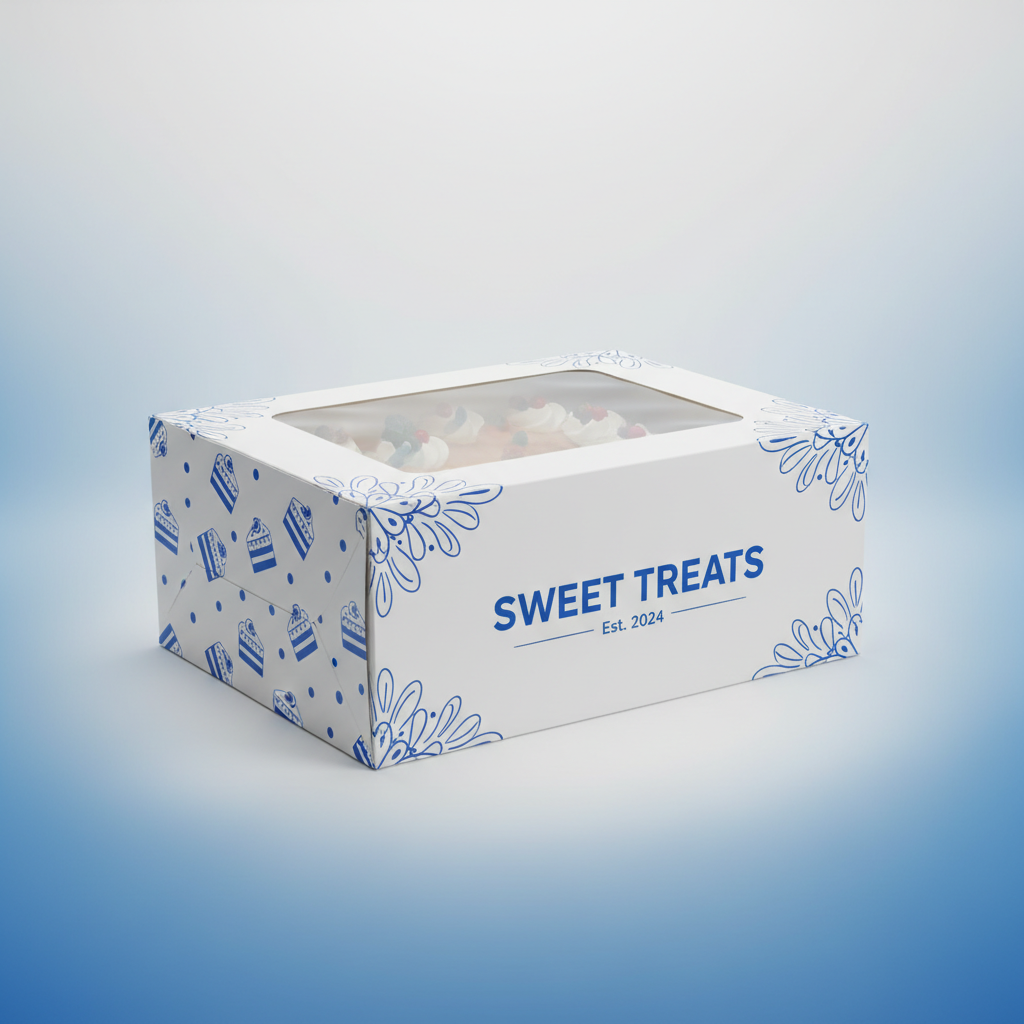
Future trends include the use of eco-friendly inks, personalized printing options, and integration with digital technologies. QR codes printed on boxes will link to promotional offers, loyalty programs, or nutritional information. Sustainable printing methods, such as water-based inks, are becoming increasingly popular. Expect to see more visually appealing and interactive burger box designs in the coming years.
Conclusion
The burger box, often overlooked, is a fundamental component of the modern food industry. Its evolution reflects a broader shift towards sustainability, efficiency, and enhanced customer experience. From material science to design innovation, the burger box continues to adapt to changing consumer demands and environmental concerns. Understanding the core factors driving this evolution is crucial for businesses seeking to optimize their packaging strategies.
Looking ahead, the future of the burger box lies in embracing eco-friendly materials, leveraging digital technologies, and prioritizing cost-effectiveness. By focusing on these key areas, the industry can create packaging solutions that are not only functional and appealing but also environmentally responsible. Visit our website at www.bulkbuypackaging.com to explore our comprehensive range of burger box solutions and discover how we can help you meet your packaging needs.