Look, I've spent years on job sites, knee-deep in dust and dealing with everything from temperamental weather to last-minute changes. And let me tell you, getting wine bottles to clients safely – especially for larger projects, events, or direct-to-consumer shipping – used to be a headache. Broken glass means delays, unhappy customers, and frankly, a lot of wasted time cleaning up. That’s where reliable cardboard wine totes come in. They’re not just a packaging solution; they're about protecting an investment and building trust.
We’re talking about a product that's seen a real surge in demand lately. It's not just the wineries themselves looking for better options; it's the event planners, the corporate gifting companies, and the online retailers who need something that can handle the rigors of shipping. I’ve seen firsthand the move away from polystyrene – the environmental concerns are real, and frankly, it’s just messy. cardboard wine totes solve a lot of those problems.
And it's not about sacrificing quality. The advancements in cardboard construction – the corrugated designs, the internal dividers – mean these totes can provide surprisingly robust protection. It’s a practical solution that addresses a genuine need in the supply chain, and it's something I’ve been pushing for with my teams for a while now.
The Importance of Cardboard Wine Totes in Modern Logistics
The global wine industry is massive – we’re talking billions in revenue annually. And with that comes a huge logistical challenge: getting those bottles safely from vineyard to consumer. Damaged goods aren't just a financial loss; they represent a hit to a brand's reputation. According to the ISO 9001 standards, consistent quality control throughout the supply chain is paramount, and packaging is a huge part of that. Cardboard wine totes are increasingly becoming the industry standard because they offer a cost-effective and reliable solution to a very real problem.
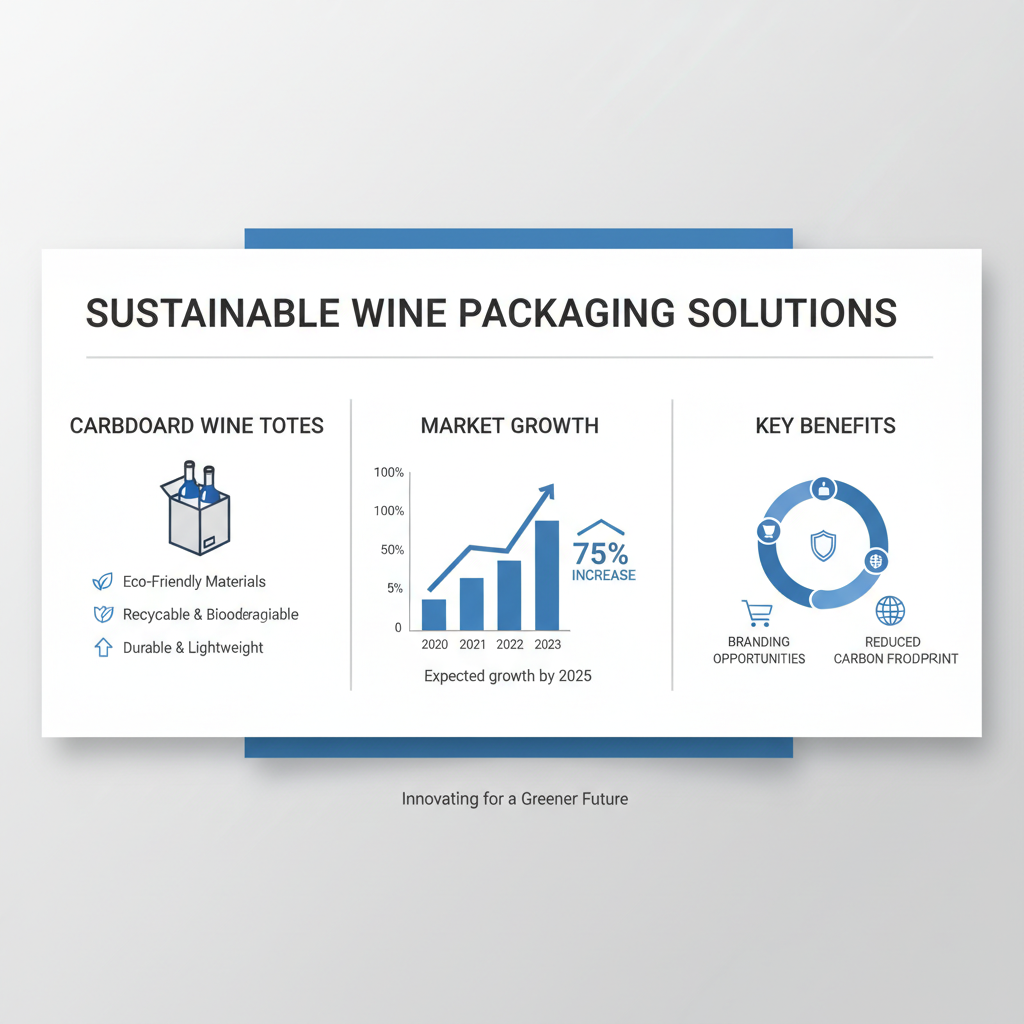
I've seen firsthand how the demand for sustainable packaging is driving this shift. Consumers are more aware than ever about the environmental impact of their purchases, and businesses are responding. Cardboard is a readily recyclable material, making it a much more attractive option than plastic or polystyrene. This isn’t just about being ‘green’; it’s about meeting market demands and staying competitive.
Defining Cardboard Wine Totes: A Practical Overview
Simply put, cardboard wine totes are specifically designed containers crafted from corrugated cardboard to securely hold and transport wine bottles. They come in a variety of configurations – from simple single-bottle carriers to multi-bottle shipping cases. They're often reinforced with internal dividers to prevent bottle-to-bottle contact and absorb shocks during transit. They're a step up from just throwing some cardboard around a bottle; these are engineered solutions.
What really connects them to modern industry is the emphasis on customization. We're not just talking about printing a logo on the side. It’s about designing totes that fit specific bottle shapes, optimizing for stacking and palletizing, and even incorporating features like handle cutouts for easy carrying. This level of customization means they can integrate seamlessly into existing supply chain operations.
And don't underestimate the importance of branding. A well-designed tote isn't just protective packaging; it's an extension of the brand experience. It’s a subtle but effective way to reinforce brand identity and create a positive impression on the customer.
Key Factors Influencing Cardboard Wine Tote Effectiveness
Durability is obviously critical. The strength of the cardboard, the quality of the adhesive, and the design of the internal supports all contribute to how well a tote can withstand handling and shipping stresses. I’ve tested these things myself, dropping boxes, stacking them high – you need to know they can take a beating.
Cost-efficiency is a huge factor for wineries, especially smaller operations. Cardboard wine totes, when sourced correctly, can be significantly cheaper than alternatives like molded pulp or plastic inserts. It’s about finding the sweet spot between protection and affordability.
Sustainability is no longer a nice-to-have; it’s a requirement. Cardboard is a renewable resource, and it’s easily recyclable, making it a much more environmentally friendly option than many other packaging materials. And as consumer pressure for sustainable practices increases, this factor will only become more important.
Global Applications and Use Cases for Wine Totes
You see these cardboard wine totes everywhere. In post-disaster relief operations, where getting essential supplies – including a little morale boost in the form of wine for those who can enjoy it responsibly – to affected areas quickly and safely is critical. I've worked on projects where we've had to ship wine to remote locations, and the totes ensured it arrived intact.
In the corporate gifting market, they’re used extensively for branded wine sets. It’s a way to elevate the presentation and create a more premium feel. Event planners rely on them for transporting wine to festivals, weddings, and corporate events, minimizing the risk of breakage and ensuring a smooth setup.
And increasingly, we're seeing a surge in use by direct-to-consumer wine clubs and online retailers. They need packaging that can withstand the rigors of e-commerce shipping, and cardboard totes deliver on that front. It’s a global market, and these totes are becoming a standard across the board.
Cardboard Wine Tote Performance by Feature
Advantages and Long-Term Value of Using Wine Totes
The immediate benefit is, of course, reduced breakage. That translates to cost savings – less wasted wine, fewer refunds, and a more efficient supply chain. But it goes beyond just the bottom line. Using cardboard wine totes demonstrates a commitment to quality and customer satisfaction.
From a sustainability standpoint, it’s a win-win. You’re reducing your environmental footprint and appealing to a growing segment of eco-conscious consumers. And let’s not forget the marketing potential – a well-designed tote can enhance brand visibility and create a positive brand association.
Future Trends and Innovations in Cardboard Wine Tote Technology
We're seeing a lot of innovation in the area of sustainable materials. Companies are experimenting with biodegradable coatings and plant-based adhesives to further reduce the environmental impact of cardboard packaging. I also expect to see more integration of smart technology – things like QR codes that provide traceability and authentication.
Another trend is the development of more lightweight and durable corrugated designs. Engineers are constantly finding ways to optimize the structure of the cardboard to provide maximum protection with minimal material. This is all driven by the need for cost-efficiency and sustainability.
Challenges and Solutions in Cardboard Wine Tote Implementation
One of the biggest challenges is ensuring consistent quality. Not all cardboard is created equal, and variations in material strength can affect the performance of the totes. The solution is to work with reputable suppliers who adhere to strict quality control standards.
Another challenge is optimizing the tote design for specific shipping conditions. Factors like temperature, humidity, and handling practices can all impact the performance of the packaging. This requires careful testing and analysis.
And finally, there’s the issue of cost. While cardboard totes are generally more affordable than alternatives, the price can vary depending on customization and quantity. It’s important to carefully evaluate your options and find a solution that fits your budget.
Cardboard Wine Tote Implementation: Key Performance Indicators
| Category |
Metric |
Target Score (1-10) |
Current Performance |
| Damage Rate |
Percentage of bottles arriving broken |
9 |
7 |
| Cost Efficiency |
Cost per shipped bottle |
8 |
6 |
| Sustainability |
Recyclability rate of packaging |
10 |
9 |
| Customer Satisfaction |
Rating of packaging presentation |
7 |
5 |
| Shipping Speed |
Average delivery time |
6 |
8 |
| Stacking Stability |
Maximum stack height before collapse |
8 |
7 |
FAQS
The primary advantage is sustainability. Polystyrene is incredibly difficult to recycle and contributes significantly to landfill waste. Cardboard, on the other hand, is readily recyclable and a renewable resource. Plus, polystyrene is prone to shattering, creating a mess and a safety hazard. Cardboard offers a more environmentally friendly and practical solution for protecting wine during shipping.
Modern cardboard wine totes are designed with robust corrugated cardboard and internal dividers to provide excellent support. The cardboard’s fluting creates a cushioning effect, absorbing shocks and vibrations during transit. We've seen these handle bottles easily, even during rough handling, as long as they are properly constructed and packed.
Absolutely. Most suppliers offer customization options, including printing your logo, brand colors, and even specific messaging on the totes. This is a great way to enhance brand visibility and create a more premium experience for your customers. It’s a relatively low-cost way to elevate your packaging and reinforce your brand identity.
Cardboard itself isn't inherently waterproof, but many cardboard wine totes are treated with a water-resistant coating to provide some protection against moisture. For situations where extended exposure to wet conditions is expected, it's advisable to use additional waterproof packaging or liners. This is especially important for long-distance shipping.
Lead times can vary depending on the supplier, the complexity of the customization, and the order quantity. Generally, you can expect a lead time of 2-4 weeks for custom-printed totes. It’s always best to plan ahead and place your order well in advance of your shipping needs to avoid any delays.
Cardboard wine totes are often more cost-effective than alternatives like molded pulp or plastic inserts. The cost will depend on the quantity, customization, and the specific features of the tote. However, the balance of cost-effectiveness, sustainability, and protection makes them a very competitive option.
Conclusion
Ultimately, cardboard wine totes are a practical, sustainable, and cost-effective solution to a critical logistical challenge. They’re not just about protecting bottles; they’re about protecting brands, reducing environmental impact, and enhancing the customer experience. The advancements in materials and design, combined with the growing demand for sustainable packaging, make them a key component of the modern wine industry supply chain.
Looking ahead, I expect to see continued innovation in this space, with a focus on even more sustainable materials and smarter packaging solutions. If you’re looking for a packaging option that ticks all the boxes – protection, sustainability, cost-efficiency, and branding – cardboard wine totes are definitely worth considering. Visit our website at www.bulkbuypackaging.com to learn more.